
Inheriting A House In Dublin Can Be A Blessing And A Responsibility
Inheriting a home from a parent, grandparent, or other family member can bring a complicated mix of emotions.
On one hand, the property may represent decades of family memories and a meaningful financial asset.
On the other, you may suddenly be responsible for a house you never planned to own.
Maybe your parents lived in Muirfield Village for 30 years.
Perhaps you inherited an older home near Historic Dublin that needs significant updating.
Or maybe you and your siblings now own a house in one of Dublin’s established neighborhoods, but nobody wants to move into it.
You may be wondering whether you should keep the property, rent it, renovate it, or sell it.
You might also be dealing with probate, outstanding mortgage payments, property taxes, or years of accumulated belongings.
And if you live outside Ohio, managing everything from a distance can make the situation even more difficult.
Here’s the most important thing to understand:
If you’ve inherited a house in Dublin Ohio, you have options. You don’t necessarily have to renovate it, clean everything out, or list it with a real estate agent to sell it.
However, before making decisions, it’s important to understand who legally owns the property, whether probate is required, and what financial obligations may remain.
At Sell House Columbus, we’ve been buying houses throughout Central Ohio since 2012.
We work with homeowners and families who want to sell inherited properties without taking on a major renovation or lengthy traditional listing process.
This guide explains the practical steps to take after inheriting a Dublin home and how to determine which option makes the most sense for your situation.
🎥 Watch: Inherited A House? What Are Your Options?
If you’ve inherited a property and aren’t sure what to do next, watch our video explaining some of the choices families face when deciding whether to keep or sell an inherited house.

Step 1: Find Out How The Dublin Property Was Owned
Before you can sell an inherited house, you need to establish who has the legal authority to transfer it.
This is one of the most important steps, and it’s where many families encounter confusion.
The fact that someone named you in a will doesn’t necessarily mean you can immediately sign a purchase agreement and transfer the property.
The legal process depends on how the property was titled and whether ownership passes through probate or another arrangement.
The House Was Owned In The Deceased Person’s Name
If the house was owned individually, with no applicable transfer-on-death designation or other nonprobate arrangement, probate may be required.
Probate is the court-supervised process of administering a deceased person’s estate.
Depending on the circumstances, the probate court may appoint an executor or administrator to handle estate matters.
The authority to sell real estate can depend on the will, applicable Ohio law, and whether court approval is required.
The House Was Held In A Trust
If the property was properly transferred into a trust, the successor trustee may have authority to manage or sell it under the trust documents.
This can sometimes avoid probate for that particular asset.
However, the trustee still needs to comply with the trust terms and applicable legal requirements.
The House Had A Transfer-On-Death Designation
Ohio allows certain real estate interests to transfer through a properly recorded transfer-on-death designation.
If the property had a valid designation, ownership may pass outside probate.
The beneficiary will still need to complete appropriate documentation to establish the transfer in the public records.
The Property Was Jointly Owned
If the deceased person owned the property with another individual, the result depends on the form of ownership.
For example, a properly established survivorship interest may allow ownership to pass to the surviving owner outside probate.
Ordinary co-ownership without survivorship rights can produce a different result.
Don’t assume that every inherited property must go through probate or that every surviving family member automatically has authority to sell.
An Ohio probate attorney or title company can help identify the correct process.
For general information about Ohio probate law, visit the Ohio Revised Code, Title 21.
Step 2: Determine Which County Handles The Estate
Dublin has a geographic detail that makes estate administration especially important to understand.
The City of Dublin extends into Franklin, Delaware, and Union counties.
That means the location of the house and the county handling the deceased person’s estate may not be the same.
For example, a person may have lived in Dublin but owned property in another county.
Ohio probate jurisdiction generally depends on factors such as the deceased person’s legal domicile, not simply the location of one property.
If you’re trying to determine which probate court is handling an estate, useful resources include:
Franklin County Probate Court: https://probate.franklincountyohio.gov
Delaware County Probate Court: https://probate.co.delaware.oh.us
Union County Probate Court: https://www.co.union.oh.us
A probate attorney can help determine the appropriate court and whether additional real estate documentation is required.
This is particularly important if the heirs live in different states or the deceased person owned multiple properties.
Step 3: Find Out What The House Is Worth
Once you understand the ownership situation, the next step is determining the property’s value.
Dublin has a diverse housing market.
A longtime family home near Muirfield Village may be very different from an older house near Historic Dublin or a newer property in one of the city’s western residential neighborhoods.
Location, square footage, condition, lot size, renovations, and comparable sales all affect value.
But there’s another important distinction.
The value of a house in excellent condition may be very different from what that same house is worth in its current condition.
Imagine you inherited a Dublin house that hasn’t been updated since the 1990s.
It may have a desirable location and substantial potential.
But perhaps it also needs a new roof, flooring, kitchen updates, and mechanical repairs.
Before deciding to renovate, determine what the house might sell for as-is and what it might sell for after improvements.
You can start by reviewing county property records and speaking with qualified local real estate professionals.
Keep in mind that the county auditor’s assessed value is not necessarily the property’s current market value.
For estate administration or tax purposes, a qualified appraisal may be appropriate.
Step 4: Check For Mortgages, Property Taxes, And Other Debts
Inheriting a house doesn’t necessarily mean inheriting a property that’s completely paid off.
The house may still have a mortgage.
There may be unpaid property taxes, liens, or other obligations.
Sometimes family members don’t discover these issues until they begin preparing to sell.
Outstanding Mortgage Balance
If the deceased person had a mortgage, contact the mortgage servicer to understand what information and documentation it requires.
Certain federal rules provide protections for qualifying successors in interest, but the specific rights and obligations depend on the loan and circumstances.
Don’t assume the mortgage disappears when the borrower dies.
Property Taxes
Property taxes continue to be relevant even after the owner passes away.
Dublin properties may be located in Franklin, Delaware, or Union County, so check the correct county records.
Official property resources include:
Franklin County Auditor: https://audr-apps.franklincountyohio.gov
Delaware County Auditor: https://auditor.co.delaware.oh.us
Union County Auditor: https://www.unioncountyauditor.org
Liens And Judgments
Other recorded obligations may affect the sale.
A title company can help identify mortgages, liens, and other title matters that must be addressed before ownership transfers.
Some obligations may be paid from sale proceeds, depending on the transaction and available equity.
But if the debts exceed the property’s value, additional legal or lender arrangements may be necessary.
Step 5: Decide Whether To Keep, Rent, Or Sell The Inherited House
Once you understand the property’s ownership, condition, and financial obligations, you’ll need to decide what to do with it.
There are three common paths.
Option 1: Keep The House
You may want to keep the property as a primary residence, second home, or long-term family asset.
This can make sense if you have a personal attachment to the home and can comfortably afford the expenses.
However, consider property taxes, insurance, utilities, maintenance, and any mortgage payments.
If the property is large or needs extensive updates, those costs can be significant.
Option 2: Rent The House
Dublin’s location within the Columbus metropolitan area may make renting an option worth evaluating.
But becoming a landlord involves responsibilities.
You may need to complete repairs, screen tenants, manage maintenance, comply with applicable landlord-tenant laws, and handle vacancies.
If you live out of state, you may need a property management company.
And if multiple heirs own the house, you’ll need agreement about how the rental will be managed and how income and expenses will be handled.
Renting can be financially attractive in some situations, but it’s not passive or risk-free.
Option 3: Sell The House
Selling may be the best choice if nobody wants to live in the property or take on the responsibilities of ownership.
It may also allow the heirs to divide the proceeds after debts and expenses are addressed.
You can list the house traditionally, list it as-is, or explore a direct cash offer.
Our guide on how to sell your house fast in Dublin Ohio 🔗 (Post #1 – Sell Fast) explains the differences between these approaches.
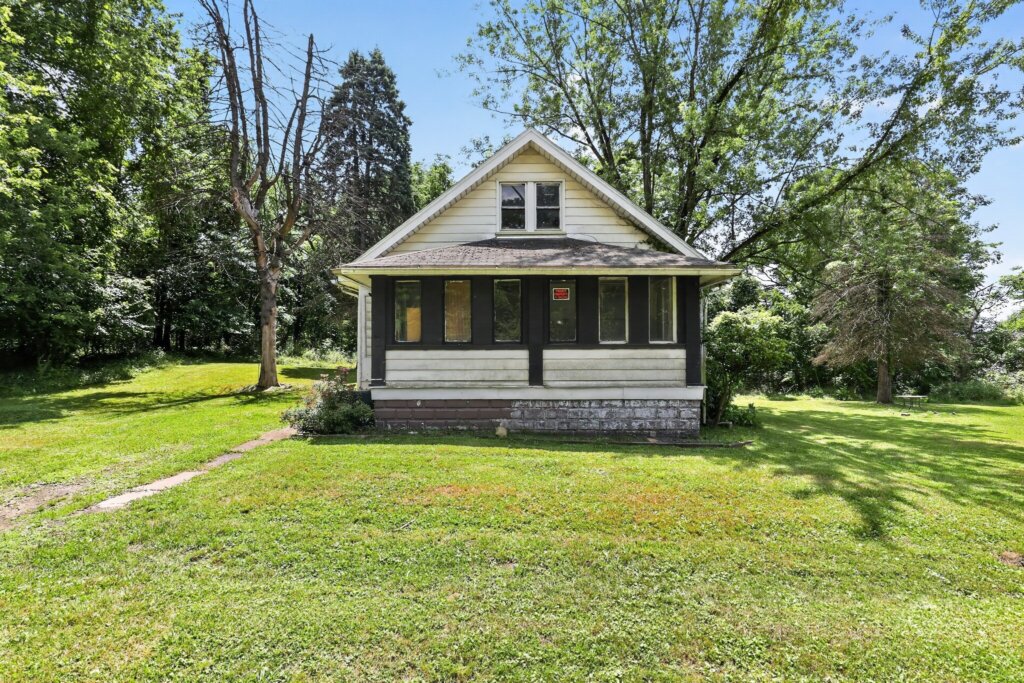
What If You Inherited A House In Muirfield Village?
Muirfield Village is one of Dublin’s most recognizable residential communities.
Many homes in the area have been owned by the same families for years.
If you’ve inherited a property there, you may be dealing with a home that has significant value but also substantial maintenance requirements.
Perhaps the roof is aging.
Maybe the kitchen and bathrooms haven’t been updated in decades.
Or the landscaping and exterior maintenance have become difficult to manage.
Some properties may also be subject to community association requirements.
Before undertaking renovations, check whether applicable association rules or approvals could affect your plans.
If the house is in good condition, a traditional listing may be an attractive option.
But if it needs extensive work and the heirs don’t want to manage renovations, selling as-is may be worth considering.
The key is comparing the actual financial outcomes rather than assuming the highest possible listing price is always the best choice.
What If You Inherited An Older Home Near Historic Dublin?
Properties near Historic Dublin can present a different set of considerations.
Some older homes have unique architectural features, unusual layouts, or construction methods that differ from newer suburban houses.
They may also have older plumbing, electrical systems, windows, or foundations.
If the property is within a locally regulated historic district, certain exterior alterations may require additional review or approval.
Before investing in major improvements, check the applicable requirements through the City of Dublin.
A renovation that seems straightforward in a newer subdivision may require additional planning in a historic setting.
For families who don’t want to coordinate specialized repairs or approvals, an as-is sale may be an option.
However, historic designation, property condition, and potential renovation costs can all affect an investor’s offer.
What If Multiple Siblings Inherit The Same House?
This is one of the most common complications with inherited real estate.
Imagine three siblings inherit their parents’ Dublin home.
One sibling wants to sell immediately.
Another wants to keep the house as a rental.
The third is emotionally attached to the property and doesn’t want to make a decision.
Meanwhile, property taxes, insurance, and maintenance expenses continue.
These situations can become stressful if expectations aren’t discussed early.
Start With The Ownership Documents
Determine who legally owns the property and whether an executor, administrator, trustee, or individual heirs have authority to act.
Discuss The Financial Reality
Gather information about the home’s value, outstanding debts, maintenance needs, and carrying costs.
Having actual numbers can make the conversation more productive.
Consider A Buyout
If one sibling wants to keep the house, they may be able to purchase the interests of the other owners.
The feasibility depends on ownership, financing, and agreement among the parties.
Consider Selling And Dividing The Proceeds
If nobody wants to keep the property, selling may provide a way to resolve the situation.
However, disagreements about authority or ownership can require legal assistance.
If the heirs cannot reach an agreement, consult an Ohio probate or real estate attorney about available remedies.
A direct cash buyer cannot simply bypass ownership disputes or purchase the property without the required legal authority and signatures.
Can You Sell An Inherited House Without Cleaning Everything Out?
Potentially, yes.
This is one of the biggest concerns families have after inheriting a property.
A parent may have lived in the house for 40 years.
There may be furniture in every room, boxes in the basement, tools in the garage, and years of belongings in closets and storage areas.
Sorting through everything can take weeks or months.
And if you live outside Ohio, coordinating the process can become even more difficult.
At Sell House Columbus, we may be able to purchase inherited properties with unwanted belongings remaining.
The exact arrangement depends on the property and purchase agreement.
We encourage families to identify and remove important documents, photographs, jewelry, keepsakes, and other valuables before completing the sale.
Any belongings that remain should be addressed clearly in writing.
If the house contains extensive clutter, our upcoming guide on how to sell a hoarder house in Dublin Ohio 🔗 (Future: Post #12 – Hoarder House) will explain additional considerations.
Before removing or disposing of property, make sure you have the legal authority to do so.
What If The Inherited House Needs Major Repairs?
Sometimes an inherited house has been maintained carefully for decades.
Other times, the previous owner may have been unable to keep up with repairs because of age, illness, or financial limitations.
Common issues can include:
- Aging roofs and gutters
- Outdated kitchens and bathrooms
- Old furnaces and air conditioning systems
- Plumbing leaks and water damage
- Foundation or drainage problems
- Electrical updates
- Flooring, drywall, and interior repairs
If the house needs extensive work, you have an important financial decision to make.
Should you spend money renovating it before selling?
Or would it make more sense to sell in its current condition?
Our upcoming guide on how to sell a house with major repairs in Dublin Ohio 🔗 (Future: Post #10 – Major Repairs) will explore that decision.
You can also learn about selling a Dublin house as-is without completing repairs 🔗 (Future: Post #5 – As-Is Hub).
How Much Does It Cost To Keep An Inherited House?
One expense families often underestimate is the cost of holding the property while deciding what to do.
Even if the mortgage is paid off, the house may continue generating expenses.
Consider this hypothetical example:
| Expense | Illustrative Monthly Cost |
|---|---|
| Property taxes | $450 |
| Insurance | $175 |
| Utilities | $175 |
| Lawn care and maintenance | $150 |
| Total | $950 |
These figures are illustrative, not estimates for a specific Dublin property.
If the house sits vacant for eight months, that could mean approximately $7,600 in carrying expenses before repairs or other unexpected costs.
If there’s still a mortgage, the total may be significantly higher.
And if taxes or insurance are included in an escrowed mortgage payment, be careful not to count those expenses twice.
That’s why families should consider the ongoing cost of ownership when deciding whether to renovate, rent, or sell.
What If You Live Out Of State And Inherited A Dublin House?
This is another common situation.
Maybe you grew up in Dublin but moved to Florida, Texas, or another part of the country years ago.
Now you’ve inherited the family home.
You may not have the time to travel back and forth to coordinate contractors, cleaners, real estate agents, and property maintenance.
Managing a vacant house from another state can be expensive and inconvenient.
Depending on the transaction, some closing documents may be signed remotely or through arrangements coordinated by the title company.
However, not every closing can be completed entirely online, and certain documents may require notarization or other formalities.
If you’re considering a direct sale, ask the buyer and title company how the process would work for an out-of-state seller.
At Sell House Columbus, we’re accustomed to working with homeowners who don’t live near the properties they’re selling.
Our goal is to make the process as convenient as the circumstances allow.
Do You Pay Capital Gains Tax When Selling An Inherited House?
Possibly.
This is an important question, especially when the inherited property has appreciated substantially over time.
Under federal tax rules, inherited property generally receives an income tax basis related to its fair market value at the date of the previous owner’s death, subject to exceptions and special rules.
That can be significantly different from the amount the deceased person originally paid for the house.
For example, imagine your parents purchased a Dublin home decades ago for $125,000.
At the time of death, the property’s fair market value was $400,000.
If the applicable inherited basis is $400,000 and you later sell the house for $410,000, the taxable gain calculation may be based on the difference between the sale proceeds, adjusted basis, and allowable selling expenses rather than the original $125,000 purchase price.
However, the actual tax treatment depends on the ownership history, valuation, adjustments, and other circumstances.
Don’t assume every inherited property can be sold tax-free.
The Internal Revenue Service provides information about inherited property basis and capital gains.
A CPA or qualified tax professional can help determine how the rules apply to your situation.
Can You Sell An Inherited House Before Probate Is Finished?
Sometimes, but it depends on the circumstances.
If the property is part of a probate estate, the executor or administrator may have authority to sell it under applicable Ohio law and the estate documents.
In some cases, additional court procedures or approval may be required.
In other situations, the property may pass outside probate through a trust, survivorship arrangement, or transfer-on-death designation.
The key is establishing the proper legal authority.
A buyer and title company will need to confirm that the transaction can convey valid title.
If you’re unsure, speak with an Ohio probate attorney before entering into a binding agreement.
What If The Inherited House Is Already In Foreclosure?
This can happen when a deceased homeowner had an outstanding mortgage and payments stopped after death.
Sometimes the heirs don’t realize the mortgage is delinquent until they receive letters or court paperwork.
If foreclosure proceedings have started, time may be limited.
Contact the mortgage servicer and consult an Ohio foreclosure attorney promptly.
You may have options involving mortgage assistance, payoff, selling the property, or other legal remedies.
Our guide on facing foreclosure in Dublin Ohio 🔗 (Post #2 – Foreclosure) explains the judicial foreclosure process and why deadlines matter.
A purchase agreement alone doesn’t stop a foreclosure lawsuit or scheduled sale.
Any proposed transaction must be coordinated with the necessary parties and completed within the applicable timeline.
How Sell House Columbus Buys Inherited Houses In Dublin Ohio
We’ve been buying houses throughout Central Ohio since 2012.
We understand that inherited properties can involve complicated family situations, legal requirements, and emotional decisions.
Our role is to provide a straightforward selling option when a direct purchase makes sense.
Step 1: Tell Us About The Property
Call or text 614-300-5151, or complete the form on our website.
Let us know the property’s address, general condition, and whether it was inherited through an estate, trust, or another arrangement.
You don’t need to complete repairs before contacting us.
Step 2: We Evaluate The House
We’ll review the property’s location, condition, and comparable sales.
Depending on the circumstances, we may arrange a convenient walkthrough.
Step 3: Receive A No-Obligation Cash Offer
If the property fits our buying criteria, we’ll explain our offer and the proposed purchase terms.
You can compare it with the potential proceeds from a traditional listing.
There’s no obligation to accept.
Step 4: Confirm Ownership And Coordinate Closing
If you decide to move forward, we’ll work with the title company to determine what documentation is required.
The timeline depends on ownership, probate or trust matters, mortgage payoffs, and other title requirements.
Our goal is to make the transaction as straightforward as possible while ensuring the necessary legal steps are followed.
Frequently Asked Questions About Inherited Houses In Dublin Ohio
Do I have to go through probate to sell an inherited house in Dublin?
Not always. Probate requirements depend on how the property was owned and whether a valid nonprobate transfer arrangement applies.
Which probate court handles an inherited Dublin property?
Dublin extends into Franklin, Delaware, and Union counties, but the proper probate court generally depends on the deceased person’s legal domicile and other jurisdictional factors.
Can I sell my parents’ house without making repairs?
Yes. You can explore selling the property as-is to a buyer willing to purchase it in its current condition.
Can I sell an inherited house with furniture and belongings inside?
Potentially, yes. Some buyers will agree to purchase the property with unwanted belongings remaining, provided the arrangement is documented.
What if my siblings disagree about selling?
The available options depend on ownership and legal authority. A probate or real estate attorney can help explain possible resolutions.
Can I sell an inherited house if I live outside Ohio?
Yes, provided you have the necessary authority. The title company can explain signing and closing arrangements for out-of-state sellers.
Do I inherit the mortgage debt personally?
Not automatically. Inheriting property subject to a mortgage is different from personally assuming liability for the deceased borrower’s debt. The specific obligations depend on the loan and circumstances.
Can I sell the house if property taxes are owed?
Potentially. Outstanding taxes generally need to be addressed as part of the transaction, and the title company can help determine the amounts owed.
Will I owe taxes when I sell the inherited house?
Possibly. Federal and state tax treatment depends on the property’s basis, sale price, ownership circumstances, and other factors. Consult a qualified tax professional.
Can I sell before the estate is fully settled?
Sometimes. The ability to sell depends on the estate’s legal authority, ownership structure, and any required court procedures.
How quickly can Sell House Columbus buy an inherited house?
We can often work toward a closing in approximately two weeks when title and ownership are clear. Probate and other legal issues may require additional time.
Do you charge for a cash offer?
No. Our cash offers are no-obligation.
Inherited A House In Dublin Ohio? Let’s Talk About Your Options
Inheriting a house can create financial opportunities, but it can also bring responsibilities you never expected.
You may be dealing with probate.
You may have siblings who disagree about what to do.
The house may need expensive repairs.
Or you may simply want to sell the property and move forward without spending months managing a renovation.
Whatever your circumstances, you don’t have to make every decision at once.
Start by understanding ownership, the property’s condition, outstanding debts, and your available options.
At Sell House Columbus, we’ve been buying houses throughout Central Ohio since 2012.
If you’re considering selling an inherited house in Dublin, we’d be happy to evaluate the property and explain whether a direct cash purchase might make sense.
There’s no pressure, no obligation, and no requirement to renovate the house just to request an offer.
Call or text 614-300-5151.
Visit https://sellhousecolumbus.com to request a no-obligation cash offer.
Or learn more about how we buy houses in Dublin Ohio.
You have options. Let’s find out which one makes the most sense for your family.
Check out what other sellers in Dublin Ohio are saying about us:
