Blog

  • How to Sell an Inherited House in Another State When You Live in Columbus, Ohio

    Inheriting a house can be both a blessing and a responsibility. But what happens when you live in Columbus, Ohio, and the property you’ve inherited is hundreds or even thousands of miles away?

    Maybe a parent passed away in Texas. Perhaps a relative left you a rental property in Florida. Or you inherited your childhood home in another state, but you’ve built your life here in Central Ohio.

    Suddenly, you’re responsible for a property you don’t live near, may not want to keep, and might not have the time or resources to maintain.

    The good news is that you can often sell an inherited house in another state without traveling there for every step of the process.

    At Sell House Columbus, we’ve spent more than 14 years helping homeowners navigate complicated real estate situations, including inherited properties, houses needing major repairs, and sales involving owners who live outside Ohio.

    While our company purchases houses in Ohio, we understand the challenges of coordinating a property sale from a distance.

    In this guide, we’ll explain how to sell an inherited property when you live in Columbus but the house is located in another state, what to watch out for, and how to find a reputable local buyer.

    Sell House Columbus

    How To Sell A House In Probate... What Ohio Families Need To Know

    Can You Sell an Inherited House Without Living in the Same State?

    Yes. In many situations, you can sell an inherited property without relocating or making repeated trips to the state where the house is located.

    The important factors are whether you have the legal authority to sell, whether the property has a clear and transferable title, and whether the closing can be coordinated remotely.

    Depending on the circumstances, you may need to work with:

    • A probate attorney in the state where the property is located.
    • A local title company or real estate closing attorney.
    • Other heirs or beneficiaries who have an ownership interest.
    • A real estate agent or cash home buyer familiar with that market.
    • A mobile notary or an approved remote notarization service.

    Every state has different probate, inheritance, and real estate transfer requirements.

    For example, the procedures for transferring an inherited house in Ohio may differ significantly from those in Texas, Florida, or California.

    That’s why the first step isn’t necessarily finding a buyer. It’s making sure you understand who has the legal authority to sell the property.

    Step 1: Determine Who Legally Owns the Inherited Property

    Before selling an inherited house, you need to establish who owns it and who has the authority to sign the sale documents.

    This can be more complicated than simply being named in a will.

    Was the house transferred directly to you?

    Some properties transfer outside probate through a trust, survivorship arrangement, transfer-on-death deed, or another legally recognized mechanism.

    If the property transferred directly to you, the sale process may be relatively straightforward once the required ownership documents have been recorded or accepted by the closing company.

    Is the house still part of an estate?

    If the property is part of a deceased person’s probate estate, the executor or administrator may need authority from the appropriate probate court before selling.

    The exact requirements depend on the state, the estate documents, the type of administration, and whether court approval is required.

    Are there multiple heirs?

    If you inherited the property with siblings or other family members, everyone with a legal ownership interest may need to participate in the transaction.

    Disagreements over the property’s value, repairs, or whether to sell can delay the process.

    Our advice: Before spending money on renovations or marketing the house, have the estate attorney and closing company confirm who must authorize the sale.

    For general information about Ohio probate matters, visit the Supreme Court of Ohio.

    If the property is located outside Ohio, consult a qualified attorney in the state where the property is situated.

    Step 2: Understand the Financial Responsibilities of an Inherited House

    An inherited house can continue generating expenses even when nobody is living there.

    Those expenses may include:

    • Property taxes and assessments.
    • Homeowners insurance.
    • Mortgage payments.
    • Utilities and basic maintenance.
    • Lawn care and snow removal.
    • HOA or condominium fees.
    • Repairs required to protect the property.
    • Security or property management.

    Imagine inheriting a vacant house in Dallas while living in Columbus.

    You might have to coordinate lawn maintenance, insurance, property access, and emergency repairs from more than a thousand miles away.

    If the house sits vacant for several months, those expenses can add up quickly.

    What if the inherited house has a mortgage?

    An existing mortgage doesn’t necessarily prevent you from selling.

    However, the loan balance, any missed payments, and other liens generally need to be addressed as part of the transaction.

    A title company or closing attorney can help determine what must be paid or resolved before the buyer receives the required title.

    What about inheritance taxes and capital gains?

    Tax consequences depend on the estate, the property, your ownership circumstances, and the sale price.

    Inherited property often receives an income-tax basis related to its fair market value at the date of death, subject to applicable rules and exceptions.

    That can affect the amount of taxable gain when the property is sold.

    However, there may also be estate taxes, state-specific taxes, depreciation-related issues for rental properties, or other considerations.

    The IRS provides guidance on inherited property, but a qualified tax professional should review your particular situation.

    Don’t assume that selling an inherited house automatically means you owe a large capital gains tax—or that no taxes will be due.

    Step 3: Decide Whether to Repair the House or Sell It As-Is

    One of the biggest decisions inherited-property owners face is whether to renovate before selling.

    This becomes especially challenging when you live in another state.

    Consider a house that needs:

    • A new roof.
    • Updated flooring.
    • Kitchen or bathroom renovations.
    • Foundation repairs.
    • Plumbing or electrical work.
    • Mold or water-damage remediation.
    • Removal of furniture and personal belongings.
    • General cleaning and landscaping.

    Managing contractors remotely can be time-consuming.

    You may need to arrange estimates, approve repairs, coordinate access, review progress, and deal with unexpected expenses.

    And even after completing the work, there’s no guarantee the final sale price will justify the renovation costs.

    Option A: Renovate and list with a real estate agent

    This approach may make sense when the house is in a desirable neighborhood, the repair budget is manageable, and you have someone local who can oversee the work.

    A traditional listing may attract buyers willing to pay more for a move-in-ready property.

    However, you should account for repair expenses, holding costs, agent compensation, closing costs, and the time involved.

    Option B: Sell the property as-is

    Selling as-is means offering the property in its existing condition rather than agreeing in advance to complete renovations.

    It doesn’t automatically eliminate disclosure obligations or prevent buyers from requesting inspections.

    But it can reduce the amount of work required before putting the property on the market.

    Option C: Sell directly to a local cash home buyer

    An experienced local cash buyer may be willing to purchase a house that needs substantial repairs, contains unwanted belongings, or has other complications.

    Depending on the buyer and transaction, this may eliminate the need for renovations, staging, public showings, and traditional mortgage financing.

    The tradeoff is that a cash buyer’s offer will generally reflect the property’s condition, repair costs, and the buyer’s required investment margin.

    The right choice depends on your priorities. If maximizing the potential sale price matters most and you have time to manage the process, listing may be appropriate. If convenience, certainty, and avoiding repairs are more important, a direct as-is sale may be worth considering.

    Step 4: Find a Reputable Home Buyer in the State Where the Property Is Located

    When selling an inherited property remotely, choosing the right local professional is especially important.

    You want someone who understands the neighborhood, local property values, title requirements, and the realities of buying homes in that market.

    Before agreeing to sell, ask prospective buyers:

    1. How long have you been buying properties in this market?
    2. Can you provide references or verifiable customer reviews?
    3. Are you purchasing the house directly, or do you intend to assign the contract?
    4. Will the transaction close through a reputable title company or closing attorney?
    5. Are there inspection, financing, or other contingencies?
    6. Will I need to make repairs or remove unwanted belongings?
    7. Can the closing documents be handled while I remain in Ohio?
    8. What fees or closing costs will I be responsible for?

    A legitimate buyer should be willing to explain the process and give you time to review the agreement.

    Be cautious of anyone who pressures you to sign immediately, refuses to explain their funding arrangements, or suggests transferring ownership outside an appropriate closing process.

    Selling an inherited house in Dallas–Fort Worth while living in Columbus

    Let’s say you live in Westerville, Dublin, Gahanna, or Columbus and inherit a house in Dallas, Fort Worth, Arlington, or another North Texas community.

    You may not know local contractors, real estate agents, or investors.

    One company you can research is Metroplex Homebuyers, a Dallas–Fort Worth cash home buyer that reports operating in the North Texas market since 2011.

    Metroplex Homebuyers purchases houses as-is, including inherited properties, tenant-occupied houses, and homes that may be difficult to sell through traditional methods.

    For an Ohio resident dealing with an inherited Texas property, a local buyer may be able to evaluate the house, discuss repair issues, and coordinate with a Texas title company.

    As with any buyer, independently verify reviews, terms, funding, and closing procedures before making a decision.

    Important: Sell House Columbus and Metroplex Homebuyers are separate businesses. Each operates independently in its respective market.

    The larger lesson is simple: When selling a house in another state, local experience matters.

    Step 5: Understand How Remote Real Estate Closings Work

    Many homeowners assume they must physically travel to the property to complete a sale.

    That isn’t always necessary.

    Depending on the state, title company, lender requirements, and transaction documents, a closing may be coordinated through a combination of electronic signatures, mailed documents, mobile notarization, or legally permitted remote online notarization.

    Here’s how a typical remote transaction may work.

    1. Agree on the purchase terms

    You review the offer, purchase price, contingencies, closing date, and any responsibilities for repairs or personal property.

    2. Open the transaction with a title company or closing attorney

    The closing professional reviews the title, identifies mortgages or liens, coordinates required documents, and prepares the settlement process.

    3. Resolve estate and title requirements

    If probate documents, death certificates, affidavits, court orders, or other paperwork are needed, those requirements must be satisfied before closing.

    4. Arrange the appropriate signing method

    Some documents may be signed electronically, while others require notarization or original signatures.

    The closing company will explain what is permitted.

    5. Complete the closing and receive your proceeds

    Once the documents, funds, and recording requirements are satisfied, the closing company distributes the net proceeds according to the settlement instructions.

    Always independently verify wiring instructions with the closing company using a trusted phone number. Real estate wire fraud is a serious risk.

    You can learn more about protecting yourself from wire fraud through the Federal Trade Commission.

    Step 6: Don’t Forget About Personal Belongings and Property Access

    An inherited home often contains furniture, family photographs, documents, and belongings accumulated over many years.

    This can be one of the most emotionally difficult parts of the process.

    Before selling, consider whether you need to:

    • Retrieve family photographs and keepsakes.
    • Locate financial or legal records.
    • Remove valuable or sentimental items.
    • Coordinate with siblings or other heirs.
    • Arrange a local estate-sale company.
    • Hire a cleanout service.
    • Determine whether the buyer will accept remaining belongings.

    Some as-is buyers may agree to purchase a property with unwanted personal property remaining, subject to the terms of the agreement and the seller’s legal authority to dispose of those items.

    That can be especially helpful when you’re managing the sale from Columbus and don’t want to make repeated trips.

    However, never dispose of estate property without confirming that you have the necessary authority and that other heirs’ rights have been addressed.

    What If You Live Outside Ohio but Inherited a House in Columbus?

    Now let’s look at the opposite situation.

    What happens when someone inherits a property in Columbus, Ohio, but lives in Georgia, South Carolina, Texas, Florida, or somewhere else?

    This is a situation we regularly encounter at Sell House Columbus.

    A homeowner may have inherited a parent’s house in Franklin County but already established a life elsewhere.

    They don’t want to travel back to Ohio repeatedly, coordinate repairs, or manage a vacant house from hundreds of miles away.

    That’s where our local experience becomes especially valuable.

    How Sell House Columbus helps out-of-state owners

    At Sell House Columbus, we buy houses directly throughout Columbus and surrounding Central Ohio communities.

    We’ve worked with homeowners facing inherited-property challenges, major repairs, unwanted belongings, vacant houses, and complicated selling situations.

    Our process is designed to make selling easier:

    • We evaluate the property and discuss your situation.
    • We can make a cash offer based on the property’s condition.
    • We purchase houses as-is, without requiring you to complete renovations.
    • You don’t need to hire a real estate agent to sell directly to us.
    • We coordinate the transaction with a professional title company.
    • We can work with the closing company to accommodate remote sellers when permitted.
    • We offer flexibility around closing dates and property possession.

    We don’t expect every homeowner to choose a cash sale.

    But for someone who inherited a property they don’t want to maintain, a direct sale can provide a practical alternative to managing renovations and a traditional listing from another state.

    Real experience helping homeowners sell remotely

    Our team has worked with sellers who no longer live in Ohio but still own property here.

    For example, we recently helped a homeowner who had moved to Georgia sell her Columbus property without needing to travel back to Ohio.

    We handled the transaction while she remained out of state, and she was able to sell the house as-is.

    We’ve also helped a homeowner living in South Carolina sell a property in Beavercreek, Ohio, that needed repairs.

    He didn’t have to complete the renovation work himself, and the sale was coordinated while he remained in South Carolina.

    These situations illustrate why a flexible local buyer can be valuable when the property and the owner are in different states.

    She Sold Her Columbus Ohio House From Georgia! | Dawn's Cash Home Sale Testimonial

    Sell Your House Fast in Columbus, Ohio

    What If the Inherited House Has Major Repairs, Liens, or Other Problems?

    Not every inherited house is in good condition.

    Sometimes the property has been vacant for years. Other times, the previous owner struggled with maintenance, property taxes, or mortgage payments.

    Common challenges include:

    Major repairs

    A house may need a roof, foundation work, plumbing repairs, or extensive interior updates.

    A cash buyer may be willing to purchase the property in its existing condition.

    Unpaid property taxes

    Delinquent property taxes generally must be addressed before or during the sale.

    A title company can identify the amount owed and determine how it affects closing.

    Existing mortgages or liens

    Mortgages, judgments, and other recorded claims can complicate the transaction.

    Some may be paid from the sale proceeds. Others require additional documentation, negotiation, or legal action.

    Vacant or neglected property

    A vacant inherited home may attract maintenance issues, vandalism, or municipal code violations.

    Selling sooner may reduce future carrying costs, but the best timing depends on the estate and your financial circumstances.

    Tenant-occupied property

    If the inherited house has tenants, existing leases and applicable landlord-tenant laws must be respected.

    Selling the property doesn’t automatically terminate a tenant’s legal right to occupy it.

    The buyer, attorney, and closing company should understand the tenancy before proceeding.

    For Ohio property owners, these are situations our team has experience evaluating.

    If you inherited a house in Columbus or a nearby community, contact Sell House Columbus to discuss your options.

    How to Compare Your Options Before Selling an Inherited Property

    There’s no single best way to sell every inherited house.

    The right decision depends on the property’s condition, your financial needs, your timeline, and how much responsibility you want to take on.

    Selling optionPotential advantagePotential drawback
    Traditional listingMay attract a broader pool of buyersShowings, negotiations, contingencies, and possible repairs
    Renovate before listingMay increase market appeal and sale priceUpfront expense, time, and contractor management
    Sell as-is through an agentAvoids some renovation workMay still involve inspections, financing, and negotiations
    Direct cash saleMay provide a simpler, more flexible processOffer generally reflects repairs and buyer investment costs

    Before making a decision, compare your estimated net proceeds, not just the advertised purchase price.

    A higher offer doesn’t always mean you’ll receive more money after repairs, carrying costs, commissions, and other expenses.

    Likewise, a lower cash offer isn’t automatically the better choice simply because the process is faster.

    Request written terms and evaluate the complete transaction.

    Frequently Asked Questions About Selling an Inherited House in Another State

    Can I sell an inherited house without traveling to the state where it’s located?

    Often, yes. Many real estate transactions can be coordinated remotely through a title company or closing attorney. However, signing, notarization, probate, and recording requirements vary by state and transaction.

    Do I have to go through probate before selling an inherited house?

    Not always. Some properties transfer outside probate through trusts, survivorship arrangements, or transfer-on-death instruments. If the property remains in a probate estate, the executor or administrator may need appropriate legal authority before selling.

    Can I sell an inherited house that needs major repairs?

    Yes. Depending on the circumstances, you may be able to sell through a traditional listing, an as-is listing, or directly to a cash buyer. The property’s condition will affect its marketability and value.

    What if my siblings and I inherited the house together?

    You should first establish everyone’s ownership rights and determine who must approve the sale. If disagreements arise, an estate or real estate attorney may need to help resolve them.

    Can I sell an inherited house with a mortgage?

    Generally, yes, provided the seller has the required authority and the mortgage can be appropriately addressed at closing. The payoff is commonly handled through the settlement process.

    Do I have to clean out an inherited house before selling it?

    Not necessarily. Some cash buyers will consider purchasing a house with unwanted belongings remaining. Any arrangement should be clearly documented, and you must have authority to dispose of the property involved.

    How long does it take to sell an inherited house?

    The timeline depends on the legal status of the estate, title issues, property condition, buyer financing, and the chosen sale method. A direct cash sale may move faster than a traditional listing once legal and title requirements are satisfied, but probate complications can create delays.

    Can I sell an inherited house in Columbus if I live in another state?

    Yes. Sell House Columbus regularly works with homeowners who live outside Ohio. We can evaluate your property, discuss an as-is cash offer, and coordinate with the closing company to determine appropriate remote signing arrangements.

    Is it better to sell an inherited house or keep it as a rental?

    That depends on the property’s condition, rental demand, operating expenses, financing, taxes, and your willingness to manage tenants. A qualified financial or tax adviser can help you compare the long-term implications.

    How do I find a trustworthy cash home buyer in another state?

    Research local companies, review independent customer feedback, ask about their experience, confirm who is purchasing the property, and insist on a reputable title company or closing attorney. Compare written offers and avoid pressure to sign before understanding the terms.

    Final Thoughts: Selling an Inherited House From Columbus Doesn’t Have to Be Overwhelming

    Inheriting property in another state can create unexpected responsibilities.

    You may be dealing with the loss of a loved one while also trying to understand probate, property taxes, repairs, mortgages, and real estate decisions in a market you don’t know.

    But you don’t have to manage every part of the process alone.

    Start by confirming your legal authority to sell. Understand the property’s condition and financial obligations. Then compare your options and work with qualified professionals in the state where the house is located.

    Whether the inherited property is in Texas, Florida, or another state, finding a knowledgeable local professional can make the process easier.

    And if the house you’ve inherited is in Columbus or anywhere in Central Ohio, we’d be happy to help.

    Need to Sell an Inherited House in Columbus, Ohio?

    At Sell House Columbus, we’ve spent more than 14 years helping Ohio homeowners sell properties in difficult or inconvenient situations.

    We buy houses as-is, work with out-of-state owners, and strive to make the selling process straightforward and transparent.

    Whether the property needs major repairs, contains unwanted belongings, or has been sitting vacant, we’d welcome the opportunity to discuss your situation.

    Visit Sell House Columbus and fill out our short form to request a no-obligation cash offer.

    We’re local, experienced, and ready to help you explore your options.

    Disclaimer: This article provides general educational information and is not legal, tax, or financial advice. Probate, property transfers, taxation, disclosures, and remote closing requirements vary by jurisdiction and individual circumstances. Consult qualified professionals about your specific situation.
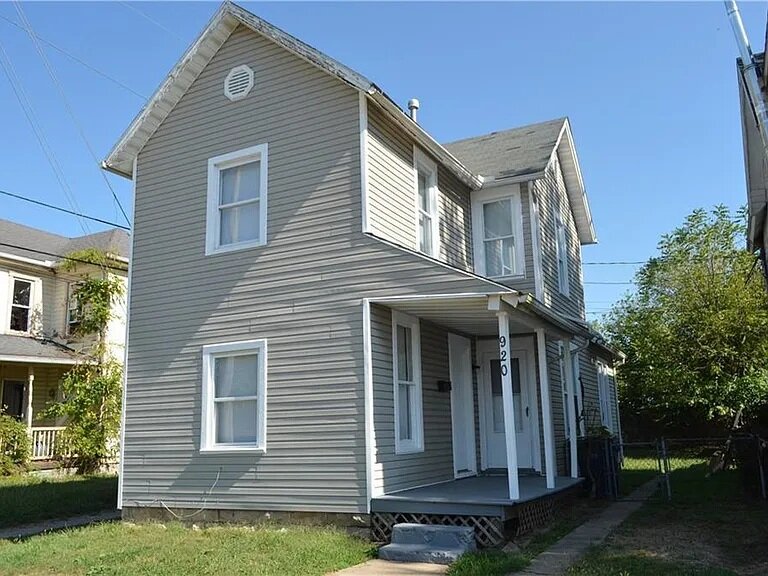
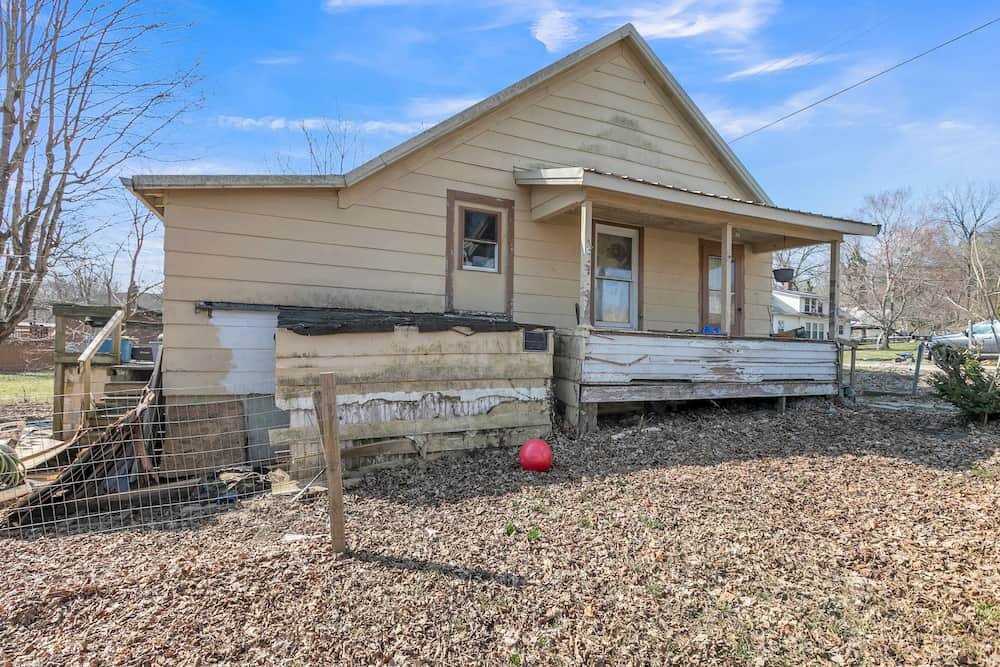
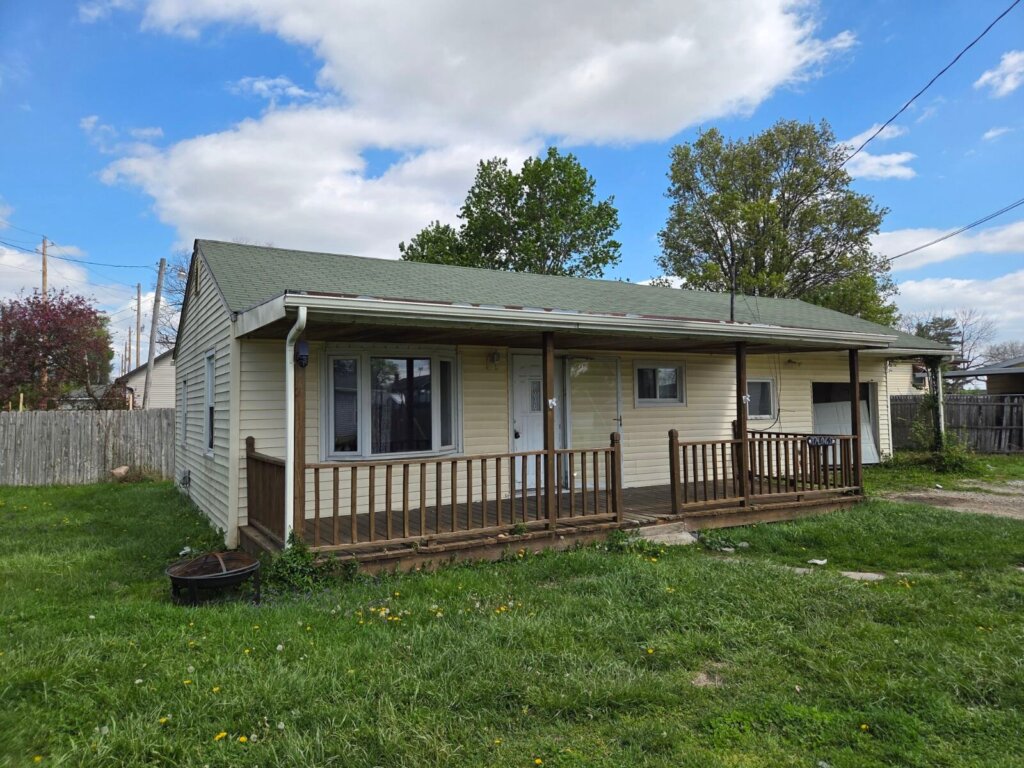
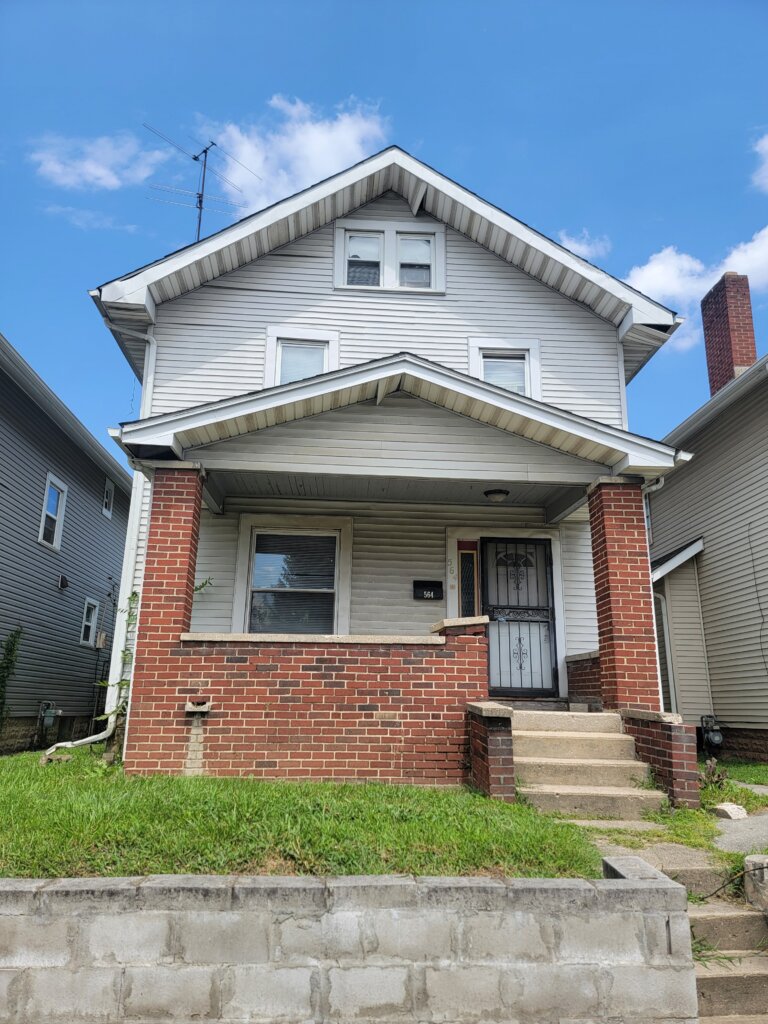
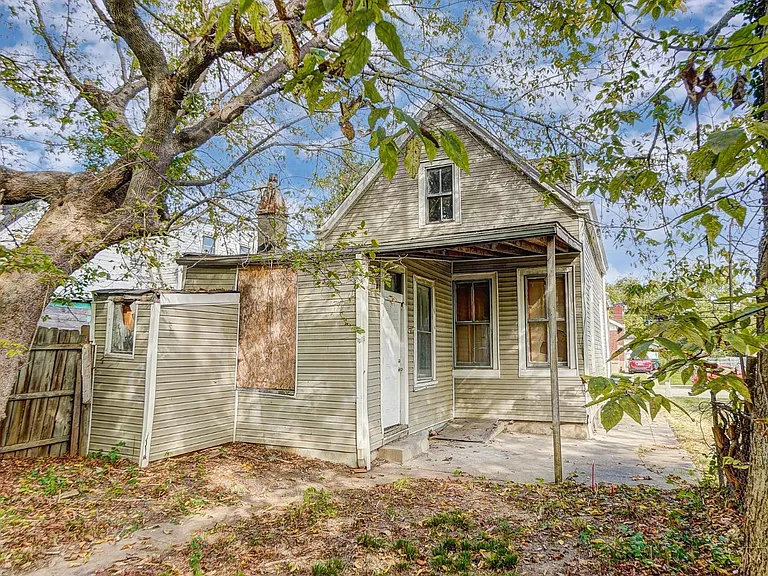
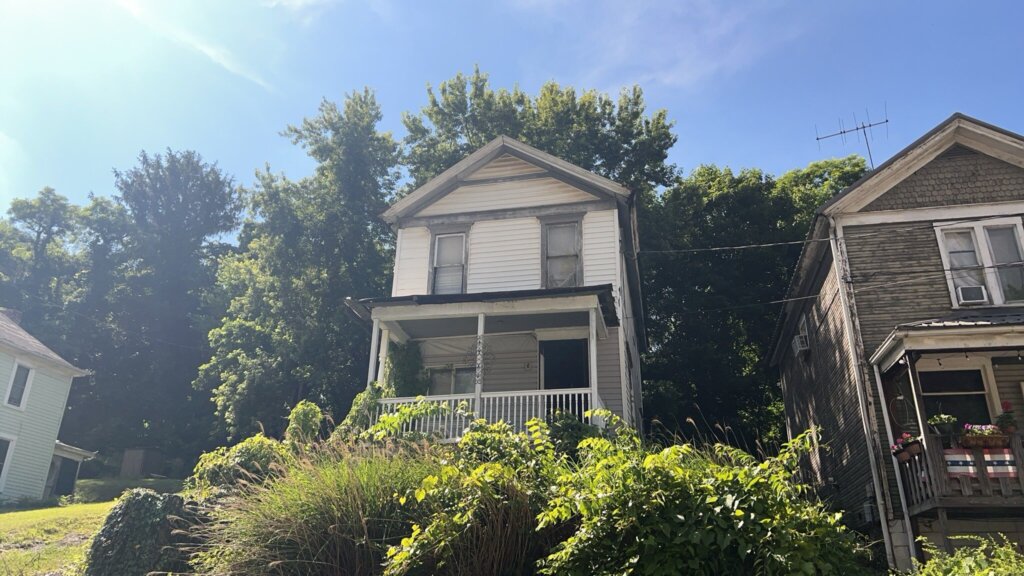
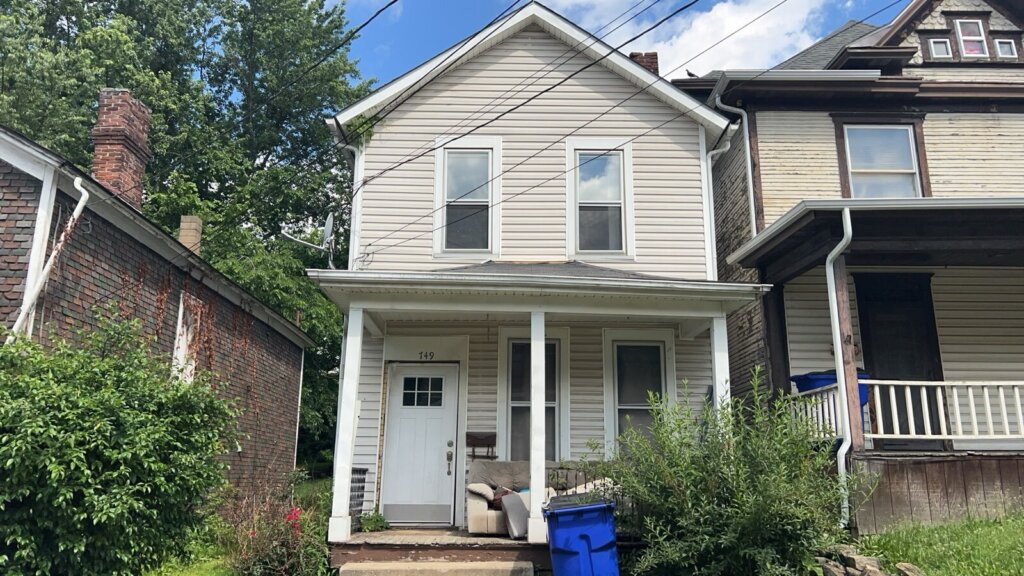
    Inherited residential house illustrating how Columbus Ohio homeowners can sell out-of-state property remotely
  • How To Sell Your House Fast In Delaware Ohio (Without Repairs Or Agents)

    Need To Sell Your House Fast In Delaware Ohio? You Have More Options Than You Might Think.

    Maybe you’re relocating for a new job.

    Perhaps you inherited a house that you don’t want to maintain.

    You might own a rental property that’s become more trouble than it’s worth.

    Or maybe your home needs expensive repairs, and you’d rather sell than spend thousands of dollars fixing everything.

    Whatever your circumstances, one thing is clear:

    You want to sell your house in Delaware, Ohio, without making the process more complicated than it needs to be.

    But where should you start?

    Do you need to hire a real estate agent?

    Should you make repairs before listing?

    Can you sell your house without cleaning everything out?

    How quickly can a cash buyer close?

    And how do you know whether a cash offer is actually a good deal?

    These are questions worth asking before making a major financial decision.

    At Sell House Columbus, we’ve been buying houses throughout Central Ohio since 2012. Our team evaluates properties in Delaware and surrounding Delaware County communities, including homes that need repairs, inherited properties, unwanted rentals, and houses with difficult ownership or financial circumstances.

    We’ve worked with homeowners facing many different situations, and one thing we’ve learned is that there isn’t a single selling method that’s best for everyone.

    Some homeowners should list their houses with a real estate agent.

    Others may benefit from making repairs before selling.

    And some homeowners would rather accept a lower price in exchange for a simpler transaction with fewer repairs, showings, and financing uncertainties.

    That’s where a direct cash sale may make sense.

    In this guide, we’ll explain how to sell your house fast in Delaware, Ohio, compare your available options, and show you what to consider before accepting an offer.

    🎥 Watch: We Buy Houses In Delaware Ohio

    Want to learn more about selling your house directly to a local cash buyer?

    Watch our video explaining how Sell House Columbus evaluates houses in Delaware, Ohio, and how homeowners can request a no-obligation cash offer.

    We Buy Houses Delaware Ohio | Sell Your House Fast for Cash

    What Is The Fastest Way To Sell A House In Delaware Ohio?

    There are several ways to sell a house in Delaware.

    The fastest realistic option depends on your property’s condition, ownership, title, asking price, and available buyers.

    Option 1: List With A Real Estate Agent

    A traditional listing exposes your house to buyers searching through the local real estate market.

    This can be a good choice if your home is in reasonably good condition and you’re comfortable with the listing process.

    You may need to prepare the property, arrange showings, negotiate inspections, and wait for the buyer’s financing.

    A traditional listing may produce a higher sale price than a direct investor offer.

    However, the final outcome depends on selling expenses, repairs, negotiations, and the actual closing.

    Option 2: Sell The House Yourself

    You can attempt to sell your house without hiring a listing agent.

    This is commonly called For Sale By Owner, or FSBO.

    You would be responsible for marketing the property, communicating with buyers, evaluating offers, and coordinating the transaction.

    This approach may reduce brokerage expenses, but it requires additional work and knowledge.

    A buyer may still use an agent, and the parties must agree on any applicable compensation.

    Option 3: Sell Directly To A Cash Home Buyer

    Some investors purchase houses directly from homeowners.

    A direct cash purchase may avoid certain steps associated with traditional buyer financing.

    Depending on the agreement, the buyer may also accept the property in its existing condition.

    However, a cash offer isn’t automatically the best financial choice.

    Investors generally account for renovation expenses, holding costs, resale costs, and risk when determining their purchase price.

    The right decision depends on how much money you’ll receive, how much work you’re willing to do, and how quickly you need to sell.

    How Does Selling Your House For Cash Work In Delaware Ohio?

    A legitimate direct purchase should have a clear process.

    At Sell House Columbus, our process generally involves five steps.

    Step 1: Tell Us About Your House

    Visit https://sellhousecolumbus.com or call or text 614-300-5151.

    We’ll ask for basic information about the property.

    That may include:

    • Property address.
    • Number of bedrooms and bathrooms.
    • General condition.
    • Known repair issues.
    • Occupancy status.
    • Your preferred selling timeline.
    • Any unusual ownership or title circumstances.

    You don’t need to renovate the house before contacting us.

    Step 2: We Evaluate The Property

    We review the property’s location, condition, and comparable sales.

    We also consider the work that may be required after purchase.

    Depending on the situation, we may arrange a walkthrough to better understand the property.

    Step 3: Receive A Cash Offer

    If the property fits our buying criteria, we’ll explain the proposed purchase price and terms.

    You can compare the offer with your other selling options.

    There’s no obligation to accept.

    Step 4: Coordinate With A Title Company

    If you decide to proceed, the transaction moves toward closing.

    The title company reviews ownership and relevant title matters, coordinates mortgage payoffs and other requirements, and prepares closing documents.

    Step 5: Close And Receive Your Proceeds

    Once all necessary requirements are satisfied, the transaction can close.

    We can often work toward closing in approximately two weeks when title and other circumstances allow.

    However, that isn’t a guaranteed timeline.

    Probate, liens, ownership disputes, foreclosure proceedings, or other complications can require additional time.

    Why Homeowners In Delaware Ohio Choose To Sell Directly

    There are many reasons someone might prefer a direct sale.

    Some involve financial pressure.

    Others involve convenience, timing, or property condition.

    Here are several common situations.

    1. Selling A House That Needs Major Repairs

    Maybe your roof needs replacement.

    Perhaps the foundation has problems.

    Or the property has outdated plumbing, electrical systems, or heating equipment.

    Repairs can become expensive quickly.

    Before investing thousands of dollars, compare the likely cost of renovations with the additional net proceeds you might receive from selling afterward.

    Can You Sell Without Making Repairs?

    Potentially.

    Some investors purchase houses that need significant work.

    At Sell House Columbus, we evaluate properties with a wide range of repair needs.

    That doesn’t mean every property qualifies or that repairs have no effect on the price.

    We consider the anticipated costs when evaluating an offer.

    Related guide: Selling a house with major repairs in Delaware Ohio

    2. Selling An Inherited House In Delaware Ohio

    Inheriting a house can create unexpected responsibilities.

    Maybe a parent lived in the property for decades.

    Perhaps you and your siblings inherited it together.

    Or you live outside Ohio and don’t want to manage the house from a distance.

    You may be dealing with:

    • Probate or trust administration.
    • Mortgage payments.
    • Property taxes.
    • Insurance.
    • Repairs.
    • Furniture and personal belongings.
    • Multiple heirs.

    Can You Sell An Inherited House Quickly?

    Potentially.

    However, the necessary ownership and legal authority must be established.

    Some inherited properties can be sold without extensive complications.

    Others require probate proceedings or additional title work.

    If you’re unsure who has authority to sell, consult an Ohio probate attorney.

    Related guide: Inherited a house in Delaware Ohio? Here’s what to do next

    3. Selling A Rental Property With Tenants

    Owning rental property can be a good investment.

    But it isn’t always easy.

    Maybe your tenants stopped paying rent.

    Perhaps the house needs expensive repairs.

    Or you’re tired of managing maintenance and vacancies.

    Can You Sell A House With Tenants Still Living There?

    Potentially.

    However, existing leases and applicable tenant rights must be respected.

    A buyer doesn’t automatically eliminate the tenants’ legal rights by purchasing the property.

    At Sell House Columbus, we evaluate tenant-occupied properties, but the specific circumstances matter.

    Related guide: How to sell a rental property with tenants in Delaware Ohio

    4. Selling A House During Divorce

    Divorce can make real estate decisions more complicated.

    Maybe both spouses own the property.

    Perhaps one person wants to keep the house while the other wants to sell.

    Or neither spouse can comfortably afford the mortgage alone.

    A direct sale may be one option, but both parties’ ownership rights and any court orders must be addressed.

    Consult your attorney before transferring property during divorce proceedings.

    Related guide: How to sell your house during divorce in Delaware Ohio

    5. Selling A House With Missed Mortgage Payments

    Financial difficulties can happen unexpectedly.

    A job loss, medical expense, divorce, or other hardship may make mortgage payments difficult.

    If you’re behind on payments, contact your mortgage servicer promptly.

    Ask about available assistance.

    Selling may be an option if you have sufficient equity and no longer want to keep the property.

    However, a purchase agreement doesn’t automatically stop foreclosure.

    Related guide: Behind on mortgage payments in Delaware Ohio? Here’s what to do

    6. Selling A Vacant House

    Maybe you’ve already moved out.

    Perhaps the property was inherited.

    Or your tenants left and you don’t want to rent it again.

    Even when nobody lives in a house, expenses can continue.

    These may include:

    • Mortgage payments.
    • Property taxes.
    • Insurance.
    • Utilities.
    • Lawn maintenance.
    • Repairs.
    • Security.

    An empty property may also require appropriate vacancy-related insurance coverage.

    Related guide: How to sell a vacant house in Delaware Ohio

    7. Selling A House Full Of Belongings

    Some houses contain decades of accumulated possessions.

    Maybe you’re helping a parent move.

    Perhaps you inherited the property.

    Or you simply don’t want to spend months sorting, cleaning, and removing everything.

    Some buyers may agree to accept specified belongings remaining after closing.

    However, the arrangement must be clearly documented in the purchase agreement.

    Related guide: How to sell a hoarder house in Delaware Ohio

    Do You Have To Fix Your House Before Selling In Delaware Ohio?

    Not necessarily.

    But whether you should make repairs depends on the numbers.

    Let’s look at a hypothetical example.

    Imagine you own a three-bedroom house in Delaware.

    The property needs:

    RepairEstimated Cost
    Roof replacement$12,000
    Flooring$6,000
    Kitchen updates$10,000
    Bathroom repairs$5,000
    Painting and miscellaneous work$4,000
    Total estimated repairs$37,000

    These are illustrative amounts, not contractor quotes.

    You now have a decision.

    You could invest $37,000 and attempt to sell the renovated house for a higher price.

    Or you could compare the potential net proceeds from an as-is sale.

    What Should You Consider?

    Ask yourself:

    • Can I afford the repairs?
    • Do I want to manage contractors?
    • How long will the work take?
    • Could additional problems be discovered?
    • How much will the renovated house realistically sell for?
    • What will I pay in carrying and selling expenses?
    • How much could I receive by selling as-is?

    A higher sale price doesn’t always produce higher net proceeds.

    But an as-is cash offer isn’t automatically better either.

    Related guide: Sell your house as-is in Delaware Ohio

    How Much Will A Cash Buyer Pay For My House In Delaware Ohio?

    There’s no universal percentage of market value that every investor pays.

    A cash offer depends on several factors.

    Property Location

    Location matters.

    Homes in different Delaware neighborhoods and surrounding communities can have different values.

    Comparable Sales

    Buyers consider what similar properties have sold for.

    However, comparable properties should be evaluated carefully.

    A renovated house and a property needing major repairs may not have the same current value.

    Condition

    Repair costs can substantially affect an investor’s offer.

    Expected Value After Repairs

    Investors often estimate the property’s potential resale value after renovation.

    This is commonly called after-repair value, or ARV.

    Holding And Transaction Costs

    Investors may account for taxes, insurance, utilities, financing, closing expenses, and resale costs.

    Risk

    Unexpected repairs, market changes, and project delays can affect the investment.

    Example: How An Investor Might Evaluate A Property

    Imagine a house could potentially sell for $250,000 after renovations.

    An investor estimates:

    • Renovation costs: $40,000.
    • Holding and financing expenses: $10,000.
    • Future selling and transaction expenses: $15,000.
    • Required profit and risk allowance: $25,000.

    That leaves an illustrative purchase price of approximately $160,000.

    This is only a simplified example, not a formula that determines every cash offer.

    Actual offers vary by property and buyer.

    Is Selling For Cash Better Than Listing With A Realtor?

    Not necessarily.

    Both approaches have advantages and disadvantages.

    FactorTraditional ListingDirect Cash Sale
    Potential sale priceOften higherOften lower
    RepairsMay improve saleabilitySome buyers accept as-is
    ShowingsUsually requiredMay require fewer visits
    Buyer financingMay be involvedNo traditional mortgage financing if truly cash-funded
    MarketingUsually requiredTypically unnecessary
    Closing timelineDepends on buyer and transactionMay be shorter
    CommissionsNegotiated if agents involvedMay be none if no agents involved
    Closing costsVaryVary by agreement
    Best fitSellers prioritizing market exposureSellers prioritizing convenience and fewer preparations

    Compare Net Proceeds, Not Just Sale Price

    Here’s a hypothetical comparison.

    ItemTraditional ListingDirect Cash Sale
    Sale price$250,000$215,000
    Repairs-$15,000$0
    Selling expenses-$15,000-$3,000
    Carrying costs-$5,000-$1,000
    Estimated proceeds before debts and taxes$215,000$211,000

    These figures are hypothetical.

    In this example, the traditional listing produces approximately $4,000 more before debts and taxes.

    However, it also requires repairs, time, and coordination.

    For another property, the financial difference could be much larger.

    The best choice depends on actual offers and realistic costs.

    What Makes Delaware Ohio Different From Other Central Ohio Markets?

    Delaware is both a city and the county seat of Delaware County.

    It sits north of Columbus and includes established residential neighborhoods, newer housing, and properties with different ages, sizes, and conditions.

    That variety matters when evaluating real estate.

    A newer house in good condition may attract traditional buyers without requiring much preparation.

    An older property with deferred maintenance may appeal to a different group of buyers.

    And an inherited or vacant house may involve considerations beyond its physical condition.

    Why Local Comparable Sales Matter

    A property should be evaluated using relevant comparable sales rather than assuming every house in Delaware has the same value per square foot.

    Location, age, layout, condition, lot size, and other factors matter.

    How Can You Research Your Property?

    The Delaware County Auditor provides an official property search where owners can review parcel and valuation information.

    Visit:
    https://auditor.co.delaware.oh.us/real-estate-data-property-search/

    You can search by address, owner, or parcel number.

    However, a county auditor’s valuation isn’t necessarily the price your property would sell for today.

    For a more complete picture, compare recent sales and obtain an appropriate market analysis or appraisal when needed.

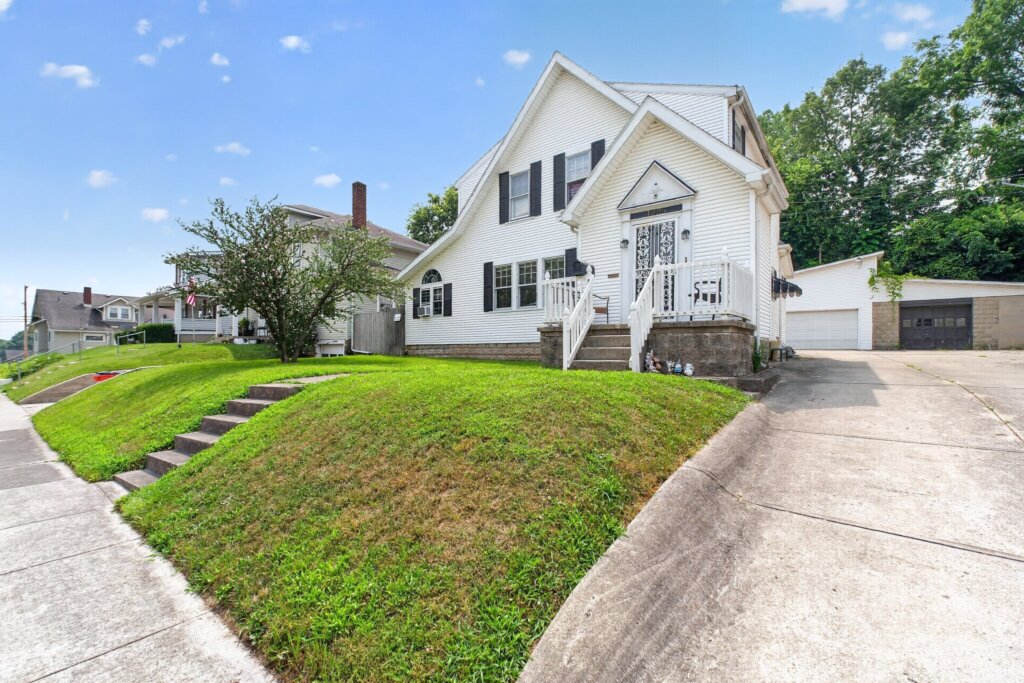
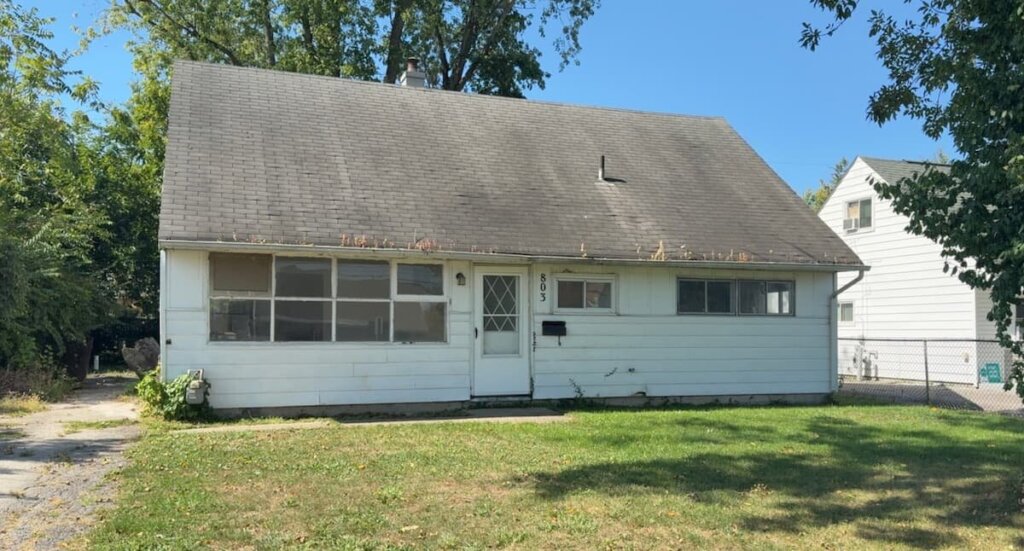
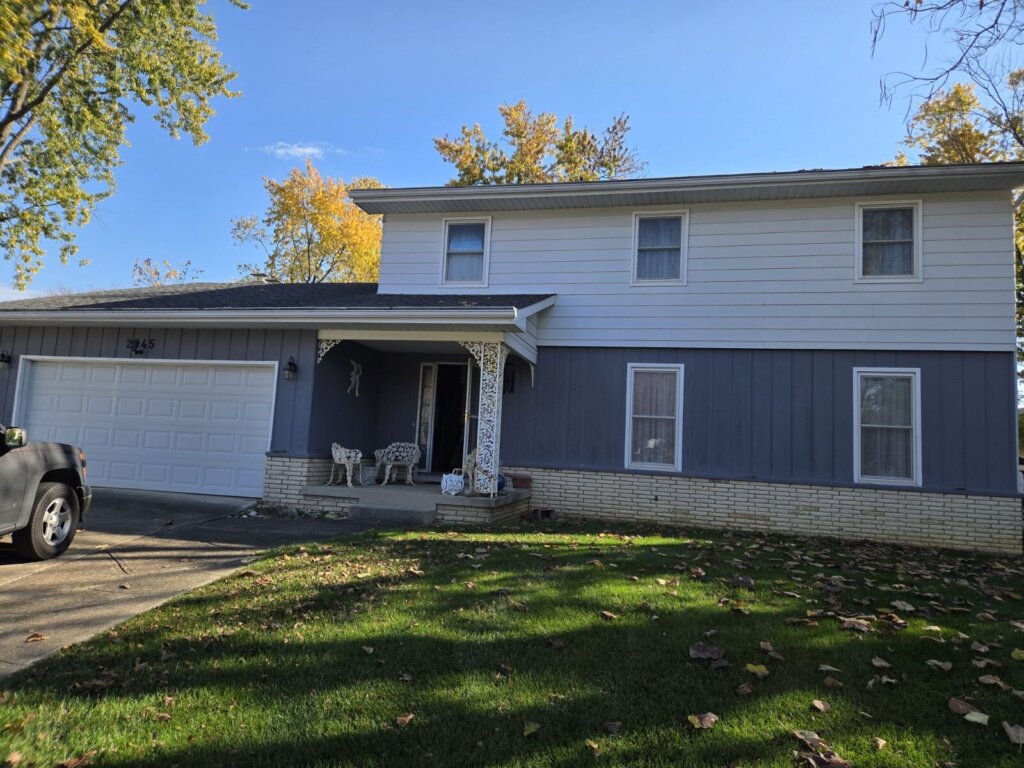
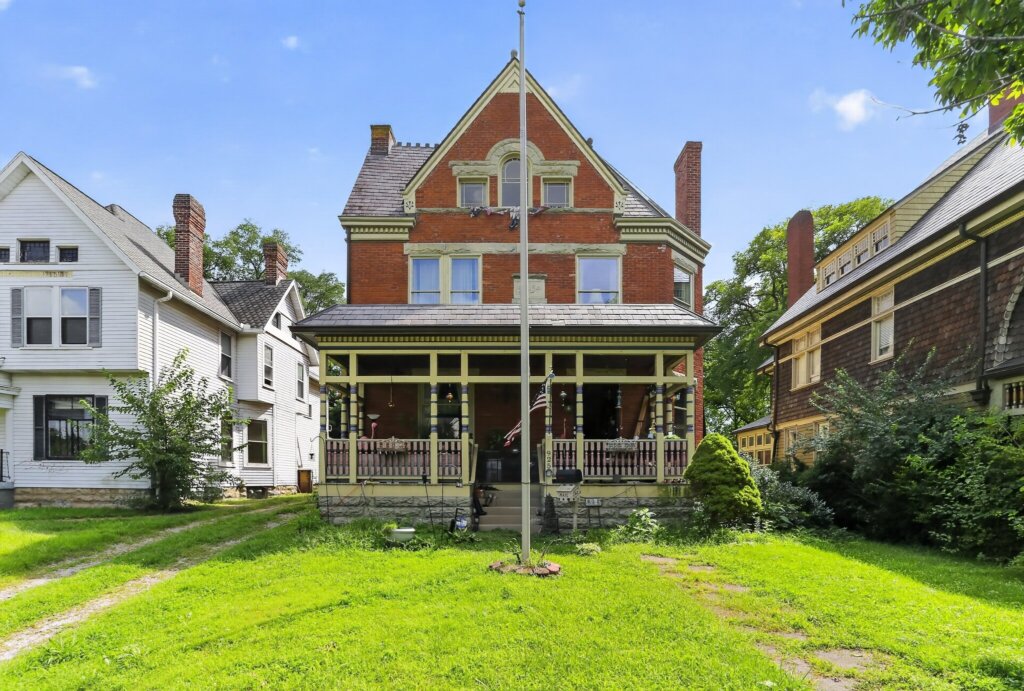
    Single-family home in Delaware Ohio where homeowners can explore selling fast for cash without major repairs

    Can You Sell A House In Delaware Ohio Without A Realtor?

    Yes.

    Ohio homeowners can generally sell their own property without hiring a listing agent.

    However, selling without an agent doesn’t eliminate the need to understand the transaction.

    You’ll still need to address:

    • Purchase agreement terms.
    • Ownership.
    • Title.
    • Mortgage payoffs.
    • Liens.
    • Property disclosures.
    • Closing expenses.
    • Deed preparation and recording.
    • Any applicable legal requirements.

    What If You Don’t Know How To Handle The Paperwork?

    A title company can coordinate many closing-related tasks.

    An Ohio real estate attorney can advise you about your legal rights and obligations.

    Do You Still Need To Pay Closing Costs?

    Possibly.

    Closing expenses depend on the contract and transaction.

    Don’t assume that avoiding a listing agent eliminates every selling expense.

    How Do You Know If A Cash Home Buyer Is Legitimate?

    This is an important question.

    Not every person advertising cash offers has the same experience, funding, or business practices.

    Before signing anything, consider the following.

    Does The Company Have A Real Website?

    Look for clear company information and a way to contact the buyer.

    Does The Company Have Local Experience?

    Ask how long they’ve operated in the area and whether they can explain their process.

    Can You Find Real Seller Reviews?

    Look for detailed reviews and video testimonials.

    Does The Buyer Explain The Contract?

    You should understand the purchase price, contingencies, closing date, and any assignment provisions.

    Does The Buyer Use A Title Company?

    Ask how title, mortgage payoffs, and closing funds will be handled.

    Can The Buyer Demonstrate Funding?

    If timing is important, ask about proof of funds and whether financing contingencies exist.

    Does The Buyer Pressure You?

    Be cautious about anyone who refuses to give you time to review an agreement or discourages independent legal advice.

    Why Sell House Columbus Emphasizes Professional Closings

    At Sell House Columbus, we’ve been buying houses throughout Central Ohio since 2012.

    Our company emphasizes professional title-company closings and clear transaction documentation.

    We also share seller video testimonials so prospective sellers can hear directly from people who have worked with us.

    You can learn more about our company and contact us through: https://sellhousecolumbus.com

    We encourage homeowners to compare their options and understand the agreement before signing.

    Do You Have To Disclose Problems When Selling A House As-Is In Ohio?

    Ohio generally requires sellers of covered residential real estate to provide a residential property disclosure form, subject to statutory exceptions.

    Selling a house as-is doesn’t automatically eliminate applicable disclosure obligations.

    Ohio Revised Code Section 5302.30 addresses these requirements:

    https://codes.ohio.gov/ohio-revised-code/section-5302.30

    The Ohio Department of Commerce also provides the official disclosure form:

    https://com.ohio.gov/divisions-and-programs/real-estate-and-professional-licensing/salespersons-and-brokers/transaction-forms-and-disclosures/residential-property-disclosure-form

    What If You Know About A Roof Leak?

    Don’t conceal or misrepresent known defects.

    What If You Inherited The House?

    Certain transfers may qualify for statutory exemptions.

    However, an exemption depends on the specific circumstances.

    What If The House Was Built Before 1978?

    Federal lead-based paint disclosure requirements may apply, subject to exceptions.

    You can review information from the U.S. Environmental Protection Agency:

    https://www.epa.gov/lead/real-estate-disclosures-about-potential-lead-hazards

    If you’re uncertain about disclosure requirements, consult an Ohio real estate attorney.

    Can You Sell Your House Fast If You Still Have A Mortgage?

    Potentially.

    A mortgage doesn’t automatically prevent you from selling.

    In a typical sale, the title company obtains payoff information and coordinates payment of the mortgage from closing proceeds.

    Example

    Imagine:

    • Sale price: $220,000.
    • Mortgage payoff: $135,000.
    • Other liens: $5,000.
    • Illustrative selling expenses: $4,000.

    That would leave approximately $76,000 before other obligations and taxes.

    Actual proceeds depend on the final payoff, title review, and closing statement.

    What If You Owe More Than The House Is Worth?

    A lender-approved short sale may be an option.

    However, approval isn’t guaranteed, and legal or tax consequences may need to be considered.

    What If Your House Is Already In Foreclosure?

    You may still have options, but legal deadlines matter.

    Ohio generally uses a judicial foreclosure process.

    A lender typically must pursue the necessary court proceedings before a foreclosure sale.

    If you’ve received a foreclosure complaint, consult an Ohio foreclosure attorney promptly.

    A signed purchase agreement doesn’t automatically stop foreclosure or cancel a sheriff sale.

    Related guide: Facing foreclosure in Delaware Ohio? Understand your options

    Related guide: How to avoid sheriff sale in Delaware Ohio

    How Long Does It Take To Sell A House In Delaware Ohio?

    There isn’t one universal timeline.

    Traditional Listing

    The timeline depends on property preparation, market conditions, buyer demand, financing, and closing requirements.

    For Sale By Owner

    The timeline depends on your ability to find a qualified buyer and coordinate the transaction.

    Direct Cash Sale

    A direct cash sale may eliminate some financing-related steps.

    At Sell House Columbus, we can often work toward closing in approximately two weeks when title and other requirements allow.

    However, complicated title matters, liens, probate, foreclosure proceedings, or other issues can delay closing.

    No legitimate buyer should promise that every house can close on the same timeline regardless of circumstances.

    What Should You Do Before Accepting A Cash Offer?

    Here are practical steps to protect your interests.

    1. Understand Your Property’s Value

    Review comparable sales and consider obtaining a market analysis or appraisal.

    2. Request Your Mortgage Payoff

    Know how much must be paid at closing.

    3. Identify Other Liens

    Outstanding taxes, judgments, or other liens may affect your proceeds.

    4. Compare Selling Options

    Consider whether listing traditionally could produce a better net result.

    5. Review The Purchase Agreement

    Understand contingencies, deadlines, deposits, assignment provisions, and closing costs.

    6. Verify The Buyer

    Look for credible reviews, experience, and evidence of funding.

    7. Understand The Closing Process

    Know which title company will handle the transaction.

    8. Ask Questions

    Don’t sign documents you don’t understand.

    9. Consider Independent Legal Advice

    An attorney can help review unusual or complicated arrangements.

    10. Choose The Option That Fits Your Goals

    The highest price, fastest timeline, and least amount of work don’t always come from the same offer.

    How Sell House Columbus Helps Delaware Ohio Homeowners

    At Sell House Columbus, we’ve been buying houses throughout Central Ohio since 2012.

    We work with homeowners facing a variety of situations.

    Some want to sell because their house needs major repairs.

    Others inherited a property they don’t want to maintain.

    Some are tired of owning rentals.

    And others simply want to sell without going through a traditional listing process.

    Our approach is straightforward.

    We evaluate the property.

    If it fits our buying criteria, we explain a cash offer.

    You decide whether it makes sense.

    If you accept, we coordinate the transaction through a title company.

    And we work toward closing according to the agreed timeline and applicable requirements.

    What If Your House Is In Good Condition?

    You may receive a better financial outcome through a traditional listing.

    That’s worth considering.

    What If Your House Needs Repairs?

    We can evaluate the property in its existing condition.

    What If You Have An Unusual Situation?

    Tell us about it.

    We can explain whether a direct purchase may be possible.

    What If You’re Just Comparing Options?

    That’s fine too.

    Our offers are no-obligation.

    Frequently Asked Questions About Selling A House Fast In Delaware Ohio

    Can I sell my house fast in Delaware Ohio?

    Potentially. A direct cash sale may reduce some steps associated with traditional listings, but timing depends on the transaction.

    Do I have to make repairs before selling?

    Not necessarily. Some investors purchase properties in their existing condition.

    Can I sell without a real estate agent?

    Yes. Homeowners can generally sell directly to a buyer without hiring a listing agent.

    Will a cash buyer pay full market value?

    Not necessarily. Investor offers often account for repairs, transaction costs, holding expenses, and risk.

    Can I sell an inherited house in Delaware Ohio?

    Potentially. Probate, trust, and ownership requirements may apply.

    Can I sell a rental property with tenants?

    Potentially. Existing leases and tenant rights must be respected.

    Can I sell a house with foundation problems?

    Potentially. Some investors evaluate properties with structural concerns.

    Can I sell a vacant house?

    Yes, potentially. Vacancy doesn’t automatically prevent a sale.

    Can I sell a house without cleaning everything out?

    Potentially. Some buyers may agree to accept specified belongings remaining after closing.

    Can I sell my house if I’m behind on mortgage payments?

    Potentially. Mortgage payoffs and any foreclosure-related deadlines must be addressed.

    Can I sell my house during foreclosure?

    Potentially. Legal proceedings and deadlines may affect the transaction.

    Does selling as-is eliminate Ohio disclosure requirements?

    Not automatically. Applicable disclosure obligations may still apply.

    How do I know if a cash buyer is legitimate?

    Review the company’s history, testimonials, contract terms, funding, and closing procedures.

    How quickly can Sell House Columbus close?

    We can often work toward closing in approximately two weeks when title and other requirements allow.

    Is there a fee to receive a cash offer?

    No. Our cash offers are no-obligation.

    Should I get more than one offer?

    Comparing multiple options can help you understand the potential financial differences and choose what works best for you.

    Ready To Sell Your House Fast In Delaware Ohio? Let’s Talk About Your Options.

    Selling a house doesn’t have to mean months of repairs, cleaning, showings, and uncertainty.

    Maybe you’re relocating.

    Perhaps you inherited a property.

    You might be tired of maintaining a rental.

    Or maybe your house needs repairs that you don’t want to complete.

    Whatever your situation, it’s worth understanding your options.

    A traditional listing may produce the highest net proceeds.

    Selling the house yourself may be another possibility.

    And a direct cash sale may be worth considering if convenience, condition, or timing are important.

    At Sell House Columbus, we’ve been buying houses throughout Central Ohio since 2012.

    We evaluate properties in Delaware and surrounding Delaware County communities.

    We believe homeowners should understand the process, compare their options, and make informed decisions.

    If your property fits our buying criteria, we’d be happy to explain a no-obligation cash offer.

    There’s no pressure to accept.

    Call or text 614-300-5151.

    Visit https://sellhousecolumbus.com and fill out the form to request your cash offer.

    If you’ve been searching for a local company that buys houses in Delaware Ohio, we’d welcome the opportunity to learn about your property.

    Sell House Columbus | Local Central Ohio Cash Home Buyers Since 2012

    Your house. Your timeline. Your decision.

    Why This Notary Trusts Sell House Columbus | We Buy Houses Columbus Ohio
  • Facing Foreclosure In Delaware Ohio? How To Protect Your Home And Understand Your Options

    Facing Foreclosure In Delaware Ohio? You May Still Have Options, But Don’t Wait To Take Action.

    Getting a foreclosure notice can be one of the most stressful experiences a homeowner faces.

    Maybe you lost your job and fell behind on mortgage payments.

    Perhaps unexpected medical expenses made it impossible to keep up with your bills.

    You might be going through a divorce, dealing with a death in the family, or struggling to maintain a property that needs expensive repairs.

    Whatever brought you here, you’re probably worried about what happens next.

    Will the bank take my house?

    How long does foreclosure take in Delaware, Ohio?

    Can I stop foreclosure after receiving court papers?

    Can I sell my house before the sheriff sale?

    What happens to the equity I’ve built in my property?

    And is there anything I can do to protect my family and financial future?

    These are important questions, and the answers depend on your individual circumstances.

    The good news is that receiving a foreclosure notice doesn’t automatically mean you’ve lost your house.

    Ohio has a judicial foreclosure process, and homeowners may have options to pursue mortgage assistance, challenge legal claims, negotiate a resolution, or sell their property before foreclosure is completed.

    However, these options have deadlines, and none guarantees a particular outcome.

    If you’ve received a foreclosure complaint, contact an Ohio foreclosure attorney immediately. In a typical Ohio foreclosure case, you generally have 28 days after service to file an answer, although your actual deadline must be verified.

    At Sell House Columbus, we’ve been buying houses throughout Central Ohio since 2012.

    We evaluate properties in Delaware and surrounding Delaware County communities, including homes with mortgage delinquencies, major repairs, inherited ownership, and foreclosure-related complications.

    We’ve seen how financial pressure and property problems can make selling decisions more difficult.

    We also recognize that selling your house isn’t necessarily the right solution.

    If you want to keep your home and can realistically afford it, mortgage assistance or legal options may be worth pursuing first.

    We’re not attorneys, mortgage servicers, or foreclosure counselors, and we cannot guarantee that a foreclosure or sheriff sale can be stopped.

    But if you’ve decided that selling may be the best option, we can explain whether a direct cash purchase could help you resolve the property situation.

    This guide explains the Ohio foreclosure process, important Delaware County resources, possible alternatives, and what to consider before making a decision.

    🎥 Watch: Facing Foreclosure In Ohio? Understand Your Options

    If you’re behind on mortgage payments or have received foreclosure notices, watch our video about foreclosure and why acting early matters.

    Facing Foreclosure in Delaware Ohio? Sell Your House Fast

    What Does Foreclosure Mean In Delaware Ohio?

    Foreclosure is a legal process used to enforce a lender’s rights against property securing a debt.

    When a homeowner fails to make required mortgage payments, the lender may eventually seek to foreclose on the property.

    Ohio generally uses judicial foreclosure.

    That means a mortgage lender ordinarily must pursue a court action and obtain the necessary legal relief before the property can be sold through foreclosure.

    For a property located in the city of Delaware, a mortgage foreclosure case generally proceeds through the Delaware County Court of Common Pleas.

    Does Missing One Mortgage Payment Mean You’re In Foreclosure?

    No.

    Missing a payment generally means the mortgage is delinquent.

    A foreclosure lawsuit is a separate legal step.

    Does Receiving A Foreclosure Complaint Mean You’ve Lost The House?

    No.

    A complaint means legal proceedings have been filed.

    You may still have rights, defenses, and options.

    However, you must take court deadlines seriously.

    Can A Homeowner Sell A House During Foreclosure?

    Potentially.

    The ability to sell depends on the stage of the case, mortgage payoff, other liens, ownership, and applicable legal requirements.

    A signed purchase agreement does not automatically stop foreclosure.

    How Does The Foreclosure Process Work In Delaware County Ohio?

    The process can vary depending on the mortgage, lender, court proceedings, and legal circumstances.

    Here’s a general overview.

    Step 1: Mortgage Payments Become Delinquent

    The homeowner misses one or more required payments.

    The mortgage servicer may contact the borrower about the overdue amount and possible assistance.

    For many covered residential mortgage loans, federal servicing rules generally restrict the first foreclosure filing until the borrower is more than 120 days delinquent, subject to exceptions.

    That doesn’t mean foreclosure automatically begins on day 121.

    Step 2: The Lender Files A Foreclosure Complaint

    If the delinquency remains unresolved, the lender may file a lawsuit.

    The complaint generally identifies the debt, alleged default, and relief requested.

    The homeowner and other necessary parties must be served according to applicable procedures.

    Step 3: The Homeowner Has A Deadline To Respond

    In a typical Ohio foreclosure case, the homeowner generally has 28 days after service to file an answer.

    Certain procedural circumstances may affect the deadline.

    Don’t ignore the complaint, even if you’re negotiating with the lender.

    If you fail to respond, the lender may seek a default judgment.

    Step 4: The Court Considers The Foreclosure Case

    The court may consider pleadings, motions, evidence, defenses, and other proceedings.

    If the lender establishes its entitlement to foreclosure, the court may enter judgment.

    Step 5: The Property May Be Ordered Sold

    Following the necessary court proceedings, the property may be appraised and scheduled for foreclosure sale.

    Step 6: The Foreclosure Auction Takes Place

    The property may be offered through the authorized sheriff sale process.

    Step 7: The Court Considers Confirmation Of Sale

    After the auction, the court may confirm the sale if applicable legal requirements have been satisfied.

    Step 8: Title And Possession Issues Are Resolved

    Following confirmation and the necessary procedures, title and possession may transfer.

    The homeowner’s rights can change significantly during these stages.

    That’s why early legal advice is important.

    Official resource: Ohio Legal Help: Foreclosure Timeline.

    How Long Does Foreclosure Take In Delaware Ohio?

    There is no guaranteed timeline.

    Ohio Legal Help explains that foreclosure proceedings can take months and, depending on the case, may extend beyond a year.

    However, you should never assume you have a particular number of months remaining.

    Some cases move faster than others.

    What Affects The Timeline?

    Factors may include:

    • The lender’s actions.
    • Whether the homeowner responds.
    • Court scheduling.
    • Legal motions.
    • Settlement negotiations.
    • Loss mitigation activity.
    • Bankruptcy proceedings.
    • Auction scheduling.
    • Other case-specific circumstances.

    What If You Haven’t Received Court Papers Yet?

    You may still be in the pre-foreclosure stage.

    Contact your mortgage servicer immediately.

    What If You’ve Already Been Served?

    Your court response deadline is critical.

    What If The Sheriff Sale Is Already Scheduled?

    You may have very limited time.

    Contact an Ohio foreclosure attorney immediately and verify the auction status.

    Where Can You Check Foreclosure Information In Delaware County Ohio?

    If your property is in Delaware County, use official county records.

    Delaware County Court Records

    The Delaware County Clerk of Courts maintains records for cases filed in the appropriate courts.

    Start with the official county website: https://co.delaware.oh.us/

    Locate the Clerk of Courts and Court of Common Pleas resources.

    You may need:

    • Your name.
    • Property address.
    • Foreclosure case number.
    • Mortgage lender’s name.

    Delaware County Sheriff’s Office

    The Delaware County Sheriff’s Office provides information about sheriff sales.

    Official foreclosure sale information: https://sheriff.co.delaware.oh.us/sheriff-sales/

    According to the Sheriff’s Office, foreclosure auctions are conducted online through the authorized auction platform.

    The published schedule identifies Wednesday foreclosure sales, generally beginning at 10 a.m., but dates and procedures should always be verified.

    Online Foreclosure Auction Platform

    https://delaware.sheriffsaleauction.ohio.gov

    If you believe your house has been scheduled for sale, verify the current listing and court status.

    Don’t rely solely on old notices or third-party foreclosure websites.

    What Should You Do Immediately After Receiving Foreclosure Papers?

    Your first steps matter.

    1. Read Every Document

    Identify the court, case number, parties, and response deadline.

    2. Contact An Ohio Foreclosure Attorney

    An attorney can review the complaint and explain your legal options.

    3. Respond To The Lawsuit

    In a typical Ohio foreclosure case, the deadline to file an answer is generally 28 days after service.

    Ask your attorney to confirm the exact deadline and appropriate response.

    4. Contact Your Mortgage Servicer

    Ask for the current reinstatement amount, payoff amount, and available loss mitigation options.

    5. Consider HUD-Approved Housing Counseling

    A counselor may help you understand mortgage assistance programs.

    6. Review Your Finances

    Determine whether keeping the property is realistic.

    7. Estimate Your Home Equity

    If selling may be necessary, determine whether the property’s value exceeds the mortgage payoff and other obligations.

    8. Keep Written Records

    Save all notices, correspondence, applications, payoff statements, and court documents.

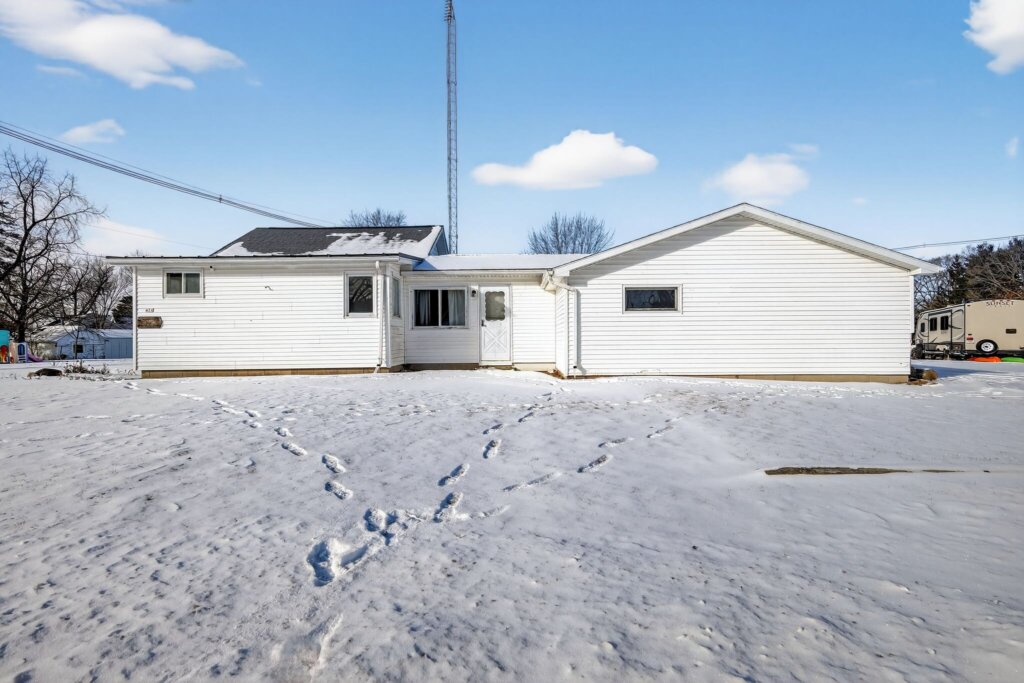
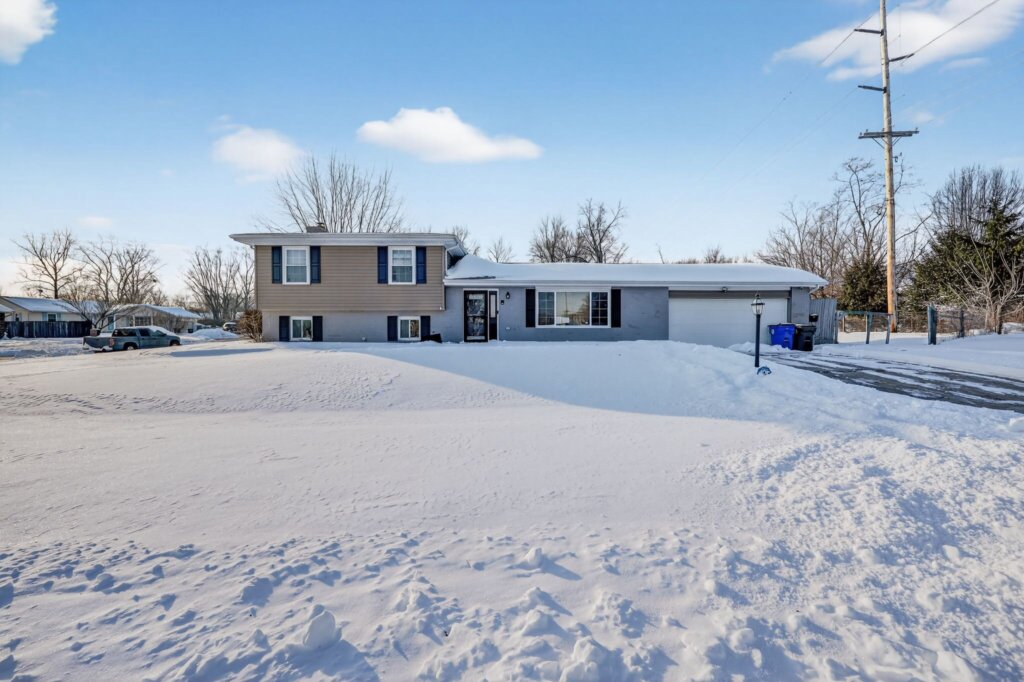
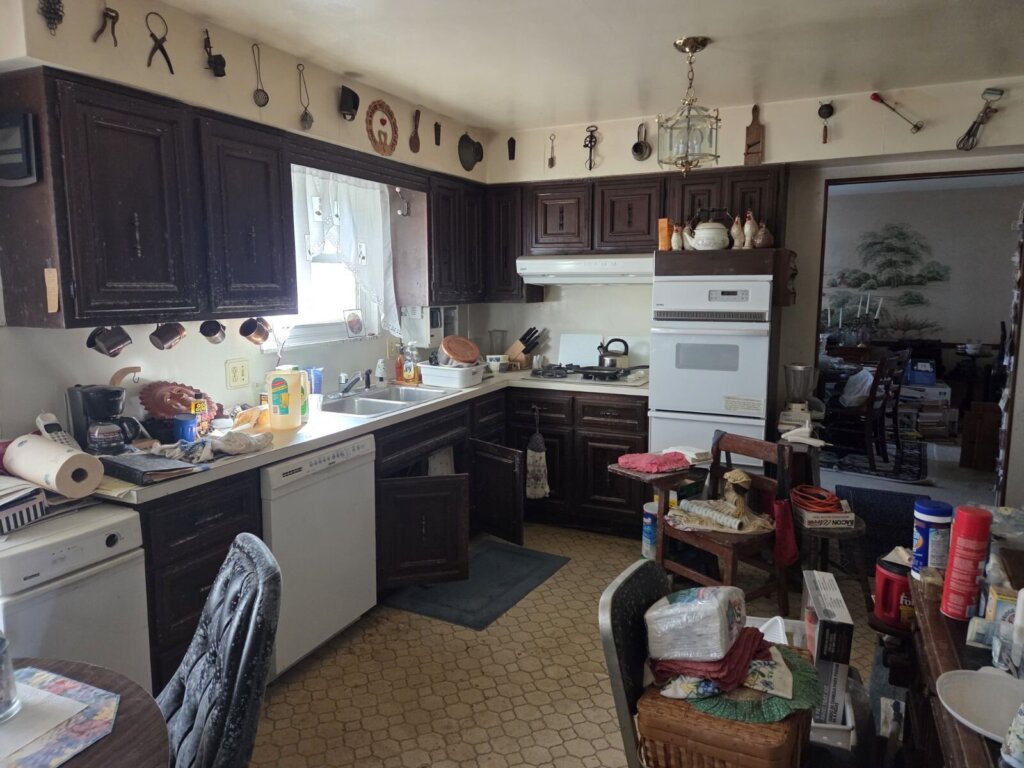
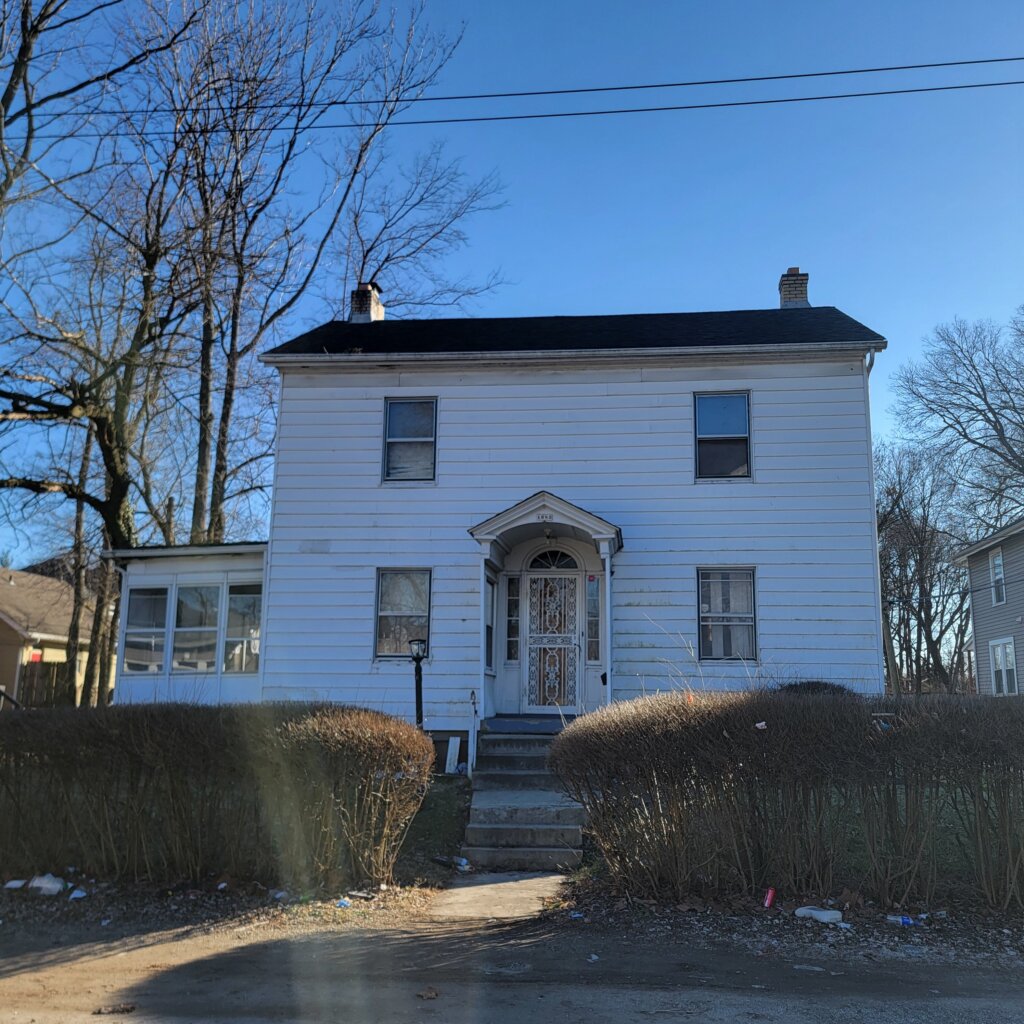
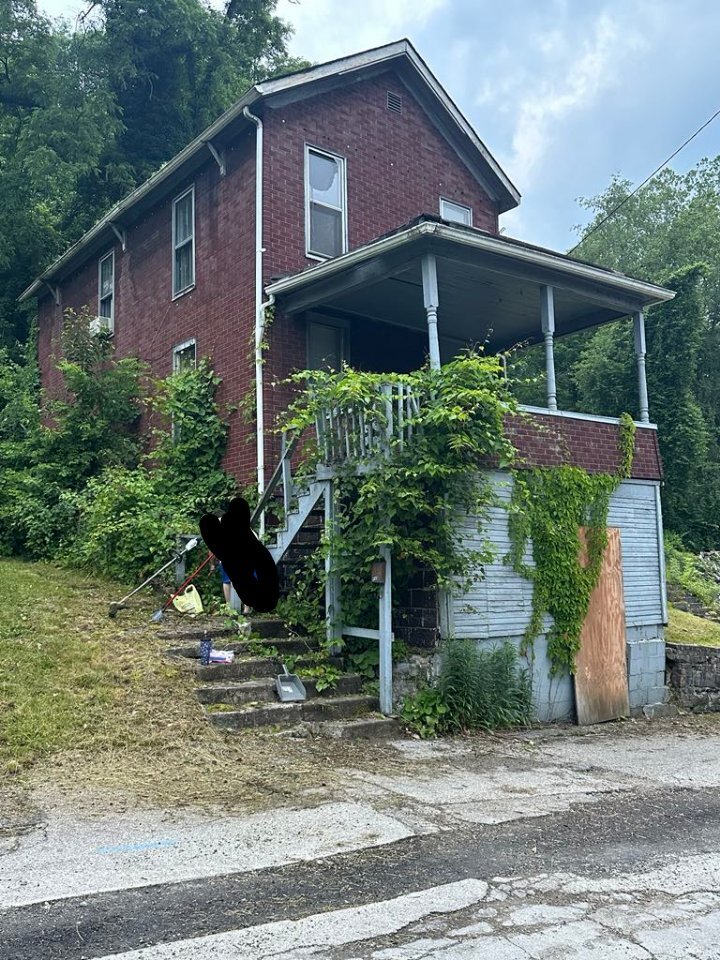
    Single-family home in Delaware Ohio where the owner is exploring options to avoid mortgage foreclosure

    Option 1: Reinstate Your Mortgage

    Mortgage reinstatement generally involves paying the amount necessary to cure the default under the applicable loan terms and legal requirements.

    The amount may include:

    • Missed payments.
    • Permitted late fees.
    • Certain foreclosure-related expenses.
    • Other authorized charges.

    Example

    Imagine your monthly mortgage payment is $1,600.

    You’ve missed five payments.

    That represents $8,000 in scheduled payments.

    However, the actual reinstatement amount may be higher because of permitted fees and costs.

    Ask your servicer for a written reinstatement quote.

    Will Reinstatement Stop Foreclosure?

    Reinstatement may resolve the default if completed according to applicable requirements.

    However, deadlines and legal circumstances matter.

    Don’t assume that sending money immediately before an auction automatically cancels the sale.

    Coordinate with your servicer and attorney, and obtain confirmation of the foreclosure status.

    Option 2: Request A Mortgage Repayment Plan

    A repayment plan may allow you to pay overdue amounts over time.

    Example

    Imagine you’re $6,000 behind.

    A hypothetical 12-month repayment plan might require an additional $500 per month on top of your regular payment.

    Actual programs vary.

    When Might This Work?

    A repayment plan may be appropriate if your hardship was temporary and your income has recovered.

    However, it may not be realistic if you’re still unable to afford the normal payment.

    Ask your servicer about eligibility.

    Option 3: Request Mortgage Forbearance

    Forbearance may temporarily reduce or pause required payments under an approved arrangement.

    It may be available for certain financial hardships.

    However, missed payments generally aren’t automatically forgiven.

    The amounts must be addressed under the applicable program.

    Questions To Ask

    • How long does forbearance last?
    • What payments are required?
    • What happens when forbearance ends?
    • How will missed payments be repaid?
    • Will foreclosure activity be affected?

    Get the terms in writing.

    Option 4: Apply For A Loan Modification

    A loan modification changes certain terms of an existing mortgage.

    Depending on the program, changes may involve:

    • Monthly payment.
    • Interest rate.
    • Loan term.
    • Treatment of overdue amounts.
    • Other provisions.

    Approval isn’t guaranteed.

    Can A Loan Modification Stop Foreclosure?

    An approved modification or applicable loss mitigation protections may affect foreclosure proceedings.

    However, submitting an application doesn’t automatically cancel a scheduled sheriff sale.

    Why Application Timing Matters

    For covered mortgages, federal servicing rules provide certain protections when a complete loss mitigation application is received sufficiently far in advance of a scheduled foreclosure sale.

    The CFPB advises homeowners to submit complete applications more than 37 days before the sale.

    Specific protections, exceptions, and other requirements apply.

    Official resource: CFPB: What Happens After A Loss Mitigation Application?.

    Option 5: Explore Foreclosure Mediation

    Foreclosure mediation may provide an opportunity for the borrower and lender to discuss possible resolutions with assistance from a neutral mediator.

    It doesn’t guarantee that the lender will agree to new terms.

    What Could Be Discussed?

    Depending on the circumstances:

    • Repayment arrangements.
    • Loan modification.
    • Other loss mitigation options.
    • Settlement issues.
    • Possible alternatives to foreclosure.

    How Do You Request Mediation?

    Ask your attorney about the availability and procedures for foreclosure mediation in your case.

    You can also review guidance from the Ohio Attorney General.

    Option 6: Sell Your House Before Foreclosure Is Completed

    If you have sufficient equity, selling the property may allow you to pay off the mortgage and resolve the foreclosure before the property is sold at auction.

    However, timing is critical.

    Can You Sell A House With An Active Foreclosure Case?

    Potentially.

    The transaction must address the mortgage payoff, liens, and applicable legal requirements.

    What If You Already Have A Buyer?

    A purchase agreement doesn’t automatically cancel the foreclosure lawsuit or scheduled auction.

    The transaction must close and satisfy the necessary obligations, or the proceedings must otherwise be legally stopped.

    What If You Need To Sell Quickly?

    A direct cash buyer may eliminate some traditional financing-related steps.

    However, even a cash buyer must address title and legal requirements.

    Related guide: How to sell your house fast in Delaware Ohio

    Option 7: Explore A Lender-Approved Short Sale

    What if you owe more than your house is worth?

    A short sale may be an option.

    What Is A Short Sale?

    A short sale generally involves selling the property for less than the required mortgage payoff with the lender’s approval.

    Does The Lender Have To Approve?

    Yes, the necessary lender approval is generally required for the proposed short payoff arrangement.

    Other lienholders may also need to participate.

    Will A Short Sale Automatically Stop Foreclosure?

    No.

    A pending short sale doesn’t automatically cancel an auction.

    The lender’s approval and the legal proceedings must be coordinated.

    Could You Still Owe Money?

    Potential deficiency obligations and tax consequences depend on the circumstances and applicable law.

    Consult appropriate legal and tax professionals.

    Option 8: Consult A Bankruptcy Attorney

    Bankruptcy may affect foreclosure proceedings.

    In certain circumstances, filing a bankruptcy petition triggers an automatic stay that temporarily restricts collection activity, including foreclosure.

    However, exceptions and limitations apply.

    Prior bankruptcy filings can affect the availability or duration of the stay.

    A lender may also seek relief from the stay.

    Is Bankruptcy A Guaranteed Way To Stop Foreclosure?

    No.

    Bankruptcy is a serious legal decision with long-term consequences.

    Consult a qualified bankruptcy attorney before pursuing this option.

    What If Your House Is Already Scheduled For Sheriff Sale?

    If your Delaware County house has a scheduled foreclosure auction, the situation is urgent.

    You should immediately:

    1. Confirm the current sale date through official sources.
    2. Contact an Ohio foreclosure attorney.
    3. Request written reinstatement and payoff information.
    4. Ask your servicer whether any loss mitigation options remain available.
    5. Evaluate whether a sale can realistically close before the auction.
    6. Obtain confirmation of any authorized postponement or cancellation.

    Can A Cash Buyer Stop The Sheriff Sale?

    Not automatically.

    A cash buyer doesn’t have independent authority to cancel a court-authorized foreclosure sale.

    Can The Sale Be Postponed?

    Potentially, depending on the circumstances and applicable procedures.

    However, postponement isn’t guaranteed.

    What If The Auction Already Happened?

    Ohio law provides certain redemption rights before confirmation of sale, subject to applicable requirements.

    Consult an attorney immediately.

    Related guide: How to avoid sheriff sale in Delaware Ohio

    Ohio law: https://codes.ohio.gov/ohio-revised-code/section-2329.33

    Can You Sell A House In Foreclosure Without Making Repairs?

    Potentially.

    Some investors purchase properties requiring significant renovations.

    That may include houses with:

    • Roof damage.
    • Foundation concerns.
    • Plumbing problems.
    • Electrical issues.
    • Water damage.
    • Outdated kitchens.
    • Damaged bathrooms.
    • Deferred maintenance.

    However, the condition affects the offer.

    What If You Can’t Afford Repairs?

    Before spending money, compare the estimated net proceeds from repairing and listing with an as-is sale.

    Does Selling As-Is Eliminate Disclosure Requirements?

    Not automatically.

    Applicable Ohio disclosure obligations may still apply.

    Related guide: Sell your house as-is in Delaware Ohio

    What Happens To Your Home Equity During Foreclosure?

    Equity is one of the most important factors to understand.

    What Is Equity?

    Home equity generally represents the difference between a property’s market value and the debt secured against it.

    However, actual sale proceeds also depend on other liens and transaction expenses.

    Example: Selling Before Foreclosure

    Imagine:

    ItemAmount
    Property sale price$240,000
    Mortgage payoff, including overdue amounts-$150,000
    Other liens-$8,000
    Illustrative selling expenses-$12,000
    Estimated proceeds$70,000

    These numbers are hypothetical.

    Actual proceeds depend on title, payoff statements, closing costs, and other obligations.

    Why Might A Voluntary Sale Be Worth Considering?

    A voluntary sale may allow you to compare offers, evaluate expenses, and understand your estimated proceeds before closing.

    However, it doesn’t guarantee a better outcome than every other alternative.

    What If Your House Sells At Sheriff Sale?

    Foreclosure sale proceeds are distributed according to applicable legal priorities and court orders.

    If surplus funds remain after required distributions, the legally entitled party may be able to claim them.

    Official resource: Ohio Legal Help: Foreclosure.

    How Do You Know Whether You Have Equity In Your Delaware Ohio House?

    Start with a realistic property value.

    Review Comparable Sales

    Look for recent sales of similar properties.

    Consider:

    • Location.
    • Size.
    • Bedrooms and bathrooms.
    • Age.
    • Condition.
    • Lot characteristics.
    • Renovations.

    Review County Property Records

    The Delaware County Auditor provides property information through its official website. https://auditor.co.delaware.oh.us/

    However, the auditor’s valuation isn’t necessarily the property’s current market value.

    Obtain Your Mortgage Payoff

    Ask your servicer for the current payoff amount.

    Identify Additional Obligations

    These may include:

    • Property taxes.
    • Other mortgages.
    • Judgment liens.
    • Certain association-related obligations.
    • Other recorded interests.

    Compare Your Options

    A traditional listing, appraisal, or cash offer may help you evaluate the property’s potential sale proceeds.

    What If You Inherited A House That’s In Foreclosure?

    Maybe a parent passed away and left behind a mortgage.

    Perhaps the property was already delinquent.

    Or the estate doesn’t have enough money to maintain the house.

    The mortgage lien generally remains attached to the property.

    However, inheriting a house doesn’t automatically make you personally liable for the deceased borrower’s mortgage note.

    Probate, trust, and successor-in-interest requirements may affect the available options.

    Consult an Ohio probate or foreclosure attorney.

    Related guide: Inherited a house in Delaware Ohio? Here’s what to do next

    What If Divorce Caused The Foreclosure?

    Divorce can create significant financial pressure.

    Maybe one spouse stopped contributing to the mortgage.

    Perhaps both names remain on the loan.

    Or neither spouse can afford the property alone.

    A divorce decree doesn’t automatically release a borrower from the mortgage lender’s contractual rights.

    Consult your divorce attorney and an Ohio foreclosure attorney before making decisions about the property.

    Related guide: How to sell your house during divorce in Delaware Ohio

    What If Your Rental Property Is In Foreclosure?

    Rental property owners can also face mortgage default.

    Maybe tenants stopped paying rent.

    Perhaps the property needs expensive repairs.

    Or the investment no longer generates enough income.

    If tenants occupy the property, existing leases and applicable tenant protections must be considered.

    Related guide: How to sell a rental property with tenants in Delaware Ohio

    What If Your House Is Vacant?

    A vacant property may still require:

    • Mortgage payments.
    • Property taxes.
    • Insurance.
    • Utilities.
    • Lawn maintenance.
    • Security.
    • Repairs.

    Vacancy can also affect insurance coverage.

    Don’t assume moving out eliminates your obligations.

    Related guide: How to sell a vacant house in Delaware Ohio

    How Can You Avoid Foreclosure Rescue Scams?

    Homeowners facing foreclosure may receive calls, letters, and advertisements promising immediate help.

    Some offers may be legitimate.

    Others may be misleading or fraudulent.

    Be cautious of anyone who:

    • Guarantees foreclosure can be stopped.
    • Demands large upfront payments for mortgage relief.
    • Tells you to stop communicating with your servicer.
    • Pressures you to sign over your deed.
    • Claims to have special influence over a judge or lender.
    • Refuses to explain contract terms.
    • Discourages independent legal advice.
    • Promises a purchase agreement automatically cancels a sheriff sale.

    What Should You Do Before Signing?

    Verify the company.

    Understand the agreement.

    Ask about proof of funds.

    Confirm how the title company will handle closing.

    Consider having an attorney review the contract.

    Where Can Delaware Ohio Homeowners Get Foreclosure Help?

    If you’re trying to keep your house, these resources may be helpful.

    Ohio Legal Help

    Provides Ohio-specific information about foreclosure and legal assistance.

    https://www.ohiolegalhelp.org/topic/foreclosure

    HUD-Approved Housing Counseling

    HUD-approved housing counselors can help homeowners understand mortgage assistance options.

    https://www.hud.gov/counseling

    Consumer Financial Protection Bureau

    Provides information about mortgage servicing, loss mitigation, and foreclosure protections.

    https://www.consumerfinance.gov/housing/housing-insecurity/help-for-homeowners

    Ohio Attorney General

    Provides foreclosure information and consumer protection guidance.

    https://www.ohioattorneygeneral.gov/FAQ/Foreclosure-FAQs

    Delaware County Sheriff’s Office

    Provides official sheriff sale information. https://sheriff.co.delaware.oh.us/sheriff-sales/

    Ohio Foreclosure Attorney

    An attorney can review your case, explain deadlines, and evaluate possible defenses or other legal options.

    If you cannot afford an attorney, ask whether you qualify for legal aid.

    How Sell House Columbus May Be Able To Help

    At Sell House Columbus, we’ve been buying houses throughout Central Ohio since 2012.

    We evaluate properties in Delaware and surrounding Delaware County communities.

    We understand that homeowners facing foreclosure may be dealing with difficult financial and personal circumstances.

    Our goal isn’t to pressure anyone into selling.

    If keeping the house is realistic, mortgage assistance or legal options may be worth pursuing.

    But if you’ve decided that selling is the right choice, we can explain whether a direct cash purchase may be possible.

    Step 1: Tell Us About Your Property

    Call or text 614-300-5151 or visit our website.

    Let us know:

    • Property address.
    • General condition.
    • Whether foreclosure has been filed.
    • Whether a sheriff sale date is scheduled.
    • Your preferred timeline.

    Step 2: We Evaluate The House

    We’ll review the location, condition, and comparable sales.

    Depending on the circumstances, we may arrange a walkthrough.

    Step 3: Receive A No-Obligation Cash Offer

    If the property fits our buying criteria, we’ll explain our offer and proposed terms.

    You can compare the offer with listing traditionally or other available options.

    There’s no obligation to accept.

    Step 4: Coordinate With The Title Company

    If you decide to proceed, we’ll work with the title company to review ownership, mortgage payoffs, liens, and other closing requirements.

    Any foreclosure-related legal requirements must also be addressed.

    Step 5: Work Toward Closing

    We can often work toward closing in approximately two weeks when title and other circumstances allow.

    However, foreclosure proceedings, liens, court orders, and other complications may affect the timeline.

    We cannot guarantee that a cash sale will close before an auction or stop foreclosure.

    Frequently Asked Questions About Foreclosure In Delaware Ohio

    Can I stop foreclosure in Delaware Ohio?

    Potentially. Available options depend on the mortgage, legal proceedings, deadlines, and your circumstances.

    How long does foreclosure take in Ohio?

    The timeline varies. It can take months or longer depending on the case.

    How long do I have to respond to foreclosure papers?

    In a typical Ohio foreclosure case, you generally have 28 days after service to file an answer, subject to applicable procedural rules.

    Can I keep my house after receiving foreclosure papers?

    Potentially. Mortgage assistance, legal defenses, or other options may be available.

    Can a loan modification stop foreclosure?

    An approved modification or applicable loss mitigation protections may affect foreclosure proceedings, but an application alone doesn’t automatically cancel a scheduled sale.

    Can I sell my house while it’s in foreclosure?

    Potentially. The transaction must address mortgage obligations and legal deadlines.

    Can I sell my house without making repairs?

    Potentially. Some investors purchase houses in their existing condition.

    Can a cash buyer stop a sheriff sale?

    Not automatically. A buyer doesn’t have independent authority to cancel the foreclosure auction.

    What happens if my house sells at sheriff sale?

    The court process continues, including possible confirmation and transfer of title and possession.

    Will I lose all my equity in foreclosure?

    Not necessarily. The outcome depends on the sale proceeds, liens, costs, and legal priorities.

    Can bankruptcy stop foreclosure?

    In certain circumstances, bankruptcy may trigger an automatic stay, subject to exceptions and limitations.

    Can I get foreclosure help for free?

    HUD-approved housing counseling is available, and some homeowners may qualify for legal aid.

    What if I owe more than my house is worth?

    A lender-approved short sale may be an option, but approval isn’t guaranteed.

    How quickly can Sell House Columbus close?

    We can often work toward closing in approximately two weeks when title and other requirements allow.

    Is there a fee to receive a cash offer?

    No. Our cash offers are no-obligation.

    Facing Foreclosure In Delaware Ohio? Understand Your Options Before Making A Decision.

    Facing foreclosure can feel overwhelming.

    Maybe you’ve missed several mortgage payments.

    Perhaps you’ve received court papers.

    Or maybe your house is already scheduled for sheriff sale.

    Whatever your circumstances, the most important thing is to act quickly and get reliable information.

    If you want to keep your home, contact your mortgage servicer, a HUD-approved housing counselor, and an Ohio foreclosure attorney.

    If keeping the property is no longer realistic, selling may be worth considering.

    And if you have equity, understanding your options before the foreclosure progresses may help you make a more informed financial decision.

    At Sell House Columbus, we’ve been buying houses throughout Central Ohio since 2012.

    We evaluate properties in Delaware and surrounding Delaware County communities.

    We’re not foreclosure attorneys, and we cannot guarantee that a foreclosure or sheriff sale can be stopped.

    But if you’ve decided that selling may be the right move, we’d be happy to explain whether a direct cash purchase could make sense.

    There’s no pressure and no obligation to accept an offer.

    Call or text 614-300-5151.

    Visit https://sellhousecolumbus.com and fill out the form to request a no-obligation cash offer.

    Sell House Columbus | Local Central Ohio Cash Home Buyers Since 2012

    Your home. Your options. Your decision.

    91-Year-Old Joy Sold Her Westerville Ohio House in Under 2 Weeks! | Seller Testimonial
  • Inherited A House In Delaware Ohio? Here’s What To Do Next

    Just Inherited A House In Delaware Ohio? You Don’t Have To Figure Everything Out At Once.

    Inheriting a house can bring a lot of emotions.

    Maybe your mother or father recently passed away.

    Perhaps a grandparent left you the family home.

    Or you and your siblings inherited a property that nobody wants to live in.

    You may be grieving the loss of someone important while suddenly finding yourself responsible for a house, mortgage payments, property taxes, insurance, repairs, and years of accumulated belongings.

    And now you’re wondering what you’re supposed to do.

    Do you have to go through probate?

    Can you sell an inherited house in Delaware, Ohio?

    What if the house still has a mortgage?

    What happens if you and your siblings disagree?

    Do you have to clean everything out before selling?

    Will you owe taxes when you sell the property?

    And how do you know whether keeping or selling the house makes more financial sense?

    These are common questions, and the answers depend on how the property was owned, the estate documents, outstanding debts, and your family’s circumstances.

    The good news is that inheriting a house doesn’t automatically mean you must keep it, renovate it, or become a landlord.

    You may have several options.

    You could move into the property.

    You could rent it.

    You could make repairs and list it with a real estate agent.

    Or you could explore selling it directly to a cash buyer.

    At Sell House Columbus, we’ve been buying houses throughout Central Ohio since 2012.

    We evaluate inherited properties in Delaware and surrounding Delaware County communities, including houses that need repairs, vacant homes, and properties filled with belongings.

    We’ve worked with homeowners facing many different circumstances, and we understand that selling a family property isn’t always just a financial decision.

    It can also be an emotional one.

    Our goal is to help you understand your selling options without unnecessary pressure.

    We’re not probate attorneys or tax advisers, and we don’t determine who legally owns an estate property.

    However, we can explain how a direct purchase may work once the appropriate ownership and legal requirements are addressed.

    In this guide, we’ll walk through what happens when you inherit a house in Delaware, Ohio, how probate may affect a sale, and how to decide what to do next.

    🎥 Watch: What To Do When You Inherit A House In Ohio

    If you’ve inherited a house from a parent or family member, watch our video explaining common challenges and the options available when you don’t want to keep the property.

    We Buy Inherited Houses in Delaware Ohio | Probate Delaware Ohio Help

    What Happens When You Inherit A House In Delaware Ohio?

    The first thing to understand is that inheriting a house doesn’t always mean the property immediately becomes yours to sell.

    The legal process depends on how the previous owner held title.

    For example, the property may have been owned:

    • Individually by the deceased person.
    • Jointly with rights of survivorship.
    • Through a trust.
    • Under a transfer-on-death designation.
    • With another form of co-ownership.

    Each arrangement can affect what happens after death.

    What If The House Was Only In Your Parent’s Name?

    If the property was owned individually and no applicable nonprobate transfer arrangement exists, probate may be necessary.

    What If The House Was In A Trust?

    A properly structured trust may allow the successor trustee to administer or sell the property without a traditional probate transfer.

    However, the trust document and title must be reviewed.

    What If The House Had A Transfer-On-Death Designation?

    Ohio permits certain real estate transfers through a recorded transfer-on-death designation affidavit.

    When the requirements are satisfied, the property may pass to the designated beneficiary outside probate.

    Additional documentation and recording requirements may apply.

    What If Both Parents Owned The House?

    The answer depends on how title was held and whether survivorship rights apply.

    Before attempting to sell an inherited property, confirm who owns it and who has legal authority to sign the purchase agreement and deed.

    An Ohio probate attorney or title professional can help review the ownership records.

    Do You Have To Go Through Probate To Sell An Inherited House In Delaware Ohio?

    Not always.

    Probate is the legal process used to administer certain assets and obligations after someone dies.

    When probate is necessary, the court may oversee matters involving:

    • Appointment of an executor or administrator.
    • Identification of estate assets.
    • Creditor claims.
    • Payment of appropriate expenses and debts.
    • Distribution of remaining property.
    • Certain real estate transactions.

    What If There’s A Will?

    Having a will doesn’t automatically eliminate probate.

    A will generally directs how applicable estate assets should be distributed, but the probate court may still need to administer the estate.

    What If There Isn’t A Will?

    Ohio intestacy laws generally determine how property passes when someone dies without a valid will.

    The outcome depends on surviving family relationships and other circumstances.

    What If The Property Is In A Trust?

    A trust may allow the trustee to manage or sell the property without probate, depending on the trust and title.

    Can An Executor Sell The House?

    Potentially.

    However, an executor’s authority depends on applicable Ohio law, the will, court proceedings, and the circumstances of the estate.

    Don’t assume that being named executor automatically gives unlimited authority to sell real estate.

    Where Does Probate Take Place?

    For estates administered in Delaware County, the Delaware County Probate Court may be involved.

    Official Delaware County Probate Court website: https://probate.co.delaware.oh.us/

    You can also review Ohio probate information through Ohio Legal Help.

    How Long Does Probate Take In Delaware County Ohio?

    There isn’t one guaranteed timeline.

    Some estates are relatively straightforward.

    Others involve complicated ownership, debts, disagreements, or court proceedings.

    What Can Delay Probate?

    Possible complications include:

    • Missing estate documents.
    • Disputes among heirs.
    • Creditor claims.
    • Problems identifying beneficiaries.
    • Real estate title issues.
    • Outstanding liens.
    • Questions about the validity of a will.
    • Court approval requirements.

    Can You Sell The House Before Probate Is Finished?

    Potentially.

    Some estate properties can be sold during administration when the appropriate legal authority and requirements are satisfied.

    However, the ability to sell depends on the particular estate.

    Can A Cash Buyer Speed Up Probate?

    A cash buyer cannot bypass the court or eliminate legal requirements.

    A buyer may be ready to close quickly once the property is legally transferable, but probate and title issues must still be resolved.

    What Should You Do First After Inheriting A House?

    Before making major decisions, take a few practical steps.

    1. Locate Important Documents

    Look for:

    • The will.
    • Trust documents.
    • Property deed.
    • Mortgage statements.
    • Property tax bills.
    • Insurance policies.
    • Utility information.
    • Homeowners association documents, if applicable.
    • Relevant estate paperwork.

    2. Confirm Who Owns The Property

    Review the recorded deed and any applicable estate or transfer documents.

    3. Determine Whether Probate Is Necessary

    An Ohio probate attorney can help explain the requirements.

    4. Protect The House

    If the property is vacant, make sure it is reasonably secured.

    5. Review Insurance Coverage

    Contact the insurance company and explain that the owner has passed away.

    Ask whether the policy remains appropriate and what changes may be necessary.

    6. Identify Ongoing Expenses

    Determine whether mortgage payments, taxes, utilities, or other obligations remain due.

    7. Avoid Major Renovations Until You Have A Plan

    You don’t necessarily need to spend thousands of dollars preparing the property for sale.

    8. Discuss The Situation With Other Heirs

    If multiple people have an interest in the property, communicate early about their goals.

    9. Evaluate The Property’s Value

    Review comparable sales and the home’s condition.

    10. Compare Your Options

    Decide whether keeping, renting, renovating, or selling makes the most sense.

    Can You Sell An Inherited House In Delaware Ohio As-Is?

    Potentially.

    Selling as-is generally means the seller isn’t agreeing to complete specified repairs as part of the transaction.

    However, the purchase agreement controls the actual obligations.

    What If The House Needs A New Roof?

    Some investors purchase properties requiring roof replacement.

    What If The House Has Foundation Problems?

    Some buyers evaluate properties with structural concerns.

    What If The Plumbing Or Electrical Systems Are Outdated?

    A house doesn’t necessarily need modern systems before it can be sold.

    What If The Property Has Water Damage?

    Some investors purchase houses with water damage, although the extent of the damage affects the offer.

    What If The House Hasn’t Been Updated In 40 Years?

    An outdated kitchen, bathroom, or flooring doesn’t automatically prevent a sale.

    At Sell House Columbus, we evaluate properties in their existing condition.

    We consider the location, comparable sales, anticipated repairs, and other transaction factors when determining whether we can make an offer.

    Related guide: Sell your house as-is in Delaware Ohio

    Do You Have To Clean Out An Inherited House Before Selling?

    Not necessarily.

    One of the biggest challenges with inherited houses is dealing with personal belongings.

    Maybe your parents lived in the home for decades.

    The closets are full.

    The basement contains boxes.

    The garage is packed.

    And every room has furniture, photographs, and family keepsakes.

    Sorting through everything can take weeks or months.

    Can You Sell With Furniture Still Inside?

    Potentially.

    Some buyers may agree to accept specified belongings remaining after closing.

    However, that agreement should be clearly documented.

    Can You Take What You Want And Leave The Rest?

    Potentially, if the buyer agrees and you have the legal authority to handle the belongings.

    What If The Belongings Are Part Of The Estate?

    An executor, administrator, or trustee may have legal duties concerning personal property.

    Don’t assume you can discard or give away estate belongings without considering beneficiary rights and applicable obligations.

    What Should You Look For Before A Cleanout?

    Consider identifying:

    • Family photographs.
    • Important documents.
    • Jewelry.
    • Cash and financial records.
    • Collectibles.
    • Sentimental belongings.
    • Items specifically mentioned in estate documents.

    Related guide: How to sell a hoarder house in Delaware Ohio

    What If You Inherit A House With A Mortgage?

    A mortgage generally doesn’t disappear when the homeowner dies.

    The lien remains attached to the property.

    However, inheriting property doesn’t automatically make an heir personally liable for the deceased borrower’s mortgage note.

    The details depend on the loan and legal circumstances.

    Can You Keep Making The Mortgage Payments?

    Potentially.

    Certain heirs and successors may have rights to communicate with the servicer and pursue available mortgage options.

    Can You Sell The House With The Mortgage Still Owed?

    Potentially.

    In a typical sale, the title company coordinates the mortgage payoff from closing proceeds.

    Example: Selling An Inherited House With A Mortgage

    Imagine:

    ItemAmount
    Sale price$230,000
    Mortgage payoff-$95,000
    Other liens and taxes-$10,000
    Illustrative selling expenses-$12,000
    Estimated proceeds before other obligations and taxes$113,000

    These numbers are hypothetical.

    Actual proceeds depend on payoff statements, title, closing expenses, estate obligations, and other factors.

    What If The Mortgage Payments Are Behind?

    Contact the servicer promptly.

    If foreclosure has started, consult an Ohio foreclosure attorney.

    Related guide: Behind on mortgage payments in Delaware Ohio

    What If The Inherited House Has A Reverse Mortgage?

    A reverse mortgage creates additional considerations.

    Certain reverse mortgages may become due and payable after the last eligible borrower dies, subject to applicable rules and protections.

    Heirs may have options involving repayment, refinancing, or sale, but deadlines and requirements matter.

    What Should You Do?

    Contact the reverse mortgage servicer promptly.

    Request written information about the balance, deadlines, and available options.

    If the situation is complicated, consult a qualified attorney or HUD-approved housing counselor.

    Don’t assume the same rules apply to every reverse mortgage.

    What If You Inherit A House With Property Taxes Owed?

    Property taxes generally remain relevant even after the owner dies.

    Delinquent taxes may affect the ability to transfer the property.

    Can You Sell With Back Taxes?

    Potentially.

    Outstanding taxes may be paid or otherwise addressed at closing if sufficient funds and an appropriate arrangement are available.

    What If The Taxes Exceed The Available Proceeds?

    The situation may require additional negotiation, funds, or legal advice.

    Where Can You Check Delaware County Property Information?

    The Delaware County Auditor provides parcel and valuation information. https://auditor.co.delaware.oh.us/

    You can also locate county tax payment and delinquency information through the official Delaware County Treasurer’s resources. https://treasurer.co.delaware.oh.us/

    Remember that the county’s assessed value isn’t necessarily the current market value.

    What If You And Your Siblings Inherited The House Together?

    This is a common situation.

    Maybe three siblings inherited the family home.

    One wants to sell.

    Another wants to keep it.

    And the third doesn’t want to make a decision.

    Does Every Sibling Have To Agree To Sell?

    The answer depends on how the property is owned and who has legal authority to sell.

    For example, a trustee or estate representative may have powers different from those of individual co-owners.

    If multiple people hold title directly, their ownership rights must be considered.

    What If One Sibling Wants To Keep The House?

    A buyout may be an option.

    The sibling who wants the property could potentially purchase the others’ interests.

    Financing, valuation, title, and estate requirements must be addressed.

    What If Nobody Agrees?

    Disagreements may require mediation or legal proceedings.

    In some co-ownership situations, partition may be available, but the legal requirements depend on the circumstances.

    Should You Get An Independent Valuation?

    It can help.

    An appraisal or credible market analysis may give everyone a common starting point for discussing the property’s value.

    What If One Sibling Lives In The House?

    Occupancy can create additional legal and practical considerations.

    Consult an Ohio attorney before assuming the occupant must leave or that the other owners can immediately sell the property.

    Can You Sell An Inherited House If You Live Out Of State?

    Potentially.

    Maybe you inherited a house in Delaware, Ohio, but you live in Florida, Texas, California, or another state.

    You may not have the time or resources to travel repeatedly.

    Can The Process Be Handled Remotely?

    Some parts of the transaction may be handled remotely, depending on the title company, legal requirements, and circumstances.

    Will You Need To Travel To Ohio?

    Not necessarily for every transaction.

    However, notarization, identity verification, original documents, and other requirements must be satisfied.

    What If The House Needs Repairs?

    You may be able to compare as-is offers without coordinating a full renovation.

    What If The House Is Full Of Belongings?

    Some buyers may agree to accept specified contents, subject to the purchase agreement and the seller’s authority.

    Should You Keep, Rent, Or Sell An Inherited House?

    There isn’t one answer that’s right for every family.

    Each option has advantages and disadvantages.

    Option 1: Keep The House

    You might want to move into it or preserve it for sentimental reasons.

    Consider whether you can afford the taxes, insurance, maintenance, and any mortgage.

    Option 2: Rent The House

    Renting may provide ongoing income.

    However, you may need to address repairs, landlord responsibilities, vacancies, and property management.

    Option 3: Renovate And List Traditionally

    This may produce a higher sale price.

    However, you’ll need to consider renovation costs, selling expenses, and time.

    Option 4: List The House As-Is

    A traditional listing can also market a house in its existing condition.

    You may attract investors or buyers willing to complete repairs.

    Option 5: Sell Directly To A Cash Buyer

    A direct sale may reduce some preparation, marketing, and financing-related steps.

    However, investor offers are often lower than the potential sale price of a renovated property.

    The best decision depends on the property’s condition, your financial goals, your available time, and the needs of everyone involved.

    How Much Is An Inherited House Worth In Delaware Ohio?

    Property values depend on several factors.

    These include:

    • Location.
    • Square footage.
    • Number of bedrooms and bathrooms.
    • Lot size.
    • Age of the house.
    • Property condition.
    • Renovations.
    • Comparable sales.
    • Current market conditions.

    Why The Neighborhood Matters

    Delaware includes established residential neighborhoods, newer subdivisions, and properties with different architectural styles and ages.

    A house near downtown Delaware may have different comparable properties than a newer home elsewhere in the area.

    Does The County Auditor’s Value Equal Market Value?

    Not necessarily.

    County valuation information can be useful, but it shouldn’t automatically be treated as the price a buyer would pay today.

    How Can You Estimate Value?

    Consider:

    1. Reviewing recent comparable sales.
    2. Obtaining a real estate agent’s market analysis.
    3. Hiring a qualified appraiser.
    4. Requesting an as-is cash offer.
    5. Comparing realistic net proceeds.

    Should You Repair An Inherited House Before Selling?

    It depends on the property and the numbers.

    Imagine you’ve inherited an older Delaware home.

    The property needs:

    RepairHypothetical Cost
    Roof$13,000
    Kitchen updates$12,000
    Bathroom renovations$9,000
    Flooring and paint$8,000
    Plumbing and miscellaneous repairs$6,000
    Total$48,000

    These are hypothetical figures, not contractor quotes.

    What If You Don’t Have $48,000?

    You may not want to borrow money or use personal savings to renovate the property.

    What If You Can Afford The Repairs?

    Renovating and listing may produce higher net proceeds.

    What If You Live Out Of State?

    Managing contractors from a distance may create additional challenges.

    What If You Need To Settle The Estate?

    A lengthy renovation may delay distribution.

    Related guide: How to sell a house with major repairs in Delaware Ohio

    Comparing A Traditional Listing With A Cash Sale

    Let’s consider another hypothetical example.

    An inherited Delaware house could potentially sell for $260,000 after repairs.

    An investor offers $205,000 as-is.

    ItemRenovate And ListDirect Cash Sale
    Sale price$260,000$205,000
    Repairs-$30,000$0
    Selling expenses-$16,000-$3,000
    Carrying costs-$5,000-$1,000
    Estimated proceeds before debts and taxes$209,000$201,000

    These figures are hypothetical.

    In this example, renovating and listing produces approximately $8,000 more before debts and taxes.

    But it also requires substantial work, time, and financial risk.

    For another property, the difference could be much larger.

    Don’t assume that a cash sale is always financially better.

    Compare actual offers and realistic expenses.

    Do You Have To Pay Taxes When You Inherit A House In Ohio?

    This is an important financial question.

    Several different types of taxes may be relevant.

    Does Ohio Have An Estate Tax?

    Ohio repealed its estate tax for estates of people who died on or after January 1, 2013.

    However, federal estate tax rules may apply to certain estates, and other tax issues may remain.

    Do You Pay Federal Income Tax Just For Inheriting A House?

    Generally, receiving property by inheritance isn’t itself treated as ordinary taxable income.

    However, exceptions and special circumstances can apply.

    What Happens If You Sell The House?

    Selling inherited property may create a taxable capital gain or loss.

    What Is A Stepped-Up Basis?

    For many inherited properties, federal tax law generally establishes a tax basis using fair market value at the date of death, subject to applicable rules and exceptions.

    That can be very important when calculating a gain or loss.

    Example

    Imagine:

    • The house’s qualifying tax basis is $225,000.
    • You later sell the property for $235,000.
    • Qualifying selling expenses are $10,000.

    In this simplified example, the amount realized may equal the basis, potentially resulting in no capital gain before other adjustments.

    Actual tax treatment depends on the property, ownership, basis, expenses, and applicable law.

    What If The Property Was In A Trust?

    Tax treatment may depend on the trust structure and circumstances.

    What Should You Do?

    Consult a qualified CPA or tax professional before making assumptions about the tax consequences.

    Official IRS resource: https://www.irs.gov/publications/p551

    What If The Inherited House Is Already In Foreclosure?

    This situation requires prompt attention.

    Maybe the deceased owner missed mortgage payments.

    Perhaps the estate hasn’t been making payments.

    Or the property was already involved in foreclosure proceedings.

    Does Death Automatically Stop Foreclosure?

    No.

    The death of the borrower doesn’t automatically eliminate the mortgage or guarantee that foreclosure proceedings will stop.

    Can The Estate Sell The House?

    Potentially.

    However, the appropriate legal authority, mortgage obligations, and foreclosure deadlines must be addressed.

    What If A Sheriff Sale Is Scheduled?

    Contact an Ohio foreclosure attorney immediately.

    A signed purchase agreement doesn’t automatically stop an auction.

    Related guide: Facing foreclosure in Delaware Ohio

    Related guide: How to avoid sheriff sale in Delaware Ohio

    What If The Inherited House Is Vacant?

    A vacant inherited house can create ongoing expenses.

    Even if nobody lives there, you may still need to address:

    • Property taxes.
    • Insurance.
    • Mortgage payments.
    • Utilities.
    • Lawn maintenance.
    • Security.
    • Repairs.

    Why Insurance Matters

    Some homeowners policies have vacancy-related conditions or exclusions.

    Notify the insurance company about the death of the owner and the property’s occupancy status.

    What About Ohio Winters?

    An empty house may need appropriate heating or winterization to reduce the risk of frozen pipes.

    What If You Can’t Maintain The House?

    You may want to compare the cost of continued ownership with your available selling options.

    Related guide: How to sell a vacant house in Delaware Ohio

    Do You Have To Disclose Problems When Selling An Inherited House In Ohio?

    Ohio generally requires sellers of covered residential real estate to provide a residential property disclosure form, subject to statutory exceptions.

    However, certain transfers involving estates, fiduciaries, and other circumstances may be exempt.

    Does Every Inherited House Qualify For An Exemption?

    No.

    The exemption depends on the specific transaction and legal circumstances.

    What If You Never Lived In The House?

    Not living in the property doesn’t automatically determine whether an exemption applies.

    What If You Know About Major Problems?

    Don’t conceal or misrepresent known conditions.

    What If The House Was Built Before 1978?

    Federal lead-based paint disclosure requirements may apply, subject to exceptions.

    Ohio law: https://codes.ohio.gov/ohio-revised-code/section-5302.30

    EPA guidance: https://www.epa.gov/lead/real-estate-disclosures-about-potential-lead-hazards

    An Ohio real estate attorney can help determine which disclosure requirements apply to your sale.

    How Quickly Can You Sell An Inherited House In Delaware Ohio?

    The timeline depends on the property’s ownership, condition, and legal circumstances.

    What If Probate Is Required?

    The estate must have the necessary authority to sell.

    What If The Property Is Already In A Trust?

    The trustee’s authority and title must be confirmed.

    What If Multiple Heirs Are Involved?

    Ownership rights and required approvals must be addressed.

    What If There Are Liens?

    The title company may need additional time to resolve them.

    What If Everything Is Ready?

    A direct cash transaction may be able to close relatively quickly.

    At Sell House Columbus, we can often work toward closing in approximately two weeks when title and other requirements allow.

    However, we cannot guarantee that every inherited property can close on that timeline.

    How Sell House Columbus Buys Inherited Houses In Delaware Ohio

    At Sell House Columbus, we’ve been buying houses throughout Central Ohio since 2012.

    We evaluate inherited properties in Delaware and surrounding Delaware County communities.

    We understand that dealing with a family property can be complicated.

    Maybe you’re trying to settle an estate.

    Perhaps you and your siblings are deciding what to do.

    Or you simply don’t want to spend months cleaning, repairing, and maintaining the house.

    Our process is straightforward.

    Step 1: Tell Us About The Property

    Call or text 614-300-5151, or complete the form at https://sellhousecolumbus.com.

    Let us know:

    • The property address.
    • General condition.
    • Whether the house is occupied or vacant.
    • Whether probate is involved.
    • Whether multiple heirs are involved.
    • Your preferred timeline.

    Step 2: We Evaluate The House

    We’ll review the location, condition, and comparable sales.

    Depending on the circumstances, we may arrange a walkthrough.

    Step 3: Receive A No-Obligation Cash Offer

    If the property fits our buying criteria, we’ll explain the proposed purchase price and terms.

    You can compare our offer with other options.

    There’s no obligation to accept.

    Step 4: Coordinate With The Title Company

    If you decide to proceed, we’ll work with the title company to review ownership, mortgage payoffs, liens, and other closing requirements.

    If probate or other legal matters are involved, the appropriate professionals must address them.

    Step 5: Work Toward Closing

    We can often work toward closing in approximately two weeks when title and other requirements allow.

    However, probate, ownership disputes, liens, and other complications may require additional time.

    Frequently Asked Questions About Inherited Houses In Delaware Ohio

    Can I sell an inherited house in Delaware Ohio?

    Potentially. The property must be legally transferable, and the appropriate owner or authorized representative must approve the sale.

    Do I have to go through probate?

    Not always. It depends on how the property was owned and whether a valid nonprobate transfer arrangement applies.

    Can I sell an inherited house before probate is finished?

    Potentially. The appropriate estate authority and legal requirements must be satisfied.

    Can I sell my parents’ house without making repairs?

    Potentially. Some investors purchase inherited properties in their existing condition.

    Can I sell an inherited house full of furniture?

    Potentially. Some buyers may agree to accept specified belongings remaining after closing.

    What if my siblings disagree about selling?

    The available options depend on ownership, estate authority, and applicable law. An Ohio attorney can help explain the situation.

    What if one sibling wants to keep the house?

    A buyout may be an option if the parties can agree and the legal and financial requirements are satisfied.

    Can I sell an inherited house with a mortgage?

    Potentially. The mortgage generally must be paid or otherwise addressed through the transaction.

    What if the inherited house has a reverse mortgage?

    Contact the servicer promptly to understand the balance, deadlines, and available options.

    What if the house has back property taxes?

    Outstanding taxes may be addressed at closing if sufficient funds and an appropriate arrangement are available.

    Do I owe taxes when I inherit a house?

    Tax treatment depends on the circumstances. Consult a qualified tax professional.

    Can I sell an inherited house if I live outside Ohio?

    Potentially. Remote signing and closing arrangements may be available, depending on the transaction.

    Can I sell an inherited house during foreclosure?

    Potentially. Legal deadlines, ownership authority, and mortgage obligations must be addressed.

    How quickly can Sell House Columbus close?

    We can often work toward closing in approximately two weeks when title and other requirements allow.

    Is there a fee to receive a cash offer?

    No. Our cash offers are no-obligation.

    Inherited A House In Delaware Ohio? Let’s Explore Your Options.

    Inheriting a house can be emotional, complicated, and expensive.

    Maybe you recently lost a parent.

    Perhaps you and your siblings inherited the family home.

    You might live outside Ohio.

    Or maybe the house needs repairs, has a mortgage, or contains decades of belongings.

    Whatever your situation, you don’t necessarily have to keep the property.

    You could move into it.

    You could rent it.

    You could repair it and list traditionally.

    Or you could explore selling it directly to a cash buyer.

    At Sell House Columbus, we’ve been buying houses throughout Central Ohio since 2012.

    We evaluate inherited houses in Delaware and surrounding Delaware County communities.

    We’re not probate attorneys, and we can’t bypass legal ownership requirements.

    But if you’ve decided that selling may be the right choice, we’d be happy to explain whether a direct cash purchase could make sense.

    You don’t need to complete major renovations before contacting us.

    And there’s no pressure to accept an offer.

    Call or text 614-300-5151.

    Visit https://sellhousecolumbus.com and fill out the form to request a no-obligation cash offer.

    Sell House Columbus | Local Central Ohio Cash Home Buyers Since 2012

    Your family. Your property. Your decision.

    After 8 Months of Waiting, We Closed in Just 2 Weeks | Doug's Testimonial
  • How To Sell A Rental Property With Tenants In Delaware Ohio (Without The Usual Landlord Headaches)

    Want To Sell Your Rental Property In Delaware Ohio, But You Still Have Tenants Living There?

    Owning rental property can be a great investment.

    You purchase a house, find tenants, collect rent, and hopefully build long-term wealth.

    But sometimes being a landlord becomes more work than you expected.

    Maybe your tenants have stopped paying rent.

    Perhaps the house needs expensive repairs.

    You might have owned the property for 15 or 20 years and simply be ready to retire from managing rentals.

    Or maybe you have good tenants who pay on time, but you’ve decided you’d rather sell the house and use your equity for something else.

    Whatever your situation, you’re probably wondering:

    Can I sell my rental property in Delaware, Ohio, while tenants are still living there?

    Do I have to wait until the lease expires?

    Can I sell if my tenants aren’t paying rent?

    What happens to the security deposit?

    Can a cash buyer purchase the property with tenants in place?

    And what if I don’t want to spend thousands of dollars fixing the house before selling?

    The good news is that you may be able to sell your rental property without waiting for it to become vacant.

    However, existing leases, tenant rights, the property’s condition, and the purchase agreement can affect the transaction.

    At Sell House Columbus, we’ve been buying houses throughout Central Ohio since 2012.

    We evaluate rental properties in Delaware and surrounding Delaware County communities, including tenant-occupied houses, vacant rentals, and investment properties that need repairs.

    Our team understands that landlords have different reasons for selling.

    Some want to cash out their equity.

    Others are tired of maintenance calls and vacancies.

    And some simply want to stop managing rental properties.

    We also recognize that selling directly to an investor isn’t always the best financial choice.

    A well-maintained rental with reliable tenants may attract other investors or traditional buyers at a higher price.

    But if you’re looking for a simpler way to sell without extensive renovations or waiting for a tenant to move, a direct cash sale may be worth considering.

    This guide explains how selling a tenant-occupied property works in Ohio, what landlords should consider, and how to compare their options.

    🎥 Watch: How To Sell A Rental Property With Tenants

    If you’re tired of managing a rental property or wondering whether you can sell with tenants still living there, watch our video about selling tenant-occupied houses.

    We Buy Tenant Occupied Houses Delaware Ohio | Sell Rental Property Fast

    Can You Sell A Rental Property With Tenants In Delaware Ohio?

    Yes. In general, an Ohio landlord can sell a rental property while tenants are still living there.

    However, selling the property doesn’t automatically terminate an existing lease or eliminate tenant rights.

    The buyer may acquire the property subject to the tenant’s lawful occupancy and applicable lease obligations.

    The details depend on the lease, property ownership, and applicable law.

    What If The Tenants Have A Written Lease?

    A fixed-term lease may continue after the property is sold.

    For example, if a tenant has a valid lease extending through the following June, a change in ownership generally doesn’t give the new owner an automatic right to terminate that lease early.

    The lease terms and applicable law must be reviewed.

    What If The Tenants Are Month-To-Month?

    A month-to-month tenancy may offer more flexibility, but proper notice and legal requirements still apply.

    Under Ohio Revised Code Section 5321.17, termination of a month-to-month periodic tenancy generally requires at least 30 days’ notice before the periodic rental date, subject to applicable circumstances and other laws.

    A notice doesn’t authorize a landlord to remove tenants personally.

    What If The Tenants Refuse To Leave?

    If the tenants have a legal right to remain, the owner must respect that right.

    If there is a lawful basis to recover possession, the owner must follow the applicable legal process.

    Official Ohio law: https://codes.ohio.gov/ohio-revised-code/section-5321.17

    What Happens To The Lease When You Sell A Rental House?

    One of the biggest misunderstandings about selling rental property is the belief that the lease disappears when ownership changes.

    That’s generally not how it works.

    A sale may transfer the landlord’s interest in the property to the buyer, subject to existing tenant rights.

    Example: Selling With Six Months Left On The Lease

    Imagine you own a rental house in Delaware.

    Your tenant pays $1,450 per month.

    The tenant has six months remaining on a valid fixed-term lease.

    You decide to sell.

    A buyer who purchases the property may need to honor the existing lease for its remaining term, subject to the agreement and applicable law.

    Why Does This Matter?

    If the buyer intends to keep the house as a rental, an existing lease may be attractive.

    If the buyer wants to move into the house immediately, the lease may complicate the purchase.

    What Should You Give The Buyer?

    A buyer may request:

    • The current lease.
    • Rent payment history.
    • Security deposit information.
    • Any written amendments.
    • Information about unpaid rent.
    • Maintenance records.
    • Relevant tenant notices.
    • Utility arrangements.
    • Known disputes or legal proceedings.

    Providing accurate records helps buyers evaluate the property.

    Do You Have To Tell Your Tenants You’re Selling?

    The answer depends on the circumstances, lease terms, and applicable requirements.

    However, clear communication is generally a good idea.

    Your tenants may be concerned about whether they’ll need to move, whether their rent will change, or whether the property will remain a rental.

    What Should You Tell Them?

    Explain what you know.

    For example:

    • You’re considering selling the property.
    • Their existing legal rights will be respected.
    • Any inspections or showings will be coordinated appropriately.
    • You’ll provide information about changes in ownership when the transaction closes.

    Should You Promise They Can Stay Forever?

    No.

    Avoid making promises about the buyer’s future decisions that you don’t have authority to make.

    What If You’re Selling To Another Landlord?

    The buyer may intend to continue renting the property.

    However, the tenant’s rights and the buyer’s obligations should be addressed through the lease, applicable law, and purchase documents.

    Can You Show A Tenant-Occupied House To Buyers In Ohio?

    Potentially.

    But tenant privacy and access rights matter.

    Ohio Revised Code Section 5321.04 addresses landlord obligations, including rules concerning entry.

    Except in emergencies or when impracticable, landlords generally must give reasonable notice before entering.

    The statute provides that 24 hours is presumed to be reasonable notice.

    Entry must also occur at reasonable times and for legitimate purposes.

    What Does That Mean For Showings?

    Don’t assume you can enter the property whenever you want simply because you own it.

    Review the lease and applicable law.

    Coordinate with the tenant.

    Provide appropriate notice.

    Avoid unnecessary interruptions.

    What If The Tenant Doesn’t Want Frequent Showings?

    This can make traditional marketing more challenging.

    A direct buyer who needs only a limited number of visits may be worth considering.

    However, the buyer still must respect applicable access requirements.

    Official Ohio law: https://codes.ohio.gov/ohio-revised-code/section-5321.04

    What If Your Tenants Aren’t Paying Rent?

    This is one of the most difficult situations landlords face.

    Maybe the tenant lost a job.

    Perhaps they stopped communicating.

    Or they’ve fallen several months behind.

    Now you’re paying the mortgage, taxes, insurance, and repairs without receiving the expected rental income.

    Can You Sell A House With Nonpaying Tenants?

    Potentially.

    Some investors purchase properties with tenants who are behind on rent.

    However, unpaid rent, occupancy, property condition, and legal proceedings can affect the offer.

    Do You Have To Evict Before Selling?

    Not necessarily.

    A buyer may agree to purchase the property with tenants in place.

    But not every buyer will accept that situation.

    What If You’ve Already Started Eviction Proceedings?

    Disclose the status of the proceedings to prospective buyers.

    The purchase agreement should address any transfer of relevant rights, responsibilities, and claims.

    Consult an Ohio landlord-tenant attorney about pending cases.

    Can You Change The Locks Or Shut Off Utilities?

    Don’t attempt to force tenants out through self-help measures.

    Ohio law restricts landlord actions intended to recover possession outside lawful procedures.

    Official Ohio law: https://codes.ohio.gov/ohio-revised-code/section-5321.15

    How Does Eviction Work In Delaware Ohio?

    Eviction is a legal process, not simply a landlord telling a tenant to leave.

    The appropriate procedure depends on the tenancy and the reason possession is sought.

    For many residential nonpayment or lease-violation situations, Ohio law requires a notice to leave the premises before filing a forcible entry and detainer action.

    Ohio Revised Code Section 1923.04 generally addresses a three-day notice requirement for covered actions, subject to exceptions and specific statutory rules.

    However, a three-day notice doesn’t mean the landlord can physically remove the tenant after three days.

    If the tenant doesn’t leave, a court proceeding may be necessary.

    Where Are Eviction Cases Handled?

    The appropriate court depends on the property’s location and jurisdiction.

    For a rental in the city of Delaware, the Delaware Municipal Court may be relevant.

    Official court website:

    https://www.delawareohio.net/government/departments/municipal-court

    Confirm the appropriate court and current procedures before filing.

    What If The Tenant Disputes The Eviction?

    The court may need to resolve the matter.

    What If The Tenant Still Doesn’t Leave After Judgment?

    Possession must be recovered through the legally authorized process.

    Don’t personally remove the tenant or their belongings without legal authority.

    Should You Evict Before Selling?

    That depends on your goals.

    Eviction may involve legal expenses, delays, and uncertainty.

    Selling with the tenant in place may be another option.

    An Ohio attorney can help you evaluate the legal consequences.

    Official Ohio law: https://codes.ohio.gov/ohio-revised-code/section-1923.04

    What If You Have Good Tenants Who Always Pay On Time?

    Not every landlord wants to sell because of a problem.

    Maybe your tenants are excellent.

    They pay on time.

    They maintain the house.

    And they rarely call about repairs.

    But you’ve decided you want to retire, simplify your investments, or use your equity elsewhere.

    Can Good Tenants Make A Rental More Valuable?

    Potentially.

    An investor may value a property with reliable tenants and documented rental income.

    However, investors also evaluate rent levels, expenses, lease terms, property condition, and expected returns.

    Should You Sell To Another Investor?

    That may be a good option.

    A buyer interested in rental income may prefer to keep the existing tenants.

    Should You List Traditionally?

    Possibly.

    Marketing to a broader group of investors may produce a higher offer than selling directly to one buyer.

    What If You Don’t Want Showings?

    A direct purchase may reduce the marketing process, depending on the buyer’s inspection requirements.

    What If The Rental House Needs Major Repairs?

    Repairs are one of the biggest reasons landlords decide to sell.

    Maybe the roof needs replacement.

    Perhaps the furnace is failing.

    Or the property has outdated electrical or plumbing systems.

    You may be facing:

    • Roof replacement.
    • Foundation repairs.
    • Water damage.
    • Mold or moisture problems.
    • Damaged flooring.
    • Outdated kitchens.
    • Bathroom renovations.
    • Heating and cooling replacement.
    • Exterior deterioration.

    Can You Sell Without Completing Every Repair?

    Potentially.

    Some investors purchase rental houses requiring significant renovations.

    However, selling doesn’t automatically eliminate your existing landlord obligations before closing.

    What If The Property Has Unsafe Conditions?

    Ohio landlords have legal responsibilities concerning the condition and maintenance of rental premises.

    You should not ignore health or safety obligations simply because you’re planning to sell.

    Consult qualified professionals and an Ohio attorney when appropriate.

    Related guide: How to sell a house with major repairs in Delaware Ohio

    Can You Sell A Rental Property As-Is In Delaware Ohio?

    Potentially.

    Selling as-is generally means the seller isn’t agreeing to complete specified repairs as part of the transaction.

    However, the purchase agreement controls the obligations.

    What Does As-Is Mean For A Landlord?

    It may allow you to avoid certain pre-sale renovations.

    But it doesn’t automatically eliminate:

    • Existing lease obligations.
    • Applicable landlord duties before closing.
    • Required disclosures.
    • Title obligations.
    • Contractual responsibilities.
    • Tenant rights.

    Will A Cash Buyer Accept The Property As-Is?

    Some will.

    At Sell House Columbus, we evaluate rental properties in their existing condition.

    The property must still fit our buying criteria, and its condition affects the offer.

    Related guide: Sell your house as-is in Delaware Ohio

    What Happens To The Tenant’s Security Deposit When You Sell?

    Security deposits are an important part of a tenant-occupied sale.

    The seller and buyer should address them carefully.

    What Should Be Documented?

    Consider preparing a written accounting showing:

    • Tenant name.
    • Property address.
    • Security deposit amount.
    • Any applicable interest.
    • Prepaid rent.
    • Other tenant credits or obligations.
    • How funds and responsibilities will be handled at closing.

    Does The Buyer Automatically Get The Deposit?

    The handling of deposits and related obligations depends on the lease, purchase agreement, and applicable law.

    Don’t assume that keeping the deposit or simply telling the tenant about the new owner resolves every obligation.

    What About Ohio Security Deposit Rules?

    Ohio Revised Code Section 5321.16 governs residential security deposits, including certain interest and return requirements.

    A landlord generally must account for the deposit according to applicable law when the tenancy terminates and possession is delivered.

    An Ohio attorney or title professional can help ensure the sale properly addresses the deposit and any continuing obligations.

    Official Ohio law: https://codes.ohio.gov/ohio-revised-code/section-5321.16

    Tenant-occupied rental house in Delaware Ohio that a landlord is considering selling as-is

    Can You Sell A Rental House With A Month-To-Month Tenant?

    Potentially.

    A month-to-month tenancy may give the parties more flexibility than a fixed-term lease.

    However, proper notice requirements and tenant protections still apply.

    Does Selling Automatically Terminate The Tenancy?

    No.

    A sale alone doesn’t automatically terminate the tenancy.

    Can You Give The Tenant 30 Days To Leave?

    Ohio law generally provides for at least 30 days’ notice before the periodic rental date to terminate a month-to-month tenancy, but the specific circumstances, lease, and applicable laws must be considered.

    What If The Tenant Refuses To Leave?

    You may need to pursue the appropriate legal process.

    Don’t assume the notice itself authorizes physical removal.

    Can You Sell A Rental Property With A Fixed-Term Lease?

    Potentially.

    A fixed-term lease may continue after the sale.

    Example

    Imagine your tenant has eight months left on a valid lease.

    The rent is $1,600 per month.

    A buyer interested in owning a rental may be willing to purchase the property with that lease in place.

    However, a buyer intending to occupy the house may prefer to wait until the tenancy lawfully ends.

    Can You Negotiate An Early Move-Out?

    Potentially.

    A landlord and tenant may voluntarily agree to terminate a lease early.

    Any agreement should be documented carefully.

    Don’t pressure tenants or assume they must agree.

    What If Your Tenant Has Damaged The Property?

    Tenant-related damage can create difficult decisions.

    Maybe the flooring is destroyed.

    Perhaps doors, walls, or fixtures have been damaged.

    Or the house requires substantial cleaning.

    Can You Sell Without Repairing The Damage?

    Potentially.

    Some investors evaluate properties with significant damage.

    Should You Pursue The Tenant For Damages?

    That depends on the lease, evidence, security deposit, applicable law, and financial circumstances.

    What If The Tenant Is Still Living There?

    You must continue respecting applicable tenant rights.

    Document known damage appropriately and consult an attorney if a dispute exists.

    Will Damage Affect The Cash Offer?

    Generally, yes.

    Buyers evaluate repair costs and risk when determining their offer.

    Should You Wait Until The Tenant Moves Out Before Selling?

    Sometimes waiting makes sense.

    Other times it creates additional expenses.

    Reasons To Wait

    • You want to renovate the house.
    • You believe vacant possession will attract more buyers.
    • You want to market the property to owner-occupants.
    • The lease is close to expiring.
    • You have a clear plan for the property.

    Reasons To Sell With Tenants In Place

    • You want to stop managing the property.
    • You don’t want to pay for renovations.
    • You want to avoid a period without rental income.
    • You prefer not to coordinate frequent showings.
    • The buyer intends to keep the property as a rental.

    What Should You Compare?

    Look at the likely net proceeds from each option.

    Include vacancy costs, repairs, marketing expenses, taxes, insurance, and the time involved.

    How Much Is A Tenant-Occupied Rental House Worth In Delaware Ohio?

    There isn’t one universal formula.

    Buyers may evaluate the property differently depending on whether they intend to rent, renovate, or occupy it.

    Factors That Affect Value

    • Property location.
    • Current condition.
    • Comparable sales.
    • Rental income.
    • Lease terms.
    • Tenant payment history.
    • Property taxes.
    • Insurance.
    • Maintenance costs.
    • Expected capital improvements.
    • Vacancy risk.
    • Financing and market conditions.

    Why Local Market Knowledge Matters

    Delaware includes established residential neighborhoods, newer subdivisions, and a variety of single-family properties.

    A rental near downtown Delaware may have different characteristics and comparable sales than a newer property elsewhere in Delaware County.

    The property should be evaluated based on relevant local sales and its actual condition.

    Where Can You Review Property Records?

    The Delaware County Auditor provides property information and valuation records. https://auditor.co.delaware.oh.us/

    County values are useful reference points, but they aren’t necessarily current market sale prices.

    Example: Should You Sell Your Delaware Rental Or Keep Renting It?

    Imagine you own a rental property with these hypothetical numbers:

    ItemMonthly Amount
    Rent collected$1,650
    Mortgage payment-$850
    Property taxes-$275
    Insurance-$125
    Maintenance reserve-$200
    Estimated monthly cash flow$200

    This example is simplified and excludes other potential expenses such as vacancy, management fees, major capital expenditures, and certain taxes.

    The property appears to generate $200 per month under these assumptions.

    That’s approximately $2,400 annually.

    But suppose the house also needs a $15,000 roof replacement.

    You may decide the expected future income doesn’t justify the additional investment and management responsibilities.

    On the other hand, the property may have substantial equity and long-term investment potential.

    Questions To Ask Yourself

    • How much equity do I have?
    • What is my actual annual cash flow?
    • What major repairs are coming?
    • How much time do I spend managing the property?
    • What would I do with the proceeds if I sold?
    • What taxes might I owe?
    • Would selling improve my overall financial position?

    A qualified tax professional or financial adviser can help evaluate the broader financial implications.

    Comparing A Traditional Sale With A Direct Cash Offer

    Let’s consider a hypothetical Delaware rental property.

    The house could potentially sell for $235,000 after repairs and preparation.

    A cash buyer offers $195,000 in its existing condition.

    ItemPrepare And ListDirect Cash Sale
    Sale price$235,000$195,000
    Repairs and preparation-$18,000$0
    Selling expenses-$14,000-$3,000
    Carrying and vacancy costs-$5,000-$1,000
    Estimated proceeds before debt and taxes$198,000$191,000

    These numbers are hypothetical, not actual property valuations or offers.

    In this example, preparing and listing produces approximately $7,000 more before debts and taxes.

    But it also requires renovations, coordination, and additional time.

    For another property, the difference could be significantly larger.

    The key is to compare actual offers and realistic expenses.

    What Taxes Might You Owe When Selling A Rental Property?

    Selling investment property can create tax consequences that differ from selling a primary residence.

    Potential issues include:

    Capital Gains Tax

    A taxable gain may result when the amount realized exceeds the property’s adjusted tax basis.

    Depreciation

    Depreciation deductions claimed or allowable during ownership may affect the property’s adjusted basis and the tax treatment of the sale.

    Depreciation Recapture-Related Tax Treatment

    Certain gains attributable to depreciation may be subject to special federal tax rules.

    Ohio And Other Applicable Taxes

    State and local tax considerations may also apply.

    Installment Sales

    Some sellers consider installment arrangements, but these introduce additional risks and tax considerations.

    Section 1031 Exchanges

    A properly structured like-kind exchange may allow qualifying real property held for investment or business use to be exchanged for other qualifying real property with potential tax deferral.

    Strict rules and deadlines apply.

    A 1031 exchange isn’t appropriate for every seller.

    IRS resource: https://www.irs.gov/taxtopics/tc409

    IRS like-kind exchange guidance: https://www.irs.gov/taxtopics/tc420

    Before selling a rental property with significant equity or depreciation, consult a qualified CPA.

    Can You Sell A Rental Property With A Mortgage?

    Potentially.

    A mortgage generally doesn’t prevent a voluntary sale.

    The loan must be paid or otherwise appropriately addressed through the transaction.

    Example

    Imagine:

    • Sale price: $210,000.
    • Mortgage payoff: $115,000.
    • Other liens and taxes: $5,000.
    • Illustrative selling expenses: $6,000.

    Estimated proceeds would be approximately $84,000 before other obligations and taxes.

    Actual proceeds depend on the title review, payoff statement, closing expenses, and applicable requirements.

    What If Your Rental Property Is In Foreclosure?

    Maybe tenants stopped paying rent and you’ve fallen behind on the mortgage.

    Perhaps the property needs repairs and you can no longer afford the payments.

    Or maybe you’re facing a scheduled foreclosure sale.

    Can You Sell During Foreclosure?

    Potentially.

    However, legal deadlines, mortgage payoffs, and court proceedings must be addressed.

    A signed purchase agreement doesn’t automatically stop foreclosure.

    What If The Property Has Tenants?

    Tenant rights and applicable legal protections may affect possession and the sale.

    What Should You Do?

    Contact your mortgage servicer and an Ohio foreclosure attorney promptly.

    Related guide: Facing foreclosure in Delaware Ohio

    Related guide: How to avoid sheriff sale in Delaware Ohio

    What If The Rental Property Is Vacant?

    A vacant rental may be easier to show and renovate, but it may also generate expenses without rental income.

    You may still be paying:

    • Mortgage payments.
    • Property taxes.
    • Insurance.
    • Utilities.
    • Lawn maintenance.
    • Repairs.

    If you’re ready to stop being a landlord, compare the costs of holding the property with the available selling options.

    Related guide: How to sell a vacant house in Delaware Ohio

    What If You Inherited A Rental Property?

    Maybe a parent or family member left you a house with tenants.

    You may have inherited not only the real estate but also landlord responsibilities.

    Can You Sell The Inherited Rental?

    Potentially.

    However, probate, trust, ownership, and lease obligations may apply.

    Do Existing Tenants Have To Move?

    Not automatically.

    A change in ownership generally doesn’t eliminate lawful tenancy rights.

    What If You Don’t Want To Be A Landlord?

    Selling may be worth considering once the necessary ownership and legal requirements are addressed.

    Related guide: Inherited a house in Delaware Ohio? Here’s what to do next

    How To Prepare A Tenant-Occupied Rental Property For Sale

    Before marketing or accepting an offer, consider the following steps.

    1. Review The Lease

    Identify the tenancy type, expiration date, rent amount, and relevant provisions.

    2. Review Payment History

    Know whether the tenant is current or delinquent.

    3. Account For Security Deposits

    Document deposits, prepaid rent, and other tenant-related funds.

    4. Review Maintenance Obligations

    Identify known repairs and safety issues.

    5. Confirm Mortgage And Tax Balances

    Determine your outstanding obligations.

    6. Estimate The Property’s Value

    Use relevant comparable sales and realistic condition adjustments.

    7. Communicate With Tenants

    Coordinate showings and inspections lawfully and respectfully.

    8. Compare Buyers

    Consider traditional investors, direct cash buyers, and other qualified purchasers.

    9. Review The Purchase Agreement

    Pay attention to tenant occupancy, lease assignment, deposits, contingencies, and possession.

    10. Consult Professionals When Needed

    An Ohio attorney can advise on tenant and contract issues.

    A CPA can help evaluate tax consequences.

    How Sell House Columbus Buys Rental Properties In Delaware Ohio

    At Sell House Columbus, we’ve been buying houses throughout Central Ohio since 2012.

    We evaluate rental properties in Delaware and surrounding Delaware County communities.

    Some landlords contact us because they’re tired of managing repairs.

    Others have tenants who aren’t paying rent.

    Some want to retire from owning rental properties.

    And others simply want to convert their equity into cash.

    Our goal is to explain whether a direct purchase may be a reasonable option.

    Step 1: Tell Us About The Rental Property

    Call or text 614-300-5151 or complete the form at https://sellhousecolumbus.com.

    Let us know:

    • Property address.
    • General condition.
    • Whether tenants occupy the house.
    • Current rent amount.
    • Lease status.
    • Any known payment or maintenance issues.
    • Your preferred timeline.

    Step 2: We Evaluate The Property

    We’ll review the location, condition, comparable sales, and occupancy circumstances.

    Depending on the situation, we may arrange a walkthrough with appropriate tenant coordination.

    Step 3: Receive A No-Obligation Cash Offer

    If the property fits our buying criteria, we’ll explain our offer and proposed terms.

    You can compare it with listing traditionally or continuing to rent the property.

    There’s no obligation to accept.

    Step 4: Coordinate With The Title Company

    If you decide to proceed, we’ll work with the title company to address ownership, mortgage payoffs, liens, and other closing requirements.

    The purchase agreement should also address relevant tenant-related matters.

    Step 5: Work Toward Closing

    We can often work toward closing in approximately two weeks when title and other requirements allow.

    However, occupancy disputes, legal proceedings, liens, and other complications may affect the timeline.

    We don’t guarantee a particular closing date before reviewing the transaction.

    Frequently Asked Questions About Selling Rental Property With Tenants In Delaware Ohio

    Can I sell a rental property with tenants still living there?

    Yes, generally. Existing leases and tenant rights must be respected.

    Do tenants have to move when I sell the house?

    Not automatically. A sale generally doesn’t eliminate lawful tenancy rights.

    Can I sell with a fixed-term lease?

    Potentially. The buyer may acquire the property subject to the existing lease.

    Can I sell with month-to-month tenants?

    Potentially. Applicable notice requirements and tenant protections still apply.

    Can I sell if my tenants aren’t paying rent?

    Potentially. Some investors purchase properties with delinquent tenants.

    Do I have to evict tenants before selling?

    Not necessarily. A buyer may agree to purchase the property with tenants in place.

    Can I show the house while tenants live there?

    Potentially. Applicable entry, notice, and privacy requirements must be followed.

    Can I sell without making repairs?

    Potentially. Some investors purchase rental properties as-is.

    What happens to the security deposit?

    The seller and buyer should address the deposit and applicable obligations in the closing documents.

    Can I sell if the tenant damaged the house?

    Potentially. Damage may affect the offer and any related tenant claims.

    Can I sell a rental property during foreclosure?

    Potentially. Legal deadlines, mortgage obligations, and tenant rights must be addressed.

    Will I owe capital gains tax?

    Possibly. Tax consequences depend on your adjusted basis, depreciation, sale proceeds, and other factors.

    Can I use a 1031 exchange?

    Possibly, if the transaction and replacement property meet applicable requirements. Consult a qualified tax professional.

    How quickly can Sell House Columbus close?

    We can often work toward closing in approximately two weeks when title and other requirements allow.

    Is there a fee to receive a cash offer?

    No. Our cash offers are no-obligation.

    Ready To Sell Your Rental Property In Delaware Ohio? Let’s Explore Your Options.

    Being a landlord isn’t always easy.

    Maybe your tenants are behind on rent.

    Perhaps the house needs major repairs.

    You might be tired of maintenance calls and managing contractors.

    Or maybe you’ve owned the property for years and simply want to move on to something else.

    Whatever your circumstances, you may have options.

    You could continue renting the property.

    You could wait until the tenants move out.

    You could renovate and list traditionally.

    You could market the property to other investors.

    Or you could explore selling directly to a cash buyer who may be willing to purchase the house with tenants in place.

    At Sell House Columbus, we’ve been buying houses throughout Central Ohio since 2012.

    We evaluate rental properties in Delaware and surrounding Delaware County communities.

    We’re not going to tell you that selling directly is always the best choice.

    If keeping the rental or listing traditionally produces a better outcome, that’s worth considering.

    But if you’d rather stop managing the property and explore a straightforward cash sale, we’d be happy to explain whether we can help.

    You don’t necessarily need to wait until the house becomes vacant before contacting us.

    There’s no pressure and no obligation to accept an offer.

    Call or text 614-300-5151.

    Visit https://sellhousecolumbus.com and fill out the form to request your no-obligation cash offer.

    Sell House Columbus | Local Central Ohio Cash Home Buyers Since 2012

    Your property. Your investment. Your decision.

    Julie Says Selling Her House Was Easier Than She Ever Imagined | Columbus Ohio Seller Testimonial
  • Sell Your House As-Is In Delaware Ohio (No Repairs, No Cleaning)

    Want To Sell Your House As-Is In Delaware Ohio Without Spending Thousands On Repairs?

    Maybe your roof is leaking.

    Perhaps the kitchen hasn’t been updated in 30 years.

    You might have foundation problems, water damage, outdated plumbing, or a house filled with belongings you don’t want to clean out.

    Or maybe the property is in reasonably good condition, but you’re simply not interested in painting, staging, making repairs, and preparing for months of showings.

    Whatever your circumstances, you may be asking:

    Can I sell my house as-is in Delaware, Ohio?

    Do I have to fix everything before selling?

    Can I leave furniture and unwanted belongings behind?

    Will a cash buyer purchase a house that needs major repairs?

    Do I still have to disclose problems with the property?

    And how much money might I lose by selling as-is instead of renovating?

    These are important questions because selling a house is a major financial decision.

    The good news is that you can generally sell a house in Ohio in its existing condition, provided the transaction complies with applicable legal and contractual requirements.

    You don’t necessarily need to replace the roof, remodel the kitchen, or update every bathroom before putting the property up for sale.

    However, selling as-is doesn’t mean every buyer will purchase the house, and it doesn’t automatically eliminate disclosure requirements or other obligations.

    At Sell House Columbus, we’ve been buying houses throughout Central Ohio since 2012.

    We evaluate properties in Delaware and surrounding Delaware County communities, including homes with deferred maintenance, major repairs, outdated interiors, unwanted belongings, and difficult ownership circumstances.

    Our approach is straightforward.

    We look at the house in its current condition, evaluate the local market, estimate the work that may be needed, and determine whether we can make a cash offer.

    If we can, you decide whether the price and terms make sense.

    There’s no obligation to accept.

    In this guide, we’ll explain what selling as-is actually means, which repairs you may be able to avoid, how cash buyers evaluate properties, and how to compare an as-is sale with fixing up your house and listing it traditionally.

    🎥 Watch: How To Sell Your House As-Is Without Making Repairs

    Wondering whether you can sell your house without fixing everything first?

    Watch our video explaining how selling a house as-is works and what homeowners should consider before spending money on renovations.

    3 Types of Home Sellers in Delaware Ohio... Which One Are You? | Sell House Fast Delaware Ohio

    What Does Selling A House As-Is Mean In Delaware Ohio?

    Selling a house as-is generally means the seller is offering the property in its current condition and isn’t agreeing to complete specified repairs as part of the sale.

    For example, you might sell a house with:

    • An older roof.
    • Outdated kitchen cabinets.
    • Worn carpeting.
    • Aging plumbing.
    • An unfinished basement.
    • Foundation concerns.
    • Water damage.
    • Damaged drywall.
    • Old windows.
    • Deferred maintenance.

    Instead of fixing these items before closing, you and the buyer negotiate a purchase price that reflects the property’s condition.

    But there’s an important distinction.

    As-Is Does Not Mean You Can Hide Problems

    An as-is agreement doesn’t automatically eliminate Ohio’s applicable property disclosure obligations or permit misrepresentation.

    As-Is Does Not Mean Every Buyer Will Accept Every Condition

    Some buyers may decline a property with extensive damage.

    Others may make an offer but adjust the price to reflect repair costs and risk.

    As-Is Does Not Mean The Sale Is Automatically Fast

    Title problems, financing, probate, liens, and other issues may affect the closing timeline.

    As-Is Does Not Always Mean You Can Leave Everything Behind

    If you want to leave furniture, appliances, debris, or personal belongings, that arrangement should be specifically addressed in the purchase agreement.

    The actual contract matters more than the words “as-is” in an advertisement.

    Can You Sell A House Without Making Repairs In Delaware Ohio?

    Yes, potentially.

    There isn’t a general requirement that every residential property must be fully renovated before it can be sold.

    However, the condition of the property may affect buyer interest, financing, insurance, and purchase price.

    What If The Roof Needs Replacement?

    Some buyers will purchase a house knowing the roof needs to be replaced.

    The expected replacement cost may affect the offer.

    What If The Furnace Or Air Conditioner Doesn’t Work?

    A buyer may agree to purchase the property with nonworking equipment.

    However, some traditional mortgage programs have property-condition requirements that could complicate financing.

    What If The House Has Foundation Problems?

    Some investors purchase properties with structural issues.

    The seriousness of the problem, engineering recommendations, and repair costs may significantly affect value.

    What If The Kitchen And Bathrooms Are Outdated?

    Cosmetic updates aren’t always necessary to sell.

    A home with older cabinets, countertops, fixtures, or flooring may still attract buyers.

    What If The House Has Water Damage?

    Some investors evaluate properties with past or current water damage.

    The source, extent, and potential for concealed damage matter.

    What If The House Needs Almost Everything?

    Even a property requiring extensive renovation may have value.

    However, a buyer must account for the scope of work, market conditions, and potential risks.

    At Sell House Columbus, we evaluate houses with many different repair needs, but we can’t promise to purchase every property.

    Related guide: How to sell a house with major repairs in Delaware Ohio

    What Kinds Of Houses Do Cash Buyers Purchase As-Is?

    Different buyers have different criteria.

    Some specialize in cosmetic renovations.

    Others consider properties requiring more substantial repairs.

    Here are common property conditions that investors may evaluate.

    Houses With Roof Problems

    A damaged or aging roof may cause leaks and interior damage.

    Replacing a roof can be expensive, particularly when additional decking or structural work is needed.

    Houses With Foundation Issues

    Cracks, settling, bowing walls, or water intrusion may require professional evaluation.

    Not every crack indicates a major structural failure, but significant foundation concerns should be investigated.

    Houses With Plumbing Problems

    Older plumbing systems, leaking pipes, or damaged drains can make a property harder to market.

    Houses With Electrical Issues

    Outdated electrical equipment, damaged wiring, or unsafe installations may require licensed professional attention.

    Houses With Water Or Mold Damage

    Moisture problems can affect walls, floors, ceilings, and building materials.

    The underlying moisture source matters as much as the visible damage.

    Houses With Fire Damage

    Some buyers evaluate fire-damaged properties.

    However, the extent of structural damage, insurance claims, and necessary restoration may affect the transaction.

    Houses With Outdated Interiors

    A house doesn’t have to look like a newly renovated model home to be sold.

    Houses With Significant Clutter

    Some buyers may agree to accept properties containing unwanted belongings.

    Houses With Deferred Maintenance

    A property may need numerous smaller repairs that collectively become expensive.

    Vacant Houses

    Vacant properties may be sold as-is, although security, insurance, and ongoing maintenance should be considered.

    Related guide: How to sell a vacant house in Delaware Ohio

    Do You Have To Clean Your House Before Selling As-Is?

    Not necessarily.

    But it’s important to distinguish between selling without making repairs and selling without removing belongings.

    Those are separate agreements.

    What If The House Is Full Of Furniture?

    A buyer may agree to purchase the property with specified furniture remaining.

    What If The Basement Is Full Of Boxes?

    Some investors may accept unwanted items left in the basement.

    What If The Garage Is Packed?

    The buyer may consider the cleanup and disposal costs when determining the offer.

    What If You Inherited A House Full Of Belongings?

    You may be able to arrange a sale without completing an extensive cleanout.

    However, make sure you have the legal authority to dispose of or transfer the items.

    What Should The Contract Say?

    If the buyer agrees to accept remaining contents, the purchase agreement should clearly identify what can stay and what must be removed.

    Don’t rely on an informal verbal promise.

    A Practical Example

    Imagine you inherited your parents’ Delaware home.

    The house contains decades of furniture, clothing, household items, and boxes.

    You live several hours away.

    You could hire a cleanout company, coordinate dumpsters, and spend weekends sorting through everything.

    Or you could compare offers from buyers willing to accept the property with specified belongings remaining.

    The second option may save time and effort, but cleanup costs may be reflected in the price.

    Before leaving items behind, identify important documents, valuables, family keepsakes, and property belonging to others.

    Related guide: How to sell a hoarder house in Delaware Ohio

    How Do Cash Buyers Determine What To Offer For An As-Is House?

    This is one of the most important things to understand.

    A cash buyer generally doesn’t determine the purchase price by looking only at what a renovated house might sell for.

    The buyer may also consider the work required to reach that condition.

    At Sell House Columbus, evaluating a property involves understanding the house itself and the surrounding market.

    1. Location

    A property’s location affects comparable sales, buyer demand, and potential resale value.

    2. Current Condition

    An older house with substantial deferred maintenance may require more investment than a recently updated property.

    3. Comparable Sales

    Buyers review relevant sales of similar properties.

    The most useful comparisons consider location, size, age, layout, and condition.

    4. Repair Costs

    An investor may estimate expenses for roofing, plumbing, flooring, kitchens, bathrooms, and other work.

    5. Holding Costs

    Taxes, insurance, utilities, financing, and other expenses may accumulate while a property is owned.

    6. Resale Expenses

    If the investor plans to renovate and resell the house, future transaction and marketing expenses matter.

    7. Risk

    Unexpected repairs, permit requirements, delays, and market changes can affect the outcome.

    Example: How An As-Is Offer Might Be Calculated

    Imagine a Delaware house could potentially sell for $260,000 after a complete renovation.

    An investor estimates:

    ItemHypothetical Amount
    Estimated resale value after repairs$260,000
    Renovation budget-$45,000
    Holding and financing expenses-$12,000
    Resale and transaction expenses-$16,000
    Profit and risk allowance-$27,000
    Illustrative purchase offer$160,000

    These are hypothetical figures, not an appraisal or an offer from Sell House Columbus.

    The example demonstrates why a cash buyer’s offer may be substantially below the projected value of a fully renovated house.

    The difference isn’t automatically all profit.

    The buyer must account for renovation expenses, carrying costs, resale expenses, and risk.

    However, sellers should still compare multiple offers and understand what their property may be worth.

    Is It Better To Fix Up Your House Or Sell It As-Is?

    That depends on your goals and the numbers.

    A renovated house may sell for more.

    But the additional selling price doesn’t necessarily equal additional money in your pocket.

    Example: Renovate And List Versus Sell As-Is

    Imagine you own a house in Delaware that needs significant updating.

    ItemRenovate And ListSell As-Is For Cash
    Sale price$265,000$205,000
    Repairs and renovations-$35,000$0
    Selling expenses-$16,000-$3,000
    Carrying costs-$6,000-$1,000
    Estimated proceeds before debt and taxes$208,000$201,000

    All figures are hypothetical.

    In this example, renovating and listing produces approximately $7,000 more before mortgage payoffs, other debts, and taxes.

    But the homeowner must spend $35,000 upfront and manage the renovation.

    That creates a different type of risk.

    What If The Renovation Goes Over Budget?

    Unexpected repairs could reduce the financial advantage of renovating.

    What If The House Sells For More Than Expected?

    Renovating and listing could produce substantially better proceeds.

    What If You Don’t Have Money For Repairs?

    A direct sale may be more practical.

    What If You’re Not In A Hurry?

    You may have time to obtain contractor estimates and compare listing strategies.

    The right choice is the one that best fits your financial situation, property condition, and priorities—not simply the option with the highest advertised price.

    Can You List A House As-Is With A Realtor In Delaware Ohio?

    Yes.

    Selling as-is doesn’t require you to sell directly to an investor.

    You can list the property through a real estate agent and disclose that you’re offering it in its existing condition.

    Why Would Someone List As-Is?

    They may want broader market exposure without completing renovations.

    Can Traditional Buyers Purchase As-Is Houses?

    Potentially.

    However, some buyers may request inspections, financing contingencies, or repairs.

    Certain mortgage programs may have property-condition requirements.

    Does As-Is Prevent A Buyer From Inspecting?

    Not automatically.

    Inspection rights depend on the purchase agreement.

    A buyer may still inspect and have contractual rights to terminate or renegotiate, depending on the terms.

    Can A Realtor Help You Compare Options?

    Yes.

    An experienced local agent may be able to provide a market analysis and explain what a traditional as-is listing could involve.

    Why Might A Direct Cash Sale Still Appeal To Some Sellers?

    A direct purchase may involve fewer showings, less preparation, and no traditional mortgage financing contingency when the buyer is genuinely purchasing with cash.

    However, the contract should be reviewed carefully.

    Selling As-Is With A Realtor Versus A Direct Cash Buyer

    FactorAs-Is Listing With An AgentDirect Cash Sale
    Market exposureTypically broadUsually limited to the direct buyer
    Potential sale priceMay be higherOften lower
    RepairsMay be avoided by agreementMay be avoided by agreement
    CleaningDepends on buyer and contractDepends on buyer and contract
    ShowingsUsually requiredOften fewer
    FinancingBuyer may use a mortgageNo mortgage financing if truly cash-funded
    Closing timelineDepends on buyer and termsMay be shorter
    Agent commissionsNegotiatedMay be none if no agents are involved
    Closing expensesDepend on contractDepend on contract
    Best fitSellers prioritizing market exposureSellers prioritizing simplicity and timing

    Neither method is automatically best.

    Consider getting a realistic estimate of your net proceeds under both approaches.

    Older house in Delaware Ohio that can be sold as-is without completing major repairs

    What Makes Selling An As-Is House In Delaware Ohio Different?

    Delaware is a growing Central Ohio community with a mix of established neighborhoods, older houses, and newer residential development.

    That variety matters when evaluating a property.

    Older Homes Near Downtown Delaware

    Some established properties may have older mechanical systems, roofs, windows, or interior finishes.

    A house’s age alone doesn’t mean it needs major repairs.

    The actual condition matters.

    Established Residential Neighborhoods

    Homes built in different decades may have different layouts, construction methods, and maintenance histories.

    Newer Properties

    Even relatively new houses can have damage, deferred maintenance, or circumstances that make a direct sale appealing.

    Properties Throughout Delaware County

    Owners in surrounding Delaware County communities may face similar decisions, but comparable sales should be specific to the property’s actual location.

    Why Local Comparable Sales Matter

    Don’t assume a house in downtown Delaware has the same market value as a newer home in a different part of the county.

    A credible valuation should consider relevant nearby properties and differences in condition.

    Where Can You Research Property Information?

    The Delaware County Auditor provides official parcel and valuation records.

    Delaware County Auditor: https://auditor.co.delaware.oh.us/

    The auditor’s value can be a useful reference, but it isn’t necessarily what your property would sell for in its current condition.

    Can You Sell A House As-Is If You Still Have A Mortgage?

    Potentially.

    A mortgage generally doesn’t prevent a voluntary sale.

    The outstanding loan must be paid or otherwise appropriately addressed as part of the transaction.

    Example

    Imagine:

    • Cash sale price: $195,000.
    • Mortgage payoff: $115,000.
    • Other liens and taxes: $6,000.
    • Illustrative selling expenses: $4,000.

    That leaves approximately $70,000 before other obligations and taxes.

    The actual amount depends on the title review, payoff statements, and final closing figures.

    What If You Owe More Than The House Is Worth?

    A lender-approved short sale may be an option, but approval isn’t guaranteed.

    Consult appropriate legal and tax professionals about the potential consequences.

    Can You Sell An As-Is House With Liens Or Back Taxes?

    Potentially.

    A property may have outstanding obligations such as:

    • Delinquent property taxes.
    • Mortgage liens.
    • Judgment liens.
    • Certain contractor-related liens.
    • Other recorded interests.

    Can Liens Be Paid At Closing?

    Sometimes.

    If the sale produces sufficient proceeds and the title company can obtain the necessary payoffs and releases, liens may be addressed through closing.

    What If The Liens Exceed The Sale Proceeds?

    Additional negotiation, funds, or legal arrangements may be required.

    Does A Cash Buyer Automatically Eliminate Liens?

    No.

    A buyer’s willingness to purchase a house doesn’t automatically remove recorded obligations.

    Title issues must be addressed appropriately.

    Can You Sell A House As-Is During Foreclosure?

    Potentially.

    If you’re behind on your mortgage or facing foreclosure, selling may be one available option.

    However, legal deadlines matter.

    What If You’ve Received A Foreclosure Complaint?

    Contact an Ohio foreclosure attorney promptly.

    What If A Sheriff Sale Is Scheduled?

    Verify the date through official sources and obtain immediate legal advice.

    Can A Cash Offer Stop Foreclosure?

    A cash offer or signed purchase agreement doesn’t automatically stop foreclosure or cancel a sheriff sale.

    The necessary legal and financial requirements must be satisfied.

    What If You Have Equity?

    A voluntary sale may allow you to compare offers and estimate proceeds before the foreclosure process advances.

    Related guide: Facing foreclosure in Delaware Ohio

    Related guide: How to avoid sheriff sale in Delaware Ohio

    Can You Sell An Inherited House As-Is In Delaware Ohio?

    Potentially.

    Inherited houses are often sold in their existing condition.

    Maybe the property belonged to a parent who lived there for decades.

    Perhaps it needs renovations.

    Or maybe the family simply doesn’t want to manage the house.

    Do You Have To Complete Probate First?

    Not always, but the appropriate ownership and legal authority must be established.

    Some properties pass through trusts, survivorship arrangements, or transfer-on-death designations.

    Others require probate administration.

    Can You Leave Belongings Behind?

    Potentially, if the buyer agrees and the person handling the belongings has the necessary authority.

    What If Multiple Heirs Are Involved?

    The ownership structure and legal authority determine who must approve the sale.

    Related guide: Inherited a house in Delaware Ohio? Here’s what to do next

    Can You Sell A Rental Property As-Is With Tenants Still Living There?

    Potentially.

    Some investors purchase tenant-occupied houses in their existing condition.

    However, existing leases and tenant rights must be respected.

    What If The Tenant Isn’t Paying Rent?

    A buyer may still consider the property, but the occupancy situation can affect the offer.

    What If The Tenant Damaged The House?

    The damage may be included in the buyer’s repair evaluation.

    Can You Avoid Eviction By Selling?

    You may be able to sell with the tenant in place, but the sale doesn’t automatically terminate the tenancy or eliminate legal obligations.

    What If The Property Needs Repairs?

    Selling as-is doesn’t automatically excuse a landlord from applicable duties while the property remains rented.

    Related guide: How to sell a rental property with tenants in Delaware Ohio

    Can You Sell A House As-Is During Divorce?

    Potentially.

    A house may be sold in its current condition if the parties have the necessary authority and comply with applicable court orders.

    What If Both Spouses Own The House?

    Their ownership rights must be addressed.

    What If One Spouse Wants To Keep It?

    A buyout or another negotiated arrangement may be an option.

    What If The House Needs Repairs?

    An as-is sale may reduce the need for the parties to coordinate renovations.

    Consult your divorce attorney before entering into a transaction.

    Related guide: How to sell your house during divorce in Delaware Ohio

    Do You Have To Disclose Problems When Selling A House As-Is In Ohio?

    Yes, applicable disclosure requirements may still apply even when a house is sold as-is.

    Ohio Revised Code Section 5302.30 governs residential property disclosure requirements for covered transfers, subject to statutory exceptions.

    A seller may need to complete the applicable disclosure form and disclose known material conditions within its scope.

    What If You Know The Basement Leaks?

    Don’t conceal or misrepresent known water intrusion.

    What If The Roof Has Been Leaking?

    Disclose known conditions as required by applicable law.

    What If You Don’t Know The Condition Of Something?

    Answer accurately based on your knowledge and the form’s instructions.

    Don’t guess or invent information.

    What If You Inherited The House?

    Certain estate-related transfers may qualify for exemptions, but not every inherited-property sale is automatically exempt.

    What If The House Was Built Before 1978?

    Federal lead-based paint disclosure requirements may apply, subject to exceptions.

    Can You Use An As-Is Clause Instead Of The Disclosure Form?

    An as-is clause doesn’t automatically replace statutory disclosure obligations.

    Ohio Revised Code Section 5302.30: https://codes.ohio.gov/ohio-revised-code/section-5302.30

    EPA Lead-Based Paint Disclosure Guidance: https://www.epa.gov/lead/real-estate-disclosures-about-potential-lead-hazards

    If you’re unsure which requirements apply, consult an Ohio real estate attorney.

    How Do You Know Whether An As-Is Cash Buyer Is Legitimate?

    Not every person advertising cash offers has the same experience or ability to close.

    Before signing, ask questions.

    Does The Buyer Have A Real Business?

    Look for a company website, contact information, and credible business history.

    Does The Buyer Have Experience?

    Ask how long they’ve purchased properties and what types of transactions they’ve completed.

    Can You Find Genuine Seller Reviews?

    Look for detailed reviews and testimonials.

    Does The Buyer Use A Title Company?

    Ask how title, liens, mortgage payoffs, and closing funds will be handled.

    Can The Buyer Provide Proof Of Funds?

    If closing quickly matters, ask about funding and financing contingencies.

    Does The Contract Contain Assignment Rights?

    Review whether the buyer can assign the agreement to someone else.

    Assignment isn’t automatically improper, but sellers should understand who is responsible for closing and what happens if the original buyer doesn’t perform.

    Are There Inspection Or Cancellation Contingencies?

    A cash offer may still include contingencies.

    Understand when the buyer can terminate or renegotiate.

    Who Pays Closing Costs?

    Get the agreement in writing.

    Is The Buyer Pressuring You?

    Be cautious if someone refuses to explain the contract or discourages independent legal advice.

    Why Sell House Columbus Emphasizes Professional Closings

    At Sell House Columbus, we’ve been buying houses throughout Central Ohio since 2012.

    Our team works with professional title companies to coordinate real estate closings.

    That process typically involves reviewing title, obtaining necessary payoff information, preparing appropriate documents, and coordinating the exchange of funds.

    This matters particularly when a property has an existing mortgage, outstanding liens, inherited ownership, or other complications.

    We also encourage homeowners to review our seller testimonials and ask questions about how our buying process works.

    You should understand who is buying your house, what you’ll receive, and what you’re agreeing to before signing.

    How Quickly Can You Sell A House As-Is In Delaware Ohio?

    The timeline depends on the buyer and the transaction.

    What If The House Needs Repairs?

    Repairs don’t necessarily have to be completed before closing if the buyer agrees to purchase in the existing condition.

    What If The House Is Full Of Belongings?

    A buyer may agree to accept specified remaining contents.

    What If There Are Liens?

    The title company may need time to obtain payoffs and resolve title issues.

    What If Probate Is Involved?

    The necessary legal authority must be established.

    What If Everything Is Ready?

    A direct cash sale may close relatively quickly.

    At Sell House Columbus, we can often work toward closing in approximately two weeks when title and other requirements allow.

    However, we don’t guarantee the same timeline for every property.

    How Sell House Columbus Buys Houses As-Is In Delaware Ohio

    Our process is designed to be straightforward.

    Step 1: Tell Us About Your Property

    Call or text 614-300-5151 or complete the form at https://sellhousecolumbus.com.

    We’ll ask about:

    • Property address.
    • General condition.
    • Known repair issues.
    • Occupancy.
    • Any unwanted belongings.
    • Your preferred timeline.
    • Any unusual title or ownership circumstances.

    You don’t need to complete major renovations before contacting us.

    Step 2: We Evaluate The House

    We review the location, condition, and comparable sales.

    Depending on the property, we may arrange a walkthrough.

    Step 3: Receive A No-Obligation Cash Offer

    If the property fits our buying criteria, we’ll explain our proposed purchase price and terms.

    You can compare the offer with other selling options.

    There’s no obligation to accept.

    Step 4: Agree On Property Condition And Remaining Contents

    If you want to leave items behind, we’ll discuss whether that arrangement is acceptable.

    Any agreement should be documented clearly.

    Step 5: Coordinate Closing Through A Title Company

    The title company helps address ownership, payoffs, liens, and other closing requirements.

    Step 6: Close When The Transaction Is Ready

    We can often work toward closing in approximately two weeks when title and other requirements allow.

    However, your actual timeline depends on the circumstances.

    What Should You Do Before Accepting An As-Is Cash Offer?

    Here are ten practical steps.

    1. Understand Your Property’s Current Value

    Review relevant comparable sales and consider a professional market analysis or appraisal.

    2. Estimate Repair Costs

    You don’t necessarily need to obtain estimates for every item, but understanding the major issues can help you evaluate offers.

    3. Compare Your Selling Options

    Consider listing as-is, renovating and listing, or selling directly.

    4. Request Your Mortgage Payoff

    Know how much must be paid at closing.

    5. Identify Other Liens

    Outstanding taxes, judgments, and other recorded obligations may affect proceeds.

    6. Clarify What Stays With The House

    Don’t assume you can leave all belongings unless the buyer agrees.

    7. Review Disclosure Requirements

    Understand your obligations under applicable Ohio law.

    8. Verify The Buyer

    Look at experience, testimonials, funding, and closing practices.

    9. Read The Purchase Agreement

    Pay attention to price, contingencies, deadlines, closing expenses, and assignment provisions.

    10. Compare Estimated Net Proceeds

    The best offer isn’t necessarily the highest advertised price.

    Consider actual expenses, risks, and terms.

    Frequently Asked Questions About Selling A House As-Is In Delaware Ohio

    Can I sell my house as-is in Delaware Ohio?

    Yes, generally. A buyer may agree to purchase the property in its current condition, subject to applicable law and the contract.

    Do I have to fix my roof before selling?

    Not necessarily. Some buyers purchase houses requiring roof replacement.

    Can I sell a house with foundation problems?

    Potentially. Structural issues may affect buyer interest and the offer.

    Can I sell without updating the kitchen?

    Yes, potentially. Cosmetic updates aren’t always necessary.

    Can I sell a house with water damage?

    Potentially. Some investors evaluate properties with water damage.

    Can I leave furniture behind?

    Potentially, if the buyer agrees and the arrangement is documented.

    Do I have to clean out the basement?

    Not necessarily. Some buyers may accept specified remaining belongings.

    Can I list a house as-is with a realtor?

    Yes. A traditional listing can market the property in its existing condition.

    Will a cash buyer pay full market value?

    Not necessarily. Investors often account for repairs, holding costs, transaction expenses, and risk.

    Does selling as-is eliminate Ohio disclosure requirements?

    No, not automatically. Applicable disclosure laws may still apply.

    Can I sell an inherited house as-is?

    Potentially. Ownership and legal authority must be established.

    Can I sell a rental house as-is with tenants?

    Potentially. Existing leases and tenant rights must be respected.

    Can I sell as-is if I’m behind on mortgage payments?

    Potentially. Mortgage obligations and any foreclosure deadlines must be addressed.

    Can I sell an as-is house with liens?

    Potentially. Liens must be appropriately resolved or otherwise addressed.

    How quickly can Sell House Columbus close?

    We can often work toward closing in approximately two weeks when title and other requirements allow.

    Is there a fee to receive a cash offer?

    No. Our cash offers are no-obligation.

    Ready To Sell Your House As-Is In Delaware Ohio? Let’s Talk About Your Options.

    You don’t necessarily need to renovate your house before selling it.

    Maybe the roof needs replacement.

    Perhaps the kitchen is outdated.

    You might have foundation problems, water damage, or an inherited house full of belongings.

    Or maybe you’re simply ready to sell without spending months preparing for traditional showings.

    Whatever your situation, you have options.

    You could repair the property and list it traditionally.

    You could list it as-is through a real estate agent.

    Or you could explore selling directly to a cash buyer.

    At Sell House Columbus, we’ve been buying houses throughout Central Ohio since 2012.

    We evaluate properties in Delaware and surrounding Delaware County communities.

    We’re happy to consider houses with a wide range of repair needs.

    You don’t need to spend thousands of dollars renovating before asking us for an offer.

    And if you want to leave unwanted belongings behind, we can discuss whether that’s possible as part of the purchase agreement.

    Our goal is to explain a straightforward cash offer so you can compare it with your other options.

    There’s no pressure and no obligation to accept.

    Call or text 614-300-5151.

    Visit https://sellhousecolumbus.com and fill out the form to request your no-obligation cash offer.

    Sell House Columbus | Local Central Ohio Cash Home Buyers Since 2012

    Your house. Your condition. Your decision.

    Felicia Sold Her House With Foundation Issues For Cash | Sell House Columbus Testimonial

  • How To Sell Your House During Divorce In Delaware Ohio (Without Adding More Stress)

    Divorce is difficult enough without having to figure out what to do with the family home.

    Maybe you and your spouse have decided to separate.

    Perhaps one person wants to keep the house while the other wants to sell.

    You might both agree that selling is the best decision, but you can’t agree on the asking price, repairs, or how to divide the money.

    Or maybe you’re already living in separate homes while continuing to make payments on a property neither of you wants to keep.

    If you’re going through a divorce in Delaware, Ohio, you probably have some important questions.

    Can we sell our house before the divorce is finalized?

    Does my spouse have to agree to the sale?

    What happens if both of our names are on the mortgage?

    How is the equity divided?

    Can we sell the house without making repairs?

    What if one spouse refuses to cooperate?

    And is selling directly to a cash buyer a reasonable option?

    The answers depend on your ownership documents, mortgage, marital circumstances, and any applicable court orders.

    At Sell House Columbus, we’ve been buying houses throughout Central Ohio since 2012. Our team evaluates properties in Delaware and surrounding Delaware County communities, including homes owned by people experiencing major life transitions.

    We understand that homeowners sometimes need a straightforward way to sell a property without adding renovations, repeated showings, and complicated negotiations to an already stressful situation.

    However, selling directly to an investor isn’t automatically the best option for every divorcing couple.

    Sometimes listing with a real estate agent makes more financial sense. Other times, one spouse keeping the property may be the better solution.

    This guide explains the options, important Ohio legal considerations, and how to evaluate a potential sale without creating unnecessary financial complications.

    Important: This article provides general information, not legal, financial, or tax advice. If you’re involved in a divorce, consult your Ohio divorce attorney before signing a purchase agreement or transferring real estate.

    🎥 Watch: Selling Your House During Divorce In Ohio

    If you’re going through a divorce and trying to decide what to do with your home, watch our video about selling property during divorce and evaluating your options.

    Divorce in Delaware Ohio? Sell Your House Fast | We Buy Houses Delaware Ohio

    Can You Sell Your House During Divorce In Delaware Ohio?

    Yes, potentially. A house can be sold during divorce proceedings when the appropriate owners agree and the transaction complies with applicable court orders and legal requirements.

    However, you shouldn’t assume that either spouse can sell the property independently.

    The ability to sell depends on factors such as:

    • Who holds legal title.
    • Whether the house is marital or separate property.
    • Whether both spouses must sign documents.
    • Whether a divorce case has already been filed.
    • Whether temporary restraining orders or other court orders apply.
    • Whether a judge must approve the proposed transaction.
    • Whether there are mortgages, liens, or other claims.

    What If Both Spouses Agree To Sell?

    That may simplify the process.

    You can work with your attorneys to establish acceptable terms, including the purchase price, closing date, payment of expenses, and handling of the proceeds.

    What If Only One Spouse Wants To Sell?

    The situation becomes more complicated.

    The other spouse’s ownership rights and any applicable court orders must be respected.

    What If The Divorce Hasn’t Been Filed Yet?

    You may have more flexibility to negotiate a voluntary sale, but property division and legal consequences should still be discussed with your attorneys.

    What If The Divorce Is Already Pending?

    Your attorneys should review any applicable orders before the house is listed, placed under contract, or transferred.

    What Happens To The Family Home In An Ohio Divorce?

    Ohio law generally distinguishes between marital property and separate property.

    Ohio Revised Code Section 3105.171 governs the division of marital and separate property in divorce proceedings.

    The court generally divides marital property equitably, with equal division as the starting point unless that would be inequitable under the statute.

    That doesn’t mean every couple automatically receives exactly half of the proceeds from selling a house.

    What Is Marital Property?

    Marital property can include certain real estate and other assets acquired during the marriage, as defined by Ohio law.

    What Is Separate Property?

    Separate property may include certain assets owned before marriage, inheritances, gifts, and other property that meets statutory requirements.

    However, appreciation, improvements, commingling, and other circumstances may complicate classification.

    What If One Spouse Bought The House Before Marriage?

    That doesn’t automatically resolve every ownership or equity question.

    An attorney may need to evaluate the original ownership, mortgage payments, improvements, and changes in value during the marriage.

    Does The Court Always Order The House Sold?

    No.

    Depending on the circumstances, the property may be sold, awarded to one spouse, or addressed through another arrangement.

    Official Ohio law: https://codes.ohio.gov/ohio-revised-code/section-3105.171

    What Are Your Options For The House During Divorce?

    There are several common approaches.

    Option 1: Sell The House And Divide The Proceeds

    The spouses may agree to sell the property and divide the net proceeds according to their settlement agreement or court order.

    This can help both parties move forward without continuing to own the same property.

    However, the sale must generate sufficient proceeds to satisfy required debts and closing expenses.

    Option 2: One Spouse Keeps The House

    One spouse may want to remain in the home.

    This could be especially important when children are involved or one person has a strong attachment to the property.

    However, the spouse keeping the house must consider affordability, maintenance, and mortgage obligations.

    Option 3: One Spouse Buys Out The Other

    A buyout may allow one spouse to retain the property while compensating the other for their agreed or court-determined interest.

    The parties may need a valuation and a financing plan.

    Option 4: Continue Owning The House Temporarily

    Some couples agree to postpone a sale.

    This can provide flexibility, but it also means continued shared financial responsibilities.

    A written agreement should address payments, repairs, occupancy, future sale timing, and what happens if either person fails to perform.

    Option 5: Sell The House As-Is

    If the property needs repairs or neither spouse wants to manage renovations, an as-is sale may be worth considering.

    The house may be marketed traditionally in its current condition or offered directly to a cash buyer.

    Can You Sell The House Before The Divorce Is Final?

    Potentially.

    In some cases, selling before the final divorce decree may help resolve financial obligations and simplify the remaining property division.

    But timing matters.

    What If You Already Filed For Divorce?

    Ask your attorney whether the proposed sale is permitted under applicable orders and whether any additional approval is needed.

    What Happens To The Sale Proceeds?

    The parties may agree, or a court may direct, that proceeds be held or distributed in a particular manner.

    Don’t assume the title company can simply divide the proceeds however one spouse requests.

    What If You Need The Money For Separate Housing?

    Discuss that need with your attorney before committing to a closing or distribution arrangement.

    Is Selling Before Divorce Always Better?

    No.

    There may be legal, financial, or tax reasons to delay a sale.

    The right timing depends on your circumstances.

    What If Your Spouse Refuses To Sell The House?

    This is a common source of disagreement.

    One person may want to move on.

    The other may want to remain in the home.

    Sometimes the disagreement concerns price, repairs, or how the proceeds will be divided.

    Can You Force Your Spouse To Sign A Purchase Agreement?

    Not simply because you want to sell.

    Ownership rights and court orders determine what can happen.

    Can The Divorce Court Order The House Sold?

    In appropriate circumstances, a court may order the disposition of property as part of the divorce proceedings.

    Should You Accept A Cash Offer Without Telling Your Spouse?

    No. Don’t conceal a proposed sale or attempt to transfer property without the necessary authority.

    What Should You Do?

    Speak with your divorce attorney about the disagreement and possible solutions.

    A negotiated resolution may be preferable to additional litigation, but not every dispute can be resolved voluntarily.

    What If Both Names Are On The Mortgage?

    This is one of the most important financial considerations.

    A divorce decree doesn’t automatically remove a borrower from the mortgage lender’s contract.

    If both spouses signed the loan, both may remain contractually responsible unless the lender releases a borrower or the loan is paid off or refinanced.

    What If One Spouse Keeps The House?

    The person keeping the property may need to refinance, assume the loan with lender approval where permitted, or use another acceptable arrangement.

    What If The House Is Sold?

    The existing mortgage is typically paid from closing proceeds.

    What If One Spouse Stops Paying?

    The mortgage may become delinquent even if the divorce agreement says the other spouse is responsible.

    That can create serious consequences for borrowers who remain obligated on the loan.

    What Should You Verify?

    Ask your mortgage servicer for current loan information and consult your attorney about protecting your interests.

    How Is Home Equity Calculated During Divorce?

    Home equity generally represents the difference between a property’s market value and the debt secured against it.

    However, equity isn’t the same as the amount of cash you’ll receive at closing.

    Selling expenses, liens, mortgage payoffs, and other obligations may reduce the proceeds.

    Example: Dividing Proceeds From A Delaware Home

    Imagine a couple owns a house with these hypothetical figures:

    ItemAmount
    Sale price$300,000
    Mortgage payoff-$175,000
    Other liens-$5,000
    Selling and closing expenses-$18,000
    Estimated net proceeds$102,000

    If the parties agree to an equal distribution and no other adjustments apply, each would receive $51,000.

    However, a divorce settlement or court order may require a different distribution.

    These figures are hypothetical and don’t establish how any particular couple’s proceeds should be divided.

    What If One Spouse Made More Mortgage Payments?

    That may be relevant to the overall property division, depending on the circumstances.

    What If One Spouse Paid For Major Improvements?

    Those expenditures may also require consideration.

    What If The House Has Very Little Equity?

    A sale may produce limited proceeds after paying the mortgage and transaction expenses.

    Have your attorney and title company review the financial picture before committing.

    How Do You Determine The Value Of A House During Divorce?

    An accurate valuation can help reduce disagreements.

    One spouse may believe the house is worth $350,000.

    The other may think it’s worth $280,000.

    Both may be relying on different online estimates.

    Consider An Independent Appraisal

    A qualified appraiser can provide a professional opinion of value for the relevant purpose and date.

    Request A Comparative Market Analysis

    A knowledgeable real estate agent can review recent comparable sales and suggest a potential listing range.

    Compare Actual Purchase Offers

    A cash offer can show what a particular buyer is willing to pay under specific terms.

    However, an investor offer isn’t necessarily the same as open-market value.

    Review Delaware County Property Records

    The Delaware County Auditor provides parcel and valuation information: https://auditor.co.delaware.oh.us/

    County valuations aren’t necessarily current market values.

    Why Local Comparables Matter

    Delaware includes established homes near downtown, older residential neighborhoods, and newer developments.

    The value of a particular property depends on its actual location, condition, features, and relevant comparable sales.

    Should You Make Repairs Before Selling During Divorce?

    That depends on your budget, timeline, and ability to cooperate.

    Imagine the house needs:

    • A new roof.
    • Interior painting.
    • Flooring replacement.
    • Kitchen updates.
    • Bathroom repairs.
    • General maintenance.

    Completing renovations may increase the sale price.

    But it can also create new disagreements.

    Who Pays For The Repairs?

    Will both spouses contribute equally?

    Will one spouse advance the money?

    Will the expense be reimbursed at closing?

    These questions should be resolved in writing.

    Who Chooses The Contractors?

    If both spouses must approve expenses, renovation decisions may become difficult.

    What If The Work Goes Over Budget?

    Unexpected repairs can reduce the anticipated benefit.

    What If Neither Spouse Wants To Manage The Project?

    Selling as-is may be an option.

    Related guide: Sell your house as-is in Delaware Ohio

    Can You Sell A House During Divorce Without Cleaning Everything Out?

    Potentially.

    Some buyers may agree to accept specified furniture or unwanted belongings remaining after closing.

    However, the contract must clearly address what stays.

    What If One Spouse Has Already Moved Out?

    Personal property belonging to that spouse still needs to be handled appropriately.

    What If Both Spouses Disagree About Furniture?

    A real estate purchase agreement shouldn’t be used to bypass unresolved personal property rights.

    What If The House Contains Years Of Accumulated Belongings?

    You may be able to negotiate a sale with certain contents remaining, but first determine who has authority to dispose of those items.

    Related guide: How to sell a hoarder house in Delaware Ohio

    Is It Better To List With A Realtor Or Sell Directly For Cash During Divorce?

    Neither approach is automatically best.

    Traditional Listing

    Listing through an agent may attract a wider range of buyers and produce a higher sale price.

    However, it may involve:

    • Preparing the house.
    • Coordinating showings.
    • Agreeing on an asking price.
    • Negotiating inspection requests.
    • Waiting for financing.
    • Deciding how to handle repairs.

    Direct Cash Sale

    A direct buyer may be willing to purchase the property in its current condition.

    A cash transaction may involve fewer showings and no traditional mortgage financing contingency.

    However, investor offers are often lower than the potential price achievable through broader market exposure.

    Comparison

    ConsiderationTraditional ListingDirect Cash Sale
    Potential sale priceMay be higherOften lower
    RepairsDepends on property and buyerMay be avoided by agreement
    ShowingsUsually requiredOften fewer
    MarketingUsually involvedTypically unnecessary
    FinancingBuyer may use a mortgageNo traditional mortgage financing if truly cash-funded
    Closing timelineDepends on transactionMay be shorter
    Agent commissionsNegotiatedMay be none without agents
    Coordination between spousesUsually substantialMay involve fewer marketing decisions

    The Most Important Question

    Which option produces an acceptable net financial outcome while meeting the parties’ legal obligations and practical needs?

    Example: Renovating Versus Selling As-Is During Divorce

    Imagine a Delaware house could sell for $285,000 after repairs.

    A cash buyer offers $240,000 in its existing condition.

    ItemRenovate And ListDirect Cash Sale
    Sale price$285,000$240,000
    Repairs-$22,000$0
    Selling expenses-$17,000-$4,000
    Carrying costs-$5,000-$1,000
    Estimated proceeds before mortgage and taxes$241,000$235,000

    These figures are hypothetical.

    In this example, renovating and listing produces approximately $6,000 more before mortgage payoff and taxes.

    But it also requires $22,000 in repairs and additional time.

    The difference may or may not justify the effort for the people involved.

    For another property, renovating and listing could produce substantially more money.

    Compare realistic estimates rather than assuming one method is always better.

    Single-family home in Delaware Ohio that owners are considering selling during divorce

    What If The House Is Already Vacant?

    Sometimes both spouses have moved out.

    The property may now be sitting empty while expenses continue.

    Those expenses can include:

    • Mortgage payments.
    • Property taxes.
    • Insurance.
    • Utilities.
    • Lawn maintenance.
    • Security.
    • Repairs.

    Can You Sell A Vacant House As-Is?

    Potentially.

    Does Vacancy Affect Insurance?

    It can. Contact the insurer to confirm appropriate coverage.

    What If Neither Spouse Wants To Maintain The Property?

    Selling may be worth considering, subject to the divorce proceedings and any applicable court orders.

    Related guide: How to sell a vacant house in Delaware Ohio

    What If The House Is A Rental Property?

    Some divorcing couples own investment properties rather than, or in addition to, their primary residence.

    A rental property may have:

    • Existing tenants.
    • Lease obligations.
    • Security deposits.
    • Rental income.
    • Mortgage debt.
    • Maintenance expenses.
    • Tax consequences.

    Can You Sell With Tenants In Place?

    Potentially.

    Existing leases and tenant rights must be respected.

    What If One Spouse Wants To Keep The Rental?

    A buyout or another property division arrangement may be possible.

    What About Depreciation And Capital Gains?

    Investment properties can have tax consequences that differ from primary residences.

    Consult a CPA before finalizing the transaction.

    Related guide: How to sell a rental property with tenants in Delaware Ohio

    What If You’re Behind On Mortgage Payments During Divorce?

    Divorce can put financial pressure on both households.

    Perhaps one spouse stopped contributing to the mortgage.

    Maybe maintaining two residences became too expensive.

    Or one person lost income during the separation.

    What Should You Do First?

    Contact the mortgage servicer.

    Ask about the current balance, delinquency, and available assistance.

    What If Foreclosure Has Started?

    Contact an Ohio foreclosure attorney immediately.

    Can You Sell Before A Sheriff Sale?

    Potentially, but legal deadlines and mortgage obligations must be addressed.

    A purchase agreement doesn’t automatically stop foreclosure.

    Related guide: Facing foreclosure in Delaware Ohio

    Related guide: Behind on mortgage payments in Delaware Ohio

    Related guide: How to avoid sheriff sale in Delaware Ohio

    Are There Tax Consequences When Selling A House During Divorce?

    Potentially.

    The tax treatment depends on ownership, use of the property, filing status, gain, and other circumstances.

    What About The Primary Residence Capital Gains Exclusion?

    Federal law may allow qualifying taxpayers to exclude certain gains from the sale of a principal residence.

    The commonly referenced maximum exclusions are $250,000 for qualifying individual taxpayers and $500,000 for certain qualifying married taxpayers filing jointly.

    However, eligibility depends on specific requirements, including ownership and use rules, and special divorce-related provisions may apply.

    What If One Spouse Moved Out?

    The timing and circumstances of occupancy may matter.

    What If The Property Was A Rental?

    Depreciation and investment-property tax rules may affect the outcome.

    What If The Property Is Transferred Between Spouses?

    Transfers incident to divorce may receive different federal income tax treatment than an ordinary sale.

    IRS Publication 523 — Selling Your Home: https://www.irs.gov/publications/p523

    IRS Publication 504 — Divorced or Separated Individuals: https://www.irs.gov/publications/p504

    Before agreeing on a sale or transfer, consult a qualified CPA or tax professional.

    What Happens At Closing When Divorcing Spouses Sell A House?

    The closing process should reflect the property’s ownership, contract, mortgage obligations, and applicable court orders.

    Step 1: Confirm The Sellers’ Authority

    The title company and attorneys determine which parties must sign the necessary documents.

    Step 2: Review The Purchase Agreement

    The contract should identify the agreed price, contingencies, closing date, and other terms.

    Step 3: Complete The Title Review

    The title company reviews ownership and relevant liens or other recorded interests.

    Step 4: Obtain Mortgage Payoffs

    Outstanding mortgages generally must be paid or otherwise appropriately addressed.

    Step 5: Prepare Closing Documents

    The title company coordinates the required documentation.

    Step 6: Address The Proceeds

    Funds must be distributed or held in accordance with the agreement and applicable legal requirements.

    Step 7: Complete The Transfer

    Once the necessary requirements are satisfied, the sale can close.

    Should Each Spouse Have Their Own Attorney?

    Independent legal advice can be especially important when the parties disagree or have different financial interests.

    What If One Spouse Wants To Sell Quickly And The Other Wants The Highest Price?

    This is a common disagreement.

    One person may prioritize moving forward.

    The other may prioritize maximizing the financial return.

    Both concerns can be legitimate.

    How Can You Compare The Options?

    Start with reliable information.

    Obtain:

    1. A realistic market valuation.
    2. Estimated repair costs.
    3. Expected listing expenses.
    4. Current mortgage payoff.
    5. Estimated carrying costs.
    6. One or more direct purchase offers.
    7. An estimated closing statement for each option.

    Then compare net proceeds and timelines.

    Why Is This Better Than Arguing Over Online Estimates?

    Because actual costs and written offers provide a more concrete basis for discussion.

    An appraisal, market analysis, or direct cash offer can help inform negotiations, although none replaces legal advice about property division.

    How Sell House Columbus Evaluates Divorce-Related Home Sales

    At Sell House Columbus, we’ve been buying houses throughout Central Ohio since 2012.

    We evaluate properties in Delaware and surrounding Delaware County communities.

    Some homeowners contact us because their property needs repairs.

    Others want to avoid a lengthy traditional listing process.

    And some are trying to resolve shared ownership after a major life change.

    Our process generally involves the following steps.

    Step 1: Tell Us About The Property

    Call or text 614-300-5151 or visit https://sellhousecolumbus.com.

    We’ll ask about the property address, condition, occupancy, and preferred timeline.

    If a divorce is involved, we may need to understand whether both owners are aware of the proposed sale and whether any legal restrictions apply.

    Step 2: We Evaluate The House

    We review the property’s condition, location, and comparable sales.

    Depending on the situation, we may arrange a walkthrough.

    Step 3: Receive A No-Obligation Cash Offer

    If the property fits our buying criteria, we’ll explain the proposed price and terms.

    Both parties can review the offer with their attorneys as appropriate.

    Step 4: Confirm The Necessary Legal Requirements

    Before closing, the parties and their professionals must address ownership, any applicable court orders, and required signatures.

    Step 5: Coordinate With The Title Company

    The title company reviews title, mortgage payoffs, liens, and other closing requirements.

    Step 6: Work Toward Closing

    We can often work toward closing in approximately two weeks when title and other requirements allow.

    However, disagreements, court orders, title issues, and other complications can require additional time.

    A direct cash offer cannot override a spouse’s ownership rights or a court order.

    Frequently Asked Questions About Selling A House During Divorce In Delaware Ohio

    Can I sell my house before my divorce is finalized?

    Potentially. The sale must comply with ownership requirements and applicable court orders.

    Does my spouse have to agree to the sale?

    That depends on the ownership, legal circumstances, and any court orders.

    Can I sell if only my name is on the deed?

    Not necessarily without considering marital property rights and applicable court orders. Consult your attorney.

    Can a judge order the house sold?

    In appropriate circumstances, a court may order the disposition of property during divorce proceedings.

    What if my spouse refuses to sign?

    Consult your divorce attorney about the available legal options.

    How is the equity divided?

    The distribution depends on the settlement agreement, court order, and applicable Ohio law.

    What if both names are on the mortgage?

    Both borrowers may remain responsible until the loan is paid off, refinanced, or otherwise appropriately resolved.

    Can one spouse keep the house?

    Potentially. A buyout or other property division arrangement may be possible.

    Do we have to make repairs before selling?

    Not necessarily. Some buyers purchase properties in their existing condition.

    Can we sell without a realtor?

    Potentially. A direct sale may be possible when the appropriate parties agree and legal requirements are met.

    Can we sell if the house is vacant?

    Potentially. The parties must address ownership, mortgage obligations, and applicable orders.

    Can we sell if we’re behind on mortgage payments?

    Potentially. The transaction must address mortgage payoffs and any foreclosure deadlines.

    Can we sell a house with tenants during divorce?

    Potentially. Existing leases and tenant rights must be respected.

    Will we owe capital gains tax?

    Possibly. Tax treatment depends on ownership, occupancy, gain, and other circumstances.

    How quickly can Sell House Columbus close?

    We can often work toward closing in approximately two weeks when title and other requirements allow.

    Is there a fee to request a cash offer?

    No. Our offers are no-obligation.

    Need To Sell Your House During Divorce In Delaware Ohio? Explore Your Options.

    Divorce can create difficult decisions about the family home.

    Maybe you and your spouse agree it’s time to sell.

    Perhaps one person wants to keep the property.

    Or maybe the house needs repairs, the mortgage has become unaffordable, or neither person wants to manage a traditional listing.

    Whatever your circumstances, it’s important to understand your options before making a decision.

    You may be able to:

    • Sell through a real estate agent.
    • Sell the property as-is.
    • Arrange for one spouse to keep the house.
    • Negotiate a buyout.
    • Explore a direct cash sale.

    At Sell House Columbus, we’ve been buying houses throughout Central Ohio since 2012.

    We evaluate homes in Delaware and surrounding Delaware County communities.

    We can’t resolve divorce disputes or provide legal advice, and a cash offer isn’t always the highest-price option.

    But if selling is appropriate and the necessary parties have the authority to proceed, we’d be happy to explain whether a direct purchase could make sense.

    You don’t necessarily need to renovate the house before requesting an offer.

    And there’s no obligation to accept.

    Call or text 614-300-5151.

    Visit https://sellhousecolumbus.com and fill out the form to request your no-obligation cash offer.

    Sell House Columbus | Local Central Ohio Cash Home Buyers Since 2012

    Your home. Your options. Your next chapter.

    Felicia Sold Her House With Foundation Issues For Cash | Sell House Columbus Testimonial
  • Behind On Mortgage Payments In Delaware Ohio? Here’s What To Do Before Things Get Worse

    Falling Behind On Your Mortgage In Delaware Ohio? You May Have More Options Than You Realize.

    Missing a mortgage payment can be stressful.

    Maybe you lost your job or had your hours reduced.

    Perhaps unexpected medical bills put you behind financially.

    You might be going through a divorce, supporting a family member, or dealing with repairs that drained your savings.

    Sometimes the problem starts with one missed payment.

    Then another payment comes due.

    Late fees may begin accumulating, the mortgage company starts calling, and suddenly you’re worried about losing your house.

    If you’re behind on mortgage payments in Delaware, Ohio, you may be wondering:

    What happens if I miss two or three mortgage payments?

    How long before the bank starts foreclosure?

    Can I catch up without paying everything immediately?

    Will my mortgage company work with me?

    Can I sell my house if I’m behind on payments?

    What happens to the equity I’ve built?

    And what should I do before the situation gets worse?

    The most important thing to understand is that being behind on your mortgage does not automatically mean your house is in foreclosure.

    Mortgage delinquency and foreclosure are different stages.

    You may have opportunities to work with your mortgage servicer, apply for assistance, or evaluate a voluntary sale before a foreclosure lawsuit begins.

    However, waiting can make the situation more difficult.

    At Sell House Columbus, we’ve been buying houses throughout Central Ohio since 2012.

    Our team evaluates properties in Delaware and surrounding Delaware County communities, including homes owned by people experiencing financial hardship, mortgage delinquency, major repairs, and other difficult circumstances.

    We’ve seen how financial pressure can complicate real estate decisions.

    But selling isn’t automatically the right answer.

    If your financial hardship is temporary and you want to keep your home, working with your mortgage servicer or a HUD-approved housing counselor may be the best place to start.

    If the payments are no longer affordable and selling is the direction you choose, we can explain whether a direct cash purchase may be an option.

    This guide explains what happens when mortgage payments are missed, which assistance programs may be available, and how to make an informed decision about your Delaware home.

    🎥 Watch: Behind On Mortgage Payments? Understand Your Options

    If you’re behind on your mortgage and worried about what happens next, watch our video about missed payments, foreclosure concerns, and the importance of exploring your options early.

    Facing Foreclosure in Delaware Ohio? Sell Your House Fast

    What Happens When You Fall Behind On Mortgage Payments In Ohio?

    When you fail to make a required mortgage payment, the loan may become delinquent.

    However, missing one payment doesn’t mean the lender immediately takes ownership of your house.

    For many residential mortgages, federal servicing rules establish certain requirements before a servicer can begin foreclosure proceedings.

    Your mortgage terms, loan type, and applicable laws also matter.

    What Happens After One Missed Payment?

    Your mortgage servicer may contact you about the overdue amount.

    Depending on the loan and payment timing, late fees may apply.

    What Happens After Two Missed Payments?

    Your delinquency increases.

    The servicer may continue contacting you and provide information about mortgage assistance options.

    What Happens After Three Missed Payments?

    Your account may be seriously delinquent.

    The servicer may be evaluating further collection or foreclosure-related steps.

    However, a foreclosure lawsuit doesn’t automatically begin after exactly three missed payments.

    What Happens After Four Missed Payments?

    For many covered residential mortgages, federal rules generally prohibit the first foreclosure notice or filing until the borrower is more than 120 days delinquent, subject to exceptions.

    This doesn’t mean foreclosure automatically begins on day 121.

    The best time to request help is before you miss a payment, or as soon as you realize you’re falling behind.

    How Long Can You Miss Mortgage Payments Before Foreclosure In Delaware Ohio?

    There isn’t one guaranteed timeline.

    The Consumer Financial Protection Bureau explains that, for many covered mortgages, the legal foreclosure process generally cannot begin until the borrower is more than 120 days delinquent.

    After that, the timing depends on the lender, court proceedings, and individual circumstances.

    Ohio generally uses judicial foreclosure.

    That means the lender ordinarily must pursue a court action to foreclose on the property.

    Does The Bank Automatically Foreclose After 120 Days?

    No.

    The federal rule generally establishes a restriction on when foreclosure may first begin for covered loans.

    It doesn’t require a lender to file immediately.

    Can Foreclosure Start Earlier?

    Certain exceptions may apply.

    For example, some federal servicing rules treat particular circumstances differently.

    Can You Still Request Help After 120 Days?

    Potentially.

    However, waiting may reduce the time available to evaluate options.

    What If You Receive Court Papers?

    Contact an Ohio foreclosure attorney immediately.

    In a typical Ohio foreclosure case, a homeowner generally has 28 days after service to file an answer, although the exact deadline should be verified.

    Related guide: Facing foreclosure in Delaware Ohio

    Official CFPB resource: https://www.consumerfinance.gov/ask-cfpb/how-long-will-it-take-before-ill-face-foreclosure-if-i-cant-make-my-mortgage-payments-what-is-the-foreclosure-timeline-en-1849/

    What Should You Do First If You’re Behind On Your Mortgage?

    Before making decisions about selling your house, take a few practical steps.

    Step 1: Contact Your Mortgage Servicer

    Call the company listed on your mortgage statement.

    Ask to speak with the department that handles mortgage assistance or loss mitigation.

    Step 2: Find Out Exactly How Much You Owe

    Request information about:

    • Missed payments.
    • Late fees.
    • Other authorized charges.
    • Reinstatement amount.
    • Current mortgage payoff.
    • Available assistance options.

    Step 3: Explain Your Financial Hardship

    Be prepared to explain why you’ve fallen behind.

    For example:

    • Job loss.
    • Reduced income.
    • Medical expenses.
    • Divorce.
    • Death in the family.
    • Unexpected household expenses.
    • Other financial changes.

    Step 4: Determine Whether The Hardship Is Temporary

    If your income has recovered, a repayment arrangement may be possible.

    If your income has permanently decreased, a different solution may be needed.

    Step 5: Ask About Mortgage Assistance

    Your servicer may offer options such as forbearance, repayment plans, or loan modification.

    Availability and eligibility vary.

    Step 6: Contact A HUD-Approved Housing Counselor

    A housing counselor may help you understand your options and communicate with the mortgage company.

    Step 7: Review Your Home Equity

    If keeping the property is no longer realistic, determine whether selling could pay off the mortgage and other obligations.

    Step 8: Keep Written Records

    Save mortgage statements, letters, applications, payment confirmations, and communications.

    Option 1: Catch Up On Your Mortgage Through Reinstatement

    Mortgage reinstatement generally involves paying the amount necessary to cure the default under the applicable loan terms and legal requirements.

    The amount may include missed payments and authorized charges.

    Example

    Imagine your mortgage payment is $1,700 per month.

    You’ve missed three payments.

    That represents $5,100 in scheduled payments.

    However, the actual reinstatement amount may be higher because of applicable fees and costs.

    Ask your servicer for a written reinstatement quote.

    When Might Reinstatement Make Sense?

    If your hardship was temporary and you now have enough funds to catch up, reinstatement may be worth considering.

    What If You Can’t Pay Everything Immediately?

    Ask about repayment arrangements or other loss mitigation options.

    Don’t assume that making one partial payment will automatically bring the loan current.

    Option 2: Ask For A Mortgage Repayment Plan

    A repayment plan may allow you to catch up over time while continuing regular mortgage payments.

    Example

    Imagine you’re $4,800 behind.

    Your normal payment is $1,600.

    Under a hypothetical 12-month repayment plan, you might pay an additional $400 per month.

    That would make your temporary monthly payment $2,000.

    Actual repayment terms vary by servicer and program.

    When Might This Work?

    A repayment plan may make sense if your financial situation has improved and you can afford the increased payments.

    When Might It Be Difficult?

    If you’re already struggling with the normal mortgage payment, adding more each month may not be realistic.

    Ask your servicer to explain the complete terms before agreeing.

    Option 3: Request Mortgage Forbearance

    Forbearance may temporarily reduce or pause required payments under an approved arrangement.

    It can be useful when a homeowner experiences a temporary hardship.

    What Does Forbearance Actually Do?

    It may provide temporary payment relief.

    However, missed amounts generally aren’t automatically forgiven.

    How Are The Missed Payments Repaid?

    That depends on the loan and applicable program.

    Possible arrangements may include repayment plans, payment deferral, modification, or other approved options.

    Questions To Ask Your Servicer

    • Am I eligible?
    • How long would the forbearance last?
    • What happens when it ends?
    • How will missed payments be addressed?
    • Will interest or other charges continue?
    • How could the arrangement affect my credit?

    Get the terms in writing.

    Option 4: Apply For A Loan Modification

    A loan modification changes certain terms of an existing mortgage.

    Depending on the program, the modification may affect:

    • Interest rate.
    • Loan term.
    • Monthly payment.
    • Treatment of overdue amounts.
    • Other loan provisions.

    Can A Loan Modification Lower Your Payment?

    Potentially.

    However, approval and the resulting payment depend on the program and your circumstances.

    Does A Modification Eliminate The Amount You Owe?

    Not necessarily.

    Some modifications change how amounts are repaid rather than forgiving them.

    What Documents Might You Need?

    Your servicer may request:

    • Proof of income.
    • Bank statements.
    • Household expense information.
    • Hardship explanation.
    • Tax-related documents.
    • Other financial information.

    Can You Apply Before Foreclosure?

    Yes. In fact, contacting your servicer early may give you more time to explore available options.

    Option 5: Explore Refinancing

    Refinancing involves replacing your current mortgage with a new loan.

    This may be worth considering if you qualify for favorable terms.

    However, refinancing can become more difficult after missed payments.

    What Might Affect Eligibility?

    • Credit history.
    • Income.
    • Debt-to-income ratio.
    • Property value.
    • Available equity.
    • Current mortgage status.
    • Loan program requirements.

    Does Refinancing Always Save Money?

    No.

    A lower monthly payment may result from extending the loan term, which can increase total interest costs.

    Closing expenses also matter.

    Compare the total financial consequences before proceeding.

    Option 6: Review Your Household Budget And Financial Options

    Sometimes a missed payment results from a temporary financial setback.

    Other times, the mortgage has become unaffordable.

    Before deciding what to do, review your income and expenses.

    Ask Yourself

    • Is my income likely to recover?
    • Can I afford the regular mortgage payment?
    • Am I using credit cards to cover basic expenses?
    • Are major repairs coming?
    • Do I have other debts that require attention?
    • Can I realistically maintain this house for another year?

    Why Does This Matter?

    A repayment plan may help if your hardship was temporary.

    But if the regular mortgage payment is no longer affordable, repeatedly falling behind may create additional costs and stress.

    A HUD-approved housing counselor can help you evaluate available options.

    Option 7: Sell Your House Before Foreclosure Begins

    If you have equity but can no longer afford the mortgage, selling may be worth considering.

    A voluntary sale may allow you to pay off the mortgage, address other obligations, and potentially receive remaining proceeds.

    However, the actual outcome depends on your property’s value, debts, expenses, and timing.

    Can You Sell A House With Missed Mortgage Payments?

    Potentially.

    Being behind on mortgage payments doesn’t automatically prevent a voluntary sale.

    Does The Mortgage Have To Be Paid?

    In a typical sale, the outstanding mortgage must be paid or otherwise appropriately resolved.

    What If The House Needs Repairs?

    You may be able to sell as-is.

    What If You Need To Sell Quickly?

    A direct cash buyer may reduce some traditional financing and marketing steps.

    However, a cash offer doesn’t automatically stop foreclosure or guarantee closing before a legal deadline.

    Related guide: How to sell your house fast in Delaware Ohio

    How Much Equity Do You Have In Your Delaware Ohio House?

    Equity is an important consideration when you’re behind on mortgage payments.

    What Is Home Equity?

    Home equity generally represents the difference between your property’s market value and the mortgage debt secured against it.

    However, your actual proceeds from selling also depend on other liens and transaction expenses.

    Example: Selling A House With Mortgage Delinquency

    Imagine:

    ItemHypothetical Amount
    Sale price$250,000
    Mortgage payoff, including delinquency-$165,000
    Other liens and taxes-$7,000
    Selling and closing expenses-$12,000
    Estimated proceeds before other obligations and taxes$66,000

    These numbers are hypothetical.

    Actual proceeds depend on the purchase price, mortgage payoff statement, liens, closing expenses, and other requirements.

    What If You Have Significant Equity?

    You may have more flexibility to compare selling options.

    What If You Have Very Little Equity?

    The transaction may be more complicated because there may be limited proceeds after paying the mortgage and expenses.

    What If You Owe More Than The House Is Worth?

    A lender-approved short sale may be an option.

    However, lender approval isn’t guaranteed, and deficiency and tax consequences require professional review.

    Residential house in Delaware Ohio representing options for homeowners behind on mortgage payments

    How Do You Estimate Your Delaware House’s Value?

    Start by reviewing recent comparable sales.

    Look at properties with similar:

    • Location.
    • Square footage.
    • Age.
    • Bedrooms and bathrooms.
    • Lot characteristics.
    • Condition.
    • Renovation level.

    Why Local Comparables Matter

    Delaware includes older homes near downtown, established neighborhoods, and newer residential developments.

    A house’s value depends on its actual location and characteristics.

    Don’t assume that every property in Delaware County has the same price per square foot.

    Review County Property Records

    The Delaware County Auditor provides parcel and valuation information: https://auditor.co.delaware.oh.us/

    However, the auditor’s value isn’t necessarily the property’s current market value.

    Consider Multiple Valuation Methods

    You may want to obtain:

    • A real estate agent’s market analysis.
    • An independent appraisal.
    • One or more as-is cash offers.

    Compare realistic net proceeds rather than relying on one online estimate.

    Can You Sell Your House As-Is If You’re Behind On Mortgage Payments?

    Potentially.

    If your house needs repairs, you may not want to spend additional money fixing it before selling.

    Common Repair Problems

    • Roof damage.
    • Foundation issues.
    • Water intrusion.
    • Outdated plumbing.
    • Electrical problems.
    • Broken heating or cooling equipment.
    • Damaged flooring.
    • Outdated kitchens and bathrooms.
    • Deferred maintenance.

    Do You Have To Complete Repairs Before Selling?

    Not necessarily.

    Some buyers purchase properties in their existing condition.

    Will The Repairs Affect The Offer?

    Generally, yes.

    A buyer may consider expected renovation expenses, holding costs, resale expenses, and risk.

    Can You Leave Unwanted Belongings Behind?

    Potentially, if the buyer agrees and the arrangement is documented.

    Related guide: Sell your house as-is in Delaware Ohio

    Related guide: How to sell a house with major repairs in Delaware Ohio

    What If You’re Behind On Your Mortgage Because Of Divorce?

    Divorce can create significant financial pressure.

    Maybe one spouse stopped contributing to the mortgage.

    Perhaps maintaining two households became too expensive.

    Or the parties disagree about whether to keep or sell the house.

    What Should You Do?

    Contact your mortgage servicer and speak with your divorce attorney.

    What If Both Spouses Are On The Loan?

    Both borrowers may remain contractually responsible until the mortgage is paid off, refinanced, or otherwise appropriately resolved.

    Can You Sell During Divorce?

    Potentially, subject to ownership requirements and applicable court orders.

    Related guide: How to sell your house during divorce in Delaware Ohio

    What If You Inherited A House With Missed Mortgage Payments?

    Maybe a parent passed away and left behind a house with an outstanding mortgage.

    Perhaps the payments were already delinquent.

    Or the estate hasn’t been able to maintain the property.

    Does The Mortgage Disappear When The Owner Dies?

    No.

    The mortgage lien generally remains attached to the property.

    Are Heirs Automatically Personally Responsible?

    Not necessarily.

    Inheriting property doesn’t automatically make an heir personally liable for the deceased borrower’s mortgage note.

    Can The Inherited House Be Sold?

    Potentially.

    However, ownership authority, probate or trust requirements, and mortgage obligations must be addressed.

    Related guide: Inherited a house in Delaware Ohio? Here’s what to do next

    What If You’re Behind On Payments For A Rental Property?

    Rental property owners can also experience mortgage delinquency.

    Maybe tenants stopped paying rent.

    Perhaps the house needs expensive repairs.

    Or the property’s income no longer covers its expenses.

    Can You Sell With Tenants In Place?

    Potentially.

    Existing leases and tenant rights must be respected.

    Can You Sell If The Tenants Aren’t Paying Rent?

    Potentially.

    Some investors evaluate properties with delinquent tenants, although the situation can affect the offer.

    Should You Evict Before Selling?

    Not necessarily.

    The appropriate decision depends on the lease, tenant rights, legal circumstances, and available buyers.

    Related guide: How to sell a rental property with tenants in Delaware Ohio

    What If Your House Is Already In Foreclosure?

    If you’ve received foreclosure papers, the situation is more urgent.

    Ohio generally uses a judicial foreclosure process.

    That means a lender ordinarily must file a court action to foreclose on the property.

    What If You’ve Been Served With A Foreclosure Complaint?

    In a typical Ohio foreclosure case, you generally have 28 days after service to file an answer.

    The actual deadline should be verified.

    What If You’re Talking To The Lender?

    Continue communicating, but don’t assume negotiations automatically extend your court deadline.

    What If A Sheriff Sale Is Scheduled?

    Contact an Ohio foreclosure attorney immediately.

    Can A Cash Buyer Stop Foreclosure?

    Not automatically.

    A signed purchase agreement doesn’t independently cancel a court-authorized foreclosure sale.

    Related guide: Facing foreclosure in Delaware Ohio

    Related guide: How to avoid sheriff sale in Delaware Ohio

    What If You Missed Several Payments But Haven’t Received Court Papers?

    You may still be in the pre-foreclosure stage.

    This can be an important time to act.

    Contact Your Servicer

    Ask about the delinquency amount and available loss mitigation programs.

    Submit Complete Applications Promptly

    If your servicer offers a mortgage assistance application, provide the requested information as soon as possible.

    Monitor Your Mail

    Important notices may arrive by mail.

    Don’t Ignore Legal Documents

    If a foreclosure complaint is filed, seek legal advice promptly.

    Don’t Assume You Have Unlimited Time

    Foreclosure timing varies, and waiting may reduce your options.

    Related guide: Missed mortgage payments in Delaware Ohio? What happens next

    Can Mortgage Assistance Stop Foreclosure?

    Certain mortgage assistance arrangements and applicable servicing protections may affect foreclosure proceedings.

    However, submitting an application doesn’t automatically cancel a scheduled sale.

    Why Timing Matters

    For many covered mortgages, federal loss mitigation rules provide certain protections when a complete application is received more than 37 days before a scheduled foreclosure sale.

    Specific requirements and exceptions apply.

    What If Your Application Is Incomplete?

    The servicer may request additional information.

    Provide the requested documents promptly.

    What If Your Application Is Denied?

    Ask for the reason and whether review or appeal rights apply.

    What If You Have A Scheduled Auction?

    Contact an Ohio foreclosure attorney immediately.

    CFPB resource: https://www.consumerfinance.gov/ask-cfpb/what-happens-after-i-complete-an-application-to-determine-my-options-to-avoid-foreclosure-en-1851/

    Where Can Delaware Ohio Homeowners Get Mortgage Help?

    There are legitimate resources available.

    Consumer Financial Protection Bureau

    The CFPB provides information about mortgage delinquency, loss mitigation, and foreclosure protections.

    https://www.consumerfinance.gov/mortgagehelp

    HUD-Approved Housing Counseling

    HUD-approved housing counselors can help homeowners understand mortgage assistance options.

    https://www.hud.gov/counseling

    Ohio Legal Help

    Ohio Legal Help provides information about mortgage delinquency, foreclosure, and legal assistance.

    https://www.ohiolegalhelp.org/topic/foreclosure

    Ohio Attorney General

    The Ohio Attorney General provides foreclosure-related consumer guidance.

    https://www.ohioattorneygeneral.gov/FAQ/Foreclosure-FAQs

    Delaware County Court Records

    If foreclosure has already been filed, you may need to review the applicable court records.

    Official Delaware County website: https://co.delaware.oh.us/

    Delaware County Sheriff’s Office

    If a sheriff sale is scheduled, verify information through official sources. https://sheriff.co.delaware.oh.us/sheriff-sales/

    How To Avoid Mortgage Relief And Foreclosure Rescue Scams

    Financial hardship can make homeowners vulnerable to misleading offers.

    Be cautious of anyone who:

    • Guarantees they can stop foreclosure.
    • Demands large upfront fees for mortgage relief.
    • Tells you to stop communicating with your mortgage servicer.
    • Claims to have special influence over the lender or court.
    • Pressures you to sign over your deed.
    • Refuses to explain contract terms.
    • Discourages independent legal advice.
    • Promises that signing a purchase agreement automatically cancels foreclosure.

    What Should You Do Before Signing Anything?

    Verify the company.

    Read the agreement.

    Understand the payment terms.

    Ask about proof of funds when dealing with a buyer.

    Consult an attorney when appropriate.

    When Might Selling Your House Make More Sense Than Keeping It?

    There isn’t one answer for everyone.

    If your hardship is temporary and you can afford the home going forward, keeping it may be a reasonable goal.

    But selling may deserve consideration when:

    • Your income has permanently decreased.
    • The mortgage is no longer affordable.
    • Major repairs are needed.
    • You want to relocate.
    • The property is vacant.
    • You’re going through divorce.
    • You’ve inherited a house you don’t want.
    • You have substantial equity but cannot maintain the payments.
    • You’re ready to downsize.

    Questions To Ask Yourself

    Can I afford the regular payment six months from now?

    Will catching up solve the problem, or only delay it?

    How much equity do I have?

    What would I receive after selling expenses and mortgage payoff?

    Would keeping the house require additional debt?

    What are my realistic alternatives?

    The goal is to make a decision based on your long-term financial situation rather than fear or pressure.

    How Sell House Columbus May Be Able To Help

    At Sell House Columbus, we’ve been buying houses throughout Central Ohio since 2012.

    We evaluate properties in Delaware and surrounding Delaware County communities.

    Some homeowners contact us because they need repairs they can’t afford.

    Others are facing major life changes.

    And some are behind on mortgage payments and considering whether selling is the right decision.

    We don’t provide mortgage counseling or legal advice.

    We also can’t guarantee that a cash offer will stop foreclosure.

    But if you’ve decided that selling may be appropriate, we can explain whether a direct purchase is possible.

    Step 1: Tell Us About Your Property

    Call or text 614-300-5151 or complete the form at https://sellhousecolumbus.com.

    We’ll ask about:

    • Property address.
    • General condition.
    • Occupancy.
    • Preferred timeline.
    • Whether mortgage payments are delinquent.
    • Whether foreclosure proceedings have started.

    Step 2: We Evaluate The House

    We review the location, condition, and comparable sales.

    Depending on the property, we may arrange a walkthrough.

    Step 3: Receive A No-Obligation Cash Offer

    If the house fits our buying criteria, we’ll explain the proposed price and terms.

    You can compare the offer with your other options.

    There’s no obligation to accept.

    Step 4: Coordinate With The Title Company

    If you decide to proceed, we’ll work with the title company to review ownership, mortgage payoffs, liens, and other closing requirements.

    Step 5: Work Toward Closing

    We can often work toward closing in approximately two weeks when title and other requirements allow.

    However, mortgage issues, foreclosure proceedings, liens, and other complications may affect the timeline.

    Frequently Asked Questions About Being Behind On Mortgage Payments In Delaware Ohio

    What happens if I miss one mortgage payment?

    Your loan may become delinquent, and late fees or other consequences may apply under the loan terms.

    What happens if I miss two mortgage payments?

    Your delinquency increases, and your servicer may contact you about overdue payments and assistance options.

    How many mortgage payments can I miss before foreclosure?

    There isn’t one universal number. For many covered mortgages, federal rules generally restrict the first foreclosure filing until the borrower is more than 120 days delinquent, subject to exceptions.

    Can I stop foreclosure by making a partial payment?

    Not necessarily. Ask your servicer how the payment will be applied and what is required to cure the default.

    Can I catch up through a repayment plan?

    Potentially. Eligibility and terms depend on your servicer and loan program.

    Can I request mortgage forbearance?

    Potentially. Forbearance may provide temporary payment relief, but missed amounts generally must still be addressed.

    Can I get a loan modification?

    Possibly. Approval depends on your circumstances and the applicable program.

    Can I refinance if I’m behind on payments?

    It may be difficult. Eligibility depends on the lender, loan program, credit, income, equity, and other factors.

    Can I sell my house if I’m behind on mortgage payments?

    Potentially. The mortgage payoff and other obligations must be addressed.

    Can I sell without making repairs?

    Potentially. Some buyers purchase properties in their existing condition.

    Will I lose all my equity if foreclosure starts?

    Not necessarily. The outcome depends on the property value, debt, expenses, and legal proceedings.

    Can a cash buyer stop foreclosure?

    Not automatically. A purchase agreement doesn’t independently cancel foreclosure.

    Can I get free mortgage assistance?

    HUD-approved housing counseling and certain other assistance resources may be available at no cost.

    What if I owe more than my house is worth?

    A lender-approved short sale may be an option, but approval isn’t guaranteed.

    How quickly can Sell House Columbus close?

    We can often work toward closing in approximately two weeks when title and other requirements allow.

    Is there a fee to request a cash offer?

    No. Our cash offers are no-obligation.

    Behind On Mortgage Payments In Delaware Ohio? Take Action Before Your Options Become More Limited.

    Falling behind on your mortgage can feel overwhelming.

    Maybe you’ve missed one payment.

    Perhaps you’re several months behind.

    Or maybe you’re starting to receive letters that mention foreclosure.

    Whatever your circumstances, don’t ignore the situation.

    Contact your mortgage servicer.

    Ask about available assistance.

    Consider speaking with a HUD-approved housing counselor.

    And if legal proceedings have started, consult an Ohio foreclosure attorney immediately.

    If keeping the house is realistic, that may be the best path.

    But if the mortgage is no longer affordable and you’ve decided that selling makes more sense, you may have options.

    At Sell House Columbus, we’ve been buying houses throughout Central Ohio since 2012.

    We evaluate homes in Delaware and surrounding Delaware County communities.

    We can’t guarantee that a cash sale will stop foreclosure or solve every financial problem.

    But if you’re considering selling, we’d be happy to explain whether a direct cash purchase could be an option.

    You don’t necessarily need to renovate the house before requesting an offer.

    And there’s no obligation to accept.

    Call or text 614-300-5151.

    Visit https://sellhousecolumbus.com and fill out the form to request your no-obligation cash offer.

    Sell House Columbus | Local Central Ohio Cash Home Buyers Since 2012

    Your house. Your options. Your decision.

    Columbus Ohio Divorce House Sale Testimonial | “Fast, Easy, Stress-Free” | Sell House Columbus
  • How To Avoid Sheriff Sale In Delaware Ohio (What Homeowners Need To Know Before The Auction)

    Is Your House Scheduled For Sheriff Sale In Delaware Ohio? Here’s What You Need To Know.

    Finding out that your home is scheduled for a sheriff sale can be frightening.

    Maybe you’ve been behind on your mortgage for several months.

    Perhaps you received foreclosure paperwork but weren’t sure what to do.

    You might have been trying to negotiate with your lender, only to discover that an auction date has already been scheduled.

    Or maybe you’ve been working hard to catch up financially, but the situation has moved faster than you expected.

    Now you’re wondering:

    Can I stop a sheriff sale in Delaware, Ohio?

    How do I find out when my house is scheduled for auction?

    Can I still sell my house before the sheriff sale?

    What happens if I pay the mortgage company?

    Can bankruptcy stop the auction?

    What happens to my equity if the house sells at sheriff sale?

    And how much time do I actually have left?

    These are serious questions, and the answers depend on your foreclosure case, mortgage balance, legal deadlines, and financial circumstances.

    The most important thing to understand is this:

    A scheduled sheriff sale does not necessarily mean you’ve exhausted every option, but you should act immediately.

    Some homeowners may be able to reinstate their mortgage.

    Others may qualify for assistance through their loan servicer.

    A bankruptcy filing may affect the sale in certain circumstances.

    And some homeowners may still be able to complete a voluntary sale before the auction, provided the necessary legal and financial requirements are satisfied.

    However, no option works automatically in every case.

    At Sell House Columbus, we’ve been buying houses throughout Central Ohio since 2012.

    We evaluate properties in Delaware and surrounding Delaware County communities, including homes with mortgage delinquency, major repairs, liens, and foreclosure-related complications.

    We understand that homeowners facing a sheriff sale may need answers quickly.

    But we also believe you should understand all your options before deciding to sell.

    If you want to keep your home, a foreclosure attorney, your mortgage servicer, or a HUD-approved housing counselor may be able to help you evaluate alternatives.

    If you’ve decided to sell, we can explain whether a direct cash purchase might be feasible before the scheduled auction.

    Important: This guide provides general educational information, not legal advice. If your home has a scheduled sheriff sale, contact an Ohio foreclosure attorney immediately. A cash offer or signed purchase agreement does not automatically stop an auction.

    🎥 Watch: How To Avoid A Sheriff Sale In Ohio

    If you’re facing foreclosure and worried about losing your home at auction, watch our video about sheriff sales, homeowner options, and why timing matters.

    Avoid Foreclosure Before Sheriff Sale | Your Options Before It’s Too Late

    What Is A Sheriff Sale In Delaware Ohio?

    A sheriff sale is a court-authorized sale of property, commonly associated with foreclosure proceedings.

    In Ohio, mortgage foreclosure generally takes place through the court system.

    A mortgage lender ordinarily must obtain the necessary legal authority before the property can be sold through foreclosure.

    How Does A House End Up At Sheriff Sale?

    A typical mortgage foreclosure may involve:

    1. The homeowner falls behind on mortgage payments.
    2. The lender sends required notices and may offer mortgage assistance options.
    3. The lender files a foreclosure lawsuit.
    4. The homeowner is served with court documents.
    5. The court considers the claims and defenses.
    6. If foreclosure is authorized, the property may be ordered sold.
    7. The sale is scheduled and advertised as required.
    8. The property is offered through the applicable sheriff sale process.
    9. Further court proceedings, including confirmation, may follow the auction.

    The exact process and timing depend on the case.

    Is A Sheriff Sale The Same As Foreclosure?

    Not exactly.

    Foreclosure is the legal process.

    The sheriff sale is a potential step within that process.

    Does Every Foreclosure End In A Sheriff Sale?

    No.

    Some cases are resolved through reinstatement, mortgage assistance, voluntary sale, settlement, or other legal outcomes.

    Can A Homeowner Stop The Process?

    Potentially, but the available methods and deadlines depend on the circumstances.

    How Do You Find Out If Your House Is Scheduled For Sheriff Sale In Delaware County?

    Don’t rely only on letters, text messages, or advertisements from real estate investors.

    Verify the information through official sources.

    Check Delaware County Sheriff Sale Information

    The Delaware County Sheriff’s Office provides information about sheriff sales.

    Official website: https://sheriff.co.delaware.oh.us/

    Look for the current sheriff sale section and applicable property information.

    Check Your Foreclosure Court Case

    Mortgage foreclosure proceedings involving Delaware County real estate are generally handled through the appropriate court.

    The Delaware County Clerk of Courts can provide access to court information and records.

    Official website: https://clerkofcourts.co.delaware.oh.us/

    What Information Should You Confirm?

    Identify:

    • The correct property address.
    • The foreclosure case number.
    • The lender or plaintiff.
    • The scheduled auction date.
    • The court orders.
    • Any sale postponements or cancellations.
    • The current case status.

    What If You Can’t Find Your Property?

    Contact the appropriate court office or sheriff sale administrator for help locating the official information.

    Don’t assume that the absence of an online listing means your foreclosure case has been dismissed.

    What If Someone Tells You The Auction Was Canceled?

    Verify the cancellation through official case information and, when appropriate, your attorney.

    Never rely solely on a verbal promise that a sheriff sale has been postponed.

    How Much Time Do You Have Before A Sheriff Sale In Ohio?

    The answer depends on the stage of the foreclosure case.

    There isn’t one universal number of days between missed mortgage payments and the auction.

    Before Foreclosure Begins

    For many covered residential mortgage loans, federal servicing rules generally restrict the first foreclosure notice or filing until the borrower is more than 120 days delinquent, subject to exceptions.

    That doesn’t mean a lender must file on day 121.

    After A Foreclosure Complaint Is Filed

    In a typical Ohio foreclosure lawsuit, a homeowner generally has 28 days after service to file an answer.

    The actual deadline should be verified from the court documents and applicable rules.

    After A Foreclosure Judgment

    The case may progress toward a court-ordered sale.

    The timeline depends on the court, sale procedures, and any subsequent orders.

    After An Auction Is Scheduled

    Time becomes especially important.

    Some options may still be available, but the practical ability to complete them may be limited.

    What If Your Sale Is Only A Few Days Away?

    Contact an Ohio foreclosure attorney immediately.

    Don’t assume that submitting a mortgage assistance application, contacting a cash buyer, or promising to pay will automatically delay the auction.

    Related guide: Facing foreclosure in Delaware Ohio

    Option 1: Reinstate Your Mortgage Before The Sheriff Sale

    Mortgage reinstatement generally means paying the amount required to cure the default under the applicable loan terms and legal requirements.

    What Might The Amount Include?

    Depending on the circumstances:

    • Missed mortgage payments.
    • Authorized late fees.
    • Certain legal expenses.
    • Other permitted charges.

    Example

    Imagine your monthly mortgage payment is $1,600.

    You’ve missed six payments.

    That’s $9,600 in scheduled payments alone.

    However, the amount required to reinstate the loan may be higher because of applicable fees and expenses.

    What Should You Do?

    Contact your mortgage servicer and request a written reinstatement quote.

    Ask:

    • How much is required?
    • What is the payment deadline?
    • What payment methods are accepted?
    • What will happen to the scheduled sheriff sale if the loan is reinstated?
    • How will cancellation or postponement be confirmed?

    Can You Reinstate At Any Time?

    Not necessarily.

    Applicable Ohio law, the mortgage documents, court proceedings, and the stage of the sale may affect your rights.

    An attorney should review your specific situation.

    Option 2: Request Mortgage Assistance From Your Loan Servicer

    If you’re facing a sheriff sale, contact your mortgage servicer immediately.

    Ask to speak with the loss mitigation department.

    Possible options may include:

    • Repayment arrangements.
    • Forbearance.
    • Loan modification.
    • Other investor- or program-specific assistance.

    Can A Loan Modification Stop A Sheriff Sale?

    An approved modification or applicable legal protection may affect foreclosure proceedings.

    But simply requesting a modification doesn’t automatically stop a scheduled auction.

    Why Does The Application Date Matter?

    For many covered mortgages, federal servicing rules provide certain protections when a complete loss mitigation application is received more than 37 days before a scheduled foreclosure sale.

    The precise protections depend on the applicable rule and circumstances.

    What If You’re Less Than 37 Days From The Auction?

    You should still contact your servicer immediately.

    However, don’t assume the same federal protections apply.

    Seek legal advice about your options.

    What If The Servicer Says Your Application Is Under Review?

    Ask for written confirmation of the application status and whether the sale has actually been postponed.

    Continue monitoring the court case.

    CFPB mortgage assistance: https://www.consumerfinance.gov/mortgagehelp/

    Option 3: Speak With An Ohio Foreclosure Attorney

    A foreclosure attorney can review the legal status of your case.

    This is especially important if an auction date has already been scheduled.

    What Can An Attorney Evaluate?

    Depending on the circumstances:

    • Whether the lender followed applicable procedures.
    • Whether you have defenses.
    • Whether required notices were provided.
    • Whether mortgage servicing rules were followed.
    • Whether reinstatement or another resolution is available.
    • Whether there are grounds to request relief from the court.
    • Whether any deadlines remain.

    Can An Attorney Guarantee The Sale Will Stop?

    No reputable attorney should promise a result without evaluating the case.

    What If You Can’t Afford An Attorney?

    You may qualify for legal assistance based on your circumstances.

    Ohio Legal Help: https://www.ohiolegalhelp.org/

    Ohio Legal Help provides information about foreclosure and ways to find legal assistance.

    Option 4: Explore Bankruptcy With A Qualified Attorney

    Bankruptcy may affect foreclosure proceedings in certain circumstances.

    For example, filing a bankruptcy case may trigger an automatic stay that can temporarily prevent some collection and foreclosure actions.

    However, exceptions and limitations apply.

    Does Bankruptcy Automatically Save Your House?

    No.

    Can A Bankruptcy Filing Affect A Scheduled Auction?

    Potentially.

    But the timing, bankruptcy history, eligibility, and court orders matter.

    What About Chapter 13 Bankruptcy?

    Some homeowners use Chapter 13 proceedings to address mortgage arrears while maintaining ongoing payments under an approved plan.

    However, eligibility and feasibility depend on the individual’s finances and legal circumstances.

    What If You’ve Filed Bankruptcy Before?

    Prior filings may affect automatic-stay protections.

    What Should You Do?

    Consult a qualified bankruptcy attorney before making decisions.

    Don’t file bankruptcy based solely on a real estate investor’s suggestion or an online advertisement.

    Option 5: Sell Your House Before The Sheriff Sale

    A voluntary sale may be possible before a foreclosure auction if the necessary requirements can be satisfied in time.

    For homeowners with equity, this may be worth evaluating.

    Why Might Someone Sell Before The Auction?

    Possible reasons include:

    • The mortgage is no longer affordable.
    • The homeowner wants to relocate.
    • Major repairs are needed.
    • The house is vacant.
    • A divorce or inheritance has complicated ownership.
    • The homeowner wants to compare offers rather than wait for the foreclosure process.

    Can You Sell With A Foreclosure Judgment?

    Potentially.

    However, the sale must address the foreclosure case, mortgage payoff, title requirements, and other applicable obligations.

    Does Signing A Purchase Agreement Stop The Auction?

    No.

    A purchase agreement doesn’t automatically cancel or postpone a sheriff sale.

    What Must Happen?

    The transaction generally must be legally capable of closing, the necessary obligations must be satisfied or otherwise resolved, and the appropriate parties must take the steps required to prevent the foreclosure sale from proceeding.

    What If The Auction Is Tomorrow?

    A voluntary sale may not be realistically achievable in that timeframe.

    Contact an Ohio foreclosure attorney immediately.

    What If The Auction Is Several Weeks Away?

    You may have more time to evaluate offers and coordinate with the lender and title company.

    But don’t delay.

    Related guide: How to sell your house fast in Delaware Ohio

    How Much Equity Could You Have Before A Sheriff Sale?

    One reason to evaluate a voluntary sale is to understand whether your property has equity.

    What Is Home Equity?

    Home equity generally represents the difference between the property’s value and the debt secured against it.

    But your actual proceeds from a sale depend on additional expenses and obligations.

    Example: A Delaware House Facing Sheriff Sale

    Imagine these hypothetical numbers:

    ItemAmount
    Voluntary sale price$240,000
    Mortgage payoff and foreclosure-related charges-$155,000
    Other liens and taxes-$10,000
    Selling and closing expenses-$12,000
    Estimated proceeds before other obligations and taxes$63,000

    These numbers are hypothetical.

    The actual amount could be substantially different.

    What If The Property Has More Equity?

    You may have more flexibility to compare offers.

    What If The Property Has Little Or No Equity?

    The sale may require lender approval, additional funds, or another resolution.

    What If You Owe More Than The House Is Worth?

    A lender-approved short sale may be an option.

    However, the lender isn’t required to approve every proposed short sale, and deficiency and tax issues may need to be addressed.

    House in Delaware Ohio representing options for homeowners facing a foreclosure sheriff sale

    What Happens To Your Equity If The House Sells At Sheriff Sale?

    A common misconception is that the lender automatically keeps every dollar of value above the mortgage balance.

    That isn’t necessarily how foreclosure proceeds are distributed.

    The distribution depends on the sale proceeds, court orders, liens, costs, and applicable law.

    What Happens To The Money?

    Foreclosure proceeds may be applied toward:

    • Court and sale costs.
    • Property taxes and other amounts entitled to priority.
    • Mortgage debt.
    • Other valid liens or claims.
    • Any remaining surplus payable to the appropriate party.

    The precise order depends on the legal circumstances.

    Can A Homeowner Receive Surplus Funds?

    Potentially.

    If sufficient proceeds remain after the required distributions, surplus funds may be available to the person legally entitled to them.

    Does That Mean A Sheriff Sale Is Financially Harmless?

    No.

    A foreclosure may involve additional costs, credit consequences, loss of control over the sale process, and uncertainty.

    Is A Voluntary Sale Always Better?

    Not automatically.

    Compare actual net proceeds and legal consequences with professional guidance.

    Can You Sell A House As-Is Before Sheriff Sale In Delaware Ohio?

    Potentially.

    A house doesn’t necessarily need to be renovated before a voluntary sale.

    This can matter when a homeowner is already struggling financially.

    What If The Roof Needs Replacement?

    Some investors purchase houses with roof problems.

    What If The House Has Foundation Damage?

    Some buyers evaluate properties with structural concerns.

    What If The Property Has Water Damage?

    The property may still attract buyers willing to complete repairs.

    What If The House Is Full Of Belongings?

    Some buyers may agree to accept specified contents remaining after closing.

    What If You Can’t Afford Repairs?

    A direct as-is offer may be worth comparing with a traditional listing.

    However, the offer may be lower because the buyer must account for repair costs and risk.

    Related guide: Sell your house as-is in Delaware Ohio

    Related guide: How to sell a house with major repairs in Delaware Ohio

    Is It Better To List With A Realtor Or Sell To A Cash Buyer Before Sheriff Sale?

    That depends on the amount of time available, the property’s condition, and the financial requirements.

    Traditional Listing

    A real estate agent may expose the property to more buyers.

    That could produce a higher purchase price.

    However, the process may involve:

    • Marketing.
    • Showings.
    • Buyer inspections.
    • Financing approval.
    • Negotiations.
    • Closing contingencies.

    Direct Cash Sale

    A direct buyer may be willing to purchase the property as-is without traditional mortgage financing.

    That can reduce certain steps.

    However, investor offers are often lower than potential open-market sale prices.

    Comparison

    ConsiderationTraditional ListingDirect Cash Sale
    Potential priceMay be higherOften lower
    MarketingUsually requiredUsually unnecessary
    RepairsDepends on buyer and contractMay be avoided by agreement
    FinancingBuyer may need mortgage approvalNo traditional mortgage financing if truly cash-funded
    Closing timelineDepends on buyer and contractMay be shorter
    Foreclosure coordinationStill requiredStill required
    Sheriff sale automatically stopped?NoNo

    The Key Question

    Can the transaction actually close, and can the foreclosure sale be legally addressed before the deadline?

    A high offer that cannot close in time may not accomplish your goal.

    A lower offer isn’t automatically the right choice either.

    Verify the buyer’s ability to perform and discuss the timing with your attorney.

    What If Your Sheriff Sale Date Has Been Postponed?

    A postponed sale may provide additional time, but it doesn’t necessarily mean the foreclosure case has ended.

    What Should You Verify?

    Confirm:

    • The new auction date, if any.
    • The current court order.
    • Whether the postponement is temporary.
    • Whether additional action is required.
    • Whether your mortgage assistance application remains active.

    Can You Assume The Sale Is Canceled?

    No.

    A postponement and a cancellation are different.

    Continue monitoring official records and communicating with your attorney.

    What If You Inherited A House Facing Sheriff Sale?

    An inherited house may already have a delinquent mortgage.

    Perhaps the previous owner stopped making payments before passing away.

    Or maybe the estate hasn’t been able to maintain the mortgage.

    Does The Mortgage Disappear When The Owner Dies?

    No.

    The mortgage lien generally remains attached to the property.

    Can The Estate Sell The House?

    Potentially.

    But the appropriate legal authority must be established.

    What If Probate Is Still Open?

    The executor, administrator, or other authorized party may need to coordinate with an attorney and title company.

    Can Heirs Personally Stop The Sheriff Sale?

    Their available rights and options depend on the mortgage, ownership, estate administration, and legal proceedings.

    Related guide: Inherited a house in Delaware Ohio? Here’s what to do next

    What If You’re Facing Sheriff Sale During Divorce?

    Divorce can complicate mortgage payments and decisions about selling.

    Maybe one spouse stopped contributing to the mortgage.

    Perhaps neither person can afford the house alone.

    Or the parties disagree about whether to sell.

    Can The House Be Sold During Divorce?

    Potentially, subject to ownership requirements and applicable court orders.

    What If Both Spouses Are On The Mortgage?

    Both borrowers may remain contractually responsible until the loan is paid off, refinanced, or otherwise appropriately resolved.

    What If One Spouse Refuses To Cooperate?

    Contact your divorce attorney immediately.

    Can A Cash Buyer Override A Divorce Order?

    No.

    The necessary legal authority and signatures must be obtained.

    Related guide: How to sell your house during divorce in Delaware Ohio

    What If The Property Is A Rental House?

    A landlord may face foreclosure after losing rental income or experiencing major expenses.

    Can You Sell A Rental Before Sheriff Sale?

    Potentially.

    What If Tenants Still Live There?

    Existing leases and tenant rights must be considered.

    Can You Sell With Nonpaying Tenants?

    Some investors may consider the property, but occupancy and legal complications can affect the offer.

    Does Foreclosure Automatically Eliminate Tenant Rights?

    Not necessarily.

    Applicable state and federal laws may provide protections.

    Related guide: How to sell a rental property with tenants in Delaware Ohio

    What If Your House Is Vacant And Scheduled For Sheriff Sale?

    Vacant properties can create additional challenges.

    Even when nobody lives in the house, expenses may continue.

    These can include:

    • Property taxes.
    • Insurance.
    • Utilities.
    • Lawn maintenance.
    • Security.
    • Repairs.

    Does Vacancy Change The Foreclosure Process?

    The specific legal circumstances matter.

    What About Insurance?

    Contact your insurance provider to confirm appropriate coverage.

    Can You Sell A Vacant House As-Is?

    Potentially.

    Related guide: How to sell a vacant house in Delaware Ohio

    Can A Cash Buyer Guarantee They Will Stop Your Sheriff Sale?

    No. Be cautious of anyone making that promise.

    A cash buyer may be able to purchase a property before foreclosure is completed.

    But a buyer cannot simply declare that a court-authorized auction is canceled.

    What Should You Ask A Buyer?

    • Have you purchased properties involving foreclosure before?
    • Are you the actual buyer?
    • Can you provide proof of funds?
    • Are there financing contingencies?
    • Are there inspection or cancellation contingencies?
    • Will you use a professional title company?
    • Who will coordinate the mortgage payoff?
    • What happens if the transaction cannot close before the auction?
    • Does the contract allow assignment?
    • Who pays closing expenses?

    Why Does Proof Of Funds Matter?

    A buyer who claims to pay cash should be able to explain how the transaction will be funded.

    Why Does The Title Company Matter?

    A title company helps review ownership, liens, mortgage payoffs, and other closing requirements.

    Why Does The Purchase Agreement Matter?

    The contract determines the parties’ obligations.

    Read it carefully and seek independent legal advice when needed.

    How To Avoid Sheriff Sale Scams In Delaware Ohio

    Homeowners facing foreclosure may receive calls, letters, and offers from people claiming they can save the property.

    Some may be legitimate.

    Others may use misleading or predatory tactics.

    Warning Signs

    Be cautious of anyone who:

    • Guarantees they can stop foreclosure.
    • Demands large upfront fees for mortgage relief.
    • Tells you not to speak with your lender.
    • Claims to have special influence over the court.
    • Pressures you to sign over your deed.
    • Promises you can remain in the home without explaining the legal arrangement.
    • Refuses to provide written terms.
    • Discourages you from speaking with an attorney.
    • Says a signed purchase contract automatically cancels the sheriff sale.

    What Should You Do?

    Verify information through official sources.

    Contact your mortgage servicer directly.

    Consult a qualified attorney.

    And don’t sign documents you don’t understand.

    Where Can Delaware County Homeowners Get Help Before Sheriff Sale?

    Several resources may help you understand your situation.

    Delaware County Sheriff’s Office

    For official sheriff sale information: https://sheriff.co.delaware.oh.us/

    Delaware County Clerk Of Courts

    For court records and foreclosure case information: https://clerkofcourts.co.delaware.oh.us/

    Ohio Legal Help

    For foreclosure information and legal assistance resources:

    https://www.ohiolegalhelp.org

    Consumer Financial Protection Bureau

    For mortgage servicing, foreclosure, and loss mitigation guidance:

    https://www.consumerfinance.gov/mortgagehelp

    HUD-Approved Housing Counseling

    For help understanding mortgage assistance options:

    https://www.hud.gov/counseling

    United States Bankruptcy Courts

    For general bankruptcy information:

    https://www.uscourts.gov/services-forms/bankruptcy

    If your auction is approaching, professional legal advice should be a priority.

    What Should You Do If Your Delaware Ohio Sheriff Sale Is Scheduled?

    Here’s a practical action plan.

    1. Verify The Auction Date

    Use official sheriff sale and court information.

    2. Locate Your Foreclosure Case Number

    Keep it available when contacting professionals.

    3. Contact An Ohio Foreclosure Attorney

    Explain the scheduled sale date and provide relevant documents.

    4. Call Your Mortgage Servicer

    Ask for a written reinstatement quote, payoff information, and available assistance options.

    5. Ask About Any Pending Loss Mitigation Application

    Determine whether the servicer has received a complete application and whether any protections apply.

    6. Evaluate Your Financial Situation

    Decide whether keeping the house is realistically affordable.

    7. Determine Your Property’s Value

    Consider comparable sales, an appraisal, or a real estate agent’s market analysis.

    8. Review Your Mortgage And Other Liens

    Understand what must be paid or otherwise resolved.

    9. Compare Selling Options If Appropriate

    You may want to consider a traditional listing or a direct cash offer.

    10. Verify That Any Sale Postponement Is Official

    Don’t assume the auction has stopped until the necessary legal action has occurred and been confirmed.

    How Sell House Columbus May Be Able To Help Before Sheriff Sale

    At Sell House Columbus, we’ve been buying houses throughout Central Ohio since 2012.

    We evaluate properties in Delaware and surrounding Delaware County communities.

    Some homeowners contact us because their houses need major repairs.

    Others are facing difficult financial circumstances.

    And some are considering selling while foreclosure proceedings are underway.

    We don’t provide legal representation or mortgage counseling.

    We also cannot guarantee that purchasing your house will stop a sheriff sale.

    But if a voluntary sale is legally and practically possible, we can evaluate whether a direct cash purchase may make sense.

    Step 1: Tell Us About Your Property

    Call or text 614-300-5151 or complete the form at https://sellhousecolumbus.com.

    If a sheriff sale is scheduled, let us know immediately.

    We’ll ask about:

    • Property address.
    • General condition.
    • Occupancy.
    • Mortgage delinquency.
    • Foreclosure case status.
    • Scheduled auction date.
    • Your preferred outcome.

    Step 2: We Evaluate The House

    We review the location, condition, and comparable sales.

    Depending on the circumstances, we may arrange a walkthrough.

    Step 3: Receive A No-Obligation Cash Offer

    If the property fits our buying criteria, we’ll explain the proposed purchase price and terms.

    You can review the offer with your attorney and compare it with other options.

    Step 4: Coordinate With The Title Company

    If you decide to proceed, we’ll work with the title company to review ownership, liens, mortgage payoffs, and other closing requirements.

    Step 5: Determine Whether Closing Is Feasible

    We can often work toward closing in approximately two weeks when title and other requirements allow.

    However, an approaching sheriff sale, unresolved liens, legal proceedings, or other complications may make that timeline impossible.

    We cannot promise that every property can be purchased before a scheduled auction.

    Frequently Asked Questions About Avoiding Sheriff Sale In Delaware Ohio

    Can I stop a sheriff sale in Delaware Ohio?

    Potentially. The available options depend on your foreclosure case, mortgage, legal deadlines, and financial circumstances.

    How do I find my sheriff sale date?

    Check official Delaware County sheriff sale information and the applicable foreclosure court records.

    Can I sell my house before sheriff sale?

    Potentially, if the transaction can legally close and the foreclosure-related obligations are appropriately resolved.

    Does signing a purchase agreement stop the auction?

    No. A purchase agreement doesn’t automatically cancel or postpone a sheriff sale.

    Can I reinstate my mortgage?

    Potentially. Ask your mortgage servicer for a written reinstatement quote and consult an attorney about your rights and deadlines.

    Can a loan modification stop the sale?

    An approved modification or applicable servicing protection may affect foreclosure, but an application alone doesn’t automatically stop an auction.

    Can bankruptcy stop sheriff sale?

    Potentially. Bankruptcy may trigger an automatic stay, but exceptions and limitations apply. Consult a bankruptcy attorney immediately.

    Can I sell a house with a foreclosure judgment?

    Potentially. The legal and financial requirements must be addressed.

    What if I owe more than the house is worth?

    A lender-approved short sale may be an option, but approval isn’t guaranteed.

    What happens to my equity at sheriff sale?

    Sale proceeds are distributed according to applicable law and court orders. Surplus funds may be available if sufficient proceeds remain after required payments.

    Can I sell my house as-is before sheriff sale?

    Potentially. Some buyers purchase properties requiring major repairs.

    What if my auction is only a few days away?

    Contact an Ohio foreclosure attorney immediately. Don’t assume a voluntary sale or mortgage assistance application can be completed in time.

    Can the sheriff sale be postponed?

    Potentially, but postponement depends on the applicable legal process and circumstances.

    Does a postponed sale mean foreclosure is over?

    No. A postponement doesn’t necessarily end the foreclosure case.

    Can Sell House Columbus guarantee that it will stop my sheriff sale?

    No. We cannot guarantee cancellation of a court-authorized auction.

    Is there a fee to request a cash offer?

    No. Our cash offers are no-obligation.

    Facing A Sheriff Sale In Delaware Ohio? Don’t Wait To Understand Your Options.

    If your home is scheduled for sheriff sale, time matters.

    You may still have options, but you need accurate information about your case.

    Start by verifying the auction date.

    Contact your mortgage servicer.

    Speak with an Ohio foreclosure attorney.

    And if keeping the house is no longer realistic, consider whether a voluntary sale is legally and financially possible.

    At Sell House Columbus, we’ve been buying houses throughout Central Ohio since 2012.

    We evaluate properties in Delaware and surrounding Delaware County communities, including homes with repairs, liens, and foreclosure-related complications.

    We can’t guarantee that a cash sale will stop foreclosure.

    But if you’ve decided that selling may be the right choice, we’d be happy to explain whether we can make a no-obligation offer.

    You don’t necessarily need to renovate the house before contacting us.

    Call or text 614-300-5151.

    Visit https://sellhousecolumbus.com and fill out the form to request your no-obligation cash offer.

    If a sheriff sale is scheduled, tell us the date when you contact us.

    Sell House Columbus | Local Central Ohio Cash Home Buyers Since 2012

    Your home. Your equity. Your options.

    Cleveland Browns Fan Diane Sold Her House Fast For Cash | Seller Testimonial

  • Missed Mortgage Payments In Delaware Ohio? What Happens Next (And How To Protect Your Home)

    Missed A Mortgage Payment On Your Delaware Ohio House? Here’s What You Should Know.

    Maybe your mortgage payment was due last week, and you didn’t have enough money in your account.

    Perhaps you missed last month’s payment and now another one is coming due.

    Or maybe you’re already two or three months behind and wondering how close you are to foreclosure.

    Missing a mortgage payment can be frightening, especially when you’re unsure what happens next.

    You may be asking:

    Will my mortgage company report me to the credit bureaus?

    What happens when I’m 30 days late?

    Can the bank start foreclosure after two missed payments?

    What happens after 90 days?

    Is there really a 120-day foreclosure rule?

    Can I catch up without paying everything at once?

    And can I still sell my house if I’ve missed several payments?

    The most important thing to understand is that missing a mortgage payment doesn’t automatically mean you’re losing your house.

    However, mortgage delinquency can become more serious over time.

    Late fees, credit reporting, mortgage assistance deadlines, and foreclosure proceedings may all become relevant.

    That’s why understanding the timeline matters.

    At Sell House Columbus, we’ve been buying houses throughout Central Ohio since 2012.

    We evaluate properties in Delaware and surrounding Delaware County communities, including homes owned by people experiencing financial hardship, missed mortgage payments, and difficult real estate situations.

    We know that homeowners sometimes need to make major decisions under financial pressure.

    But selling your house isn’t automatically the best answer.

    If you’ve missed one payment and can realistically get caught up, working with your mortgage servicer may be the most practical solution.

    If the mortgage is no longer affordable, you may need to consider additional options, including a voluntary sale.

    This guide explains what can happen after missed mortgage payments, what the major milestones mean, and how to take action before the situation becomes more difficult.

    Important: This article is general educational information, not legal, financial, or credit advice. Mortgage terms, servicing rules, loan programs, and individual circumstances vary. If foreclosure proceedings have begun, consult an Ohio foreclosure attorney promptly.

    🎥 Watch: What Happens After You Miss Mortgage Payments?

    If you’re worried about missed payments and the possibility of foreclosure, watch our video explaining why acting early matters and how homeowners can begin evaluating their options.

    Missed Mortgage Payments? Here’s What To Do Before It Gets Worse

    What Happens After You Miss A Mortgage Payment In Ohio?

    Missing a mortgage payment creates a delinquency under your loan terms.

    But the consequences don’t all happen at once.

    There are several different concepts homeowners should understand.

    Payment Due Date

    This is the date your mortgage payment is contractually due.

    Grace Period

    Some mortgage agreements provide a period before a late fee is assessed.

    The specific terms depend on your loan.

    Late Fee

    Your servicer may assess an authorized late fee if payment isn’t received within the applicable period.

    Credit Reporting

    A payment that’s sufficiently overdue may be reported to consumer credit reporting agencies, depending on the servicer’s reporting practices and applicable requirements.

    Mortgage Default

    Your loan documents may define default and the lender’s rights after missed payments.

    Foreclosure

    Foreclosure is a legal process that may allow the lender to enforce its mortgage lien against the property.

    These events are related, but they aren’t interchangeable.

    A late fee doesn’t necessarily mean a payment has been reported as 30 days delinquent.

    And a 30-day delinquency doesn’t mean a foreclosure lawsuit has automatically begun.

    Mortgage Delinquency Timeline: 1 To 120+ Days Late

    The following is a general illustration for many residential mortgages.

    It is not a guaranteed schedule for every loan.

    Approximate stageWhat may happenWhat you should do
    Payment due datePayment becomes due under the loanReview your account and contact the servicer if payment is a problem
    1–15 days lateGrace period may expire; authorized late fee may applyAsk how much is needed and when
    Around 30 days lateDelinquency may affect credit reportingContact servicer and request assistance
    Around 60 days lateDelinquency deepens; servicing outreach and assistance options become importantSubmit requested hardship documents promptly
    Around 90 days lateAdditional missed payments accumulate; foreclosure risk increasesConfirm the account status and available loss mitigation options
    More than 120 days delinquentFor many covered loans, the first foreclosure notice or filing may become permissible, subject to exceptionsSeek legal guidance and continue working with the servicer
    After a foreclosure filingOhio judicial foreclosure procedures and court deadlines applyConsult an Ohio foreclosure attorney immediately

    Important: A mortgage payment being 30, 60, or 90 days late is not the same as the number of monthly payments missed in every situation. Your servicer can explain how it calculates delinquency.
    What Happens If Your Mortgage Payment Is 1 To 15 Days Late?

    Suppose your mortgage payment is due on the first of the month.

    You don’t make the payment on time.

    Depending on your mortgage documents, you may have a grace period before a late fee is assessed.

    Does Every Mortgage Have A 15-Day Grace Period?

    No.

    Many loans have grace periods, but you should verify the terms of your own mortgage.

    Does A Late Fee Mean Your Credit Is Already Damaged?

    Not necessarily.

    Late-fee assessment and credit reporting follow different rules and practices.

    What Should You Do?

    If you can make the payment, contact your servicer to confirm the amount due and how the payment will be applied.

    If you can’t make the payment, contact the servicer immediately rather than waiting until the next month.

    Why Does Early Communication Matter?

    The sooner you explain the hardship, the more time you may have to evaluate assistance.

    What Happens When Your Mortgage Is 30 Days Late?

    A mortgage that becomes 30 days delinquent may result in a negative payment-history entry on your credit reports.

    Will Your Credit Score Drop?

    It may.

    The effect depends on your credit profile and the scoring model used.

    There isn’t one universal number of points that every homeowner loses.

    Can You Still Make The Payment?

    Generally, yes, but confirm the amount needed and how your servicer will apply it.

    What If Another Payment Is Coming Due?

    Your account may remain delinquent if you pay only one installment while additional amounts are owed.

    What Should You Ask Your Mortgage Company?

    Ask:

    • What is the total past-due amount?
    • Has a late fee been assessed?
    • How are payments applied?
    • Has the delinquency been reported?
    • Are assistance options available?
    • What documents are required?

    Is Your House In Foreclosure After 30 Days?

    Not automatically.

    For many covered residential mortgages, federal rules generally restrict the first foreclosure notice or filing until the borrower is more than 120 days delinquent, subject to exceptions.

    What Happens When Your Mortgage Is 60 Days Late?

    At approximately 60 days delinquent, the situation may become more difficult.

    You may owe multiple monthly installments and authorized fees.

    Will The Mortgage Company Contact You?

    For many covered mortgages, federal servicing rules require certain early intervention efforts.

    Generally, a servicer must make a good-faith effort to establish live contact by the 36th day of delinquency and provide a written notice with loss mitigation information by the 45th day, subject to exceptions and applicable requirements.

    These are servicing obligations, not guarantees that every borrower will receive the same communication at the same time.

    What Is Loss Mitigation?

    Loss mitigation refers to options that may help resolve mortgage delinquency or avoid foreclosure.

    Examples may include:

    • Repayment plans.
    • Forbearance.
    • Loan modification.
    • Other program-specific alternatives.

    What If You Ignore The Calls And Letters?

    You may miss important information or deadlines.

    What Should You Do?

    Contact your servicer directly.

    Ask what assistance options may be available.

    Keep records of the conversations and any applications you submit.

    What Happens When Your Mortgage Is 90 Days Late?

    At approximately 90 days delinquent, foreclosure concerns may become more urgent.

    However, the lender doesn’t automatically own your house.

    Can You Still Request Mortgage Assistance?

    Potentially.

    Contact your servicer immediately.

    Can You Still Catch Up?

    Potentially, depending on the amount due and the available arrangements.

    Can You Sell Your House?

    Potentially.

    Missed mortgage payments don’t automatically prevent a voluntary sale.

    What If You Can’t Afford The Regular Payment Anymore?

    That may indicate a long-term affordability problem rather than a temporary setback.

    Consider speaking with a HUD-approved housing counselor about your options.

    Should You Wait Until The Bank Files Foreclosure?

    Generally, waiting may make the situation more difficult.

    Acting before legal proceedings begin may provide more time to evaluate alternatives.

    What Happens After 120 Days Of Mortgage Delinquency?

    This is an important milestone for many residential mortgages.

    Under federal mortgage servicing rules, a servicer generally cannot make the first foreclosure notice or filing until the borrower is more than 120 days delinquent, subject to exceptions.

    Does Foreclosure Automatically Start On Day 121?

    No.

    The rule generally restricts how early a covered servicer may begin foreclosure.

    It doesn’t require the servicer to begin on a particular day.

    Does The Rule Apply To Every Mortgage?

    Not necessarily.

    Coverage and exceptions matter.

    What If You Have An Approved Repayment Arrangement?

    The applicable rules and circumstances may affect the servicer’s ability to begin foreclosure.

    What If You’re Applying For A Loan Modification?

    The timing and completeness of your application may affect certain foreclosure protections.

    What If You Receive A Foreclosure Complaint?

    Contact an Ohio foreclosure attorney immediately.

    CFPB resource: https://www.consumerfinance.gov/ask-cfpb/how-long-will-it-take-before-ill-face-foreclosure-if-i-cant-make-my-mortgage-payments-what-is-the-foreclosure-timeline-en-1849/

    Does Ohio Require A Court Case To Foreclose On Your Home?

    Ohio generally uses judicial foreclosure.

    That means a mortgage lender ordinarily must pursue foreclosure through the court system.

    What Happens When A Foreclosure Case Is Filed?

    The lender files a complaint seeking foreclosure.

    The homeowner and other necessary parties are served according to applicable procedures.

    Do You Have To Respond?

    Yes, if you want to assert defenses or otherwise participate appropriately.

    In a typical Ohio foreclosure case, a homeowner generally has 28 days after service to file an answer.

    Verify the actual deadline in your case.

    What If You Don’t Respond?

    The lender may seek a default judgment, subject to applicable requirements.

    Does Filing Mean The House Is Immediately Sold?

    No.

    Foreclosure generally involves additional court proceedings before a property can be sold.

    What If A Sheriff Sale Is Scheduled?

    The situation is more urgent.

    Contact an Ohio foreclosure attorney immediately.

    Related guide: Facing foreclosure in Delaware Ohio

    Related guide: How to avoid sheriff sale in Delaware Ohio

    Can You Catch Up After Missing Several Mortgage Payments?

    Potentially.

    The best solution depends on whether the financial hardship is temporary or ongoing.

    Example: Three Missed Payments

    Imagine your mortgage payment is $1,750.

    You miss three installments.

    That represents $5,250 in scheduled payments.

    The actual amount needed to bring the loan current may be higher because of authorized fees and charges.

    What If You Have The Money Now?

    Ask your servicer for the amount required to cure the delinquency.

    What If You Can’t Pay Everything Immediately?

    Ask about repayment plans, forbearance, or modification.

    What If You Can No Longer Afford The House?

    You may need to evaluate a voluntary sale or other long-term solution.

    Option 1: Request A Repayment Plan

    A repayment plan may allow you to catch up over an agreed period.

    Example

    Suppose you’re $6,000 behind.

    Your normal payment is $1,500.

    Under a hypothetical 12-month plan, you would pay an additional $500 per month.

    Your temporary payment would be $2,000.

    Actual plans vary.

    When Might This Make Sense?

    If your income has recovered and you can afford the increased payment.

    When Might It Be Difficult?

    If the normal payment is already unaffordable.

    Option 2: Ask About Mortgage Forbearance

    Forbearance may temporarily reduce or pause payments under an approved arrangement.

    Does Forbearance Forgive Missed Payments?

    Not automatically.

    How Are The Amounts Repaid?

    That depends on the loan program and arrangement.

    What Should You Ask?

    • How long will forbearance last?
    • What happens afterward?
    • How will the missed payments be handled?
    • What are the total costs?
    • How could it affect credit reporting?

    Get the terms in writing.

    Option 3: Apply For A Loan Modification

    A loan modification may change certain terms of your existing mortgage.

    Depending on the program, this may involve changes to the interest rate, loan term, payment structure, or treatment of overdue amounts.

    Can It Reduce Your Payment?

    Potentially.

    Will Every Homeowner Qualify?

    No.

    Eligibility depends on the applicable program and financial circumstances.

    What Documents Might Be Required?

    Your servicer may request income verification, financial statements, hardship information, and other documentation.

    Does Applying Stop Foreclosure?

    Not automatically.

    Certain federal servicing protections may apply depending on the timing and completeness of the application.

    Option 4: Contact A HUD-Approved Housing Counselor

    A HUD-approved housing counselor may help you understand mortgage assistance options.

    What Can A Counselor Help With?

    Depending on the program and circumstances:

    • Reviewing mortgage documents.
    • Understanding available assistance.
    • Preparing financial information.
    • Communicating with your servicer.
    • Exploring foreclosure prevention options.

    Where Can You Find One?

    HUD provides housing counseling resources:

    https://www.hud.gov/counseling

    You can also use CFPB mortgage assistance resources:

    https://www.consumerfinance.gov/mortgagehelp

    Do You Have To Sell Your House To Get Help?

    No.

    Housing counseling may help you evaluate options for keeping your home.

    Option 5: Consider Selling Your House Before Foreclosure

    If your mortgage is no longer affordable, selling may be worth evaluating.

    This is especially important if you have equity.

    Can You Sell After Missing Mortgage Payments?

    Potentially.

    Does The Mortgage Have To Be Paid Off?

    In a typical sale, the mortgage must be paid or otherwise appropriately resolved.

    What If The House Needs Repairs?

    Some buyers may purchase it as-is.

    What If You Need A Faster Transaction?

    A direct cash sale may reduce some marketing and mortgage-financing steps.

    However, the buyer must still be able to close, and any foreclosure-related requirements must be addressed.

    Does A Cash Offer Automatically Stop Foreclosure?

    No.

    A signed purchase agreement doesn’t independently cancel a foreclosure case or sheriff sale.

    Related guide: How to sell your house fast in Delaware Ohio

    How Much Money Could You Receive If You Sell After Missing Mortgage Payments?

    Your proceeds depend on the property’s sale price, mortgage payoff, liens, and transaction expenses.

    Example: Selling A Delaware House With A Delinquent Mortgage

    ItemHypothetical Amount
    Sale price$235,000
    Mortgage payoff including delinquency-$155,000
    Other liens and taxes-$6,000
    Selling and closing expenses-$11,000
    Estimated proceeds before other obligations and taxes$63,000

    These are hypothetical figures.

    The actual outcome depends on your property’s value, debt, and closing terms.

    What If You Have Significant Equity?

    You may have more flexibility to compare offers.

    What If You Have Little Equity?

    Selling expenses and liens may reduce the amount remaining.

    What If You Owe More Than The House Is Worth?

    A lender-approved short sale may be an option.

    However, approval isn’t guaranteed, and deficiency and tax consequences require careful review.

    How Do You Find Out What Your Delaware Ohio House Is Worth?

    Start with relevant comparable sales.

    Consider The Property’s Location

    A home near downtown Delaware may have different characteristics and comparable sales than a newer property elsewhere in Delaware County.

    Consider The Property’s Condition

    Repairs and deferred maintenance may affect value.

    Review Recent Sales

    Compare homes with similar size, age, features, and condition.

    Consider Professional Opinions

    A real estate agent may provide a comparative market analysis.

    An appraiser can provide a professional valuation.

    A cash buyer may provide an actual offer under specific terms.

    Review Delaware County Records

    The Delaware County Auditor provides parcel and valuation information:
    https://auditor.co.delaware.oh.us/

    County values aren’t necessarily current market sale prices.

    Can You Sell A House With Missed Payments Without Making Repairs?

    Potentially.

    If you’re already struggling to make mortgage payments, spending thousands of dollars on renovations may not be practical.

    Common Property Problems

    • Roof damage.
    • Foundation issues.
    • Water intrusion.
    • Outdated plumbing.
    • Electrical problems.
    • Broken heating or cooling equipment.
    • Damaged flooring.
    • Deferred maintenance.

    Do You Have To Fix Everything?

    Not necessarily.

    Some buyers purchase properties in their current condition.

    Will The Condition Affect The Offer?

    Generally, yes.

    A buyer may account for expected repair costs and risk.

    Can You Leave Unwanted Belongings Behind?

    Potentially, if the buyer agrees and the contract documents the arrangement.

    Related guide: Sell your house as-is in Delaware Ohio

    Related guide: How to sell a house with major repairs in Delaware Ohio

    Residential house in Delaware Ohio representing homeowners exploring options after missed mortgage payments

    What If You Missed Payments Because Of Job Loss?

    Job loss is a common cause of mortgage delinquency.

    Maybe you were laid off.

    Perhaps your employer reduced your hours.

    Or you changed careers and experienced an income gap.

    What Should You Do?

    Contact your servicer and explain the hardship.

    What If You Expect To Return To Work Soon?

    Ask whether temporary assistance may be available.

    What If Your Income Has Permanently Changed?

    You may need to consider a modification, different housing costs, or selling.

    Should You Wait Until You’re Several Months Behind?

    No.

    Early communication may provide more time to evaluate options.

    What If You Missed Payments Because Of Divorce?

    Divorce can make a mortgage unaffordable.

    Perhaps one spouse moved out.

    Maybe both households are now paying separate living expenses.

    Or one spouse stopped contributing to the mortgage.

    What If Both Names Are On The Loan?

    Both borrowers may remain contractually responsible until the mortgage is paid off, refinanced, or otherwise appropriately resolved.

    Can You Sell During Divorce?

    Potentially, subject to ownership rights and applicable court orders.

    What If One Spouse Refuses To Sell?

    Consult your divorce attorney.

    Related guide: How to sell your house during divorce in Delaware Ohio

    What If You Inherited A House With Missed Mortgage Payments?

    Maybe you inherited a house from a parent or another family member.

    The mortgage may already be delinquent.

    Does The Mortgage Disappear After Death?

    No.

    The mortgage lien generally remains attached to the property.

    Are Heirs Automatically Personally Liable?

    Not necessarily.

    Inheriting a house doesn’t automatically make someone personally responsible for the deceased borrower’s mortgage note.

    Can You Sell The Property?

    Potentially.

    Ownership authority and mortgage obligations must be addressed.

    Related guide: Inherited a house in Delaware Ohio? Here’s what to do next

    What If Your Rental Property Mortgage Is Delinquent?

    Rental property owners may also fall behind.

    Perhaps tenants stopped paying rent.

    Maybe the property needs expensive repairs.

    Or the rental income no longer covers the expenses.

    Can You Sell With Tenants In Place?

    Potentially.

    Existing leases and tenant rights must be respected.

    What If The Tenants Aren’t Paying Rent?

    Some investors evaluate properties with delinquent tenants.

    Should You Evict Before Selling?

    Not necessarily.

    The appropriate decision depends on the circumstances and applicable law.

    Related guide: How to sell a rental property with tenants in Delaware Ohio

    What If You Ignore Mortgage Delinquency Notices?

    Ignoring mortgage notices can make it harder to respond effectively.

    What Might You Miss?

    • Information about assistance programs.
    • Requests for financial documents.
    • Important servicing notices.
    • Foreclosure-related communications.
    • Court documents.
    • Legal deadlines.

    What If You’re Overwhelmed?

    Contact a HUD-approved housing counselor or qualified attorney.

    You don’t have to understand every mortgage servicing rule before asking for help.

    What If You’ve Already Received A Foreclosure Complaint?

    Seek legal advice immediately.

    How Can You Protect Your Credit After Missing Mortgage Payments?

    Mortgage delinquency may affect your credit history.

    Can You Prevent A Late Payment From Being Reported?

    That depends on the circumstances and applicable reporting rules.

    Can A Servicer Correct An Error?

    If the reported information is inaccurate, you may dispute it with the servicer and applicable credit reporting agencies.

    Does Catching Up Automatically Remove Accurate Late Payments?

    No.

    Accurate negative payment history may remain on your credit reports for a period permitted by applicable law.

    Should You Focus Only On Your Credit Score?

    No.

    Protecting your housing situation, understanding the mortgage obligation, and addressing the financial hardship are also important.

    Where Can You Learn More?

    CFPB: https://www.consumerfinance.gov/consumer-tools/credit-reports-and-scores/

    How To Avoid Mortgage Relief Scams

    Homeowners experiencing delinquency may receive unsolicited calls, letters, or messages.

    Be cautious of anyone who:

    • Guarantees they can stop foreclosure.
    • Demands large upfront fees for mortgage relief.
    • Tells you to stop speaking with your servicer.
    • Promises a special relationship with the lender.
    • Pressures you to sign over your deed.
    • Refuses to explain the contract.
    • Discourages independent legal advice.

    What Should You Do?

    Contact your mortgage servicer directly.

    Use official housing counseling resources.

    Verify companies before signing agreements.

    Seek legal advice when appropriate.

    Where Can Delaware Ohio Homeowners Find Mortgage Assistance?

    Consumer Financial Protection Bureau

    Information about missed payments, mortgage assistance, and foreclosure:

    https://www.consumerfinance.gov/mortgagehelp

    HUD-Approved Housing Counseling

    Housing counseling resources:

    https://www.hud.gov/counseling

    Ohio Legal Help

    Ohio-specific foreclosure information and legal assistance:

    https://www.ohiolegalhelp.org

    Ohio Attorney General

    Consumer protection and foreclosure-related resources:

    https://www.ohioattorneygeneral.gov

    Delaware County Court Records

    For foreclosure cases involving Delaware County property: https://clerkofcourts.co.delaware.oh.us/

    Delaware County Sheriff’s Office

    For official sheriff sale information: https://sheriff.co.delaware.oh.us/

    What Should You Do Today If You’ve Missed A Mortgage Payment?

    Here’s a practical checklist.

    1. Find Your Most Recent Mortgage Statement

    Identify the servicer and account information.

    2. Call The Mortgage Servicer

    Ask about the delinquency amount and assistance options.

    3. Confirm How Payments Will Be Applied

    Don’t assume a partial payment automatically brings the account current.

    4. Review Your Financial Situation

    Determine whether the hardship is temporary or ongoing.

    5. Ask About Loss Mitigation

    Find out whether repayment plans, forbearance, or modification may be available.

    6. Contact A HUD-Approved Housing Counselor

    Get help understanding your options.

    7. Keep Important Documents

    Save letters, notices, statements, and application confirmations.

    8. Check For Court Proceedings

    If you believe foreclosure has started, verify the status.

    9. Review Your Home Equity

    If selling may be necessary, estimate the property’s value and outstanding obligations.

    10. Compare Your Options Before Signing Anything

    Understand the financial and legal consequences of each approach.

    How Sell House Columbus May Be Able To Help

    At Sell House Columbus, we’ve been buying houses throughout Central Ohio since 2012.

    We evaluate properties in Delaware and surrounding Delaware County communities.

    Some homeowners contact us after missing mortgage payments.

    Others are facing repairs, job loss, divorce, inheritance issues, or other major life changes.

    We don’t provide mortgage counseling or legal representation.

    And selling isn’t automatically the best solution.

    But if you’ve decided that selling may make sense, we can explain whether a direct cash purchase is possible.

    Step 1: Tell Us About Your House

    Call or text 614-300-5151 or visit https://sellhousecolumbus.com.

    We’ll ask about:

    • Property address.
    • General condition.
    • Occupancy.
    • Preferred timeline.
    • Whether mortgage payments are delinquent.
    • Whether foreclosure proceedings have begun.

    Step 2: We Evaluate The Property

    We review location, condition, and comparable sales.

    Depending on the circumstances, we may arrange a walkthrough.

    Step 3: Receive A No-Obligation Cash Offer

    If the house fits our buying criteria, we’ll explain the proposed purchase price and terms.

    You can compare the offer with other selling options.

    There’s no obligation to accept.

    Step 4: Coordinate With The Title Company

    If you decide to proceed, we’ll work with the title company to address ownership, mortgage payoffs, liens, and other closing requirements.

    Step 5: Work Toward Closing

    We can often work toward closing in approximately two weeks when title and other requirements allow.

    However, foreclosure proceedings, liens, legal deadlines, and other complications may affect the timeline.

    A cash offer doesn’t automatically stop foreclosure or cancel a sheriff sale.

    Frequently Asked Questions About Missed Mortgage Payments In Delaware Ohio

    What happens if I miss one mortgage payment?

    Your loan may become delinquent, and an authorized late fee may apply depending on the loan terms.

    Does one missed payment automatically hurt my credit?

    Not necessarily. Credit reporting depends on the delinquency and applicable reporting practices.

    What happens when my mortgage is 30 days late?

    The delinquency may be reported to credit reporting agencies and could affect your credit.

    What happens when my mortgage is 60 days late?

    Your past-due balance may increase, and mortgage assistance communications become especially important.

    What happens when my mortgage is 90 days late?

    Foreclosure risk may be increasing, although foreclosure doesn’t automatically begin at exactly 90 days.

    What is the 120-day foreclosure rule?

    For many covered residential mortgages, federal rules generally restrict the first foreclosure notice or filing until the borrower is more than 120 days delinquent, subject to exceptions.

    Does foreclosure automatically start after 120 days?

    No. The rule generally establishes a restriction on when foreclosure may begin, not a mandatory filing date.

    Can I catch up after missing several payments?

    Potentially. Ask your servicer about the amount required and available repayment options.

    Can I get a loan modification?

    Possibly. Eligibility depends on your loan program and circumstances.

    Can I request forbearance?

    Potentially. Forbearance may provide temporary relief but doesn’t automatically forgive missed payments.

    Can I sell my house after missing mortgage payments?

    Potentially. The mortgage and other obligations must be appropriately addressed.

    Can I sell my house without making repairs?

    Potentially. Some buyers purchase houses in their existing condition.

    Will I lose my home immediately if foreclosure is filed?

    No. Ohio generally uses judicial foreclosure, which involves additional legal proceedings.

    What if I already have a sheriff sale date?

    Contact an Ohio foreclosure attorney immediately and verify the date through official records.

    How quickly can Sell House Columbus close?

    We can often work toward closing in approximately two weeks when title and other requirements allow.

    Is there a fee to request a cash offer?

    No. Our offers are no-obligation.

    Missed Mortgage Payments In Delaware Ohio? Understanding The Timeline Is Your First Step.

    Missing a mortgage payment can happen for many reasons.

    Job loss.

    Unexpected expenses.

    Divorce.

    Medical bills.

    A change in income.

    Or simply a financial situation that became harder to manage than expected.

    The important thing is to understand what happens next.

    One missed payment doesn’t automatically mean foreclosure.

    But repeated delinquency can create additional costs, credit consequences, and legal risks.

    Contact your mortgage servicer early.

    Ask about assistance options.

    Consider working with a HUD-approved housing counselor.

    And if foreclosure proceedings have started, consult an Ohio foreclosure attorney.

    If keeping your home is realistic, that may be the right choice.

    But if you’ve decided that selling makes more financial sense, you may have options.

    At Sell House Columbus, we’ve been buying houses throughout Central Ohio since 2012.

    We evaluate homes in Delaware and surrounding Delaware County communities.

    We can’t guarantee that a cash sale will stop foreclosure.

    But if you’re considering selling, we’d be happy to explain whether we can make a no-obligation offer.

    You don’t necessarily need to renovate your house before contacting us.

    Call or text 614-300-5151.

    Visit https://sellhousecolumbus.com and fill out the form to request your no-obligation cash offer.

    Sell House Columbus | Local Central Ohio Cash Home Buyers Since 2012

    Your house. Your timeline. Your options.

    Realtor Aaronah Recommends Sell House Columbus | Excellent Communication & Smooth Closing
  • How To Sell A House With Major Repairs In Delaware Ohio (Without Fixing Everything First)

    Does Your Delaware Ohio House Need Major Repairs? You May Be Able To Sell Without Fixing Everything.

    Maybe your roof needs to be replaced.

    Perhaps your basement has water damage, the foundation is cracking, or the plumbing hasn’t been updated in decades.

    You might have a house with old electrical wiring, damaged flooring, broken heating equipment, or a kitchen that needs a complete renovation.

    Or maybe you’re dealing with several problems at once.

    You’ve received contractor estimates.

    You’ve looked at renovation costs.

    And now you’re wondering whether spending thousands of dollars on repairs is really worth it.

    If you own a house in Delaware, Ohio, that needs major repairs, you probably have questions.

    Can I sell a house with foundation problems?

    Will anyone buy a house that needs a new roof?

    Can I sell a property with water damage or mold?

    Do I have to fix code violations before selling?

    Will a mortgage lender approve a buyer for a house that needs extensive work?

    How much will repairs reduce my home’s value?

    And can I sell directly to a cash buyer without renovating first?

    The answer is that many houses with significant repair needs can be sold in their existing condition.

    You don’t necessarily have to replace the roof, remodel the kitchen, or spend months managing contractors before selling.

    However, the condition of the property will affect which buyers are interested, what financing may be available, and how much someone is willing to pay.

    At Sell House Columbus, we’ve been buying houses throughout Central Ohio since 2012.

    Our team evaluates properties in Delaware and surrounding Delaware County communities, including homes with structural concerns, deferred maintenance, outdated interiors, water damage, and other significant repair needs.

    We’ve learned that homeowners don’t always want to become renovation project managers just to sell a house.

    But selling directly to an investor isn’t automatically the best financial choice.

    Sometimes completing repairs and listing traditionally can produce more money.

    Other times, the cost, uncertainty, and time involved in renovating make an as-is sale worth considering.

    This guide explains which repairs may be avoided, how buyers evaluate distressed houses, and how to compare your options before making a decision.

    🎥 Watch: Selling A House That Needs Major Repairs

    Wondering whether you need to repair your house before selling it?

    Watch our video about selling properties with significant repair needs and what homeowners should consider before investing money into renovations.

    Selling a House That Needs Major Repairs? | Sell Your House As-Is in Columbus Ohio

    Can You Sell A House With Major Repairs In Delaware Ohio?

    Yes, potentially. You can generally offer a residential property for sale in its current condition, even if it needs substantial repairs, subject to applicable laws and contractual requirements.

    There isn’t a general rule requiring every house to be completely renovated before it can be sold.

    However, several important factors matter.

    The Buyer’s Willingness To Accept The Condition

    Some buyers want move-in-ready homes.

    Others are willing to complete renovations.

    The Buyer’s Financing

    Certain mortgage programs have property-condition requirements.

    A house with serious safety, structural, or habitability concerns may be difficult to finance through some traditional loan programs.

    The Purchase Agreement

    An as-is contract should clearly explain what the buyer is accepting and whether inspections or other contingencies apply.

    Ohio Property Disclosure Requirements

    Selling as-is doesn’t automatically eliminate applicable disclosure obligations.

    Title And Legal Issues

    A buyer’s willingness to purchase a damaged property doesn’t automatically resolve mortgages, liens, ownership disputes, or other title problems.

    The important distinction is that a house can be sold without completing every repair, but the sale still has to satisfy the applicable legal and contractual requirements.

    What Types Of Major Repairs Can Make A House Harder To Sell?

    Different repairs affect a property’s value and marketability in different ways.

    A house with outdated carpeting is very different from a house with severe foundation movement.

    Here are some common problems.

    1. Foundation Problems

    Foundation issues may include:

    • Cracks in foundation walls.
    • Bowing basement walls.
    • Uneven floors.
    • Settlement.
    • Water intrusion.
    • Structural movement.
    • Doors and windows that no longer close properly.

    Not every crack indicates serious structural damage.

    However, significant concerns may require evaluation by an appropriately qualified professional.

    Can You Sell A House With Foundation Problems?

    Potentially.

    Some investors purchase houses with foundation issues.

    But the severity of the problem, repair estimates, and potential risks can significantly affect the offer.

    Related guide: Sell your house as-is in Delaware Ohio

    2. Roof Damage Or Roof Replacement

    A damaged roof can lead to leaks, insulation problems, and interior deterioration.

    Common concerns include:

    • Missing shingles.
    • Aging roofing materials.
    • Active leaks.
    • Damaged flashing.
    • Rotten decking.
    • Storm damage.
    • Structural roof problems.

    Can You Sell Without Replacing The Roof?

    Potentially.

    Some buyers will purchase a house knowing the roof needs replacement.

    However, traditional buyers may have financing or insurance concerns.

    3. Water Damage

    Water damage may come from:

    • Roof leaks.
    • Plumbing failures.
    • Basement seepage.
    • Foundation drainage issues.
    • Appliance leaks.
    • Flooding.
    • Storm damage.

    Can You Sell A House With Water Damage?

    Potentially.

    Some investors evaluate water-damaged houses.

    The source of the water, duration of exposure, extent of damage, and possibility of concealed problems all matter.

    4. Mold Or Moisture Problems

    Moisture problems can affect walls, floors, ceilings, and other building materials.

    Visible mold may indicate an underlying moisture issue.

    Do You Have To Remediate Mold Before Selling?

    Not necessarily in every transaction.

    Some buyers may agree to purchase a property with known moisture or mold concerns.

    However, applicable disclosure duties still matter, and the buyer may account for remediation costs and uncertainty.

    5. Electrical Problems

    Older houses may have electrical systems that need evaluation or updating.

    Potential concerns include:

    • Damaged wiring.
    • Outdated electrical panels.
    • Unsafe installations.
    • Insufficient electrical capacity.
    • Nonfunctioning outlets.
    • Unpermitted alterations.

    Can You Sell Without Rewiring The House?

    Potentially.

    Some buyers may accept the condition and plan to complete the work after purchase.

    6. Plumbing Problems

    Plumbing issues may include:

    • Leaking supply lines.
    • Damaged drain lines.
    • Aging fixtures.
    • Sewer problems.
    • Low water pressure.
    • Water heater failures.
    • Hidden leaks.

    Can You Sell With Plumbing Problems?

    Potentially.

    However, repair costs and the possibility of additional damage can affect the purchase price.

    7. Heating And Air Conditioning Problems

    A house may have an old furnace, broken air conditioner, or other mechanical problems.

    Some buyers may accept these conditions.

    Traditional financing and insurance requirements may be more restrictive depending on the property and loan program.

    8. Fire Or Smoke Damage

    Fire damage can range from localized cosmetic problems to major structural damage.

    Potential issues include:

    • Damaged framing.
    • Smoke contamination.
    • Electrical damage.
    • Water damage from firefighting.
    • Roof damage.
    • Interior demolition needs.

    Some buyers evaluate fire-damaged properties, but significant damage can make the transaction more complicated.

    9. Outdated Kitchens And Bathrooms

    Not every expensive renovation is necessary for safety or structural integrity.

    Sometimes the house simply has:

    • Old cabinets.
    • Outdated countertops.
    • Worn flooring.
    • Aging fixtures.
    • Damaged tile.
    • Old appliances.

    These issues may affect market appeal, but they don’t necessarily prevent a sale.

    10. Multiple Deferred Maintenance Problems

    Sometimes the challenge isn’t one major repair.

    It’s the combination of many smaller problems.

    A roof nearing the end of its useful life, outdated plumbing, damaged drywall, old flooring, and exterior deterioration can add up quickly.

    For homeowners, coordinating numerous contractors may be as difficult as paying for the repairs.

    How Much Do Major Repairs Reduce A House’s Value?

    There’s no universal percentage.

    A house that needs $20,000 in repairs doesn’t automatically sell for exactly $20,000 less than a comparable renovated property.

    The actual price difference may reflect:

    • Repair costs.
    • Buyer demand.
    • Financing limitations.
    • Renovation time.
    • Holding costs.
    • Risk of unexpected problems.
    • Contractor availability.
    • Property location.
    • Current market conditions.

    Example: A House That Needs $40,000 In Repairs

    Imagine a Delaware house could sell for $270,000 after renovation.

    An investor estimates:

    ItemHypothetical Amount
    Potential resale value after renovation$270,000
    Estimated repairs-$40,000
    Holding and financing expenses-$12,000
    Resale and transaction expenses-$17,000
    Profit and risk allowance-$31,000
    Illustrative investor purchase price$170,000

    These figures are hypothetical and don’t represent an appraisal or an actual Sell House Columbus offer.

    Why Is The Offer Lower Than The Renovated Value?

    The buyer must consider more than the cost of construction.

    There may be holding costs, future selling expenses, unexpected repairs, and financial risk.

    Does Every Investor Use The Same Formula?

    No.

    Different buyers have different renovation capabilities, costs, financing arrangements, and investment criteria.

    Should You Accept The First Offer?

    Not necessarily.

    Compare offers and understand the terms.

    A higher offer with uncertain financing or broad cancellation rights may be less dependable than it appears.

    Is It Better To Repair Your Delaware House Or Sell It As-Is?

    That depends on the numbers and your circumstances.

    Example: Renovate And List Versus Sell As-Is

    Imagine your Delaware house could sell for $255,000 after repairs.

    You receive an as-is cash offer of $195,000.

    ItemRepair And ListSell As-Is For Cash
    Sale price$255,000$195,000
    Renovation costs-$35,000$0
    Selling expenses-$15,000-$3,000
    Carrying costs-$5,000-$1,000
    Estimated proceeds before debt and taxes$200,000$191,000

    These are hypothetical figures.

    In this example, renovating and listing produces approximately $9,000 more before mortgage payoffs and taxes.

    But it requires $35,000 in renovation spending.

    It also requires time, contractor management, and the risk that costs could increase.

    What If The Renovation Costs More Than Expected?

    The additional profit from renovating may shrink.

    What If The House Sells For More Than Expected?

    Renovating and listing may produce substantially more money.

    What If You Don’t Have $35,000 For Repairs?

    Selling as-is may be more practical.

    What If You Have Time And Money?

    Obtaining contractor estimates and consulting a real estate agent may be worthwhile.

    The best decision depends on realistic net proceeds, not just the highest potential selling price.

    Can You List A House With Major Repairs Through A Realtor?

    Yes.

    A real estate agent may market a property in its current condition.

    Who Might Buy It?

    Potential buyers could include:

    • Investors.
    • Renovation-minded homeowners.
    • Buyers using eligible renovation loan programs.
    • Other buyers willing and able to accept the property’s condition.

    Will Every Mortgage Program Finance A Fixer-Upper?

    No.

    Property-condition requirements vary.

    Some loans may not be suitable for houses with major safety or structural issues.

    Are Renovation Loans Available?

    Certain mortgage programs allow eligible buyers to finance qualifying renovations.

    However, eligibility, property requirements, contractor documentation, and lender approval vary.

    Should You Ask An Agent For An As-Is Market Analysis?

    Yes, if you’re comparing your options.

    An agent familiar with distressed properties may be able to explain realistic listing expectations.

    Can You Sell Directly To A Cash Buyer Without Repairs?

    Potentially.

    Some cash buyers specialize in houses that need renovations.

    What Are The Potential Benefits?

    A direct cash sale may offer:

    • Fewer showings.
    • No need to complete agreed-upon repairs.
    • No traditional mortgage financing contingency when the buyer is genuinely paying cash.
    • A potentially shorter transaction timeline.
    • Flexibility regarding closing dates.
    • The possibility of leaving specified belongings behind by agreement.

    What Are The Tradeoffs?

    The offer may be lower than the price achievable through broader market exposure.

    Does Every Cash Buyer Actually Have The Money?

    Not necessarily.

    Ask about proof of funds and financing contingencies.

    Does Every Cash Buyer Close?

    No.

    Review the contract, cancellation rights, assignment provisions, and buyer’s experience.

    Why Does A Professional Title Company Matter?

    The title company helps review ownership, liens, mortgage payoffs, and closing requirements.

    Selling A Fixer-Upper In Delaware Ohio: Why Location Matters

    Delaware includes a mix of older homes, established neighborhoods, and newer residential development.

    That variety can affect renovation decisions.

    Older Houses Near Downtown Delaware

    Some older properties may have aging systems, historic architectural details, or construction methods that require specialized work.

    The age of the house doesn’t automatically establish its condition.

    Established Neighborhoods

    Homes built in different decades may have different layouts, maintenance histories, and renovation needs.

    Newer Residential Areas

    Even relatively newer houses can have major damage from water intrusion, storms, poor maintenance, or other causes.

    Properties Throughout Delaware County

    A property in Delaware city shouldn’t automatically be compared with a house in a different Delaware County community.

    Why Are Comparable Sales Important?

    The buyer should consider relevant properties with similar location, size, age, and condition.

    Where Can You Research Property Information?

    The Delaware County Auditor provides official parcel and valuation information. https://auditor.co.delaware.oh.us/

    The auditor’s value isn’t necessarily the property’s current market value or its value in damaged condition.

    What If Your House Has Building Code Violations?

    Some properties have outstanding building or property maintenance violations.

    Can You Sell A House With Code Violations?

    Potentially.

    However, the type of violation, applicable orders, and legal requirements matter.

    Does Selling Automatically Eliminate The Violation?

    No.

    A change in ownership doesn’t necessarily eliminate a government enforcement matter or outstanding obligation.

    What If The City Has Ordered Repairs?

    Review the order carefully.

    Contact the appropriate local building or code enforcement office and consult an attorney when necessary.

    What If The Buyer Agrees To Handle Repairs?

    Document the arrangement, but don’t assume a private contract overrides government requirements.

    Do You Have To Disclose Major Repairs When Selling As-Is In Ohio?

    Applicable Ohio disclosure obligations may still apply even when a house is sold as-is.

    Ohio Revised Code Section 5302.30 governs residential property disclosures for covered transfers, subject to statutory exceptions.

    What If You Know The Basement Leaks?

    Don’t conceal or misrepresent known water intrusion.

    What If The Foundation Has Problems?

    Disclose known conditions as required by applicable law.

    What If You Had A Roof Leak Repaired?

    Answer the applicable disclosure questions accurately.

    What If You Don’t Know Whether Something Is Damaged?

    Don’t guess or invent information.

    What If The House Is Inherited?

    Some estate-related transfers may qualify for disclosure exemptions, but not every inherited-property sale is automatically exempt.

    What If The House Was Built Before 1978?

    Federal lead-based paint disclosure requirements may apply, subject to exceptions.

    Ohio property disclosure law: https://codes.ohio.gov/ohio-revised-code/section-5302.30

    EPA lead-based paint disclosure guidance: https://www.epa.gov/lead/real-estate-disclosures-about-potential-lead-hazards

    If you’re uncertain about your obligations, consult an Ohio real estate attorney.

    Older fixer-upper house in Delaware Ohio needing major repairs before renovation

    What If Your House Has Unpermitted Repairs Or Additions?

    Unpermitted work can create complications.

    Examples may include:

    • Basement conversions.
    • Electrical modifications.
    • Plumbing changes.
    • Structural alterations.
    • Room additions.
    • Other work requiring permits.

    Can You Sell A House With Unpermitted Work?

    Potentially.

    However, the circumstances matter.

    Should You Hide The Work?

    No.

    Don’t conceal or misrepresent known conditions.

    Will The Buyer Need To Correct It?

    That depends on the work, applicable requirements, and any government orders.

    What Should You Do?

    Gather any available permits, contractor records, and inspection documents.

    Consult the appropriate building department or a qualified professional if needed.

    What If Your House Has Foundation Problems?

    Foundation concerns deserve special attention because repair costs can be difficult to estimate without professional evaluation.

    What Might A Buyer Look For?

    • Visible cracking.
    • Bowing walls.
    • Uneven floors.
    • Signs of settlement.
    • Water intrusion.
    • Previous repair work.
    • Engineering reports.
    • Contractor estimates.

    Do You Need To Hire An Engineer Before Selling?

    Not necessarily for every transaction.

    However, a professional evaluation may help you understand the severity of the problem and compare offers.

    Can A Cash Buyer Purchase Without Foundation Repairs?

    Potentially.

    Some investors purchase properties with known foundation problems.

    Does Every Foundation Crack Mean The House Is Unsafe?

    No.

    The significance depends on the actual condition.

    Don’t assume the worst without appropriate evaluation.

    What If Your House Has Water Damage Or Mold?

    Water damage can be particularly challenging because the visible damage may not reveal the full extent of the problem.

    What Might Cause Water Damage?

    • Plumbing leaks.
    • Roof leaks.
    • Foundation seepage.
    • Drainage issues.
    • Appliance failures.
    • Storm damage.

    What Should You Document?

    If available:

    • Photos.
    • Insurance claim information.
    • Repair estimates.
    • Contractor reports.
    • Moisture or remediation reports.

    Can You Sell Without Completing Remediation?

    Potentially, depending on the buyer and applicable legal requirements.

    Should You Conceal Water Damage?

    No.

    Known conditions should be addressed honestly and in accordance with applicable disclosure law.

    What If Your House Needs Repairs Because Of A Tenant?

    Rental property owners sometimes face major repair expenses after a tenancy.

    Maybe the flooring is damaged.

    Perhaps the plumbing needs work.

    Or the property has extensive deferred maintenance.

    Can You Sell With Tenants Still Living There?

    Potentially.

    Existing leases and tenant rights must be respected.

    What If The Tenant Isn’t Paying Rent?

    Some investors evaluate properties with delinquent tenants.

    Does Selling As-Is Eliminate Landlord Obligations?

    No.

    Applicable landlord-tenant duties may continue while the property is rented.

    Related guide: How to sell a rental property with tenants in Delaware Ohio

    What If You Inherited A House That Needs Major Repairs?

    Inherited houses are often sold in their existing condition.

    Maybe the previous owner lived there for decades.

    Perhaps the house needs extensive updating.

    Or maybe the family doesn’t want to spend money on renovations.

    Can You Sell An Inherited Fixer-Upper?

    Potentially.

    The appropriate ownership and legal authority must be established.

    What If Probate Is Involved?

    The executor, administrator, or other authorized party may need to coordinate with an attorney and title company.

    What If The House Is Full Of Belongings?

    Some buyers may agree to accept specified contents remaining after closing.

    However, make sure you have authority to dispose of or transfer the items.

    Related guide: Inherited a house in Delaware Ohio? Here’s what to do next

    What If You Can’t Afford Repairs Because You’re Behind On Mortgage Payments?

    This is an especially difficult situation.

    You may be struggling to make the mortgage payment while also facing expensive repairs.

    What Should You Do First?

    Contact your mortgage servicer.

    Ask about available assistance.

    What If The House Is No Longer Affordable?

    You may need to evaluate a voluntary sale.

    Can You Sell Without Making Repairs?

    Potentially.

    What If Foreclosure Has Already Started?

    Contact an Ohio foreclosure attorney immediately.

    Does A Cash Offer Stop Foreclosure?

    No.

    A signed purchase agreement doesn’t automatically cancel a foreclosure case or sheriff sale.

    Related guide: Behind on mortgage payments in Delaware Ohio

    Related guide: Missed mortgage payments in Delaware Ohio

    What If Your House Is Vacant And Needs Major Repairs?

    Vacant properties can deteriorate when maintenance is delayed.

    Potential issues include:

    • Water leaks.
    • Frozen pipes.
    • Roof damage.
    • Pest problems.
    • Vandalism.
    • Lawn and exterior maintenance.
    • Security concerns.

    Can You Sell A Vacant House As-Is?

    Potentially.

    Should You Maintain Insurance?

    Contact your insurance provider to confirm appropriate coverage.

    What If You Don’t Want To Manage Repairs From Another City?

    A direct sale may be worth considering.

    Related guide: How to sell a vacant house in Delaware Ohio

    What If The House Is Full Of Clutter And Also Needs Repairs?

    Some properties have both major repair needs and significant unwanted belongings.

    This can make traditional listing preparation especially difficult.

    Do You Have To Clean Everything Out?

    Not necessarily.

    Some buyers may agree to accept specified contents remaining after closing.

    What If The House Contains Valuable Personal Property?

    Identify and remove important documents, valuables, and belongings you intend to keep.

    What If The Property Is Inherited?

    Make sure you have the necessary authority to handle the contents.

    Should You Get The Agreement In Writing?

    Yes.

    The purchase agreement should clearly address what can remain.

    Related guide: How to sell a hoarder house in Delaware Ohio

    How Do You Know Whether A Cash Buyer Is Legitimate?

    If your house needs major repairs, you may receive offers from multiple investors.

    Before signing, ask questions.

    How Long Have You Been Buying Houses?

    Experience may help you evaluate whether the buyer understands renovation projects.

    Are You The Actual Buyer?

    Ask who will purchase the property.

    Can You Provide Proof Of Funds?

    If the buyer claims to be paying cash, ask how the transaction will be funded.

    Will You Use A Title Company?

    Professional title and closing services can help address important transaction requirements.

    Are There Inspection Contingencies?

    Understand whether the buyer can renegotiate or cancel after inspecting.

    Does The Contract Allow Assignment?

    Review whether the buyer can transfer the agreement to another purchaser.

    Who Pays Closing Costs?

    Get the terms in writing.

    Can You Actually Close On The Agreed Date?

    Ask about funding, title requirements, and potential delays.

    Are There Hidden Fees?

    Review the purchase agreement and estimated closing statement.

    Should You Get Independent Advice?

    Yes, particularly when the transaction involves legal, financial, or ownership complications.

    How Sell House Columbus Buys Houses With Major Repairs In Delaware Ohio

    At Sell House Columbus, we’ve been buying houses throughout Central Ohio since 2012.

    We evaluate properties in Delaware and surrounding Delaware County communities.

    Some houses need cosmetic updates.

    Others have significant structural, mechanical, or maintenance issues.

    We don’t require homeowners to complete a renovation before asking us for an offer.

    Step 1: Tell Us About The House

    Call or text 614-300-5151 or complete the form at https://sellhousecolumbus.com.

    We’ll ask about:

    • Property address.
    • General condition.
    • Known repair problems.
    • Occupancy.
    • Any unwanted belongings.
    • Your preferred closing timeline.
    • Any ownership or title complications.

    Step 2: We Evaluate The Property

    We review the location, condition, and comparable sales.

    Depending on the property, we may arrange a walkthrough.

    Step 3: We Estimate The Work

    We consider the likely renovation scope, holding expenses, resale costs, and risk.

    Step 4: Receive A No-Obligation Cash Offer

    If the property fits our buying criteria, we’ll explain the proposed price and terms.

    You can compare the offer with your other options.

    There’s no obligation to accept.

    Step 5: Agree On Property Condition

    If we agree to purchase the property as-is, the purchase agreement should document the condition and any arrangements involving remaining contents.

    Step 6: Coordinate Closing Through A Title Company

    The title company helps review ownership, liens, mortgage payoffs, and other closing requirements.

    Step 7: Work Toward Closing

    We can often work toward closing in approximately two weeks when title and other requirements allow.

    However, title issues, legal requirements, and other complications may affect the timeline.

    Frequently Asked Questions About Selling A House With Major Repairs In Delaware Ohio

    Can I sell a house with major repairs in Delaware Ohio?

    Yes, potentially. Some buyers purchase houses requiring extensive repairs.

    Can I sell a house with foundation problems?

    Potentially. The severity of the issues and repair costs may affect the offer.

    Can I sell a house that needs a new roof?

    Potentially. Some buyers purchase properties requiring roof replacement.

    Can I sell a house with water damage?

    Potentially. Buyers may evaluate the source and extent of damage.

    Can I sell a house with mold?

    Potentially. Known conditions and applicable disclosure obligations must be addressed.

    Can I sell without updating the kitchen?

    Yes, potentially. Cosmetic updates aren’t always necessary.

    Can I sell a house with electrical problems?

    Potentially. Serious safety issues may affect financing and buyer interest.

    Can I sell a house with code violations?

    Potentially. Applicable government orders and legal requirements must be addressed.

    Can I sell a house with unpermitted work?

    Potentially. The circumstances and applicable requirements matter.

    Do I have to fix everything before listing?

    Not necessarily. A house may be listed as-is.

    Will a cash buyer pay full renovated market value?

    Not necessarily. Investors generally consider repairs, expenses, and risk.

    Can I sell an inherited house that needs repairs?

    Potentially. Ownership and legal authority must be established.

    Can I sell without cleaning out the property?

    Potentially, if the buyer agrees to accept specified remaining belongings.

    Does selling as-is eliminate Ohio disclosure requirements?

    No, not automatically. Applicable disclosure laws may still apply.

    How quickly can Sell House Columbus close?

    We can often work toward closing in approximately two weeks when title and other requirements allow.

    Is there a fee to request a cash offer?

    No. Our offers are no-obligation.

    Need To Sell A House With Major Repairs In Delaware Ohio? Let’s Talk About Your Options.

    Owning a house that needs major repairs can be overwhelming.

    Maybe the roof needs replacement.

    Perhaps the foundation has problems.

    You might have water damage, outdated plumbing, electrical issues, or years of deferred maintenance.

    And maybe you’re simply not interested in spending thousands of dollars renovating before selling.

    The good news is that you may have options.

    You could complete repairs and list the house traditionally.

    You could list it as-is through a real estate agent.

    Or you could explore selling directly to a cash buyer.

    At Sell House Columbus, we’ve been buying houses throughout Central Ohio since 2012.

    We evaluate properties in Delaware and surrounding Delaware County communities, including homes with significant repair needs.

    We can’t promise to purchase every property.

    And a direct cash offer isn’t automatically the highest-price option.

    But if you’re considering selling without completing major renovations, we’d be happy to evaluate the house and explain whether we can make an offer.

    There’s no obligation to accept.

    Call or text 614-300-5151.

    Visit https://sellhousecolumbus.com and fill out the form to request your no-obligation cash offer.

    Sell House Columbus | Local Central Ohio Cash Home Buyers Since 2012

    Your house. Its current condition. Your decision.

    Brittany & Nathan Sell Fast & Easy | Columbus Ohio Testimonial
  • How To Sell A Vacant House In Delaware Ohio (Without Repairs, Cleaning, Or Ongoing Maintenance)

    Own A Vacant House In Delaware Ohio? Here’s How To Sell It Without Taking On Another Project.

    An empty house can become a surprisingly expensive responsibility.

    Maybe you inherited a property after a family member passed away.

    Perhaps you moved out of Delaware, Ohio, for a new job and your former home hasn’t sold.

    You might have a rental property sitting empty after a tenant moved out.

    Or maybe you’ve purchased another house and are now paying expenses on two properties.

    At first, keeping the vacant house may not seem like a big deal.

    But the expenses continue.

    Property taxes still come due.

    Insurance may need to be updated.

    The lawn needs maintenance.

    Utilities may need to remain active.

    And if something goes wrong while nobody is living there, you might not discover the problem immediately.

    If you own a vacant house in Delaware, Ohio, you may be asking:

    • Can I sell a vacant house without making repairs?
    • Do I have to clean everything out before selling?
    • Does homeowners insurance cover an empty house?
    • Should I leave the utilities turned on?
    • What happens if the house has been vacant for months?
    • Can I sell a vacant inherited property?
    • How much money am I losing by keeping the house?
    • Will a cash buyer purchase the property in its current condition?

    The good news is that a vacant house can often be sold without completing a major renovation or preparing it for traditional showings.

    However, the best selling approach depends on the property’s condition, market value, ongoing expenses, and your financial goals.

    At Sell House Columbus, we’ve been buying houses throughout Central Ohio since 2012.

    Our team evaluates properties in Delaware and surrounding Delaware County communities, including vacant houses, inherited properties, rentals, and homes that need significant repairs.

    We understand that sometimes a homeowner doesn’t need another project.

    They need a practical way to evaluate the property, understand the numbers, and decide what to do next.

    This guide explains what to consider before selling a vacant house, how to protect the property while it’s empty, and how to compare a traditional listing with a direct cash sale.

    🎥 Watch: Selling A Vacant House In Ohio

    If you’re responsible for an empty property and wondering whether you need to repair or clean it before selling, watch our video about vacant houses and your available selling options.

    Need To Sell A Vacant House? Here’s The Smartest Way To Do It

    Can You Sell A Vacant House In Delaware Ohio?

    Yes. A vacant residential property can generally be sold in Delaware, Ohio, provided the seller has the legal authority to transfer it and the transaction satisfies applicable requirements.

    A house doesn’t have to be occupied to be sold.

    And a property doesn’t necessarily need to be completely renovated before a buyer can purchase it.

    However, there are several issues to consider.

    Who Legally Owns The Property?

    Make sure the person signing the purchase agreement has the appropriate ownership rights or authority.

    This can be especially important for inherited houses, estates, trusts, and jointly owned properties.

    Is There An Outstanding Mortgage?

    If the property has a mortgage, the balance generally must be paid or otherwise appropriately resolved at closing.

    Are There Liens Or Other Title Issues?

    A title company can review recorded ownership and liens.

    What Condition Is The House In?

    Vacant properties may have maintenance issues that affect buyer interest and price.

    Is The Property Insured?

    Insurance coverage may change when a house becomes vacant or unoccupied.

    Are There Any Local Property Maintenance Requirements?

    The applicable requirements depend on the property’s actual jurisdiction and condition.

    The key is to identify these issues early rather than discovering them shortly before closing.

    Why Do Houses Sit Vacant In Delaware Ohio?

    There are many reasons a property may be empty.

    Not every vacant house is abandoned or distressed.

    1. An Inherited House

    A family member passes away, and the heirs don’t intend to move into the property.

    The house may remain empty while the family decides what to do.

    2. Job Relocation

    The owner accepts a job in another city or state.

    The former house becomes an additional financial responsibility.

    3. Divorce Or Separation

    Both spouses move out, leaving the property vacant while ownership and financial matters are resolved.

    4. A Former Rental Property

    A tenant moves out, and the landlord decides not to rent the property again.

    5. A House That Needs Repairs

    The property may be too damaged or inconvenient to occupy.

    6. Downsizing

    An owner moves into a smaller home but hasn’t sold the previous property.

    7. Moving Into Assisted Living

    A homeowner may relocate to a care facility while family members determine what to do with the house.

    8. Purchasing Another House First

    Sometimes homeowners buy their next house before selling the previous one.

    Whatever the reason, the important question is whether continuing to own the vacant property makes financial and practical sense.

    How Much Does It Cost To Keep A Vacant House In Delaware Ohio?

    One of the biggest mistakes homeowners make is focusing only on the potential sale price while overlooking the ongoing cost of ownership.

    An empty house may still generate expenses every month.

    These can include:

    • Mortgage payments.
    • Property taxes.
    • Insurance.
    • Utilities.
    • Lawn maintenance.
    • Snow and ice management.
    • Security.
    • Pest control.
    • Repairs.
    • Property management or periodic inspections.

    Example: The Monthly Cost Of A Vacant House

    Imagine a Delaware homeowner has already moved out and is carrying the following expenses.

    Monthly expenseHypothetical amount
    Mortgage payment$1,350
    Property taxes$350
    Insurance$125
    Utilities$175
    Lawn care and maintenance$125
    Miscellaneous upkeep$75
    Total monthly carrying cost$2,200

    These figures are hypothetical and should not be treated as typical Delaware County costs.

    In this example:

    • Three months of ownership costs $6,600.
    • Six months costs $13,200.
    • Nine months costs $19,800.

    Some mortgage payments include property taxes and insurance through escrow. Don’t count those expenses twice when calculating your actual costs.

    Also, the principal portion of a mortgage payment reduces debt rather than representing a pure economic expense, although the entire payment still affects monthly cash flow.

    Why Does This Matter?

    A homeowner might spend six months preparing and marketing a property to achieve a higher selling price.

    That could be worthwhile.

    But the additional sale proceeds need to be weighed against the cost of carrying the property, preparing it for sale, and the risk of unexpected repairs.

    The highest sale price doesn’t always produce the best net financial outcome.

    Does Homeowners Insurance Cover A Vacant House?

    This is one of the most important issues to address.

    Standard homeowners insurance policies may treat vacant or unoccupied properties differently from occupied homes.

    What’s The Difference Between Vacant And Unoccupied?

    Insurers may distinguish between a home that is temporarily unoccupied but still furnished and a home that is vacant.

    The definitions depend on the policy.

    Does Insurance Automatically End When You Move Out?

    Not necessarily.

    But certain coverages may be limited or excluded after a period of vacancy, depending on the policy.

    What Problems Might Affect Coverage?

    Potential issues include:

    • Vandalism.
    • Theft.
    • Water damage.
    • Frozen pipes.
    • Other losses occurring while the property is empty.

    What Should You Do?

    Contact your insurance agent or carrier.

    Explain that the house is vacant or unoccupied and ask:

    1. Does my existing policy still provide appropriate coverage?
    2. Are there vacancy-related exclusions or limitations?
    3. Do I need a vacant-home policy or endorsement?
    4. Are periodic property inspections required?
    5. What steps must I take to protect the plumbing and heating systems?
    6. What happens if the house remains vacant for several more months?

    Get the applicable requirements in writing.

    Don’t assume that paying your insurance premium means every type of damage will be covered.

    Should You Leave Utilities On In A Vacant House?

    That depends on the season, property condition, and whether the home has been properly winterized.

    Electricity

    Electricity may be needed for heating systems, sump pumps, security equipment, and property showings.

    Gas

    Gas may be needed for heating during colder months.

    Water

    Water may need to be shut off or managed carefully to reduce leak risks.

    Heating

    A house left without adequate heat during freezing temperatures may be vulnerable to frozen pipes and water damage.

    What About Winter In Delaware Ohio?

    Central Ohio experiences freezing temperatures.

    A vacant house can be especially vulnerable when plumbing systems are not properly protected.

    Should You Turn Everything Off?

    Not automatically.

    Before disconnecting utilities, consult qualified professionals and your insurance carrier.

    A properly winterized property may have different requirements from a house that remains heated and ready for occupancy.

    How To Protect A Vacant House While You’re Preparing To Sell

    Even if you plan to sell soon, the property still needs reasonable attention.

    Secure Doors And Windows

    Make sure doors, windows, and other access points are secured.

    Check For Water Leaks

    Look for plumbing leaks, roof problems, and signs of moisture.

    Maintain Appropriate Heating

    Take precautions against frozen pipes and other cold-weather damage.

    Keep The Exterior Maintained

    Overgrown vegetation and neglected exterior conditions can create maintenance issues.

    Arrange Periodic Property Checks

    If you live far away, consider having a trusted person or professional periodically inspect the property.

    Manage Mail

    Accumulated mail can signal that nobody is living in the house.

    Maintain Appropriate Insurance

    Confirm coverage with your carrier.

    Document The Property’s Condition

    Take photographs and keep records of repairs or maintenance.

    Avoid Advertising That The House Is Empty

    Be thoughtful about what information you make publicly available.

    These steps can help reduce problems while you evaluate selling options.

    Can You Sell A Vacant House Without Making Repairs?

    Potentially, yes.

    Some buyers are willing to purchase vacant houses in their existing condition.

    This may be especially relevant if the property has been empty for an extended period.

    Common Problems With Vacant Houses

    • Aging roofs.
    • Water damage.
    • Foundation concerns.
    • Broken heating systems.
    • Damaged plumbing.
    • Outdated electrical systems.
    • Peeling paint.
    • Worn flooring.
    • Pest damage.
    • Deferred maintenance.

    Do You Have To Fix Everything Before Listing?

    Not necessarily.

    A real estate agent may market the house as-is.

    Can A Cash Buyer Purchase Without Repairs?

    Some investors evaluate properties requiring significant renovations.

    Will The Condition Affect The Offer?

    Generally, yes.

    A buyer may consider repair costs, resale expenses, holding costs, and risk.

    What If The House Has Serious Structural Damage?

    Some investors may still be interested, but the extent of the damage and legal requirements matter.

    Related guide: How to sell a house with major repairs in Delaware Ohio

    Can You Sell A Vacant House Without Cleaning It Out?

    Potentially.

    Some buyers may agree to purchase a property with specified unwanted belongings remaining.

    This can be helpful when a homeowner has already moved away or inherited a house full of possessions.

    What If Furniture Is Still Inside?

    You may be able to negotiate which items remain.

    What If The House Is Full Of Old Belongings?

    Some buyers may agree to accept the contents.

    What If Valuable Items Are Mixed In?

    Identify important documents, family photographs, valuables, and belongings you want to keep before closing.

    What If The House Is Part Of An Estate?

    Make sure you have the legal authority to dispose of or transfer personal property.

    Should The Agreement Be Written Down?

    Yes.

    The purchase agreement should clearly identify what may remain and who is responsible for removal.

    Don’t assume that the words “as-is” automatically mean the buyer accepts every item inside the house.

    Related guide: How to sell a hoarder house in Delaware Ohio

    Should You List Your Vacant House With A Realtor Or Sell Directly For Cash?

    Both options can make sense.

    Option 1: List With A Real Estate Agent

    A traditional listing may expose the property to more buyers.

    This could result in a higher selling price.

    However, you may need to:

    • Prepare the property.
    • Coordinate showings.
    • Maintain utilities.
    • Handle inspection requests.
    • Negotiate repairs.
    • Wait for financing approval.
    • Continue paying carrying costs.

    Option 2: Sell Directly To A Cash Buyer

    A direct buyer may be willing to purchase the house in its existing condition.

    Potential advantages include:

    • No traditional marketing process.
    • Fewer showings.
    • No need to complete agreed-upon repairs.
    • A potentially shorter closing timeline.
    • Flexibility regarding the closing date.
    • The possibility of leaving specified contents behind.

    However, investor offers are often lower than the potential open-market selling price.

    Comparing The Two Options

    ConsiderationTraditional ListingDirect Cash Sale
    Potential sale priceMay be higherOften lower
    RepairsDepends on buyer and agreementMay be avoided by agreement
    ShowingsUsually requiredOften fewer
    MarketingUsually involvedTypically unnecessary
    Buyer financingMay involve mortgage approvalNo traditional mortgage financing if genuinely cash-funded
    Closing timelineDepends on transactionMay be shorter
    Agent commissionsNegotiatedMay be none without agents
    Property maintenanceContinues until closingContinues until closing

    The best approach depends on the numbers, property condition, and your priorities.

    Empty residential property representing homeowners exploring options for selling a vacant house in Delaware, Ohio, without renovations or extensive preparation.

    Example: Waiting Six Months Versus Selling A Vacant House As-Is

    Imagine you own a vacant house in Delaware.

    You believe it could sell for $265,000 after renovations.

    A direct buyer offers $225,000 in its current condition.

    Here’s a hypothetical comparison.

    ItemRenovate And ListDirect Cash Sale
    Sale price$265,000$225,000
    Repairs and preparation-$22,000$0
    Selling and closing expenses-$16,000-$3,000
    Carrying costs-$12,000-$2,000
    Estimated proceeds before mortgage payoff and taxes$215,000$220,000

    In this example, the direct sale produces $5,000 more before mortgage payoff and taxes.

    But these are hypothetical figures, not actual offers or estimates for your property.

    For another house, renovating and listing could produce substantially more money.

    What Should You Compare?

    Look at:

    • Realistic sale price.
    • Repair costs.
    • Closing expenses.
    • Monthly carrying costs.
    • Expected time to closing.
    • Financing contingencies.
    • Risk of unexpected repairs.
    • Your available time and resources.

    Compare net proceeds, not just the advertised purchase price.

    Selling A Vacant House In Delaware Ohio: Why Local Market Knowledge Matters

    Delaware has a variety of residential properties.

    There are older houses near downtown Delaware, established residential neighborhoods, and newer developments.

    Each property should be evaluated based on its actual location and characteristics.

    Older Homes Near Downtown Delaware

    Some older homes have unique architectural features, aging mechanical systems, or renovation needs.

    The age of the house alone doesn’t establish its condition.

    Established Residential Neighborhoods

    Properties built in different decades may have different maintenance histories and layouts.

    Newer Homes

    Even newer properties can develop problems from water intrusion, storms, vacancy, or deferred maintenance.

    Properties Elsewhere In Delaware County

    A house in Delaware city shouldn’t automatically be compared with properties in another municipality.

    Where Can You Research Property Information?

    The Delaware County Auditor provides parcel records and valuation information. https://auditor.co.delaware.oh.us/

    Remember that county valuations aren’t necessarily current market values.

    For pricing decisions, consider recent comparable sales and the actual condition of your property.

    What If You Inherited A Vacant House In Delaware Ohio?

    An inherited house is one of the most common reasons a property may sit empty.

    Perhaps your parents lived in the house for decades.

    Maybe the property hasn’t been updated in years.

    Or perhaps you live outside Ohio and don’t want to manage repairs, maintenance, and contractors from a distance.

    Can You Sell An Inherited Vacant House?

    Potentially.

    But the appropriate ownership and legal authority must be established.

    What If Probate Is Required?

    An executor, administrator, or other authorized party may need to coordinate with an attorney and title company.

    What If Several Family Members Inherited The House?

    The owners or other legally authorized parties may need to agree on the transaction.

    What If The House Still Has A Mortgage?

    The mortgage lien generally remains attached to the property.

    What If The House Is Full Of Belongings?

    You may be able to negotiate a sale with specified contents remaining, but ownership rights and estate responsibilities must be respected.

    Related guide: Inherited a house in Delaware Ohio? Here’s what to do next

    What If Your Vacant House Was Previously A Rental?

    Maybe your last tenant moved out.

    Perhaps the property needs repairs before another tenant could move in.

    Or maybe you’re ready to stop being a landlord.

    Should You Rent It Again Or Sell?

    That depends on:

    • Expected rental income.
    • Property condition.
    • Maintenance costs.
    • Mortgage payments.
    • Taxes and insurance.
    • Your long-term investment goals.
    • Your willingness to manage tenants.

    What If The Tenant Left Damage?

    Some investors purchase rental properties requiring repairs.

    What If You Live Out Of State?

    A direct sale may reduce the need to coordinate renovations and repeated property visits.

    What About Security Deposits And Tenant Obligations?

    Any remaining landlord-tenant obligations should be handled in accordance with applicable law.

    Related guide: How to sell a rental property with tenants in Delaware Ohio

    What If The Vacant House Is Part Of A Divorce?

    Sometimes both spouses move out before deciding what to do with the property.

    The house may remain empty while the divorce proceeds.

    Can You Sell During Divorce?

    Potentially, subject to ownership requirements and applicable court orders.

    What If Both Spouses Are On The Mortgage?

    Both borrowers may remain contractually responsible until the loan is paid off, refinanced, or otherwise appropriately resolved.

    What If One Spouse Wants To Keep The House?

    A buyout or another property division arrangement may be possible.

    What If Neither Spouse Wants To Maintain It?

    A voluntary sale may be worth considering.

    Related guide: How to sell your house during divorce in Delaware Ohio

    What If You’re Behind On Mortgage Payments For A Vacant House?

    A vacant house can become particularly difficult to maintain when mortgage payments are delinquent.

    Maybe you’ve already moved into another home.

    Perhaps you lost rental income.

    Or maybe you simply can’t afford two housing payments.

    What Should You Do?

    Contact your mortgage servicer immediately.

    Ask about the delinquency amount and available assistance.

    Can You Sell A Vacant House With Missed Payments?

    Potentially.

    The mortgage payoff and other obligations must be addressed.

    What If Foreclosure Has Started?

    Contact an Ohio foreclosure attorney promptly.

    Does A Cash Offer Automatically Stop Foreclosure?

    No.

    A signed purchase agreement doesn’t automatically cancel a foreclosure lawsuit or sheriff sale.

    Related guide: Behind on mortgage payments in Delaware Ohio

    Related guide: Missed mortgage payments in Delaware Ohio

    Related guide: How to avoid sheriff sale in Delaware Ohio

    What If The Vacant House Has Code Violations?

    Vacant properties can develop exterior maintenance or building-code problems.

    Examples may include:

    • Overgrown vegetation.
    • Unsafe structures.
    • Exterior deterioration.
    • Accumulated debris.
    • Damaged windows.
    • Other conditions covered by local ordinances.

    Can You Sell With Code Violations?

    Potentially.

    However, outstanding government orders and legal requirements must be addressed.

    Does Selling Eliminate The Violation?

    Not automatically.

    What Should You Do?

    Contact the relevant local government office and review any notices.

    For properties within Delaware city limits, check with the City of Delaware.

    For properties elsewhere in Delaware County, determine the appropriate jurisdiction.

    What If A Buyer Agrees To Make Repairs?

    Document the agreement, but don’t assume a private contract overrides government requirements.

    Do You Have To Disclose Problems With A Vacant House?

    Applicable Ohio property disclosure requirements may still apply.

    Ohio Revised Code Section 5302.30 governs residential property disclosures for covered transfers, subject to statutory exemptions.

    What If You Know The Basement Leaks?

    Don’t conceal or misrepresent known water problems.

    What If The Furnace Doesn’t Work?

    Answer applicable disclosure questions accurately.

    What If You Haven’t Lived In The House For Years?

    Don’t guess about conditions you don’t know.

    What If You Inherited The Property?

    Some estate-related transfers may qualify for exemptions, but not every inherited-property sale is automatically exempt.

    Does Selling As-Is Eliminate Disclosure Obligations?

    No, not automatically.

    Ohio residential property disclosure law: https://codes.ohio.gov/ohio-revised-code/section-5302.30

    Consult an Ohio real estate attorney if you’re unsure about your responsibilities.

    How Do You Determine The Value Of A Vacant House?

    A house’s vacancy status alone doesn’t determine its value.

    Consider:

    • Location.
    • Square footage.
    • Age.
    • Condition.
    • Lot size.
    • Comparable sales.
    • Renovation needs.
    • Current market demand.
    • Buyer financing options.

    Should You Use An Online Home Value Estimate?

    It can be a starting point, but online estimates may not fully account for property condition.

    Should You Get A Realtor’s Opinion?

    A comparative market analysis may help you estimate a realistic listing price.

    Should You Get An Appraisal?

    An independent appraisal may be useful when valuation is disputed or important to a legal or financial decision.

    Should You Request A Cash Offer?

    A written cash offer can help you compare the financial tradeoffs of selling in the property’s current condition.

    Can You Sell A Vacant House If You Live Outside Ohio?

    Potentially.

    Many homeowners own Delaware-area properties while living elsewhere.

    What If You Can’t Travel Back To Delaware?

    You may be able to coordinate much of the transaction remotely.

    Can Closing Documents Be Signed Remotely?

    Depending on the title company, document requirements, lender requirements, and applicable law, remote or mail-away signing arrangements may be available.

    Do You Have To Be Present For Every Inspection?

    Not necessarily.

    Access arrangements can sometimes be coordinated with a trusted local representative.

    What If You Need To Remove Belongings?

    You can arrange removal or negotiate an agreement about specified contents.

    What Should You Verify?

    Confirm that the buyer, title company, and any authorized representatives understand the closing process and required signatures.

    How To Choose A Legitimate Cash Buyer For Your Vacant House

    Not every company advertising cash offers operates the same way.

    Before signing a purchase agreement, ask:

    Are You The Actual Buyer?

    Find out who will purchase the property.

    Can You Provide Proof Of Funds?

    Ask how the transaction will be funded.

    Will You Use A Professional Title Company?

    A title company helps address ownership, liens, mortgage payoffs, and other closing requirements.

    Are There Inspection Contingencies?

    Understand whether the buyer can renegotiate or cancel after inspecting.

    Does The Contract Allow Assignment?

    Review whether the buyer can transfer the agreement to another purchaser.

    Who Pays Closing Expenses?

    Get the terms in writing.

    Will You Accept The Property As-Is?

    Clarify which repairs, if any, you’re expected to complete.

    Can Belongings Remain?

    Document the agreement.

    What Happens If Closing Is Delayed?

    Understand the contract’s deadlines and remedies.

    A legitimate buyer should be willing to explain the transaction clearly.

    How Sell House Columbus Buys Vacant Houses In Delaware Ohio

    At Sell House Columbus, we’ve been buying houses throughout Central Ohio since 2012.

    We evaluate vacant properties in Delaware and surrounding Delaware County communities.

    Some houses are in good condition.

    Others need substantial renovations.

    Some are inherited properties.

    Others are former rentals or houses owned by people who have relocated.

    We don’t require homeowners to renovate a house before requesting an offer.

    Step 1: Tell Us About The Property

    Call or text 614-300-5151 or complete the form at https://sellhousecolumbus.com.

    We’ll ask about:

    • Property address.
    • How long the house has been vacant.
    • General condition.
    • Known repairs.
    • Whether utilities are active.
    • Any remaining belongings.
    • Ownership and mortgage information.
    • Your preferred timeline.

    Step 2: We Evaluate The House

    We review the property’s location, condition, and comparable sales.

    Depending on the circumstances, we may arrange a walkthrough.

    Step 3: Receive A No-Obligation Cash Offer

    If the property fits our buying criteria, we’ll explain the proposed purchase price and terms.

    You can compare our offer with your other options.

    There’s no obligation to accept.

    Step 4: Agree On The Property’s Condition

    If we agree to purchase the house as-is, the contract should document that arrangement.

    Any agreement about belongings remaining after closing should also be written down.

    Step 5: Coordinate Through A Title Company

    The title company helps review ownership, mortgage payoffs, liens, and other closing requirements.

    Step 6: Work Toward Closing

    We can often work toward closing in approximately two weeks when title and other requirements allow.

    However, probate, title issues, liens, and other complications may affect the timeline.

    Frequently Asked Questions About Selling A Vacant House In Delaware Ohio

    Can I sell a vacant house in Delaware Ohio?

    Yes, potentially. The seller must have the legal authority to transfer the property, and applicable transaction requirements must be satisfied.

    Do I have to repair a vacant house before selling?

    Not necessarily. Some buyers purchase houses in their existing condition.

    Do I have to clean out the house?

    Not necessarily, if the buyer agrees to accept specified remaining belongings.

    Does homeowners insurance cover a vacant house?

    Coverage depends on your policy. Contact your insurance carrier to verify vacancy-related requirements and exclusions.

    Should I leave utilities on?

    That depends on the property, season, insurance requirements, and whether the house has been properly winterized.

    Can I sell a vacant house with water damage?

    Potentially. Some buyers evaluate properties with significant repair needs.

    Can I sell a vacant house with code violations?

    Potentially. Applicable government orders and legal requirements must be addressed.

    Can I sell an inherited vacant house?

    Potentially. Ownership and legal authority must be established.

    Can I sell a vacant house during divorce?

    Potentially, subject to ownership requirements and applicable court orders.

    Can I sell if I’m behind on mortgage payments?

    Potentially. The mortgage and other obligations must be appropriately resolved.

    Can I sell a vacant rental property?

    Potentially. Any outstanding landlord-tenant obligations should be handled appropriately.

    Can I sell if I live out of state?

    Potentially. Remote closing arrangements may be available depending on the transaction.

    Does selling as-is eliminate Ohio disclosure requirements?

    No, not automatically.

    Is listing with a realtor better than selling for cash?

    It depends on the property’s condition, realistic net proceeds, carrying costs, and your priorities.

    How quickly can Sell House Columbus close?

    We can often work toward closing in approximately two weeks when title and other requirements allow.

    Is there a fee to request a cash offer?

    No. Our offers are no-obligation.

    Need To Sell A Vacant House In Delaware Ohio? Let’s Talk About Your Options.

    An empty house can become a significant responsibility.

    Maybe you inherited it.

    Perhaps you relocated.

    You might be paying two mortgages.

    Or maybe you’re simply tired of managing a property that nobody lives in.

    Whatever the circumstances, you don’t necessarily have to renovate the house before selling.

    You may be able to list it traditionally in its current condition.

    Or you can explore selling directly to a cash buyer.

    At Sell House Columbus, we’ve been buying houses throughout Central Ohio since 2012.

    We evaluate vacant houses in Delaware and surrounding Delaware County communities.

    We can’t promise to purchase every property.

    And a direct cash offer isn’t automatically the highest-price option.

    But if you’re ready to explore selling your vacant house without taking on another renovation project, we’d be happy to evaluate the property.

    There’s no obligation to accept.

    Call or text 614-300-5151.

    Visit https://sellhousecolumbus.com and fill out the form to request your no-obligation cash offer.

    Sell House Columbus | Local Central Ohio Cash Home Buyers Since 2012

    Your property. Your options. Your next step.

    Seller Testimonial... Thomas Shares His Experience | Sell House Fast Ohio | We Buy Houses Ohio
  • How To Sell A Hoarder House In Delaware Ohio (Without Cleaning Everything Out)

    Need To Sell A Hoarder House In Delaware Ohio? You May Not Have To Clean It Out First.

    Selling a house can be stressful under normal circumstances.

    But what happens when the property is filled with years of accumulated belongings?

    Maybe a parent or grandparent passed away, leaving behind a house full of furniture, clothing, boxes, and personal possessions.

    Perhaps a family member has struggled with excessive accumulation for years, and the home has become difficult to navigate.

    You might own a rental property where a former tenant left behind substantial amounts of personal property.

    Or maybe you’ve been living in the house yourself, and the thought of cleaning everything out before selling feels overwhelming.

    If you’re dealing with a heavily cluttered house in Delaware, Ohio, you probably have questions.

    • Can I sell a hoarder house without cleaning it?
    • Will anyone buy a house full of furniture, boxes, or unwanted belongings?
    • Do I have to rent dumpsters?
    • What if the house also needs major repairs?
    • How much does a professional cleanout cost?
    • Can I sell an inherited house without sorting through everything?
    • What if valuable belongings are mixed in with unwanted items?
    • Will a cash buyer purchase the property in its current condition?

    The good news is that some buyers will purchase heavily cluttered houses without requiring the seller to complete a full cleanout.

    That doesn’t mean every buyer will accept every property or every item left behind.

    But depending on the circumstances, you may be able to negotiate an as-is sale that allows you to leave specified belongings in the house after closing.

    At Sell House Columbus, we’ve been buying houses throughout Central Ohio since 2012.

    Our team evaluates properties in Delaware and surrounding Delaware County communities, including houses with significant clutter, unwanted belongings, deferred maintenance, and major repair needs.

    We understand that these situations are often more complicated than simply removing furniture.

    There may be family memories involved.

    There may be health concerns, financial difficulties, or disagreements among relatives.

    And sometimes the homeowner is simply exhausted by the thought of organizing a major cleanout.

    This guide explains how to sell a heavily cluttered house, what to consider before removing belongings, and how to compare a traditional listing with a direct cash sale.

    🎥 Watch: How To Sell A Hoarder House Without Cleaning Everything Out

    If you’re wondering whether you need to empty a house before selling it, watch our video about purchasing properties with extensive belongings and what homeowners should consider before beginning a cleanout.

    Need To Sell A Hoarder House? Here’s How To Do It Without Cleaning It Out

    Can You Sell A Hoarder House In Delaware Ohio Without Cleaning It?

    Yes, potentially. Some real estate investors purchase heavily cluttered properties in their existing condition, including houses with substantial amounts of unwanted personal property.

    However, the details matter.

    Does Every Buyer Accept A House Full Of Belongings?

    No.

    Traditional homebuyers may expect the property to be emptied before closing.

    Some investors may agree to handle the cleanout.

    Others may require certain items to be removed.

    Does Selling As-Is Automatically Mean You Can Leave Everything?

    No.

    An as-is agreement generally addresses the property’s condition, but it doesn’t automatically establish that the buyer accepts all personal property remaining inside.

    What Should The Purchase Agreement Say?

    If the buyer agrees to accept belongings remaining after closing, the contract should clearly explain:

    • Which items may remain.
    • Whether any items must be removed.
    • Who is responsible for removal and disposal.
    • When possession transfers.
    • Whether the buyer may dispose of the remaining contents.
    • Any exceptions involving hazardous materials or items owned by third parties.

    What If You Want To Keep Certain Belongings?

    Identify and remove those items before closing, or document an appropriate arrangement.

    What If The House Is Part Of An Estate?

    The person handling the sale must have the appropriate legal authority to transfer the property and deal with its contents.

    The central point is simple:

    You may be able to sell without completing a full cleanout, but the agreement should be specific and in writing.

    What Is Considered A Hoarder House?

    The phrase “hoarder house” is commonly used in real estate to describe a property containing unusually large amounts of accumulated belongings.

    However, it’s important to distinguish the condition of a property from a medical or psychological diagnosis.

    A cluttered home doesn’t establish that its owner has a hoarding disorder.

    And homeowners deserve to be treated with dignity regardless of the condition of their property.

    What Might A Heavily Cluttered House Look Like?

    Examples include:

    • Rooms filled with boxes.
    • Large collections of clothing.
    • Excess furniture.
    • Stacked newspapers or magazines.
    • Stored household items.
    • Garages filled with belongings.
    • Basements packed with possessions.
    • Limited access to certain rooms.
    • Significant amounts of unwanted materials.

    Does Every Cluttered House Need Major Repairs?

    No.

    Some houses are structurally sound but contain extensive belongings.

    Others may have maintenance issues that developed because certain areas were difficult to access.

    Does A House Have To Be Completely Empty To Sell?

    Not necessarily.

    The answer depends on the buyer, the contract, and any legal or safety requirements.

    Why Do Homeowners Need To Sell Houses With Excessive Belongings?

    Every situation is different.

    1. An Inherited Property

    A family member passes away, leaving behind decades of possessions.

    The heirs may live out of state or lack the time to sort through everything.

    2. A Homeowner Is Downsizing

    Someone moves into a smaller home and can’t take all their belongings.

    3. A Family Member Moves Into Assisted Living

    Relatives may need to handle the property while also managing care arrangements.

    4. A Long-Term Owner Wants To Move

    The homeowner may have accumulated belongings over many years and doesn’t want to undertake a major cleanout.

    5. A Former Rental Property

    A tenant may leave behind furniture or other possessions.

    6. Financial Hardship

    The homeowner may need to sell but cannot afford professional cleanout services.

    7. Major Repairs

    The house may need renovations, making it difficult to justify spending money on cleaning and repairs before selling.

    8. Family Disagreements

    Multiple heirs or relatives may disagree about which belongings should be kept, donated, or discarded.

    Whatever the circumstances, the goal should be to identify a practical solution without unnecessarily increasing stress.

    Do You Have To Rent Dumpsters Before Selling?

    Not necessarily.

    Some buyers may agree to purchase the property with unwanted belongings remaining.

    What If The House Needs Several Dumpsters?

    A large cleanout can involve more than one container.

    What If The Property Has Multiple Floors?

    Removing belongings from basements, upper floors, and garages may require additional labor.

    What If Large Furniture Needs To Be Removed?

    Professional movers or junk removal companies may be needed.

    What If The House Contains Appliances?

    Certain appliances may require special handling or disposal.

    What If The Property Contains Hazardous Materials?

    Chemicals, fuel, sharps, biological waste, and other hazardous materials may require specialized handling.

    Don’t assume an ordinary junk removal company or cash buyer can legally accept every material.

    What Should You Do Before Spending Money?

    Get an estimate of the cleanout cost and compare it with the terms of an as-is offer.

    You may discover that completing the cleanout isn’t necessary for your chosen selling approach.

    How Much Does It Cost To Clean Out A Hoarder House In Delaware Ohio?

    There isn’t one standard price.

    Cleanout expenses depend on the property’s size, amount of material, accessibility, labor requirements, and disposal needs.

    What Affects The Cost?

    • Number of rooms.
    • Volume of belongings.
    • Number of floors.
    • Basement or attic access.
    • Weight of materials.
    • Dumpster or hauling fees.
    • Labor hours.
    • Special handling requirements.
    • Cleaning and sanitation.
    • Repairs discovered after items are removed.

    Example: Hypothetical Cleanout Budget

    Imagine a three-bedroom Delaware house containing substantial unwanted belongings.

    ExpenseHypothetical Amount
    Labor and hauling$3,500
    Dumpsters and disposal$1,800
    Deep cleaning$1,200
    Additional handling$1,000
    Total estimated cleanout$7,500

    These are illustrative figures, not actual Delaware-area quotes.

    Some cleanouts may cost substantially less.

    Others may cost significantly more, particularly when hazardous materials, extensive damage, or specialized remediation are involved.

    Should You Automatically Spend $7,500?

    No.

    First determine whether the cleanout would increase your net proceeds enough to justify the expense.

    Could Cleaning The House Increase Its Sale Price?

    Potentially.

    A cleaner property may attract more buyers and allow better inspection of its condition.

    But the financial benefit depends on the property and market.

    Should You Clean Out The House Before Listing It With A Realtor?

    Often, a traditional listing benefits from cleaning and preparing the property.

    Why Does Presentation Matter?

    Buyers generally want to see the rooms, assess the property’s condition, and imagine how they would use the space.

    What If Buyers Can’t Access Every Room?

    Limited access may create concerns about hidden damage.

    What If The House Is Structurally Sound?

    A cleanout may help demonstrate its condition and attract more buyers.

    What If You Can’t Afford The Cleanout?

    You may still be able to market the property as-is, particularly to investors or buyers prepared to handle the work.

    Should You Speak With A Realtor?

    Yes, if you’re comparing selling options.

    A real estate agent familiar with distressed properties may help estimate what the home could sell for after cleaning versus in its current condition.

    Can You Sell Directly To A Cash Buyer Without A Cleanout?

    Potentially.

    Some investors evaluate heavily cluttered houses and agree to handle the removal of unwanted contents after closing.

    What Are The Potential Advantages?

    • No need to organize a complete cleanout before requesting an offer.
    • Fewer showings.
    • No traditional mortgage financing contingency if the buyer is genuinely paying cash.
    • The possibility of leaving specified belongings behind.
    • A potentially shorter transaction timeline.
    • Less coordination with cleaning and renovation contractors.

    What Are The Tradeoffs?

    The purchase price may be lower than the amount achievable through broader market exposure after preparation.

    Will Every Cash Buyer Accept The Contents?

    No.

    Ask specifically.

    What If The Buyer Says, “Leave Everything”?

    Get that agreement in writing.

    What If The Buyer Changes The Price After Seeing The House?

    Review inspection and cancellation contingencies before signing.

    Should You Ask For Proof Of Funds?

    Yes.

    A buyer claiming to pay cash should be able to explain how the transaction will be funded.

    Example: Clean Out And List Versus Sell As-Is

    Imagine you own a heavily cluttered house in Delaware.

    You believe the house could sell for $225,000 after cleaning and preparation.

    A direct cash buyer offers $190,000 with an agreement to accept specified remaining contents.

    Here’s a hypothetical comparison.

    ItemClean Out And ListSell As-Is
    Sale price$225,000$190,000
    Cleanout expenses-$8,000$0
    Repairs and preparation-$12,000$0
    Selling and closing expenses-$14,000-$3,000
    Carrying costs-$4,000-$1,000
    Estimated proceeds before debt and taxes$187,000$186,000

    These numbers are hypothetical.

    In this example, cleaning and listing produces approximately $1,000 more before mortgage payoff and taxes.

    But the seller would need to manage and fund the cleanout and repairs.

    For another property, cleaning and listing could produce substantially more money.

    What Should You Compare?

    Consider:

    • Realistic selling price.
    • Cleanout expenses.
    • Repair costs.
    • Carrying costs.
    • Closing expenses.
    • Time to close.
    • Contract contingencies.
    • The work required from you.
    • Your personal circumstances.

    The best financial decision isn’t necessarily the option with the highest advertised sale price.

    What Should You Remove Before Selling A Hoarder House?

    Even when a buyer agrees to accept unwanted belongings, it’s wise to identify important items first.

    Personal Documents

    Look for:

    • Birth certificates.
    • Social Security cards.
    • Passports.
    • Estate documents.
    • Property deeds.
    • Financial records.
    • Tax documents.
    • Insurance policies.

    Family Photographs And Keepsakes

    These may have sentimental value that can’t be replaced.

    Jewelry And Valuables

    Check drawers, boxes, safes, and other storage areas.

    Cash And Financial Instruments

    Money, checks, bonds, and other valuables can be stored in unexpected places.

    Medications

    Handle medications appropriately and use approved disposal methods when needed.

    Firearms And Other Regulated Items

    These may require lawful, specialized handling.

    Items Belonging To Other People

    Don’t assume that everything in the house belongs to the property owner.

    What If You Can’t Sort Everything Yourself?

    Consider involving trusted relatives, an estate professional, or an appropriate cleanout service.

    You don’t necessarily have to complete the entire cleanout to protect important belongings.

    What If You’re Selling A Hoarder House After A Family Member Dies?

    Inherited houses can be especially complicated because personal belongings may have sentimental and financial value.

    Perhaps your parents lived in the property for 40 years.

    Maybe every room contains items collected over decades.

    Or perhaps several family members disagree about what should happen to the contents.

    Can You Sell An Inherited House Full Of Belongings?

    Potentially.

    Does Probate Have To Be Completed First?

    That depends on the ownership structure and the legal authority available.

    Can An Executor Sell The Property?

    An executor or administrator may have authority to sell under applicable circumstances, but the scope of that authority and any required approvals should be confirmed.

    Can You Throw Everything Away?

    Not necessarily.

    Estate representatives have legal responsibilities, and some items may belong to other people or have value to beneficiaries.

    What If Several Heirs Disagree?

    Consult the estate attorney before disposing of property or signing a sale agreement.

    What If You Live Outside Ohio?

    Much of the transaction may be coordinated remotely, depending on the title company and legal requirements.

    Related guide: Inherited a house in Delaware Ohio? Here’s what to do next

    What If A Family Member Still Lives In The House?

    This requires additional care.

    Can You Sell A House While Someone Still Lives There?

    Potentially, but the occupant’s ownership, tenancy, and other legal rights must be respected.

    What If The Person Doesn’t Want To Move?

    Don’t attempt to force them out or dispose of their belongings without lawful authority.

    What If The Occupant Has Difficulty Parting With Possessions?

    Approach the situation respectfully.

    Should You Pressure Someone Into Selling?

    No.

    A property sale should be based on proper legal authority and informed consent.

    What If The Person Needs Support?

    Family members may wish to involve appropriate social services, healthcare professionals, or other qualified support providers.

    A real estate transaction shouldn’t be used to bypass an occupant’s legal rights.

    What If The Hoarder House Has Major Repairs?

    Some heavily cluttered houses also have substantial repair needs.

    What Problems Might Be Hidden?

    • Water damage.
    • Plumbing leaks.
    • Damaged flooring.
    • Pest activity.
    • Electrical concerns.
    • Roof leaks.
    • Structural problems.
    • Mold or moisture issues.

    Does Clutter Automatically Mean The House Is Damaged?

    No.

    The condition should be evaluated rather than assumed.

    What If A Buyer Can’t Inspect Every Area?

    The buyer may account for uncertainty in the offer.

    Can You Sell Without Completing Repairs?

    Potentially.

    Some investors evaluate properties requiring extensive renovations.

    What If The House Has Unsafe Conditions?

    Avoid entering hazardous areas and consult qualified professionals when necessary.

    Related guide: How to sell a house with major repairs in Delaware Ohio

    What If The House Has Mold, Water Damage, Or Pest Problems?

    A heavily cluttered house may have concealed conditions that require specialized evaluation.

    Mold

    Visible mold may indicate an underlying moisture issue.

    Water Damage

    Leaks can affect flooring, walls, and structural materials.

    Pest Activity

    Pests may damage materials or create sanitation concerns.

    What If The House Needs Specialized Cleaning?

    Some conditions require qualified remediation professionals rather than ordinary cleaning services.

    Can You Still Sell As-Is?

    Potentially.

    However, the buyer must understand the condition, and applicable legal requirements still apply.

    Should You Hide The Damage?

    No.

    Don’t conceal or misrepresent known problems.

    What If Your House Is Vacant And Full Of Belongings?

    Some homes become vacant while the contents remain.

    Maybe the owner moved into assisted living.

    Perhaps a family member passed away.

    Or maybe the owner relocated and left furniture and boxes behind.

    Can You Sell Without Returning To Delaware?

    Potentially.

    Remote coordination may be available.

    Do You Have To Keep Paying Utilities?

    That depends on the property, season, insurance requirements, and winterization arrangements.

    Does Insurance Cover A Vacant House?

    Coverage depends on the policy.

    Contact your insurance carrier about vacancy-related requirements and exclusions.

    Can A Buyer Accept The Remaining Contents?

    Potentially, if the agreement is documented.

    Related guide: How to sell a vacant house in Delaware Ohio

    What If You’re Behind On Mortgage Payments And Can’t Afford A Cleanout?

    Financial hardship can make a difficult cleanout even more stressful.

    Maybe you’re already behind on mortgage payments.

    Perhaps the property needs repairs you can’t afford.

    Or maybe foreclosure proceedings have started.

    What Should You Do First?

    Contact your mortgage servicer.

    Ask about the delinquency amount and available assistance options.

    Can You Sell Without Cleaning?

    Potentially.

    Can You Sell With Missed Mortgage Payments?

    Potentially, if the mortgage and other obligations can be appropriately resolved.

    What If Foreclosure Has Started?

    Contact an Ohio foreclosure attorney immediately.

    Does Signing A Cash Purchase Agreement Stop Foreclosure?

    No.

    A signed purchase agreement doesn’t automatically cancel a foreclosure case or sheriff sale.

    Related guide: Behind on mortgage payments in Delaware Ohio

    Related guide: Facing foreclosure in Delaware Ohio

    Related guide: How to avoid sheriff sale in Delaware Ohio

    What If The Property Is A Former Rental?

    A former tenant may have left behind extensive belongings.

    Can You Sell The House With Those Items Inside?

    Potentially, but first determine whether the items are legally considered abandoned and what procedures apply.

    Can You Immediately Throw Away A Former Tenant’s Property?

    Don’t assume you can.

    Applicable landlord-tenant law, court orders, and the circumstances may affect your obligations.

    What If The Tenant Still Occupies The Property?

    Existing tenancy and occupancy rights must be respected.

    Can An Investor Purchase The Property?

    Some investors evaluate rental properties with occupancy or cleanout complications.

    Related guide: How to sell a rental property with tenants in Delaware Ohio

    Do You Have To Disclose Problems When Selling A Hoarder House In Ohio?

    Selling as-is doesn’t automatically eliminate applicable disclosure obligations.

    Ohio Revised Code Section 5302.30 governs residential property disclosures for covered transfers, subject to statutory exceptions.

    What If You Know The Roof Leaks?

    Don’t conceal or misrepresent known conditions.

    What If You Know There Is Water Damage?

    Answer applicable disclosure questions accurately.

    What If You Can’t See Every Area?

    Don’t guess about conditions you don’t know.

    What If The House Is Inherited?

    Some estate-related transfers may qualify for statutory exemptions, but not every inherited-property sale is automatically exempt.

    What If The House Was Built Before 1978?

    Federal lead-based paint disclosure requirements may apply, subject to exceptions.

    Ohio residential property disclosure law: https://codes.ohio.gov/ohio-revised-code/section-5302.30

    EPA lead disclosure guidance: https://www.epa.gov/lead/real-estate-disclosures-about-potential-lead-hazards

    Consult an Ohio real estate attorney if you’re uncertain about your obligations.

    How Do Buyers Determine The Value Of A Heavily Cluttered House?

    The amount of clutter is only one factor.

    Buyers may also consider:

    • Location.
    • Square footage.
    • Age.
    • Structural condition.
    • Roof condition.
    • Plumbing and electrical systems.
    • Renovation needs.
    • Cleanout expenses.
    • Comparable sales.
    • Holding costs.
    • Resale expenses.
    • Uncertainty about concealed conditions.

    Does Every Hoarder House Sell At A Huge Discount?

    No.

    The actual price depends on the property and market.

    Can A Cleanout Increase The Price?

    Potentially.

    But the increase may or may not justify the cost.

    What If The House Is In A Desirable Area?

    Location may support buyer interest, although the condition still matters.

    Should You Get Multiple Opinions?

    Yes.

    Consider a real estate agent’s market analysis, a professional appraisal when appropriate, and written cash offers.

    Where Can You Research Property Records?

    The Delaware County Auditor provides parcel and valuation information: https://auditor.co.delaware.oh.us/

    County valuations aren’t necessarily current market values.

    How To Choose A Legitimate Buyer For A Hoarder House

    If you’re considering selling directly to an investor, ask specific questions.

    Are You The Actual Buyer?

    Find out who will purchase the property.

    Have You Purchased Houses With Extensive Belongings Before?

    Ask about the buyer’s experience handling complicated properties.

    Will You Accept The Contents?

    Get a clear written agreement.

    Can I Remove Important Belongings First?

    Discuss access and the timing of possession.

    Are There Inspection Contingencies?

    Understand whether the buyer can renegotiate or cancel.

    Can You Provide Proof Of Funds?

    Ask how the purchase will be funded.

    Will You Use A Professional Title Company?

    A title company helps address ownership, liens, mortgage payoffs, and closing requirements.

    Does The Contract Allow Assignment?

    Understand whether the buyer can transfer the agreement to another party.

    Who Pays Closing Expenses?

    Get the terms in writing.

    What Happens If Closing Is Delayed?

    Review the contractual deadlines and remedies.

    Should You Get Independent Legal Advice?

    Yes, especially when the property involves an estate, vulnerable occupant, ownership dispute, or other complicated circumstances.

    How Sell House Columbus Buys Hoarder Houses In Delaware Ohio

    At Sell House Columbus, we’ve been buying houses throughout Central Ohio since 2012.

    We evaluate properties in Delaware and surrounding Delaware County communities.

    Some houses need cosmetic updates.

    Others need extensive repairs.

    And some contain large amounts of accumulated belongings that the owner or family doesn’t want to remove.

    We understand that these situations can be emotional and complicated.

    Our goal is to evaluate the property, explain our proposed terms, and let you decide whether a direct sale makes sense.

    Step 1: Tell Us About The House

    Call or text 614-300-5151 or complete the form at https://sellhousecolumbus.com.

    We’ll ask about:

    • Property address.
    • General condition.
    • Amount of accumulated belongings.
    • Occupancy.
    • Known repair issues.
    • Ownership.
    • Preferred closing timeline.
    • Whether there are important items you need to remove.

    You don’t have to complete a cleanout before requesting an offer.

    Step 2: We Evaluate The Property

    We review the location, condition, and comparable sales.

    Depending on the circumstances, we may arrange a walkthrough.

    Step 3: We Consider Cleanout And Renovation Costs

    We evaluate the likely work involved in preparing the property for its next use.

    Step 4: Receive A No-Obligation Cash Offer

    If the property fits our buying criteria, we’ll explain the proposed price and terms.

    You can compare our offer with other options.

    There’s no obligation to accept.

    Step 5: Agree On Remaining Belongings

    If we agree to accept specified contents after closing, the contract should document the arrangement.

    You’ll have an opportunity to identify belongings you intend to keep according to the agreed terms.

    Step 6: Coordinate Through A Title Company

    The title company helps review ownership, liens, mortgage payoffs, and other closing requirements.

    Step 7: Work Toward Closing

    We can often work toward closing in approximately two weeks when title and other requirements allow.

    However, probate, ownership disputes, liens, and other complications may affect the timeline.

    Frequently Asked Questions About Selling A Hoarder House In Delaware Ohio

    Can I sell a hoarder house in Delaware Ohio?

    Yes, potentially. Some buyers purchase heavily cluttered properties.

    Do I have to clean out the entire house?

    Not necessarily. Some buyers may agree to accept specified belongings remaining after closing.

    Can I leave furniture behind?

    Potentially, if the buyer agrees and the arrangement is documented.

    Can I leave boxes and unwanted items behind?

    Potentially, subject to the purchase agreement and any applicable requirements.

    Will a cash buyer pay for the cleanout?

    Some buyers may assume responsibility for agreed-upon cleanout work, but the expected costs may affect the purchase offer.

    Do I have to rent dumpsters?

    Not necessarily.

    Can I sell a house that also needs major repairs?

    Potentially. Some investors evaluate properties requiring significant renovations.

    Can I sell an inherited house full of belongings?

    Potentially. Ownership authority and estate obligations must be addressed.

    What if several heirs disagree about the contents?

    Consult the estate attorney before disposing of belongings or completing a sale.

    Can I sell if someone still lives in the house?

    Potentially, but occupancy and legal rights must be respected.

    Can I sell if the house has mold or water damage?

    Potentially. Known conditions and applicable disclosure obligations must be addressed.

    Can I sell a vacant house full of belongings?

    Potentially, if the buyer agrees to accept specified remaining contents.

    Can I sell if I’m behind on mortgage payments?

    Potentially. Mortgage obligations must be appropriately resolved.

    Does selling as-is eliminate Ohio disclosure requirements?

    No, not automatically.

    How quickly can Sell House Columbus close?

    We can often work toward closing in approximately two weeks when title and other requirements allow.

    Is there a fee to request a cash offer?

    No. Our offers are no-obligation.

    Need To Sell A Hoarder House In Delaware Ohio? You Don’t Have To Figure Everything Out Alone.

    A house full of accumulated belongings can be difficult to deal with.

    Maybe the property belonged to a family member.

    Perhaps you’re downsizing.

    You might have inherited decades of possessions.

    Or maybe you’re simply ready to move on without spending months sorting, cleaning, and renovating.

    The important thing to understand is that you may have options.

    You can arrange a professional cleanout and list the house traditionally.

    You may be able to list the property as-is.

    Or you can explore selling directly to a cash buyer willing to accept specified remaining belongings.

    At Sell House Columbus, we’ve been buying houses throughout Central Ohio since 2012.

    We evaluate heavily cluttered houses in Delaware and surrounding Delaware County communities.

    We can’t promise to purchase every property.

    And a direct cash offer isn’t automatically the highest-price option.

    But if you’re considering selling without completing a major cleanout, we’d be happy to evaluate the house and explain whether we can make an offer.

    There’s no obligation to accept.

    Call or text 614-300-5151.

    Visit https://sellhousecolumbus.com and fill out the form to request your no-obligation cash offer.

    Sell House Columbus | Local Central Ohio Cash Home Buyers Since 2012

    Your house. Your circumstances. Your decision.

    Brittany & Nathan Sell Fast & Easy | Columbus Ohio Testimonial
  • How To Sell Your House Fast In Ashville Ohio (Without Repairs Or Agents)

    Need To Sell Your House Fast In Ashville Ohio? You Have More Options Than You Might Think.

    Maybe you’re getting ready to move and don’t want to spend months waiting for your house to sell.

    Perhaps you inherited a property in Ashville that you don’t want to maintain.

    You might be dealing with expensive repairs, an unwanted rental property, financial pressure, or a house that’s simply become too much to manage.

    Or maybe you’ve already moved out, and you’re tired of paying the mortgage, taxes, insurance, and utilities on a house nobody is living in.

    Whatever your situation, you may be asking yourself:

    How can I sell my house fast in Ashville Ohio?

    Do I have to hire a real estate agent?

    Will I need to make repairs before selling?

    Can I sell my house without cleaning everything out?

    Are there legitimate cash home buyers in Ashville Ohio?

    And how much money will I actually walk away with at closing?

    The good news is that you have options.

    You can list your house with a real estate agent, sell it yourself, or explore a direct cash sale.

    Each approach has advantages and disadvantages.

    The best choice depends on your property’s condition, how quickly you need to sell, your financial goals, and how much work you’re willing to do.

    At Sell House Columbus, we’ve been buying houses throughout Central Ohio since 2012.

    We work with homeowners facing all kinds of circumstances, including inherited properties, houses needing major repairs, unwanted rentals, vacant homes, and difficult financial situations.

    We also evaluate properties in Ashville and the surrounding Pickaway County area.

    If your house fits our buying criteria, we can explain a no-obligation cash offer.

    We’re not going to tell you that selling directly is always the best choice.

    If your house is in excellent condition and you have time to market it, listing traditionally may produce a higher sale price.

    But if you’re looking for a more straightforward way to sell without completing repairs or preparing the property for numerous showings, a direct cash sale may be worth considering.

    This guide explains how to sell your house fast in Ashville Ohio, what to expect from cash home buyers, and how to compare your options before making a decision.

    🎥 Watch: How To Sell Your House Fast Without Repairs Or Agents

    If you’re considering selling your Ashville house quickly, watch our video explaining how a direct cash sale works and what homeowners should consider before accepting an offer.

    Sell House Fast Ashville Ohio | Cash Home Buyers Ashville OH

    Why Do Homeowners Need To Sell Houses Quickly In Ashville Ohio?

    Ashville is a village in Pickaway County, south of Columbus.

    The community includes established residential neighborhoods and homes of different ages, sizes, and conditions.

    Some homeowners have lived in the area for decades.

    Others have purchased properties as investments or inherited homes from family members.

    There are many reasons someone might want to sell quickly.

    You’re Relocating For Work Or Family

    Maybe you accepted a job somewhere else.

    Perhaps you’re moving closer to family.

    Or you already purchased another home and don’t want to carry two properties.

    A traditional sale may work well, but preparing the house, coordinating showings, and waiting for financing can take time.

    A direct cash sale may offer an alternative.

    You Inherited A House You Don’t Want

    Perhaps a parent or grandparent left you a property in Ashville.

    You may already own a home and have no plans to move into the inherited property.

    The house might need repairs or contain decades of belongings.

    Managing an inherited property can be especially difficult if you live outside Pickaway County.

    Your House Needs Expensive Repairs

    Maybe your roof is leaking.

    Perhaps the foundation needs attention.

    You might have an outdated kitchen, a broken furnace, or significant water damage.

    If you don’t have the money or desire to renovate, selling as-is may be worth exploring.

    You’re Behind On Mortgage Payments

    Maybe your income changed.

    Perhaps an unexpected expense made it difficult to keep up.

    If you’re behind on payments, contact your mortgage servicer promptly about assistance options.

    Selling may also be worth considering if keeping the house is no longer financially realistic.

    You’re Tired Of Being A Landlord

    Perhaps your rental property has become more trouble than it’s worth.

    You might be dealing with vacancies, repairs, or tenant-related problems.

    Selling could allow you to move on from the responsibilities of ownership.

    You’re Going Through Divorce

    Divorce can make decisions about the family home more complicated.

    A sale may be one way to resolve property ownership and financial obligations, depending on the circumstances.

    The House Is Vacant

    An empty property still costs money.

    Property taxes, insurance, maintenance, and other expenses continue even when nobody lives there.

    If you don’t intend to occupy or rent the house, selling may help reduce ongoing costs.

    What Are Your Options For Selling A House In Ashville Ohio?

    There are three common approaches.

    Option 1: List Your House With A Real Estate Agent

    This is the traditional way to sell residential property.

    A real estate agent markets the house, coordinates showings, and assists with offers and negotiations.

    Advantages

    • Exposure to a broad pool of buyers.
    • Potential for a higher retail sale price.
    • Professional marketing.
    • Opportunity for competing offers.
    • Guidance throughout the transaction.

    Disadvantages

    • You may need to complete repairs or improvements.
    • Buyers may request inspections and concessions.
    • Showings can be inconvenient.
    • Buyer financing can delay or prevent closing.
    • Commissions and other selling expenses reduce net proceeds.
    • You may continue paying carrying costs until closing.

    A traditional listing may be the best option if your house is in good condition and you have time to sell.

    Option 2: Sell Your House Yourself

    You can attempt to sell without hiring a listing agent.

    This is commonly called a for-sale-by-owner transaction.

    Advantages

    • More control over marketing and negotiations.
    • Potential savings on listing-side commission.
    • Ability to communicate directly with buyers.

    Disadvantages

    • You’re responsible for marketing.
    • You must coordinate showings.
    • You’ll need to evaluate offers.
    • Contract and disclosure requirements still apply.
    • Buyers may still request inspections and financing contingencies.
    • You may need professional assistance with legal or closing matters.

    Selling yourself can work, but it requires time and effort.

    Option 3: Sell Directly To A Cash Home Buyer

    A direct cash buyer evaluates the property and makes an offer based on its condition, location, and anticipated costs.

    At Sell House Columbus, we evaluate houses throughout Central Ohio, including Ashville.

    If your property fits our buying criteria, we can explain a no-obligation cash offer.

    Advantages

    • No need to complete major renovations before requesting an offer.
    • Potentially fewer showings.
    • No conventional mortgage contingency if the buyer is truly paying cash.
    • Flexible closing arrangements may be possible.
    • Some buyers may accept agreed-upon belongings left behind.
    • An option for houses that need significant repairs.

    Disadvantages

    • A cash investor’s offer may be lower than the price achievable through a successful retail listing.
    • The buyer accounts for repairs, holding costs, risk, and required profit.
    • Not every property qualifies.
    • Title issues and contract contingencies may affect closing.

    The right choice depends on what matters most to you.

    How Does Selling Your House For Cash In Ashville Ohio Work?

    The process is usually more straightforward than a traditional listing, although the details depend on the buyer.

    Here’s how we approach it at Sell House Columbus.

    Step 1: Tell Us About Your Property

    Call or text 614-300-5151, or complete the form on our website.

    We’ll ask about the property address, general condition, and your desired timeline.

    You don’t need to complete renovations before contacting us.

    Step 2: We Evaluate The House

    We’ll review the location, property characteristics, condition, and comparable sales.

    Depending on the circumstances, we may arrange a convenient walkthrough.

    Step 3: Receive A No-Obligation Cash Offer

    If the property fits our buying criteria, we’ll explain the proposed price and terms.

    You can compare the offer with listing traditionally or making repairs.

    There’s no obligation to accept.

    Step 4: Coordinate With The Title Company

    If you decide to proceed, we’ll work with the title company to address ownership, mortgage payoffs, liens, and other closing requirements.

    Step 5: Work Toward Closing

    We can often work toward closing in approximately two weeks when title and other requirements allow.

    However, probate, liens, foreclosure proceedings, ownership disputes, or other complications may require additional time.

    We’ll discuss a realistic timeline based on your circumstances.

    Can You Sell Your Ashville House Without Making Repairs?

    Potentially.

    Some cash buyers purchase houses in their existing condition.

    That may include properties needing:

    • Roof replacement.
    • Foundation repairs.
    • Electrical upgrades.
    • Plumbing work.
    • Furnace or air conditioner replacement.
    • Water damage restoration.
    • Kitchen remodeling.
    • Bathroom renovation.
    • Flooring replacement.
    • Interior painting.
    • Exterior repairs.

    However, not every investor purchases every type of property.

    The severity of the damage and anticipated repair costs affect the offer.

    What If The House Has Major Structural Problems?

    Some buyers may evaluate properties with structural damage.

    However, significant foundation or framing problems can be expensive and complicated.

    A qualified professional may be needed to determine the extent of the issue.

    What If The House Won’t Pass A Traditional Inspection?

    An investor may still consider the property.

    But an as-is sale doesn’t automatically eliminate inspections, disclosure requirements, or legal obligations.

    The actual contract terms matter.

    Coming soon: Our guide on selling a house with major repairs in Ashville Ohio

    Single-family house in Ashville Ohio available for a fast cash sale without repairs or real estate agents

    Can You Sell A House In Ashville Without Cleaning It Out?

    Potentially.

    Maybe you’re dealing with an inherited property full of furniture.

    Perhaps your former tenants left belongings behind.

    Or you simply don’t want to spend weeks sorting through everything.

    Some buyers may agree to accept specified belongings remaining after closing.

    However, this should be clearly documented in the purchase agreement.

    Don’t assume that selling as-is automatically means everything can stay.

    Also, if belongings are owned by tenants, heirs, or other parties, applicable legal obligations must be considered.

    Coming soon: Our guide on selling a hoarder house in Ashville Ohio

    How Much Will A Cash Buyer Pay For Your Ashville House?

    The offer depends on several factors.

    Property Location

    The neighborhood, nearby comparable sales, and local market conditions affect value.

    Property Condition

    A well-maintained house generally requires less renovation than one with significant damage.

    After-Repair Value

    Investors often estimate what the property might sell for after renovations.

    This is commonly called the after-repair value, or ARV.

    It is an estimate, not a guaranteed future sale price.

    Repair Costs

    The buyer considers the cost of necessary improvements.

    Holding Expenses

    These may include property taxes, insurance, utilities, financing, and maintenance.

    Selling Expenses

    If the investor plans to renovate and resell, there may be additional transaction costs.

    Risk And Required Return

    Investors also account for unexpected repairs, market changes, and the return needed to justify the project.

    That’s why an investor’s cash offer is often lower than the potential renovated retail value.

    Example: Selling Traditionally Versus Selling For Cash

    Imagine an Ashville house that could potentially sell for $230,000 after repairs.

    The property needs approximately $25,000 in improvements.

    You also receive a hypothetical cash offer of $190,000.

    ItemRepair And ListSell As-Is
    Sale price$230,000$190,000
    Repairs-$25,000$0
    Selling expenses-$13,000-$3,000
    Carrying costs-$4,000-$1,000
    Estimated proceeds before debts and taxes$188,000$186,000

    These figures are hypothetical and don’t represent an actual appraisal, repair estimate, or cash offer.

    In this example, repairing and listing produces approximately $2,000 more before debts and taxes.

    But it also requires the seller to fund and coordinate renovations.

    Some homeowners may prefer the additional proceeds.

    Others may decide the convenience of an as-is sale is worth the difference.

    For another property, listing traditionally could produce substantially more money.

    The important comparison is net proceeds, time, effort, and risk, not simply the advertised sale price.

    How Quickly Can You Sell A House In Ashville Ohio?

    The timeline depends on the method of sale and the property’s circumstances.

    Traditional Listing

    The process may involve:

    • Preparing the property.
    • Repairs or improvements.
    • Photography and marketing.
    • Showings.
    • Offer negotiations.
    • Inspections.
    • Appraisal.
    • Buyer financing.
    • Closing.

    Some homes sell quickly.

    Others take longer.

    Direct Cash Sale

    A direct cash sale may eliminate certain steps, particularly conventional mortgage financing.

    However, title and legal requirements still apply.

    At Sell House Columbus, we can often work toward closing in approximately two weeks when title and other requirements allow.

    We don’t guarantee a particular closing date before reviewing the property and transaction.

    Can You Sell An Inherited House Fast In Ashville Ohio?

    Potentially.

    Perhaps your parents owned a home in Ashville for decades.

    Now you’ve inherited the property but have no plans to live there.

    You may be dealing with:

    • Probate.
    • Multiple heirs.
    • Mortgage balances.
    • Property taxes.
    • Repairs.
    • Personal belongings.
    • Insurance.
    • Ongoing maintenance.

    Before selling, it’s important to determine who has legal authority to transfer the property.

    That may depend on probate proceedings, a trust, or other ownership arrangements.

    If the house needs significant repairs, an as-is sale may be worth considering.

    Coming soon: Our guide on inheriting a house in Ashville Ohio

    Can You Sell Your House If You’re Behind On Mortgage Payments?

    Potentially.

    You generally don’t need to bring a mortgage completely current before selling.

    In a typical sale, the mortgage is paid off through closing.

    However, the sale proceeds must be sufficient to satisfy the required obligations unless other arrangements are approved.

    What If You’re Facing Foreclosure?

    Ohio generally uses a judicial foreclosure process for residential mortgages.

    If foreclosure proceedings have started, consult an Ohio foreclosure attorney promptly.

    A purchase agreement doesn’t automatically stop foreclosure.

    Coming soon: Our guide on facing foreclosure in Ashville Ohio

    If you’ve already missed payments, contact your mortgage servicer about available assistance.

    You can also seek help from a HUD-approved housing counseling agency at https://www.hud.gov/counseling.

    Coming soon: Our guide on missed mortgage payments in Ashville Ohio

    Can You Sell A Rental Property In Ashville Ohio?

    Potentially.

    Maybe you’re tired of managing tenants.

    Perhaps the house needs repairs before you can rent it again.

    Or you’re ready to sell your investment property.

    Some investors purchase rental properties, including certain tenant-occupied homes.

    However, existing leases and tenant rights must be respected.

    The buyer and seller should clearly understand occupancy, deposits, rent prorations, and other contractual obligations.

    Coming soon: Our guide on selling a rental property with tenants in Ashville Ohio

    Can You Sell A Vacant House In Ashville Ohio?

    Potentially.

    Vacant houses can create ongoing expenses.

    Even when nobody is living there, you may still be paying:

    • Property taxes.
    • Insurance.
    • Utilities.
    • Lawn care.
    • Maintenance.
    • Mortgage payments.

    An empty property may also develop problems that go unnoticed.

    If you’re planning to sell eventually, consider how much the house is costing you while it remains vacant.

    Coming soon: Our guide on selling a vacant house in Ashville Ohio

    Can You Sell A House During Divorce In Ashville Ohio?

    Potentially.

    Divorce can create complicated decisions involving property ownership and financial obligations.

    Perhaps both spouses want to sell.

    Maybe one person wants to keep the house.

    Or you need to resolve the mortgage and divide the proceeds.

    A sale may be one option, but ownership rights and court orders must be considered.

    Consult your divorce attorney before signing an agreement that could conflict with legal obligations.

    Coming soon: Our guide on selling a house during divorce in Ashville Ohio

    Can You Sell A House With Liens Or Back Taxes In Ashville Ohio?

    Potentially.

    Some properties have outstanding obligations such as:

    • Mortgage liens.
    • Delinquent property taxes.
    • Judgment liens.
    • Mechanic’s liens.
    • Other recorded claims.

    The title company generally investigates ownership and recorded lien matters.

    Some obligations can be resolved through closing if sufficient funds are available.

    Others may require additional legal work.

    For Ashville properties, Pickaway County records can help you review tax and property information.

    If the property is involved in tax foreclosure or another legal proceeding, consult an Ohio attorney promptly.

    Do You Have To Disclose Property Problems When Selling As-Is In Ohio?

    Ohio generally requires sellers of covered residential real estate to provide a residential property disclosure form, subject to statutory exceptions.

    The requirements are addressed in Ohio Revised Code Section 5302.30.

    Selling as-is doesn’t automatically eliminate applicable disclosure obligations.

    If you know about significant defects, don’t conceal or misrepresent them.

    For most residential housing built before 1978, federal lead-based paint disclosure requirements may also apply, subject to exceptions.

    If you’re unsure what must be disclosed, consult an Ohio real estate attorney.

    How To Choose A Legitimate Cash Home Buyer In Ashville Ohio

    Not every company advertising cash offers operates the same way.

    Before signing a purchase agreement, ask important questions.

    How Long Have You Been Buying Houses?

    Experience can matter, particularly when a property has repairs, liens, or other complications.

    Are You Actually Purchasing The Property?

    Some investors intend to purchase the property themselves.

    Others may assign their contractual rights to another buyer.

    Understand the proposed arrangement.

    Can You Provide Proof Of Funds?

    Ask how the purchase will be funded.

    Will You Require Inspections?

    Understand whether the buyer can inspect, renegotiate, or cancel.

    Who Pays Closing Costs?

    Request a clear explanation of expenses.

    Can I Leave Belongings Behind?

    Get any agreement in writing.

    What Happens If You Don’t Close?

    Review earnest money, deadlines, contingencies, and default provisions.

    Can I Review The Agreement With An Attorney?

    You should feel comfortable seeking independent professional advice before signing.

    A legitimate buyer should be willing to explain the terms clearly.

    Why Work With Sell House Columbus?

    At Sell House Columbus, we’ve been buying houses throughout Central Ohio since 2012.

    We understand that every homeowner’s circumstances are different.

    Some people want the highest possible retail sale price.

    Others need to sell a property that requires substantial repairs.

    Some are dealing with inherited homes, unwanted rentals, vacant houses, or financial challenges.

    We evaluate properties throughout the Columbus region, including Ashville and surrounding Pickaway County communities.

    If your property fits our buying criteria, we can explain a no-obligation cash offer.

    No Major Repairs Required Before Requesting An Offer

    You don’t need to renovate the house before contacting us.

    Straightforward Communication

    We’ll explain our offer and proposed terms.

    Flexible Closing Possibilities

    We can often work toward closing in approximately two weeks when title and other requirements allow.

    No Obligation To Accept

    You can compare our offer with other options.

    A Local Central Ohio Company

    We’ve been operating in the Central Ohio real estate market since 2012.

    We believe homeowners should understand their choices before making an important financial decision.

    Frequently Asked Questions About Selling A House Fast In Ashville Ohio

    How can I sell my house fast in Ashville Ohio?

    You can list traditionally, sell the property yourself, or explore a direct cash sale. The best option depends on your timeline, condition, and financial goals.

    Do I have to hire a real estate agent?

    No. You can sell directly to a buyer or handle a for-sale-by-owner transaction.

    Can I sell my Ashville house as-is?

    Potentially. Some buyers purchase houses in their existing condition.

    Do I need to make repairs before selling?

    Not necessarily. Some investors purchase properties requiring substantial renovations.

    Can I sell without cleaning everything out?

    Potentially. Some buyers may agree to accept specified belongings remaining after closing.

    How much will a cash buyer pay?

    Offers depend on location, condition, comparable sales, repair costs, and other factors.

    Can I sell an inherited house?

    Potentially. Probate, trust, or other ownership requirements may apply.

    Can I sell if I’m behind on mortgage payments?

    Potentially. Mortgage payoffs and other required obligations are generally addressed through closing.

    Can I sell a house with back taxes?

    Potentially. Delinquent taxes may need to be resolved through closing or another arrangement.

    Can I sell a rental property with tenants?

    Potentially. Existing leases and tenant rights must be respected.

    Can I sell a vacant house?

    Yes, potentially. Vacant houses can be sold through traditional listings or direct purchases.

    Can I sell a house with major repairs?

    Potentially. Some investors purchase properties needing significant repairs.

    How quickly can Sell House Columbus close?

    We can often work toward closing in approximately two weeks when title and other requirements allow.

    Is there a fee to receive a cash offer?

    No. Our cash offers are no-obligation.

    Ready To Sell Your House Fast In Ashville Ohio? Let’s Explore Your Options.

    Selling a house doesn’t have to mean months of repairs, cleaning, showings, and uncertainty.

    Maybe you’re relocating.

    Perhaps you inherited a property.

    You might be dealing with an unwanted rental, a vacant house, or expensive repairs.

    Or maybe you’re simply ready to move forward.

    Whatever the circumstances, you deserve to understand your options.

    At Sell House Columbus, we’ve been buying houses throughout Central Ohio since 2012.

    We evaluate properties in Ashville and surrounding Pickaway County communities.

    We’re not going to tell you that selling directly is always the best choice.

    If listing traditionally produces a better financial outcome, that’s worth considering.

    But if you’d rather avoid major renovations and explore a straightforward cash sale, we’d be happy to explain whether we can help.

    There’s no pressure and no obligation to accept an offer.

    Call or text 614-300-5151.

    Visit https://sellhousecolumbus.com to request a no-obligation cash offer.

    Or learn more about how we buy houses in Ashville Ohio

    Let’s see what makes sense for your house, your timeline, and your financial goals.

    Sell My House Fast Grove City OH Testimonial | We Buy Houses Cash As-Is | 614-300-5151
  • Facing Foreclosure In Ashville Ohio? How To Protect Your Home And Understand Your Options

    Facing Foreclosure On Your Ashville Ohio Home? You May Have More Options Than You Realize.

    Getting a foreclosure notice can be frightening.

    Maybe you’ve fallen behind on your mortgage payments after losing a job.

    Perhaps an unexpected medical expense, divorce, or family emergency made it difficult to keep up.

    You might have received letters from your mortgage company warning that foreclosure proceedings could begin.

    Or maybe you’ve already been served with a foreclosure complaint and you’re worried about losing your house.

    Now you’re asking yourself:

    How long does foreclosure take in Ohio?

    Can I stop foreclosure once it starts?

    What happens if I can’t catch up on my mortgage payments?

    Will my house automatically go to sheriff sale?

    Can I sell my house in Ashville if it’s already in foreclosure?

    And is there a way to protect the equity I’ve built over the years?

    These are important questions.

    The good news is that receiving a foreclosure notice doesn’t necessarily mean you’ve already lost your home.

    Ohio generally uses a judicial foreclosure process, meaning the lender typically must pursue foreclosure through the court system.

    That process involves legal notices, court proceedings, and additional steps before a foreclosure sale.

    Depending on your circumstances, you may have options to keep the property, resolve the delinquency, or sell before the process reaches its final stages.

    However, foreclosure deadlines are serious.

    The earlier you understand your situation and take action, the more time you may have to evaluate your options.

    At Sell House Columbus, we’ve been buying houses throughout Central Ohio since 2012.

    We work with homeowners facing difficult circumstances, including mortgage delinquency, foreclosure, inherited properties, and houses needing significant repairs.

    We also evaluate properties in Ashville and surrounding Pickaway County communities.

    We’re not foreclosure attorneys, mortgage servicers, or housing counselors.

    If you’ve received legal foreclosure documents, we strongly encourage you to consult a qualified Ohio foreclosure attorney.

    And if your goal is to keep your home, your mortgage servicer and a HUD-approved housing counselor should be among your first contacts.

    However, if selling your Ashville property is something you’re considering, we may be able to explain whether a direct cash purchase makes sense.

    This guide covers how foreclosure works in Ashville Ohio, the major stages of the process, options for avoiding foreclosure, and what to consider if you decide to sell.

    🎥 Watch: Facing Foreclosure In Ohio? Understand Your Options

    If you’re worried about losing your home, watch our video explaining foreclosure, why responding early matters, and how homeowners can evaluate their options.

    How to Sell Your House During Foreclosure in Columbus Ohio (We Buy Houses for Cash)

    What Is Foreclosure In Ohio?

    Foreclosure is a legal process through which a mortgage lender seeks to enforce its rights against property securing a loan after a default.

    Most residential mortgages require regular monthly payments.

    If payments aren’t made as required, the loan may become delinquent.

    Depending on the circumstances and applicable rules, the lender may eventually pursue foreclosure.

    Does Missing One Mortgage Payment Mean Foreclosure Starts?

    No.

    Missing one payment doesn’t automatically cause a foreclosure lawsuit to begin.

    For many covered residential mortgage loans, federal servicing rules generally prohibit the first foreclosure notice or filing until the borrower is more than 120 days delinquent, subject to exceptions.

    This restriction is found in federal mortgage servicing regulations, including 12 CFR § 1024.41.

    The rule doesn’t mean foreclosure automatically begins on day 121.

    And it doesn’t establish when a sheriff sale will occur.

    The actual timeline depends on the loan, servicing requirements, legal proceedings, and other circumstances.

    Coming soon: Our guide on missed mortgage payments in Ashville Ohio explains the delinquency timeline in greater detail.

    How Does Foreclosure Work In Ashville Ohio?

    Ashville is located in Pickaway County.

    Residential mortgage foreclosure cases involving Ashville properties generally proceed through the Pickaway County Court of Common Pleas.

    Ohio generally uses judicial foreclosure, meaning the lender typically files a lawsuit.

    The process can involve several stages.

    Step 1: Mortgage Payments Become Delinquent

    The process often begins when a homeowner misses required payments.

    The mortgage servicer may send reminders, assess permitted late fees, and contact the borrower about available assistance.

    As delinquency continues, the amount needed to bring the loan current may increase.

    What Should You Do?

    Contact your mortgage servicer.

    Ask for the exact amount needed to bring the loan current and information about available assistance programs.

    Don’t wait for a lawsuit to begin.

    Step 2: The Lender Sends Default-Related Notices

    Depending on the mortgage documents and applicable law, the lender or servicer may send notices concerning the default.

    Some mortgage contracts require specific notices before acceleration or other enforcement steps.

    What Is Acceleration?

    Acceleration generally means the lender declares the full remaining loan balance due under the applicable contract and legal requirements.

    For example, you may owe $150,000 in principal even though your missed monthly installments total only $6,000.

    If the debt has been validly accelerated, resolving the situation may require additional steps.

    However, reinstatement rights and other options may still exist.

    Consult your servicer and an Ohio attorney.

    Step 3: The Lender Files A Foreclosure Lawsuit

    If the default remains unresolved and applicable requirements have been satisfied, the lender may file a foreclosure complaint.

    For an Ashville property, the case will generally be filed in the Pickaway County Court of Common Pleas.

    What Happens After Filing?

    The defendants must be served according to applicable court procedures.

    The complaint may identify the mortgage, alleged default, amounts claimed, and requested relief.

    If you’re served, review the documents carefully.

    Do You Have To Respond?

    Court response deadlines apply.

    In Ohio civil cases, a defendant generally has 28 days after service of the summons and complaint to serve an answer, subject to applicable rules and exceptions.

    Don’t assume that deadline applies identically in every situation.

    Review the summons and consult an Ohio attorney promptly.

    Failing to respond appropriately may allow the lender to seek a default judgment.

    Step 4: The Court Reviews The Case

    Foreclosure is not simply an automatic transfer of the house to the lender.

    The court must address the legal requirements for the requested relief.

    Depending on the circumstances, proceedings may involve:

    • Pleadings.
    • Motions.
    • Evidence.
    • Disputes about the mortgage or amount owed.
    • Settlement discussions.
    • Judgment.

    Some cases are relatively straightforward.

    Others involve complicated ownership, lien, servicing, or legal issues.

    Step 5: The Court Enters A Foreclosure Judgment

    If the lender establishes its entitlement to relief, the court may enter judgment and order foreclosure.

    The judgment may address the mortgage debt, lien priorities, and sale of the property.

    However, judgment doesn’t necessarily mean the house is auctioned immediately.

    Additional procedures generally follow.

    Step 6: The Property May Be Scheduled For Sheriff Sale

    After the necessary legal steps, the property may be scheduled for foreclosure sale.

    The sale process is governed by applicable Ohio law and court procedures.

    The timing varies.

    A sheriff sale is not automatically scheduled a fixed number of days after the first missed mortgage payment.

    If your Ashville property has a scheduled sale date, verify it through official court and sale records.

    Coming soon: Our guide on how to avoid sheriff sale in Ashville Ohio

    Step 7: Sale Confirmation And Other Proceedings

    After a foreclosure sale, additional court proceedings may be required, including confirmation.

    Ownership and possession issues depend on the applicable process and orders.

    Don’t assume that the auction date and the date someone must leave the property are always the same.

    If your home has been sold or a sale is pending confirmation, consult an Ohio attorney immediately about your remaining rights.

    How Long Does Foreclosure Take In Ashville Ohio?

    There isn’t one guaranteed foreclosure timeline.

    The process may take many months, and some cases take longer.

    Timing can depend on:

    • The mortgage servicer.
    • Federal and state requirements.
    • The court’s schedule.
    • Service of process.
    • Whether the homeowner responds.
    • Loss mitigation activity.
    • Disputed legal issues.
    • Bankruptcy proceedings.
    • Sale scheduling.
    • Confirmation procedures.

    Important

    Don’t rely on a generic online foreclosure timeline to determine your legal deadlines.

    If you’ve received a foreclosure complaint, judgment, or sale notice, use the actual documents and official court records.

    How Can You Check Whether Your Ashville House Is In Foreclosure?

    Start with the Pickaway County Clerk of Courts and the Pickaway County Court of Common Pleas.

    You can also contact the clerk’s office to ask how to locate a civil foreclosure case.

    Official county information is available through:

    https://www.pickaway.org

    If you have a case number, keep it available.

    You should also save every notice and court document you receive.

    If you’re unsure whether a letter is simply a mortgage default notice or an actual court filing, an Ohio attorney can help you distinguish the two.

    Can You Stop Foreclosure In Ashville Ohio?

    Potentially.

    The available options depend on your loan, financial circumstances, legal stage, and applicable requirements.

    Some options are designed to help you keep the property.

    Others involve selling or transferring the property.

    Let’s look at the major possibilities.

    Option 1: Bring The Mortgage Current

    If you have sufficient funds, you may be able to resolve the delinquency.

    This may involve paying overdue installments and other permitted amounts.

    Ask your mortgage servicer for the exact amount required.

    What Is Reinstatement?

    Reinstatement generally means curing the default by paying the required amount under the applicable loan terms and law.

    The amount may differ from the total loan payoff.

    What Is A Payoff?

    A payoff generally refers to the amount needed to satisfy the mortgage debt in full as of a specified date.

    For example:

    • Mortgage principal and other payoff amounts: $145,000.
    • Delinquent installments and other amounts needed to reinstate: potentially much less.

    The actual figures depend on the loan and legal circumstances.

    Request written figures from your servicer.

    Option 2: Request A Repayment Plan

    A repayment plan may allow you to catch up over time.

    Example

    Suppose you’re $4,800 behind.

    A hypothetical eight-month repayment plan might require an additional $600 per month on top of your regular mortgage payment.

    Actual plans depend on the servicer and available programs.

    This approach may work if your income has recovered.

    But it may be unrealistic if you already struggle to afford the regular payment.

    Option 3: Ask About Forbearance

    Forbearance may temporarily reduce or pause certain mortgage payments.

    However, missed payments generally still need to be addressed later.

    Ask your servicer exactly what happens when the arrangement ends.

    Don’t assume the missed payments are forgiven.

    Option 4: Apply For A Loan Modification

    A loan modification changes certain mortgage terms.

    Depending on the program, it may adjust:

    • Monthly payment.
    • Interest rate.
    • Loan term.
    • Treatment of delinquent amounts.
    • Other provisions.

    Approval isn’t guaranteed.

    Review the long-term financial consequences before accepting a modification.

    Option 5: Seek Help From A HUD-Approved Housing Counselor

    A HUD-approved housing counselor may help you understand your mortgage and evaluate assistance options.

    You can find counseling resources through:

    https://www.hud.gov/counseling

    Housing counseling doesn’t guarantee that foreclosure will stop.

    However, it may help you communicate with your servicer and understand available programs.

    Option 6: Consider Bankruptcy With An Attorney

    Bankruptcy may affect foreclosure proceedings in certain circumstances.

    For example, filing bankruptcy may trigger an automatic stay, subject to exceptions and limitations.

    However, bankruptcy has significant legal and financial consequences.

    It isn’t appropriate for every homeowner.

    If you’re considering bankruptcy, consult a qualified bankruptcy attorney.

    Don’t assume that filing bankruptcy permanently eliminates a mortgage lien or guarantees you can keep the property.

    Option 7: Sell Your Ashville House Before Foreclosure Is Completed

    If keeping the house isn’t financially realistic, selling may be worth considering.

    A sale can potentially pay off the mortgage and allow you to access remaining equity.

    However, the result depends on the property’s value, mortgage payoff, liens, selling expenses, and legal status.

    Selling may be especially relevant if:

    • You have meaningful equity.
    • The monthly payment is no longer affordable.
    • You don’t want to keep the property.
    • The house needs repairs you can’t fund.
    • You’re relocating.
    • You inherited a property with a delinquent mortgage.
    • You’re dealing with an unwanted rental.

    Can You Sell A House That’s Already In Foreclosure In Ashville Ohio?

    Potentially.

    A foreclosure filing doesn’t necessarily prevent a homeowner from selling the property.

    However, the sale must be completed in a manner that addresses the mortgage, liens, and applicable legal requirements.

    What If The House Has Equity?

    If the property is worth more than the total required payoff and selling expenses, a sale may leave money for the homeowner.

    Example

    Imagine:

    • Sale price: $220,000.
    • Mortgage payoff: $150,000.
    • Other liens and obligations: $8,000.
    • Illustrative selling expenses: $12,000.

    That would leave approximately $50,000 before other taxes or obligations.

    These figures are hypothetical.

    Actual proceeds depend on the title review, payoff statements, contract, and closing statement.

    Why Equity Matters

    If you have equity, waiting while foreclosure-related expenses and other charges accumulate may reduce the amount remaining after a sale.

    However, selling isn’t automatically the best decision.

    If your financial hardship is temporary and you can afford the home going forward, keeping it may be preferable.

    Single-family house in Ashville Ohio with foreclosure and mortgage documents on a table

    What If You Owe More Than The House Is Worth?

    If your mortgage payoff exceeds the property’s market value, a traditional sale may not generate enough money to satisfy the loan.

    A lender-approved short sale may be an option.

    What Is A Short Sale?

    A short sale generally involves selling the property for less than the amount required to satisfy the mortgage, with the lender’s approval of the arrangement.

    Approval isn’t guaranteed.

    Other lienholders may also need to agree.

    Potential deficiency and tax consequences should be reviewed with qualified professionals.

    Can A Cash Home Buyer Help If You’re Facing Foreclosure?

    Potentially.

    A direct cash buyer may be able to purchase a property without requiring conventional buyer mortgage financing.

    That can sometimes simplify the transaction.

    However, a cash purchase doesn’t automatically stop foreclosure.

    The buyer, title company, and appropriate professionals must address the actual legal and financial requirements.

    At Sell House Columbus, we evaluate properties in Ashville and surrounding Central Ohio communities.

    If the property fits our buying criteria, we can explain a no-obligation cash offer.

    What Makes A Direct Sale Different?

    A direct sale may involve:

    • No major renovations before requesting an offer.
    • Fewer showings.
    • No conventional buyer mortgage contingency if the purchase is truly cash.
    • Flexible closing arrangements.
    • Coordination with a title company.

    However, investor offers are often lower than potential retail sale prices.

    You should compare your expected net proceeds and the realistic closing timeline.

    Can You Sell A House In Foreclosure Without Making Repairs?

    Potentially.

    Some investors purchase houses in their existing condition.

    That may include properties with:

    • Roof damage.
    • Foundation problems.
    • Outdated electrical systems.
    • Plumbing issues.
    • Broken HVAC equipment.
    • Water damage.
    • Old kitchens and bathrooms.
    • Other significant repairs.

    However, repair costs affect the offer.

    Coming soon: Our guide on selling a house with major repairs in Ashville Ohio

    What If Your Ashville House Is Vacant?

    Maybe you moved out but still have a mortgage.

    Perhaps the property has been empty while you decide what to do.

    Or maybe you inherited a vacant house.

    Vacant properties can create additional expenses.

    These may include:

    • Property taxes.
    • Insurance.
    • Utilities.
    • Lawn care.
    • Maintenance.
    • Mortgage payments.

    If foreclosure is also involved, the financial pressure may be significant.

    Coming soon: Our guide on selling a vacant house in Ashville Ohio

    What If You Inherited A House That’s In Foreclosure?

    Perhaps a parent passed away and left behind a house with a delinquent mortgage.

    The property may be part of probate or held in a trust.

    The mortgage generally remains secured by the property.

    However, inheriting the property doesn’t automatically make you personally liable for the deceased borrower’s note.

    Successors may have rights to communicate with the servicer and explore options, depending on the circumstances.

    Consult an Ohio probate attorney and the mortgage servicer.

    Coming soon: Our guide on inheriting a house in Ashville Ohio

    What If Divorce Caused The Mortgage Default?

    Divorce can create financial difficulties.

    Perhaps one spouse stopped contributing to the mortgage.

    Maybe both names remain on the loan.

    Or the divorce proceedings have delayed decisions about selling.

    A divorce decree doesn’t automatically release a borrower from the mortgage lender’s contractual rights.

    Consult your divorce attorney about ownership, payment obligations, and court orders.

    Coming soon: Our guide on selling a house during divorce in Ashville Ohio

    What If Your Rental Property Is In Foreclosure?

    Perhaps your tenants stopped paying rent.

    Maybe the property needs expensive repairs.

    Or you’ve been covering the mortgage out of pocket.

    If foreclosure is involved, you should review the mortgage, property ownership, and any existing leases.

    Tenant rights and applicable legal requirements still matter.

    Coming soon: Our guide on selling a rental property with tenants in Ashville Ohio

    What Happens If Your House Reaches Sheriff Sale?

    If foreclosure proceeds through judgment and an order of sale, the property may be scheduled for auction.

    The sale process involves additional legal requirements.

    A sheriff sale is a serious stage of foreclosure.

    However, it doesn’t necessarily happen immediately after the first missed payment.

    Can You Sell Before Sheriff Sale?

    Potentially.

    But the transaction must be completed in time and in a way that addresses the foreclosure proceedings.

    A signed purchase agreement doesn’t automatically cancel a scheduled sale.

    If your property has a sheriff sale date, consult an Ohio attorney immediately.

    Coming soon: Our guide on how to avoid sheriff sale in Ashville Ohio

    Beware Of Foreclosure Rescue Scams

    Homeowners facing foreclosure may receive calls, letters, and advertisements promising help.

    Be cautious if someone:

    • Guarantees they can stop foreclosure.
    • Demands large upfront fees for mortgage relief.
    • Tells you to stop communicating with your servicer.
    • Pressures you to sign over your deed.
    • Claims to have special influence over the lender.
    • Refuses to explain the agreement in writing.
    • Discourages you from consulting an attorney.
    • Promises that signing a purchase agreement automatically stops a sheriff sale.

    A legitimate buyer should clearly explain the purchase terms and closing process.

    If you’re unsure about an offer or proposed arrangement, seek independent legal advice.

    What Should You Do Today If You’re Facing Foreclosure In Ashville Ohio?

    Here are practical steps to take.

    1. Identify The Current Stage

    Determine whether you’ve received a payment reminder, default notice, foreclosure complaint, judgment, or sale notice.

    These are different stages with different consequences.

    2. Contact Your Mortgage Servicer

    Ask for the exact delinquency amount, payoff information, and available assistance options.

    3. Review Court Documents

    If a lawsuit has been filed, identify the case number and applicable deadlines.

    4. Speak With An Ohio Foreclosure Attorney

    Legal advice is especially important once court proceedings begin.

    5. Consider Housing Counseling

    A HUD-approved counselor may help you evaluate options for keeping the home.

    6. Estimate Your Home Equity

    Compare a realistic property value with the mortgage payoff and other obligations.

    7. Evaluate Selling If Necessary

    If keeping the property isn’t financially realistic, compare a traditional listing with a direct sale.

    8. Keep Written Records

    Save statements, notices, emails, assistance applications, and payment confirmations.

    How Sell House Columbus May Be Able To Help

    At Sell House Columbus, we’ve been buying houses throughout Central Ohio since 2012.

    We evaluate houses in Ashville and surrounding Pickaway County communities.

    If you’re facing foreclosure and considering selling, we can explain whether a direct cash purchase may be an option.

    Step 1: Tell Us About The Property

    Call or text 614-300-5151, or complete the form on our website.

    Let us know the Ashville property address, general condition, and your desired timeline.

    If foreclosure proceedings have started, let us know the current stage.

    Step 2: We Evaluate The House

    We’ll review the location, condition, and comparable sales.

    Depending on the circumstances, we may arrange a convenient walkthrough.

    Step 3: Receive A No-Obligation Cash Offer

    If the property fits our buying criteria, we’ll explain our offer and proposed terms.

    You can compare the offer with listing traditionally or pursuing mortgage assistance.

    There’s no obligation to accept.

    Step 4: Coordinate With The Title Company

    If you decide to proceed, we’ll work with the title company to address ownership, mortgage payoffs, liens, and other closing requirements.

    If foreclosure proceedings are involved, the appropriate legal and title requirements must be addressed.

    Step 5: Work Toward Closing

    We can often work toward closing in approximately two weeks when title and other requirements allow.

    However, foreclosure proceedings, liens, ownership issues, and other complications may affect the timeline.

    We cannot guarantee that a sale will close before a legal deadline or stop foreclosure.

    Frequently Asked Questions About Foreclosure In Ashville Ohio

    How does foreclosure work in Ashville Ohio?

    Residential mortgage foreclosure generally involves a lawsuit in the Pickaway County Court of Common Pleas, followed by court proceedings and potentially a foreclosure sale.

    Does missing one mortgage payment start foreclosure?

    No. One missed payment doesn’t automatically trigger a foreclosure lawsuit.

    How long does foreclosure take in Ohio?

    The timeline varies. Some cases take many months, while others take longer depending on the legal and servicing circumstances.

    Can I stop foreclosure after receiving a notice?

    Potentially. Available options depend on the loan, legal stage, and financial circumstances.

    Can I stop foreclosure after a lawsuit has been filed?

    Potentially. Consult an Ohio foreclosure attorney and your mortgage servicer promptly.

    Can I sell my Ashville house while it’s in foreclosure?

    Potentially. The sale must address the mortgage, liens, and applicable legal requirements.

    Can I sell before sheriff sale?

    Potentially. However, a signed contract doesn’t automatically stop a scheduled sale.

    Can I sell a house in foreclosure that needs repairs?

    Potentially. Some investors purchase properties in their existing condition.

    What if I owe more than the house is worth?

    A lender-approved short sale may be an option, but approval isn’t guaranteed.

    Can a loan modification stop foreclosure?

    An approved modification may resolve certain defaults, but the outcome depends on the program and circumstances.

    Can bankruptcy stop foreclosure?

    Bankruptcy may temporarily affect proceedings in certain circumstances. Consult a qualified bankruptcy attorney.

    Where can I get foreclosure assistance?

    Contact your mortgage servicer, a HUD-approved housing counselor, and an Ohio foreclosure attorney.

    How quickly can Sell House Columbus close?

    We can often work toward closing in approximately two weeks when title and other requirements allow.

    Is there a fee to receive a cash offer?

    No. Our cash offers are no-obligation.

    Facing Foreclosure In Ashville Ohio? Don’t Wait To Understand Your Options.

    Facing foreclosure can be stressful.

    Maybe you’ve missed several mortgage payments.

    Perhaps you’ve received a default notice.

    Or maybe a foreclosure lawsuit has already been filed.

    Whatever the situation, the most important thing is to understand where you are in the process and respond promptly.

    If your financial hardship is temporary, mortgage assistance may help.

    If the regular payment is no longer affordable, selling may be worth considering.

    And if you have equity in your Ashville home, understanding your options before foreclosure advances may help you make a more informed decision.

    At Sell House Columbus, we’ve been buying houses throughout Central Ohio since 2012.

    We evaluate properties in Ashville and surrounding Pickaway County communities.

    We’re not foreclosure attorneys or mortgage counselors, and we cannot guarantee that foreclosure can be stopped.

    But if you’ve decided that selling your house may be the right move, we’d be happy to explain whether a direct cash purchase could make sense.

    We’re not going to tell you that selling directly is always the best choice.

    If keeping the house or listing traditionally produces a better outcome, that’s worth considering.

    There’s no pressure and no obligation to accept an offer.

    Call or text 614-300-5151.

    Visit https://sellhousecolumbus.com to request a no-obligation cash offer.

    Or learn more about how we buy houses in Ashville Ohio

    The sooner you understand your options, the better prepared you’ll be to protect your home and financial future.

    Sell My House Fast Columbus Ohio Testimonial | Cash Offer, Sell As-Is | 614-300-5151
  • Inherited A House In Ashville Ohio? Here’s What To Do Next

    Just Inherited A House In Ashville Ohio? Here’s How To Handle The Property Without Feeling Overwhelmed.

    Inheriting a house can bring a lot of emotions.

    Maybe your mother or father recently passed away and left you the family home.

    Perhaps you inherited a property from a grandparent, aunt, uncle, or another relative.

    You might have grown up visiting the house and have years of memories attached to it.

    Now you’re responsible for figuring out what happens next.

    And that can feel overwhelming, especially when you’re also grieving.

    You may be wondering:

    Do I have to go through probate to sell an inherited house in Ohio?

    What happens if the house still has a mortgage?

    Am I responsible for the property taxes?

    What if my siblings and I disagree about selling?

    Do I need to clean everything out before putting the house on the market?

    Can I sell an inherited house in Ashville Ohio without making repairs?

    And how much money will I actually receive after everything is paid?

    These are all important questions.

    The good news is that inheriting a house doesn’t automatically mean you have to keep it, renovate it, or become a landlord.

    Depending on the circumstances, you may be able to keep the property, rent it, or sell it.

    But before making decisions, it’s important to understand who legally owns the house, whether probate is required, and what financial obligations are attached to the property.

    At Sell House Columbus, we’ve been buying houses throughout Central Ohio since 2012.

    We regularly work with homeowners dealing with inherited properties, houses needing major repairs, unwanted rentals, and vacant homes.

    We also evaluate properties in Ashville and surrounding Pickaway County communities.

    If you’ve inherited a house and don’t want to keep it, we may be able to explain a no-obligation cash offer.

    We’re not probate attorneys, and we don’t provide legal or tax advice.

    But we can help you understand the practical considerations involved in selling an inherited property.

    This guide explains what to do after inheriting a house in Ashville Ohio, how probate works, what happens to mortgages and property taxes, and how to compare your options.

    🎥 Watch: Inherited A House? Here’s What To Do Next

    If you’ve inherited a house and aren’t sure whether to keep it, rent it, or sell it, watch our video explaining common challenges and options for inherited property owners.

    Selling An Inherited House With Multiple Heirs? Here’s What You Need To Know

    Step 1: Determine Who Legally Owns The Inherited House

    Before you can sell an inherited property, you need to determine who has legal authority to transfer it.

    This may sound straightforward, but ownership arrangements vary.

    For example, the property might have been owned:

    • Solely by the deceased person.
    • Jointly with another owner.
    • Through a revocable living trust.
    • With a transfer-on-death designation.
    • Through another legal arrangement.

    The way title was held can affect what happens next.

    What If The House Was Only In Your Parent’s Name?

    If your parent owned the property individually and there was no applicable nonprobate transfer arrangement, probate may be required.

    What If The Property Was Held In A Trust?

    A properly established trust may allow the trustee to manage or sell the property without a traditional probate transfer, depending on the trust terms and applicable law.

    What If There Was A Transfer-On-Death Designation?

    Ohio allows certain real estate to transfer through a valid transfer-on-death designation.

    If one was properly established, the property may pass outside probate, although documentation and recording requirements still apply.

    What If There Were Multiple Owners?

    Joint ownership arrangements can affect who receives the deceased owner’s interest.

    Not every form of co-ownership automatically transfers the property to the surviving owner.

    The deed and applicable law must be reviewed.

    Where Can You Check Property Ownership?

    For property located in Ashville, you can begin by reviewing Pickaway County property and recorded deed records.

    The Pickaway County Auditor and Recorder are useful starting points.

    Official county information is available at:

    https://www.pickaway.org

    However, online records alone may not establish who has legal authority to sell after a death.

    An Ohio probate attorney or title company can help review the deed, estate documents, and other relevant information.

    Step 2: Find Out Whether Probate Is Required

    Probate is a court-supervised legal process used to administer certain assets and obligations after someone dies.

    In Ohio, probate matters generally proceed through the probate division of the appropriate county court.

    For an estate administered in Pickaway County, the Pickaway County Probate Court may be involved.

    However, the appropriate probate court depends on the circumstances, including where the deceased person was domiciled.

    Does Every Inherited House Go Through Probate?

    No.

    Some properties pass through trusts, survivorship arrangements, or transfer-on-death designations.

    Others may require probate.

    The answer depends on the property’s title and the deceased person’s estate plan.

    Can You Sell A House While It’s In Probate?

    Potentially.

    The person authorized to act for the estate may be able to sell the property, subject to applicable legal requirements.

    However, the authority to sell can depend on the will, court proceedings, ownership, and Ohio law.

    Don’t assume that being named in a will automatically allows you to sign a deed.

    What If There Is No Will?

    Ohio intestacy laws determine how certain property passes when someone dies without a valid will.

    The outcome depends on the surviving family members and other circumstances.

    If you’re dealing with an estate without a will, consult an Ohio probate attorney.

    Step 3: Secure The House And Protect The Property

    Once you determine who is authorized to manage the property, one of the first practical priorities is protecting it.

    An inherited house may be vacant for weeks or months.

    During that time, problems can develop.

    Check The Doors And Windows

    Make sure the property is reasonably secure.

    Review Insurance Coverage

    Contact the insurance company.

    An existing homeowners policy may have limitations or conditions involving vacancy, death of the insured, or changes in occupancy.

    Don’t assume the existing policy automatically provides the same coverage indefinitely.

    Check Utilities

    Determine whether electricity, gas, and water should remain active.

    If the property is vacant during freezing weather, appropriate winterization may be necessary.

    Maintain The Exterior

    Keep up with reasonable lawn care and exterior maintenance.

    Check For Water Leaks

    Look for signs of plumbing leaks, roof damage, or standing water.

    If the house has serious hazards, use qualified professionals rather than entering unsafe areas.

    Protect Important Documents

    Look for estate planning documents, insurance policies, financial records, and other important paperwork.

    Don’t Dispose Of Belongings Prematurely

    Some belongings may be estate assets or belong to other people.

    Before distributing or discarding items, confirm who has authority to make those decisions.

    Step 4: Find Out Whether The Inherited House Has A Mortgage

    One of the biggest questions heirs ask is what happens to the mortgage after someone dies.

    Does The Mortgage Disappear When The Owner Dies?

    Generally, no.

    The mortgage lien typically remains attached to the property.

    However, inheriting the property doesn’t automatically make an heir personally liable for the deceased borrower’s mortgage note.

    The distinction matters.

    What Are Your Options?

    Depending on the circumstances, you may be able to:

    • Keep the property and address the mortgage.
    • Explore available mortgage servicing options.
    • Sell the house and pay off the loan through closing.
    • Consider other arrangements with appropriate professional guidance.

    Can You Sell An Inherited House With A Mortgage?

    Potentially.

    In a typical sale, the title company obtains payoff information and coordinates satisfaction of the mortgage through closing.

    Example

    Imagine you inherit an Ashville house with:

    • Estimated sale price: $220,000.
    • Mortgage payoff: $85,000.
    • Illustrative selling expenses: $12,000.

    That would leave approximately $123,000 before other obligations and taxes.

    These figures are hypothetical.

    Actual proceeds depend on the property value, liens, payoff amount, selling expenses, and estate obligations.

    What If The Mortgage Is Already Behind?

    Contact the mortgage servicer promptly.

    Certain successors in interest may have rights under federal mortgage servicing rules.

    An attorney or housing counselor can help you understand the available options.

    Learn more about facing foreclosure in Ashville Ohio

    Step 5: Check Property Taxes, Liens, And Other Obligations

    An inherited house may have outstanding obligations that need to be addressed.

    These could include:

    • Property taxes.
    • Mortgage balances.
    • Judgment liens.
    • Mechanic’s liens.
    • Utility charges.
    • Other recorded claims.

    Are You Personally Responsible For The Previous Owner’s Debts?

    Not automatically.

    An heir’s personal liability and the estate’s obligations are different issues.

    However, certain debts and liens may affect the property or estate.

    Where Can You Check Property Taxes?

    Start with the Pickaway County Auditor and Treasurer.

    Official county information is available at:

    https://www.pickaway.org

    The title company can also help identify recorded liens and other title matters during a sale.

    Step 6: Decide Whether To Keep, Rent, Or Sell The House

    Once you understand ownership and financial obligations, you can evaluate your options.

    There isn’t one right answer for every inherited property.

    Option 1: Keep The House

    Maybe you want to move into the property.

    Perhaps it has sentimental value.

    Or you believe it will be a good long-term asset.

    Advantages

    • You retain ownership.
    • You may preserve a family home.
    • The property may appreciate over time.
    • You may have an opportunity to use it personally.

    Disadvantages

    • Property taxes continue.
    • Insurance is required.
    • Maintenance expenses continue.
    • Repairs may be necessary.
    • Mortgage payments may remain.
    • Multiple heirs may disagree.

    Keeping the property can make sense if you want it and can afford the ongoing responsibilities.

    Option 2: Rent The House

    Maybe you don’t want to sell but also don’t plan to live there.

    Renting may generate income.

    However, being a landlord comes with responsibilities.

    Potential Expenses

    • Repairs.
    • Maintenance.
    • Property management.
    • Insurance.
    • Property taxes.
    • Vacancy.
    • Tenant turnover.
    • Capital improvements.

    If the house needs substantial work before it can be rented safely and legally, those costs must be considered.

    Coming soon: Our guide on selling a rental property with tenants in Ashville Ohio

    Option 3: Sell The Inherited House

    Selling may make sense when:

    • You don’t want to keep the property.
    • You live out of state.
    • The house needs expensive repairs.
    • Multiple heirs want to divide the proceeds.
    • The property is vacant.
    • You don’t want to become a landlord.
    • Ongoing expenses are becoming burdensome.

    You can explore a traditional listing, a for-sale-by-owner transaction, or a direct cash sale.

    Learn more about selling your house fast in Ashville Ohio

    Step 7: Evaluate The Condition Of The Inherited House

    Many inherited properties have been owned for decades.

    That can mean the house has features or systems that haven’t been updated recently.

    Common issues include:

    • Older roofs.
    • Outdated electrical systems.
    • Aging plumbing.
    • Older heating and cooling equipment.
    • Worn flooring.
    • Dated kitchens.
    • Dated bathrooms.
    • Foundation concerns.
    • Water damage.
    • Deferred maintenance.

    Sometimes the previous owner simply didn’t have the money or physical ability to maintain the property.

    Should You Renovate Before Selling?

    That depends on the cost of repairs and the likely increase in net sale proceeds.

    Renovations don’t automatically produce a dollar-for-dollar return.

    Before investing in improvements, obtain realistic estimates and compare the likely results.

    Coming soon: Our guide on selling a house with major repairs in Ashville Ohio

    Inherited family house in Ashville Ohio with estate paperwork and personal belongings

    Step 8: Decide What To Do With The Belongings

    One of the most emotional parts of inheriting a house is sorting through personal belongings.

    Perhaps your parent lived there for 40 years.

    Now the house contains:

    • Furniture.
    • Clothing.
    • Family photographs.
    • Books.
    • Tools.
    • Holiday decorations.
    • Important documents.
    • Collectibles.
    • Household items.

    You may not have the time or energy to handle everything immediately.

    Do You Have To Clean Out An Inherited House Before Selling?

    Not necessarily.

    Some investors may agree to purchase a property with specified belongings remaining after closing.

    However, the agreement should be clearly documented.

    What Should You Remove First?

    Consider identifying:

    • Birth certificates.
    • Social Security cards.
    • Passports.
    • Financial records.
    • Estate documents.
    • Family photographs.
    • Jewelry.
    • Valuable collectibles.
    • Sentimental items.

    If the property is part of an estate, follow applicable legal requirements before distributing or disposing of assets.

    What If The House Is Extremely Cluttered?

    Some inherited homes contain decades of accumulated possessions.

    A major cleanout may require dumpsters, labor, and professional services.

    Selling as-is may be worth considering if you want to avoid that work.

    Coming soon: Our guide on selling a hoarder house in Ashville Ohio

    Step 9: Understand How Multiple Heirs Affect The Sale

    Sometimes an inherited house belongs to multiple people.

    For example, three siblings may inherit equal interests.

    One wants to sell.

    Another wants to keep the house.

    The third wants to renovate and rent it.

    These disagreements can delay decisions.

    Can One Heir Sell The Entire House Without The Others?

    Generally, one co-owner can’t unilaterally transfer another co-owner’s interest.

    However, the exact authority to sell depends on how the property is titled, estate administration, court orders, and applicable law.

    What If The Heirs Can’t Agree?

    An Ohio attorney can explain available options, which may include negotiated agreements or legal proceedings.

    The best approach is usually to address disagreements before entering a purchase contract.

    Step 10: Understand The Tax Implications Of Inheriting A House

    Taxes can be an important consideration.

    However, the rules depend on the circumstances.

    Do You Pay Income Tax Simply Because You Inherited A House?

    Generally, receiving property as an inheritance isn’t itself treated as ordinary taxable income under federal income tax rules.

    However, selling the inherited property may create tax consequences.

    What Is A Stepped-Up Basis?

    For many inherited assets, federal tax rules generally establish a basis based on fair market value at the date of death, subject to exceptions and special rules.

    This can affect the taxable gain when the property is sold.

    Example

    Imagine:

    • Fair market value at inheritance: $200,000.
    • Later sale price: $215,000.

    The potential gain isn’t necessarily the difference between the original owner’s purchase price and $215,000.

    The inherited basis and allowable adjustments matter.

    Actual tax calculations can involve selling expenses, improvements, ownership arrangements, and other factors.

    Does Ohio Have An Estate Tax?

    Ohio’s estate tax was repealed for deaths occurring on or after January 1, 2013.

    However, federal estate tax rules and other tax considerations may still apply in certain circumstances.

    Consult a qualified tax professional before making decisions based on assumed tax treatment.

    For federal information, see the IRS guidance on basis of inherited property.

    Step 11: Compare Selling Traditionally Versus Selling As-Is

    One of the biggest decisions is whether to renovate and list the property or sell it in its current condition.

    Let’s look at a hypothetical example.

    Example: Inherited House In Ashville Ohio

    Imagine you inherit a house that could potentially sell for $240,000 after repairs.

    The property needs approximately $30,000 in improvements.

    You also receive a hypothetical cash offer of $195,000.

    ItemRepair And ListSell As-Is
    Sale price$240,000$195,000
    Repairs-$30,000$0
    Selling expenses-$14,000-$3,000
    Carrying costs-$5,000-$1,000
    Estimated proceeds before debts and taxes$191,000$191,000

    These figures are hypothetical and don’t represent an actual appraisal, contractor estimate, or cash offer.

    In this example, the estimated proceeds are the same.

    However, repairing and listing requires the seller to fund and coordinate renovations.

    Selling as-is avoids that work.

    For another property, renovating and listing could produce substantially more money.

    The important comparison is net proceeds, time, effort, and risk.

    Step 12: Understand The Costs Of Keeping An Inherited House Vacant

    If the house is empty, ownership expenses continue.

    These may include:

    • Property taxes.
    • Insurance.
    • Utilities.
    • Lawn care.
    • Repairs.
    • Mortgage payments.
    • Security.
    • Winterization.

    Example

    Imagine the inherited house costs $1,200 per month to maintain.

    If it remains vacant for six months, that represents $7,200 in carrying expenses.

    This is a hypothetical illustration.

    Your actual expenses may be higher or lower.

    Coming soon: Our guide on selling a vacant house in Ashville Ohio

    Can You Sell An Inherited House During Probate In Ohio?

    Potentially.

    But the process depends on who has authority to act for the estate and whether court approval or other procedures are required.

    Important Questions

    • Has an executor or administrator been appointed?
    • Does the will authorize the sale?
    • Is the property part of the probate estate?
    • Are there creditors or liens?
    • Do beneficiaries have rights that must be considered?
    • Is court approval required?

    The answers depend on the estate.

    An Ohio probate attorney and title company can help determine what documentation is needed.

    Can You Sell An Inherited House With Back Taxes?

    Potentially.

    Delinquent property taxes may be paid from sale proceeds if the transaction generates sufficient funds.

    However, tax liens and foreclosure proceedings can complicate matters.

    If the property is involved in tax foreclosure, consult an Ohio attorney promptly.

    Can You Sell An Inherited House With A Mortgage In Foreclosure?

    Potentially.

    However, foreclosure deadlines and ownership authority must be addressed.

    A signed purchase agreement doesn’t automatically stop foreclosure.

    If the mortgage is delinquent, contact the servicer and consult an Ohio attorney.

    Learn more about foreclosure options in Ashville Ohio

    Can You Sell An Inherited House Without A Realtor?

    Yes, potentially.

    You may sell directly to a buyer without hiring a listing agent.

    However, the person signing must have legal authority to transfer the property.

    You should also understand the purchase agreement, title requirements, and any applicable disclosures.

    Do You Have To Disclose Problems With An Inherited House?

    Ohio generally requires sellers of covered residential real estate to provide a residential property disclosure form, subject to statutory exceptions.

    Certain transfers involving estates, fiduciaries, and other circumstances may be exempt.

    The specific requirements depend on the transaction.

    See Ohio Revised Code Section 5302.30.

    An as-is sale doesn’t automatically eliminate applicable disclosure obligations or permit intentional misrepresentation.

    For most residential housing built before 1978, federal lead-based paint disclosure requirements may also apply, subject to exceptions.

    Consult an Ohio real estate attorney if you’re unsure which requirements apply.

    How Sell House Columbus Buys Inherited Houses In Ashville Ohio

    At Sell House Columbus, we’ve been buying houses throughout Central Ohio since 2012.

    We evaluate inherited properties in Ashville and surrounding Pickaway County communities.

    We understand that selling a family home can be an emotional decision.

    Our goal is to explain your options and make the process straightforward if you decide selling is right for you.

    Step 1: Tell Us About The Property

    Call or text 614-300-5151, or complete the form on our website.

    Let us know the property address, general condition, and your desired timeline.

    If the house is part of an estate, tell us what you know about the ownership situation.
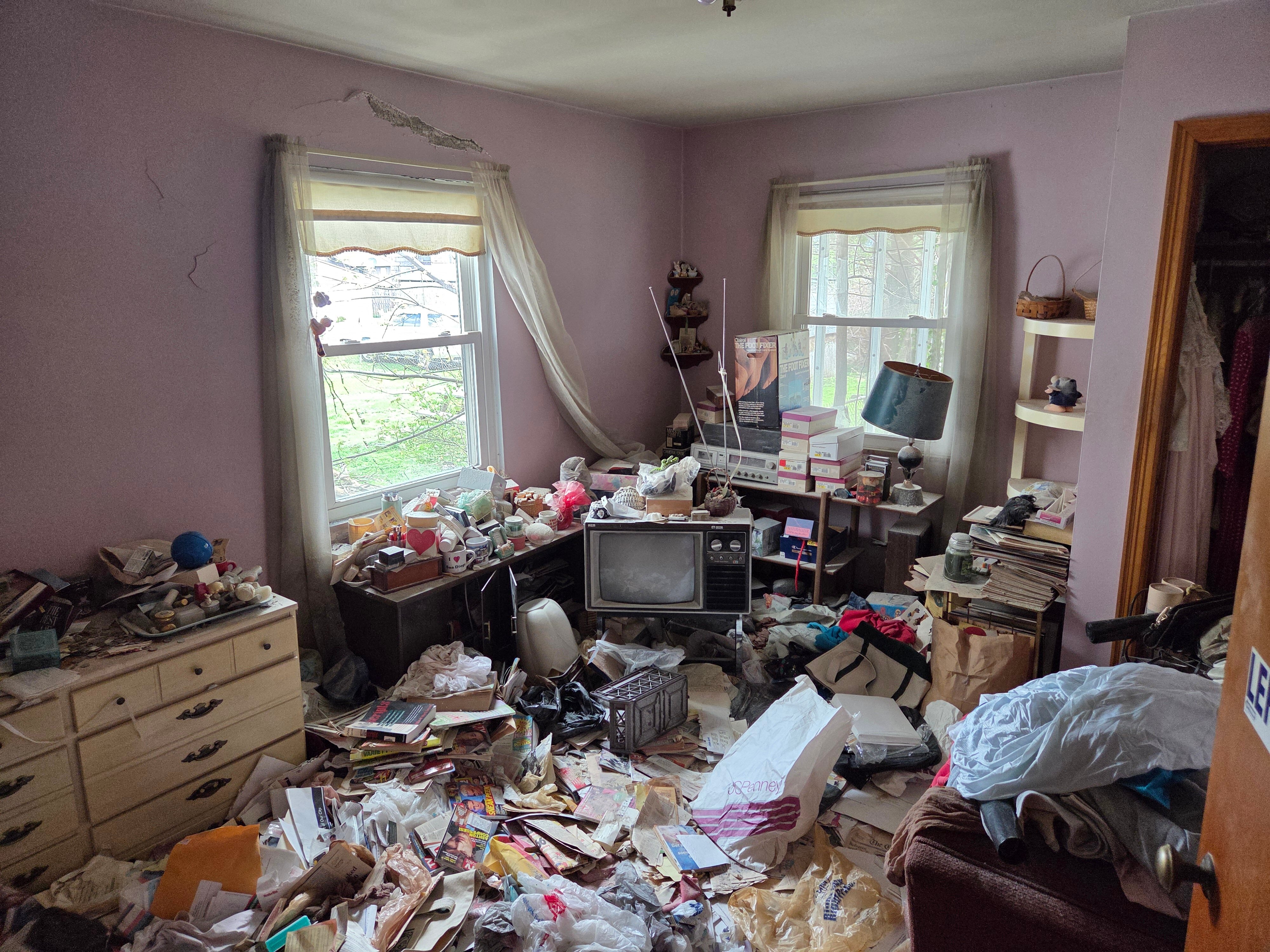
    Step 2: We Evaluate The House

    We’ll review the location, condition, and comparable sales.

    Depending on the circumstances, we may arrange a convenient walkthrough.

    You don’t need to renovate the property before contacting us.

    Step 3: Receive A No-Obligation Cash Offer

    If the property fits our buying criteria, we’ll explain our offer and proposed terms.

    You can compare the offer with renovating and listing traditionally.

    There’s no obligation to accept.

    Step 4: Coordinate With The Title Company

    If you decide to proceed, we’ll work with the title company to address ownership, mortgage payoffs, liens, and other closing requirements.

    Probate or trust documentation may be necessary.

    Step 5: Work Toward Closing

    We can often work toward closing in approximately two weeks when title and other requirements allow.

    However, probate, ownership disputes, liens, and other complications may require additional time.

    We cannot guarantee a particular closing date before reviewing the transaction.

    Frequently Asked Questions About Inherited Houses In Ashville Ohio

    Do I have to go through probate to sell an inherited house in Ohio?

    Not always. Probate requirements depend on how the property was titled and whether a valid nonprobate transfer arrangement applies.

    Can I sell an inherited house during probate?

    Potentially. The person authorized to act for the estate may be able to sell, subject to applicable legal requirements.

    Can I sell my parents’ house after they pass away?

    Potentially. First determine who legally owns the property and who has authority to transfer it.

    What happens if the inherited house has a mortgage?

    The mortgage lien generally remains attached to the property. The loan may be addressed through servicing arrangements or paid off through a sale.

    Am I personally responsible for my deceased parent’s mortgage?

    Not automatically. Personal liability depends on the circumstances and any obligations you’ve personally assumed.

    Can I sell an inherited house with back taxes?

    Potentially. Delinquent taxes may be addressed through closing if sufficient funds are available.

    Can I sell an inherited house without making repairs?

    Potentially. Some investors purchase inherited properties in their existing condition.

    Do I have to clean out the house before selling?

    Not necessarily. Some buyers may agree to accept specified belongings remaining after closing.

    What if my siblings disagree about selling?

    An Ohio probate or real estate attorney can explain ownership rights and available legal options.

    Can I sell an inherited house if I live out of state?

    Potentially. Remote coordination and signing arrangements may be possible, depending on title and closing requirements.

    Will I owe taxes when I sell an inherited house?

    Possibly. The tax treatment depends on basis, sale price, expenses, and other circumstances. Consult a tax professional.

    Can I sell an inherited house that’s in foreclosure?

    Potentially. Ownership authority, mortgage obligations, and foreclosure deadlines must be addressed.

    How quickly can Sell House Columbus close?

    We can often work toward closing in approximately two weeks when title and other requirements allow.

    Is there a fee to receive a cash offer?

    No. Our cash offers are no-obligation.

    Inherited A House In Ashville Ohio? You Don’t Have To Figure Everything Out Alone.

    Inheriting a house can be both meaningful and stressful.

    Maybe the property has been in your family for decades.

    Perhaps you’re dealing with probate, multiple heirs, an outstanding mortgage, or a house that needs substantial repairs.

    You might live out of state.

    Or maybe you’re simply not interested in becoming a landlord or maintaining another property.

    Whatever the circumstances, you have options.

    You may be able to keep the house, rent it, or sell it.

    The right choice depends on your financial goals, the property’s condition, and the legal requirements involved.

    At Sell House Columbus, we’ve been buying houses throughout Central Ohio since 2012.

    We evaluate inherited properties in Ashville and surrounding Pickaway County communities.

    We’re not going to tell you that selling directly is always the best choice.

    If keeping the house or listing traditionally produces a better outcome, that’s worth considering.

    But if you’d rather avoid major repairs and explore a straightforward cash sale, we’d be happy to explain whether we can help.

    There’s no judgment, no pressure, and no obligation to accept an offer.

    Call or text 614-300-5151.

    Visit https://sellhousecolumbus.com to request a no-obligation cash offer.

    Or learn more about how we buy houses in Ashville Ohio

    Let’s see what makes sense for your inherited property, your family, and your financial goals.

    Sell My House Fast Galloway OH Testimonial | We Buy Houses Cash As-Is | 614-300-5151
  • How To Sell A Rental Property With Tenants In Ashville Ohio (Without The Stress Of Being A Landlord)

    Tired Of Being A Landlord In Ashville Ohio? You May Be Able To Sell Your Rental Property Without Waiting For The Tenants To Move Out.

    Owning rental property can be a great investment.

    But sometimes, being a landlord becomes more work than you expected.

    Maybe your tenants have been living in the house for years, and you’re ready to move on.

    Perhaps the property needs expensive repairs, and you don’t want to invest more money into it.

    You might be dealing with late rent payments, vacancies, maintenance requests, or the constant responsibility of managing another property.

    Or maybe you inherited a rental house in Ashville, Ohio, and never intended to become a landlord in the first place.

    Whatever your situation, you may be wondering:

    Can I sell my rental property in Ashville Ohio while tenants are still living there?

    Do I have to wait until the lease expires?

    Can I sell a house with tenants who aren’t paying rent?

    Do I have to make repairs before selling?

    Will a cash home buyer purchase a tenant-occupied rental property?

    And what happens to the tenants after the house is sold?

    The good news is that selling a rental property with tenants is often possible.

    In many situations, a landlord can sell the property while an existing lease remains in place.

    However, selling doesn’t automatically terminate the lease or eliminate tenant rights.

    The details depend on the rental agreement, occupancy status, applicable Ohio law, and the buyer’s plans.

    At Sell House Columbus, we’ve been buying houses throughout Central Ohio since 2012.

    We evaluate rental properties in Ashville and surrounding Pickaway County communities, including certain tenant-occupied houses and properties requiring repairs.

    If your rental property fits our buying criteria, we can explain a no-obligation cash offer.

    You may not have to complete renovations, prepare the house for traditional retail showings, or wait until every tenant has moved out.

    However, we’ll need to review the occupancy situation and existing lease obligations.

    This guide explains how to sell a rental property with tenants in Ashville Ohio, what happens to existing leases, how to handle difficult rental situations, and how to compare a traditional listing with a direct cash sale.

    🎥 Watch: How To Sell A Rental Property With Tenants

    If you’re tired of managing a rental house or wondering whether you can sell while tenants are still living there, watch our video explaining the process and common options for landlords.

    Problem Rental Property? Sell Without Dealing With Tenants or Repairs

    Can You Sell A Rental Property With Tenants In Ashville Ohio?

    Yes, generally.

    Owning a rental property doesn’t prevent you from selling it simply because someone is living there.

    However, the sale is subject to existing legal obligations.

    That means a buyer may purchase the property with tenants remaining in possession.

    In many situations, the buyer becomes the new landlord and takes over applicable responsibilities under the existing lease.

    What Happens To The Lease When The Property Sells?

    An existing lease generally doesn’t disappear just because ownership changes.

    For example, imagine you own a rental house in Ashville.

    Your tenants signed a one-year lease that runs through the end of June.

    You decide to sell the property in February.

    The sale itself generally doesn’t give the new owner an automatic right to terminate the lease early.

    The buyer must account for the tenants’ contractual and legal rights.

    There can be exceptions and special circumstances, so the actual lease and applicable law should be reviewed.

    What If The Tenants Are Month-To-Month?

    Month-to-month tenancies may offer more flexibility, but landlords still must comply with applicable notice requirements.

    Under Ohio Revised Code Section 5321.17, termination of a month-to-month tenancy generally requires at least 30 days’ notice before the periodic rental date, subject to applicable law and circumstances.

    That doesn’t mean the landlord can simply demand that tenants leave immediately because the property is being sold.

    For current statutory information, see Ohio Revised Code Section 5321.17.

    If you’re unsure about notice requirements, consult an Ohio landlord-tenant attorney.

    Why Ashville Landlords Decide To Sell Rental Properties

    Ashville is a village in Pickaway County, south of Columbus.

    The community includes established residential neighborhoods and properties of varying ages and conditions.

    Some owners purchased rental houses as long-term investments.

    Others inherited properties or converted former residences into rentals.

    There are many reasons landlords eventually decide to sell.

    You’re Tired Of Managing Tenants

    Maybe you have a full-time job and don’t want to spend evenings responding to maintenance requests.

    Perhaps you’ve been managing the property yourself for years.

    Even when tenants pay on time, rental ownership requires ongoing attention.
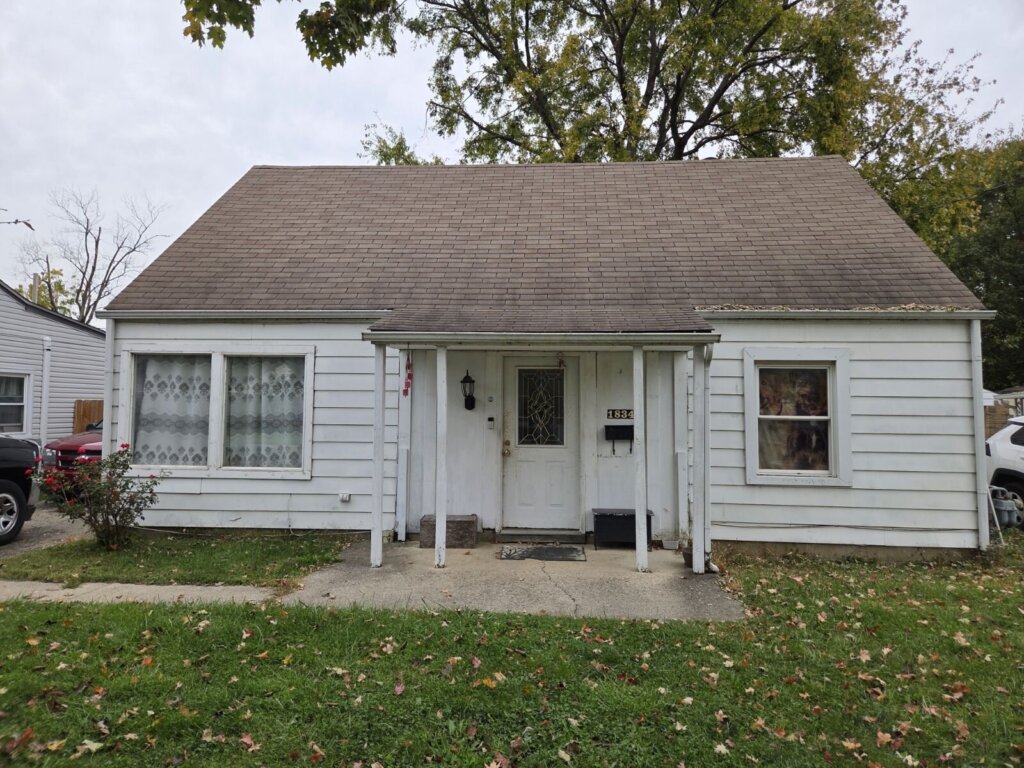
    The House Needs Major Repairs

    Maybe the roof is nearing the end of its useful life.

    Perhaps the furnace needs replacement.

    You might have plumbing problems, outdated electrical systems, or foundation concerns.

    The property may no longer generate enough income to justify the investment.

    You’re Dealing With Late Or Unpaid Rent

    Some landlords experience repeated late payments or extended periods without receiving rent.

    This can make it difficult to cover the mortgage, taxes, insurance, and repairs.

    You Inherited The Rental Property

    Maybe a parent left you a rental house.

    You don’t live nearby and don’t want to become a landlord.

    Or you and your siblings would rather sell and divide the proceeds.

    Learn more about inheriting a house in Ashville Ohio

    You’re Ready To Retire

    Perhaps you’ve owned rental properties for decades.

    You’ve built equity and now want to simplify your finances.

    Selling may allow you to reduce management responsibilities.

    You Want To Reinvest Elsewhere

    Maybe you’ve identified a different investment opportunity.

    Perhaps you want to consolidate your portfolio or move into another asset class.

    The decision may involve tax considerations, including potential capital gains and depreciation recapture.

    Three Ways To Sell A Tenant-Occupied Rental Property In Ashville Ohio

    There are several approaches.

    Option 1: List The Property With A Real Estate Agent

    A real estate agent can market the property to investors and other buyers.

    Advantages

    • Exposure to multiple potential buyers.
    • Opportunity for competing offers.
    • Professional marketing.
    • Potentially higher sale price.

    Disadvantages

    • Tenant coordination may complicate showings.
    • Some buyers prefer vacant properties.
    • Inspections may require access.
    • Financing can create delays.
    • Repairs or concessions may be requested.
    • Selling expenses reduce net proceeds.

    A traditional listing may make sense when the rental is in good condition and you’re comfortable with the marketing process.

    Option 2: Wait Until The Property Is Vacant

    You may decide to sell after the tenants lawfully move out.

    This can make the house easier to show and potentially appeal to owner-occupant buyers.

    However, waiting may create additional expenses.

    Potential Costs

    • Lost rental income.
    • Mortgage payments.
    • Property taxes.
    • Insurance.
    • Utilities.
    • Lawn care.
    • Repairs.
    • Cleaning.
    • Marketing expenses.

    You must also follow applicable lease and tenant-rights requirements.

    Option 3: Sell Directly To A Cash Home Buyer

    Some real estate investors purchase tenant-occupied rental properties.

    At Sell House Columbus, we evaluate rental houses throughout Central Ohio, including Ashville and surrounding Pickaway County communities.

    If your property fits our buying criteria, we can explain a no-obligation cash offer.

    Advantages

    • Potential to sell with tenants remaining.
    • No need to complete major renovations before requesting an offer.
    • Fewer traditional retail showings.
    • No conventional buyer mortgage contingency if the transaction is truly cash.
    • Flexible closing arrangements may be possible.

    Disadvantages

    • Investor offers may be lower than potential retail prices.
    • Tenant payment history and lease terms affect the property’s value.
    • Existing legal obligations must be addressed.
    • Not every rental property qualifies.

    The best choice depends on your property’s condition, tenant situation, and financial goals.

    Can You Sell A Rental Property Without Evicting The Tenants?

    Yes, potentially.

    In many cases, you don’t need to remove tenants simply to sell the property.

    A buyer may purchase the house subject to an existing lease.

    This can be especially attractive to investors who want rental income.

    Example

    Imagine you own a three-bedroom rental house in Ashville.

    The tenant pays $1,350 per month and has a lease extending another eight months.

    You decide you no longer want to manage the property.

    An investor may be interested in purchasing the house with the tenant remaining.

    The buyer would evaluate:

    • Current rent.
    • Lease terms.
    • Payment history.
    • Property condition.
    • Operating expenses.
    • Market rent.
    • Security deposit obligations.
    • Tenant rights.

    However, not every buyer wants an occupied property.

    Some buyers intend to renovate and resell.

    Others may prefer a vacant house.

    The buyer’s plans matter.

    What If Your Tenants Aren’t Paying Rent?

    This is one of the most frustrating situations landlords face.

    Maybe your tenant stopped paying several months ago.

    Perhaps they’re making partial payments.

    Or maybe communication has become difficult.

    You may be wondering whether you can sell the property instead of pursuing an eviction.

    Can You Sell A House With Nonpaying Tenants?

    Potentially.

    Some investors may consider purchasing a property with delinquent tenants.

    However, the situation affects the offer.

    The buyer must consider:

    • Amount of unpaid rent.
    • Lease terms.
    • Occupancy status.
    • Legal proceedings.
    • Property condition.
    • Time and expense involved in resolving the situation.

    Can You Remove The Tenants Yourself?

    No. Landlords must follow applicable legal procedures.

    Ohio law restricts self-help eviction practices.

    Under Ohio Revised Code Section 5321.15, landlords generally may not recover possession by unlawfully excluding tenants, terminating utilities, or seizing possessions outside lawful procedures.

    If eviction is necessary, consult an Ohio landlord-tenant attorney.

    What If An Eviction Is Already Filed?

    A sale may still be possible, but the pending case and occupancy situation must be addressed.

    The parties should determine how the legal proceedings and possession responsibilities will be handled.

    Tenant-occupied rental house in Ashville Ohio being sold to a cash home buyer

    What If The Tenants Refuse To Cooperate With Showings?

    Tenant-occupied properties can be more difficult to market.

    Maybe the tenants don’t want strangers walking through the house.

    Perhaps they work unusual hours.

    Or they simply don’t want to be inconvenienced.

    Does The Landlord Have A Right To Enter?

    Ohio law generally permits landlord entry for certain legitimate purposes, subject to requirements.

    Under Ohio Revised Code Section 5321.04, landlords generally must give reasonable notice before entry, and 24 hours is presumed reasonable in ordinary circumstances, except emergencies.

    Entry must also occur at reasonable times.

    However, landlords should review the lease and applicable law before scheduling showings.

    How Can You Reduce Problems?

    • Communicate respectfully.
    • Explain why access is needed.
    • Provide appropriate notice.
    • Schedule reasonable appointment windows.
    • Avoid unnecessary repeated showings.
    • Respect the tenants’ privacy.

    A direct investor sale may sometimes involve fewer walkthroughs than a traditional retail listing.

    Can You Sell A Rental Property That Needs Major Repairs?

    Potentially.

    Some investors purchase properties requiring significant improvements.

    That may include:

    • Roof replacement.
    • Foundation repairs.
    • Electrical upgrades.
    • Plumbing work.
    • Furnace replacement.
    • Water damage restoration.
    • Kitchen remodeling.
    • Bathroom renovation.
    • Flooring replacement.
    • Exterior repairs.

    However, repair costs affect the offer.

    What If The Property Has Active Tenants?

    Landlords still have legal responsibilities concerning property conditions while tenants occupy the home.

    Selling as-is doesn’t automatically eliminate existing landlord obligations.

    The parties should review any unresolved maintenance issues and determine how they will be addressed.

    Coming soon: Our guide on selling a house with major repairs in Ashville Ohio

    Should You Repair The Rental Before Selling?

    That depends on the cost of repairs and the likely increase in net proceeds.

    For example, you might spend $20,000 renovating the property.

    But if the improvements only increase your net sale proceeds by $12,000, the renovation may not make financial sense.

    On the other hand, some improvements can significantly improve marketability.

    Before renovating, obtain realistic estimates and compare your options.

    What Happens To Security Deposits When You Sell A Rental Property?

    Security deposits are an important part of selling an occupied rental.

    Ohio law imposes obligations concerning security deposits and their handling.

    The purchase agreement and closing process should clearly address deposits held for existing tenants.

    Example

    Imagine:

    • Monthly rent: $1,350.
    • Security deposit: $1,350.
    • Closing date: the middle of the month.

    The parties may need to address the security deposit and prorate rent according to the contract.

    The buyer and seller should document who is responsible for the deposit and other tenant-related obligations after closing.

    Don’t assume that the deposit automatically becomes the seller’s money simply because the property is sold.

    Consult the title company and an Ohio attorney when necessary.

    For statutory information, see Ohio Revised Code Section 5321.16.

    What Happens To The Rent After Closing?

    The buyer and seller typically address rent through the closing statement and purchase agreement.

    For example, if the seller has collected rent for the entire month but closes halfway through, the buyer may receive a prorated credit.

    The exact treatment depends on the agreement and circumstances.

    What If The Tenant Pays Rent Late?

    The parties should clarify how unpaid rent and any later collections will be handled.

    Don’t leave these issues to verbal assumptions.

    What If You Have A Long-Term Lease?

    A long-term lease may affect the property’s marketability.

    For example, imagine a tenant has 18 months remaining on a lease.

    An investor interested in rental income may find that attractive.

    But a buyer planning to occupy the house may be less interested.

    The buyer generally must account for the existing lease and applicable law.

    Before signing a sale contract, review the lease carefully.

    What If You Have A Month-To-Month Tenant?

    Month-to-month tenancies may be easier to manage from a timing perspective.

    However, proper notice requirements still apply.

    Selling the property doesn’t automatically end the tenancy.

    If you want the house vacant before closing, discuss the lawful process and realistic timeline with an Ohio attorney.

    What If The Tenants Have Damaged The Property?

    Some landlords discover damage during inspections or after tenants move out.

    Examples include:

    • Broken doors.
    • Damaged flooring.
    • Holes in drywall.
    • Plumbing damage.
    • Missing fixtures.
    • Excessive trash.
    • Unauthorized alterations.

    The extent of the damage affects the property’s value.

    Some investors may purchase the property without requiring the seller to complete all repairs.

    However, not every buyer will accept every condition.

    What If The Tenants Left Behind Furniture Or Belongings?

    Sometimes tenants move out but leave personal property behind.

    You may be tempted to rent a dumpster and remove everything immediately.

    However, the handling of tenant belongings can involve legal obligations.

    Don’t assume abandoned-looking property can always be discarded without following applicable requirements.

    If the tenancy has ended and belongings remain, consult an Ohio landlord-tenant attorney about the proper process.

    Coming soon: Our guide on selling a hoarder house in Ashville Ohio

    Can You Sell An Inherited Rental Property In Ashville Ohio?

    Potentially.

    Maybe your parents owned a rental house.

    Now you’ve inherited it, but you don’t want to manage tenants.

    You may be dealing with probate, multiple heirs, a mortgage, or repairs.

    The first step is determining who has legal authority to sell.

    Then you can evaluate whether to keep the property, rent it, or sell it.

    Learn more about inheriting a house in Ashville Ohio

    Can You Sell A Rental Property With A Mortgage?

    Potentially.

    In a typical sale, the mortgage is paid off through closing.

    The title company generally obtains payoff information and coordinates the required payments.

    Example

    Imagine:

    • Sale price: $180,000.
    • Mortgage payoff: $95,000.
    • Illustrative selling expenses: $8,000.

    That would leave approximately $77,000 before other obligations and taxes.

    These figures are hypothetical.

    Actual proceeds depend on the title review, payoff statement, contract, and closing statement.

    What If Your Rental Property Is Behind On Mortgage Payments?

    Perhaps the tenants stopped paying rent.

    Maybe repairs drained your reserves.

    Or your mortgage payment increased.

    If you’re behind, contact your mortgage servicer promptly about available options.

    If foreclosure proceedings have started, consult an Ohio attorney.

    Selling may be worth considering if keeping the property is no longer financially realistic.

    Learn more about facing foreclosure in Ashville Ohio

    How Much Is A Tenant-Occupied Rental Property Worth?

    The value depends on several factors.

    Location

    Neighborhood and comparable sales affect value.

    Condition

    A well-maintained rental may appeal to more buyers than a property requiring extensive repairs.

    Rental Income

    Investors may evaluate the current rent and potential future income.

    Operating Expenses

    Property taxes, insurance, maintenance, management, and vacancy affect investment returns.

    Lease Terms

    A long-term lease at below-market rent may affect value differently from a month-to-month arrangement.

    Tenant Payment History

    Reliable payment history may be attractive to investors.

    Occupancy And Legal Issues

    Nonpaying tenants, unresolved disputes, and pending eviction proceedings may affect buyer interest.

    Example: Sell Your Ashville Rental Traditionally Or For Cash

    Imagine you own a rental property that could potentially sell for $200,000 through a traditional listing after some preparation.

    You also receive a hypothetical cash offer of $175,000.

    ItemTraditional SaleDirect Cash Sale
    Sale price$200,000$175,000
    Repairs and preparation-$10,000$0
    Selling expenses-$12,000-$3,000
    Carrying costs-$3,000-$1,000
    Estimated proceeds before debts and taxes$175,000$171,000

    These figures are hypothetical and don’t represent an actual appraisal, repair estimate, or cash offer.

    In this example, the traditional sale produces approximately $4,000 more before debts and taxes.

    However, it requires additional work and expenses.

    Some landlords may prefer the higher proceeds.

    Others may value the convenience of selling directly.

    The best decision depends on your priorities.

    What About Capital Gains Taxes When Selling A Rental Property?

    Selling investment real estate may create tax consequences.

    Potential considerations include:

    • Capital gains.
    • Depreciation recapture.
    • Adjusted tax basis.
    • Selling expenses.
    • Prior improvements.
    • Ownership structure.
    • State and federal taxes.

    What Is Depreciation Recapture?

    Depreciation deductions taken or allowable during ownership can affect the tax consequences when a rental property is sold.

    The calculations can be complicated.

    Can You Use A 1031 Exchange?

    A properly structured like-kind exchange under Internal Revenue Code Section 1031 may allow eligible investors to defer certain gains when exchanging qualifying investment real estate.

    Strict rules and deadlines apply.

    For example, certain exchanges require identification of replacement property within 45 days and completion within 180 days, subject to applicable rules.

    A qualified intermediary is typically involved.

    Don’t assume every sale qualifies.

    If you’re considering a 1031 exchange, speak with a qualified tax professional before closing.

    For federal information, see IRS guidance on like-kind exchanges.

    Do You Have To Disclose Property Problems When Selling A Rental House?

    Ohio generally requires sellers of covered residential real estate to provide a residential property disclosure form, subject to statutory exceptions.

    The requirements are addressed in Ohio Revised Code Section 5302.30.

    Selling as-is doesn’t automatically eliminate applicable disclosure obligations.

    For most residential housing built before 1978, federal lead-based paint disclosure requirements may also apply, subject to exceptions.

    If you’re unsure which disclosures apply, consult an Ohio real estate attorney.

    How Quickly Can You Sell A Tenant-Occupied Rental Property?

    The timeline depends on the buyer, property, occupancy, and title requirements.

    A traditional listing may involve:

    • Marketing.
    • Showings.
    • Inspections.
    • Buyer financing.
    • Tenant coordination.
    • Closing.

    A direct cash sale may eliminate some steps.

    At Sell House Columbus, we can often work toward closing in approximately two weeks when title and other requirements allow.

    However, complicated lease arrangements, legal disputes, liens, or other issues may require additional time.

    How Sell House Columbus Buys Rental Properties In Ashville Ohio

    At Sell House Columbus, we’ve been buying houses throughout Central Ohio since 2012.

    We evaluate rental properties in Ashville and surrounding Pickaway County communities.

    We understand that some landlords are simply ready to move on.

    You may not want to renovate the property, coordinate dozens of showings, or continue dealing with maintenance requests.

    If your property fits our buying criteria, we can explain a no-obligation cash offer.

    Step 1: Tell Us About Your Rental

    Call or text 614-300-5151, or complete the form on our website.

    Let us know the property address, general condition, and whether tenants are currently living there.

    Step 2: Review The Occupancy Situation

    We’ll ask about the lease, rent, payment history, and any known issues.

    Depending on the circumstances, we may arrange a convenient walkthrough with appropriate tenant coordination.

    Step 3: Receive A No-Obligation Cash Offer

    If the property fits our buying criteria, we’ll explain our offer and proposed terms.

    You can compare the offer with listing traditionally or keeping the rental.

    There’s no obligation to accept.

    Step 4: Coordinate With The Title Company

    If you decide to proceed, we’ll work with the title company to address ownership, mortgage payoffs, liens, and other closing requirements.

    The purchase agreement should also address applicable lease obligations, deposits, rent prorations, and occupancy arrangements.

    Step 5: Work Toward Closing

    We can often work toward closing in approximately two weeks when title and other requirements allow.

    However, tenant-related disputes, title issues, and other complications may affect the timeline.

    Frequently Asked Questions About Selling A Rental Property With Tenants In Ashville Ohio

    Can I sell my rental property with tenants still living there?

    Yes, generally. The buyer must account for existing leases and applicable tenant rights.

    Do I have to evict my tenants before selling?

    Not necessarily. Some buyers purchase tenant-occupied properties.

    Does selling the property terminate the lease?

    Generally, no. Existing lease rights typically remain relevant after ownership changes.

    Can I sell a rental house with nonpaying tenants?

    Potentially. Some investors may evaluate properties with delinquent tenants.

    Can I sell a rental property that needs major repairs?

    Potentially. Some buyers purchase houses in their existing condition.

    Do tenants have to allow showings?

    Landlord entry rights are subject to Ohio law, reasonable notice requirements, and other applicable obligations.

    What happens to the security deposit?

    The seller and buyer should address the deposit and related obligations through the contract and closing process.

    What happens to rent collected before closing?

    Rent is often prorated according to the purchase agreement.

    Can I sell an inherited rental property?

    Potentially. Ownership and probate requirements may apply.

    Can I sell a rental property with a mortgage?

    Potentially. The mortgage payoff is generally handled through closing.

    Can I sell a rental property that’s in foreclosure?

    Potentially. Foreclosure deadlines and legal requirements must be addressed.

    Will I owe taxes when I sell my rental property?

    Possibly. Capital gains, depreciation recapture, and other tax rules may apply.

    How quickly can Sell House Columbus close?

    We can often work toward closing in approximately two weeks when title and other requirements allow.

    Is there a fee to receive a cash offer?

    No. Our cash offers are no-obligation.

    Ready To Sell Your Rental Property In Ashville Ohio? Let’s Explore Your Options.

    Being a landlord isn’t always easy.

    Maybe you’ve owned the property for years and you’re ready to retire.

    Perhaps you’re dealing with difficult tenants, expensive repairs, or an inherited rental you never wanted.

    Or maybe you’re simply ready to move your money into something else.

    Whatever the circumstances, you may have options.

    You don’t necessarily have to wait until the property is vacant before exploring a sale.

    And you may not have to complete major renovations before requesting an offer.

    At Sell House Columbus, we’ve been buying houses throughout Central Ohio since 2012.

    We evaluate rental properties in Ashville and surrounding Pickaway County communities.

    We’re not going to tell you that selling directly is always the best choice.

    If keeping the rental or listing traditionally produces a better financial outcome, that’s worth considering.

    But if you’d rather move on from the responsibilities of being a landlord and explore a straightforward cash sale, we’d be happy to explain whether we can help.

    There’s no pressure and no obligation to accept an offer.

    Call or text 614-300-5151.

    Visit https://sellhousecolumbus.com to request a no-obligation cash offer.

    Or learn more about how we buy houses in Ashville Ohio

    Let’s see what makes sense for your rental property, your tenants, and your financial goals.

    Sell My House Fast Hilliard OH Testimonial | We Buy Houses Cash As-Is | 614-300-5151
  • Sell Your House As-Is In Ashville Ohio (No Repairs, No Cleaning)

    Need To Sell Your House In Ashville Ohio But Don’t Want To Make Repairs?

    Maybe your house needs a new roof.

    Perhaps the kitchen and bathrooms haven’t been updated in decades.

    You might be dealing with plumbing problems, outdated electrical systems, damaged flooring, or a basement that gets water every time it rains.

    Or maybe the house is in reasonably good condition, but you simply don’t want to spend weeks painting, cleaning, landscaping, and preparing for showings.

    Whatever your circumstances, you may be asking:

    Can I sell my house as-is in Ashville Ohio?

    Do I have to fix everything before selling?

    Will anyone buy a house with major repairs?

    Can I leave furniture and unwanted belongings behind?

    Do I have to hire a real estate agent?

    And how much money will I receive if I sell the property in its current condition?

    The good news is that you don’t necessarily have to renovate your house before selling it.

    Some buyers are specifically interested in properties that need repairs.

    Others may purchase houses that are simply outdated or require cosmetic improvements.

    And certain cash buyers may agree to purchase a property with specified unwanted belongings remaining after closing.

    However, selling as-is doesn’t mean every buyer will accept every condition, and it doesn’t eliminate applicable legal obligations.

    The key is understanding what an as-is sale actually means and comparing your options.

    At Sell House Columbus, we’ve been buying houses throughout Central Ohio since 2012.

    We evaluate properties in Ashville and surrounding Pickaway County communities, including houses needing repairs, inherited properties, unwanted rentals, and vacant homes.

    If your house fits our buying criteria, we can explain a no-obligation cash offer.

    You don’t need to complete major renovations before contacting us.

    We’re not going to tell you that selling directly is always the best choice.

    If your house is in excellent condition and you have time to market it, listing traditionally may produce a higher net return.

    But if you’d rather avoid repairs and explore a more straightforward sale, a direct cash offer may be worth considering.

    This guide explains how to sell your house as-is in Ashville Ohio, what buyers look for, how repair costs affect offers, and how to decide whether renovating or selling in its current condition makes more sense.

    🎥 Watch: How To Sell Your House As-Is Without Making Repairs

    If you’re considering selling your house without fixing it up, watch our video explaining how as-is sales work and what to consider before spending money on renovations.

    Sell Your House As-Is | No Repairs, No Cleaning, No Hassle

    What Does Selling A House As-Is Mean In Ohio?

    Selling a house as-is generally means the buyer agrees to purchase the property in its existing condition, subject to the purchase agreement.

    The seller isn’t agreeing to complete a list of repairs simply because the buyer wants improvements.

    However, the exact meaning depends on the contract.

    Does As-Is Mean No Inspections?

    Not necessarily.

    A buyer may still have inspection rights.

    Some contracts allow buyers to inspect the property and cancel under specified circumstances.

    Others may contain different inspection provisions.

    The important thing is to understand the actual agreement before signing.

    Does As-Is Mean No Disclosures?

    No.

    Ohio generally requires sellers of covered residential real estate to provide a residential property disclosure form, subject to statutory exceptions.

    An as-is clause doesn’t automatically eliminate applicable disclosure obligations.

    Does As-Is Mean I Can Leave Everything Behind?

    Not automatically.

    An agreement to purchase a property in its current condition doesn’t necessarily mean the buyer agrees to accept every item of personal property.

    If you want to leave furniture, appliances, or other belongings behind, that arrangement should be documented in writing.

    Why Homeowners In Ashville Ohio Sell Houses As-Is

    Ashville is a village in Pickaway County, south of Columbus.

    The community includes homes of different ages, sizes, and conditions.

    Some homeowners have lived in the same house for decades.

    Others own inherited properties, rental houses, or homes they no longer want to maintain.

    There are many reasons someone may prefer an as-is sale.

    The House Needs More Repairs Than You Can Afford

    Perhaps you’ve received a $15,000 roofing estimate.

    Maybe the furnace needs replacement.

    Or the plumbing and electrical systems need significant upgrades.

    You may not want to spend that money before selling.

    You Inherited An Older Property

    Maybe your parents owned a house in Ashville for 40 years.

    Now you’ve inherited it, but the kitchen, bathrooms, and mechanical systems haven’t been updated.

    You may also be dealing with probate and personal belongings.

    Learn more about inheriting a house in Ashville Ohio

    You’re Tired Of Being A Landlord

    Perhaps your rental property needs repairs between tenants.

    Maybe you’ve decided you no longer want to manage maintenance requests.

    Or you’re ready to sell your investment property and move on.

    Learn more about selling a rental property with tenants in Ashville Ohio

    You’re Relocating

    Maybe you’ve accepted a job in another state.

    Perhaps you already purchased another house.

    You don’t want to spend months renovating your Ashville property before selling.

    You’re Dealing With Financial Pressure

    Maybe you’re behind on mortgage payments.

    Perhaps the house needs repairs you can’t afford.

    Or the ongoing expenses have become difficult to manage.

    Learn more about facing foreclosure in Ashville Ohio

    You Simply Don’t Want To Renovate

    Not every as-is seller is facing a difficult situation.

    Some homeowners simply prefer convenience.

    They would rather accept a reasonable offer and move forward than coordinate contractors, inspections, and repairs.

    What Types Of Houses Can Be Sold As-Is In Ashville Ohio?

    Some investors evaluate a wide range of property conditions.

    However, not every property will qualify.

    Here are common examples.

    Houses With Roof Problems

    A damaged or aging roof can be expensive to replace.

    Potential issues include:

    • Missing shingles.
    • Active leaks.
    • Damaged flashing.
    • Water-stained ceilings.
    • Rotting roof decking.
    • Older roofing materials.

    Some investors may purchase houses requiring roof replacement.

    However, the expected repair cost affects the offer.

    Houses With Foundation Problems

    Foundation concerns can be especially stressful.

    Examples include:

    • Cracks in foundation walls.
    • Bowing basement walls.
    • Uneven floors.
    • Settlement.
    • Water intrusion.
    • Structural movement.

    Some buyers may evaluate these properties.

    However, serious structural problems may require professional assessment.

    Houses With Plumbing Problems

    Plumbing issues may include:

    • Leaking supply lines.
    • Damaged drains.
    • Sewer problems.
    • Old fixtures.
    • Water heater failures.
    • Repeated backups.

    You may not want to replace the plumbing system before selling.

    Houses With Electrical Problems

    Older homes may contain outdated electrical systems.

    Possible issues include:

    • Insufficient electrical capacity.
    • Damaged wiring.
    • Unsafe outlets.
    • Outdated panels.
    • Improper modifications.
    • Nonfunctioning circuits.

    Electrical problems should be handled by qualified professionals.

    Houses With Water Damage

    Water damage can come from:

    • Roof leaks.
    • Plumbing failures.
    • Basement flooding.
    • Appliance leaks.
    • Drainage problems.
    • Storm damage.

    The extent of the damage affects the repair scope.

    Houses With Mold Or Moisture Problems

    Some properties develop moisture issues after leaks or prolonged vacancy.

    If mold is suspected, appropriate professional evaluation may be necessary.

    Don’t assume every investor will purchase a house with severe contamination.

    Houses With Outdated Kitchens And Bathrooms

    Sometimes a house doesn’t have major structural problems.

    It simply hasn’t been updated in decades.

    Potential buyers may want:

    • New cabinets.
    • Updated countertops.
    • Modern fixtures.
    • New flooring.
    • Fresh paint.
    • Improved lighting.

    An investor may evaluate the cost of these improvements when making an offer.

    Houses With Fire Or Storm Damage

    Some buyers may evaluate properties damaged by fire or severe weather.

    However, insurance claims, safety concerns, structural damage, and other complications can affect the transaction.

    Houses With Excessive Clutter

    Maybe the house is full of furniture, boxes, and belongings.

    Perhaps you inherited the property and don’t have time to clean it out.

    Some buyers may agree to handle specified belongings after closing.

    Coming soon: Our guide on selling a hoarder house in Ashville Ohio

    Do You Have To Make Repairs Before Selling A House In Ashville Ohio?

    Not necessarily.

    The answer depends on the buyer and the contract.

    Traditional Buyers

    Many owner-occupant buyers want a house that’s ready to move into.

    Some may request repairs after inspections.

    Certain financing programs also have property-condition requirements.

    Investor Buyers

    Some investors purchase properties specifically because they need renovations.

    They may be willing to handle repairs after closing.

    However, they generally account for those expenses when determining the offer.

    The Important Question

    Instead of asking whether you must repair everything, ask:

    Will spending money on repairs increase my net proceeds enough to justify the time, expense, and risk?

    That is the comparison that matters.

    Should You Fix Up Your Ashville House Or Sell It As-Is?

    Let’s look at a hypothetical example.

    Imagine your Ashville house could potentially sell for $250,000 after renovations.

    The property needs approximately $35,000 in repairs.

    You also receive a hypothetical cash offer of $200,000.

    ItemRenovate And ListSell As-Is
    Sale price$250,000$200,000
    Repairs-$35,000$0
    Selling expenses-$15,000-$3,000
    Holding costs-$5,000-$1,000
    Estimated proceeds before debts and taxes$195,000$196,000

    These figures are hypothetical and don’t represent an actual appraisal, contractor estimate, or cash offer.

    In this example, selling as-is produces approximately $1,000 more before debts and taxes.

    But another property might produce a very different result.

    Renovating and listing could generate substantially more money if repair costs are low relative to the increase in sale price.

    The key is to compare realistic net proceeds.

    Older house in Ashville Ohio needing repairs and being sold as-is to a cash home buyer

    What Repairs Should You Avoid Making Before Selling As-Is?

    If you’re considering selling directly to an investor, don’t automatically begin renovations.

    Before spending money, consider getting an as-is offer.

    That can help you compare your options.

    Cosmetic Improvements

    Painting, flooring, and landscaping may improve retail marketability.

    But if you’re selling directly to an investor, those improvements may not be necessary.

    Kitchen Remodeling

    A full kitchen renovation can be expensive.

    The return depends on the property and market.

    Bathroom Remodeling

    A bathroom renovation may improve appeal, but the expense isn’t always justified before an as-is sale.

    Roof Replacement

    If the roof needs replacement, compare the repair cost with the effect on your likely sale proceeds.

    Major Structural Work

    Foundation and structural repairs can be complicated.

    Obtain qualified advice before making decisions.

    Important Safety Exception

    If the property has active hazards, you may still need to address safety, legal, insurance, or occupancy requirements.

    Selling as-is doesn’t eliminate those obligations.

    Can You Sell Your Ashville House Without Cleaning It?

    Potentially.

    Some investors may purchase properties that haven’t been professionally cleaned.

    You may not need to:

    • Shampoo carpets.
    • Deep-clean kitchens.
    • Scrub bathrooms.
    • Wash windows.
    • Paint walls.
    • Remove every piece of furniture.
    • Stage the property.

    However, the buyer’s expectations should be clearly established.

    What If You Want To Leave Furniture Behind?

    Ask whether the buyer will accept the belongings.

    Get the arrangement in writing.

    What If The House Contains Valuable Items?

    Before closing, remove important documents, valuables, medications, family photographs, and other belongings you intend to keep.

    What If The Belongings Belong To Someone Else?

    Tenant property, estate assets, and belongings owned by other parties may involve legal obligations.

    Don’t assume you can dispose of them simply because you’re selling the house.

    Can You Sell A House As-Is Without A Realtor?

    Yes, potentially.

    You can sell directly to a buyer without hiring a listing agent.

    However, you still need to understand the purchase agreement and closing requirements.

    What About Real Estate Commissions?

    If you sell directly without agents involved, there may be no real estate brokerage commission.

    However, other closing costs may still apply.

    Ask for a written explanation of who pays which expenses.

    Do You Need A Title Company?

    A title company is commonly involved in Ohio real estate transactions to coordinate title review, closing documents, mortgage payoffs, and recording.

    The actual process depends on the transaction.

    How Much Will A Cash Buyer Pay For An As-Is House In Ashville Ohio?

    The offer depends on several factors.

    Location

    The property’s neighborhood and comparable sales affect value.

    Condition

    A house needing minor cosmetic improvements is different from one requiring major structural repairs.

    After-Repair Value

    Investors may estimate what the property could sell for after renovations.

    Repair Costs

    The buyer considers the anticipated cost of improvements.

    Holding Costs

    These may include property taxes, insurance, utilities, financing, and maintenance.

    Selling Expenses

    If the investor plans to renovate and resell, additional transaction costs may apply.

    Risk And Required Return

    Investors account for unexpected repairs, market changes, and the return needed to justify the project.

    That’s why a cash investor’s offer is often lower than a potential renovated retail sale price.

    What If Your Ashville House Has A Mortgage?

    You can potentially sell a house with an outstanding mortgage.

    In a typical sale, the mortgage is paid off through closing.

    Example

    Imagine:

    • Cash sale price: $190,000.
    • Mortgage payoff: $110,000.
    • Illustrative selling expenses: $4,000.

    That would leave approximately $76,000 before other obligations and taxes.

    Actual proceeds depend on the payoff statement, title review, and closing statement.

    Can You Sell A House As-Is If You’re Behind On Mortgage Payments?

    Potentially.

    If you’re behind, contact your mortgage servicer promptly.

    Ask about available assistance and the exact amount required to bring the loan current.

    If foreclosure proceedings have started, consult an Ohio attorney.

    A sale may be an option if keeping the property isn’t financially realistic.

    Learn more about facing foreclosure in Ashville Ohio

    Coming soon: Our guide on being behind on mortgage payments in Ashville Ohio

    Can You Sell An Inherited House As-Is?

    Potentially.

    Many inherited properties need repairs or contain decades of belongings.

    You may not want to renovate the house before selling.

    However, probate, trust, or other ownership requirements may apply.

    Learn more about inheriting a house in Ashville Ohio

    Can You Sell A Rental Property As-Is?

    Potentially.

    Some investors purchase rental properties requiring repairs.

    Certain buyers may also consider tenant-occupied houses.

    However, existing leases, tenant rights, and landlord obligations must be respected.

    Learn more about selling a rental property with tenants in Ashville Ohio

    Can You Sell A Vacant House As-Is?

    Potentially.

    Maybe the house has been empty for months.

    Perhaps it needs repairs or has accumulated maintenance problems.

    Selling as-is may allow you to avoid certain renovations before marketing the property.

    Coming soon: Our guide on selling a vacant house in Ashville Ohio

    Can You Sell A House With Back Taxes Or Liens?

    Potentially.

    Some properties have outstanding obligations such as:

    • Delinquent property taxes.
    • Mortgage liens.
    • Judgment liens.
    • Mechanic’s liens.
    • Other recorded claims.

    The title company generally investigates recorded title matters.

    Some obligations may be paid from sale proceeds if sufficient funds are available.

    Others may require additional legal work.

    If your property is involved in foreclosure or tax foreclosure, consult an Ohio attorney promptly.

    Does Selling As-Is Mean You Don’t Have To Disclose Problems?

    No.

    Ohio generally requires sellers of covered residential real estate to provide a residential property disclosure form, subject to statutory exceptions.

    The requirements are addressed in Ohio Revised Code Section 5302.30.

    Selling as-is doesn’t automatically eliminate applicable disclosure obligations.

    If you know about significant defects, don’t conceal or misrepresent them.

    For most residential housing built before 1978, federal lead-based paint disclosure requirements may also apply, subject to exceptions.

    If you’re unsure what must be disclosed, consult an Ohio real estate attorney.

    How Quickly Can You Sell A House As-Is In Ashville Ohio?

    The timeline depends on the buyer, property, title, and legal circumstances.

    A traditional sale may involve:

    • Repairs.
    • Cleaning.
    • Photography.
    • Marketing.
    • Showings.
    • Inspections.
    • Appraisal.
    • Buyer financing.
    • Closing.

    A direct cash sale may eliminate some steps.

    At Sell House Columbus, we can often work toward closing in approximately two weeks when title and other requirements allow.

    However, probate, liens, foreclosure proceedings, ownership disputes, and other complications may require additional time.

    We don’t guarantee a particular closing date before reviewing the transaction.

    Questions To Ask Before Accepting An As-Is Cash Offer

    Before signing a purchase agreement, ask:

    Are You Actually Purchasing The House?

    Some investors purchase properties themselves.

    Others may assign contracts.

    Understand the proposed arrangement.

    Can You Provide Proof Of Funds?

    Ask how the purchase will be funded.

    Will You Require Inspections?

    Understand whether the buyer can inspect, renegotiate, or cancel.

    Can I Leave Belongings Behind?

    Get any agreement in writing.

    Who Pays Closing Costs?

    Ask for a clear explanation of expenses.

    What Happens If Closing Is Delayed?

    Review deadlines, contingencies, and default provisions.

    Can I Review The Contract With An Attorney?

    You should feel comfortable seeking independent legal advice.

    How Sell House Columbus Buys Houses As-Is In Ashville Ohio

    At Sell House Columbus, we’ve been buying houses throughout Central Ohio since 2012.

    We evaluate properties in Ashville and surrounding Pickaway County communities.

    We understand that not every homeowner wants to spend months renovating a property before selling.

    Our goal is to explain whether a direct cash purchase may be a reasonable option.

    Step 1: Tell Us About Your House

    Call or text 614-300-5151, or complete the form on our website.

    Let us know the property address, general condition, and your desired timeline.

    You don’t need to renovate before contacting us.

    Step 2: We Evaluate The Property

    We’ll review the location, condition, and comparable sales.

    Depending on the circumstances, we may arrange a convenient walkthrough.

    Step 3: Receive A No-Obligation Cash Offer

    If the property fits our buying criteria, we’ll explain our offer and proposed terms.

    You can compare the offer with repairing and listing traditionally.

    There’s no obligation to accept.

    Step 4: Coordinate With The Title Company

    If you decide to proceed, we’ll work with the title company to address ownership, mortgage payoffs, liens, and other closing requirements.

    Step 5: Work Toward Closing

    We can often work toward closing in approximately two weeks when title and other requirements allow.

    However, complicated title or legal issues may require additional time.

    Frequently Asked Questions About Selling A House As-Is In Ashville Ohio

    Can I sell my house as-is in Ashville Ohio?

    Yes, potentially. Some buyers purchase houses in their existing condition.

    Do I have to make repairs before selling?

    Not necessarily. Some investors purchase properties requiring substantial renovations.

    Can I sell without cleaning the house?

    Potentially. Some buyers may accept properties that haven’t been professionally cleaned.

    Can I leave furniture behind?

    Potentially. The purchase agreement should clearly state which belongings may remain.

    Can I sell a house with foundation problems?

    Potentially. Some investors evaluate properties with structural concerns.

    Can I sell a house with water damage?

    Potentially. The extent of the damage affects the offer.

    Can I sell a house with an old roof?

    Potentially. Some buyers purchase properties requiring roof replacement.

    Can I sell an inherited house as-is?

    Potentially. Probate, trust, or other ownership requirements may apply.

    Can I sell a rental property as-is?

    Potentially. Some investors purchase rental houses requiring repairs.

    Can I sell without a real estate agent?

    Yes, potentially. You can sell directly to a buyer.

    Can I sell if I’m behind on mortgage payments?

    Potentially. Mortgage and foreclosure-related requirements must be addressed.

    Do I have to disclose defects when selling as-is?

    Applicable Ohio disclosure obligations may still apply.

    How quickly can Sell House Columbus close?

    We can often work toward closing in approximately two weeks when title and other requirements allow.

    Is there a fee to receive a cash offer?

    No. Our cash offers are no-obligation.

    Ready To Sell Your House As-Is In Ashville Ohio? Let’s Explore Your Options.

    Selling a house doesn’t always have to involve expensive renovations.

    Maybe the roof needs replacement.

    Perhaps the kitchen and bathrooms are outdated.

    You might be dealing with foundation problems, water damage, an inherited property, or a rental house you no longer want.

    Or maybe you simply don’t want to spend weeks cleaning, painting, and preparing for showings.

    Whatever the circumstances, you may have options.

    At Sell House Columbus, we’ve been buying houses throughout Central Ohio since 2012.

    We evaluate houses in Ashville and surrounding Pickaway County communities.

    We’re not going to tell you that selling directly is always the best choice.

    If renovating and listing traditionally produces a better financial outcome, that’s worth considering.

    But if you’d rather avoid major repairs and explore a straightforward cash sale, we’d be happy to explain whether we can help.

    There’s no pressure and no obligation to accept an offer.

    Call or text 614-300-5151.

    Visit https://sellhousecolumbus.com to request a no-obligation cash offer.

    Or learn more about how we buy houses in Ashville Ohio

    Let’s see what makes sense for your property, your timeline, and your financial goals.

    Sell My House Fast Reynoldsburg OH Testimonial | We Buy Houses Cash As-Is | 614-300-5151
  • How To Sell Your House During Divorce In Ashville Ohio (Without Adding More Stress)

    Going Through A Divorce In Ashville Ohio? Selling Your House Doesn’t Have To Make Everything More Difficult.

    Divorce can be one of the most challenging experiences a family goes through.

    There are emotional decisions, financial concerns, legal paperwork, and questions about what life will look like moving forward.

    And if you own a house together, deciding what happens to the property can make everything more complicated.

    Maybe you and your spouse have agreed to sell the house and divide the proceeds.

    Perhaps one person wants to keep the property while the other wants to move on.

    You might be worried about making mortgage payments while maintaining two separate households.

    Or maybe the house needs expensive repairs, and neither of you wants to invest more money before selling.

    Whatever your circumstances, you may be wondering:

    Can we sell our house before our divorce is finalized in Ohio?

    What happens if both spouses are on the mortgage?

    Do we have to agree on the sale price?

    How is home equity divided during divorce?

    Can we sell the house without making repairs?

    What if one spouse refuses to sell?

    And is there a way to sell the property without months of showings and negotiations?

    These are important questions.

    The good news is that selling a house during divorce is often possible.

    However, the process depends on how the property is titled, existing mortgage obligations, any court orders, and the agreements between the spouses.

    At Sell House Columbus, we’ve been buying houses throughout Central Ohio since 2012.

    We evaluate properties in Ashville and surrounding Pickaway County communities, including homes that need repairs, jointly owned properties, and houses being sold during major life transitions.

    If you and your spouse decide that selling is the right option, we may be able to explain a no-obligation cash offer.

    We’re not divorce attorneys, and we don’t provide legal advice.

    Before signing a purchase agreement, both spouses should consult their respective attorneys about property rights, court orders, and the proposed sale.

    Our goal is to help you understand the practical options available so you can make an informed decision.

    🎥 Watch: How To Sell Your House During Divorce

    If you’re considering selling your home during a divorce, watch our video explaining common challenges and how a direct home sale may simplify some parts of the process.

    Selling A House During Divorce? What You Need To Know Before You Do

    What Happens To The House During Divorce In Ohio?

    In Ohio, a house owned by one or both spouses may be part of the property division process.

    However, the way a house is titled doesn’t necessarily determine how its value will be treated in divorce.

    Ohio law distinguishes between marital property and separate property.

    What Is Marital Property?

    Marital property can include certain property interests acquired during the marriage, along with other interests defined under Ohio law.

    For example, a house purchased during the marriage may be marital property even if only one spouse’s name appears on the deed.

    What Is Separate Property?

    Separate property may include certain assets owned before marriage, inheritances, gifts to one spouse, or other property meeting statutory requirements.

    However, determining whether a house or part of its equity is separate property can be complicated.

    What If One Spouse Owned The House Before Marriage?

    The property may involve both separate and marital interests.

    For example, mortgage principal paid with marital funds or improvements made during the marriage can raise questions about how the property’s value should be allocated.

    The result depends on the facts and applicable law.

    Ohio’s property division rules are addressed in Ohio Revised Code Section 3105.171.

    Important: Don’t assume that being the only person named on the deed automatically gives you the right to sell the property during divorce.

    Consult your attorney before taking action.

    Can You Sell Your House Before The Divorce Is Finalized In Ohio?

    Potentially, yes.

    Some couples decide to sell their home before the divorce is completed.

    Others wait until the court enters a final decree.

    The appropriate timing depends on the circumstances.

    Selling Before The Divorce Is Final

    A sale may be possible if the necessary parties agree and any applicable court orders permit it.

    However, divorce proceedings may involve temporary orders or restrictions affecting the sale, transfer, or disposition of property.

    Selling After The Divorce Is Final

    A divorce decree may establish what must happen to the property.

    For example, it may require the house to be sold, specify how proceeds are divided, or award the property to one spouse.

    The parties must follow the applicable court orders.

    Can You Sell Without Your Spouse’s Agreement?

    Not necessarily.

    Even when one spouse is the only titled owner, marital property rights and court orders may affect the transaction.

    If the spouses disagree, an attorney can explain the available legal options.

    Three Common Options For The Marital Home During Divorce

    There are several possible outcomes.

    Option 1: One Spouse Keeps The House

    Sometimes one spouse wants to remain in the home.

    This may be especially important when children are involved.

    The person keeping the property may need to address the other spouse’s equity interest and any mortgage obligations.

    Advantages

    • One spouse remains in a familiar home.
    • Children may experience less disruption.
    • The property doesn’t have to be marketed immediately.
    • The household may avoid certain selling expenses.

    Disadvantages

    • One spouse must be able to afford the property.
    • Refinancing may be necessary.
    • A buyout may require substantial funds.
    • The departing spouse may remain liable on the mortgage unless released by the lender.
    • Repairs and maintenance remain the owner’s responsibility.

    Keeping the house can work when the finances and legal arrangements make sense.

    Option 2: Sell The House Through A Traditional Listing

    Another option is to hire a real estate agent and market the property.

    Advantages

    • Exposure to a broad pool of buyers.
    • Potential for a higher retail sale price.
    • Professional marketing.
    • Opportunity for competing offers.

    Disadvantages

    • Repairs and preparation may be needed.
    • Both spouses may need to coordinate decisions.
    • Showings can be inconvenient.
    • Buyer financing may delay closing.
    • Inspection negotiations can create additional disagreements.
    • Selling expenses reduce net proceeds.

    A traditional listing may be the best financial choice when the house is in good condition and both parties have time to sell.

    Option 3: Sell Directly To A Cash Home Buyer

    Some homeowners prefer to explore a direct sale.

    A cash buyer evaluates the property and makes an offer based on its location, condition, and other factors.

    At Sell House Columbus, we evaluate houses in Ashville and surrounding Central Ohio communities.

    If the property fits our buying criteria, we can explain a no-obligation cash offer.

    Potential Advantages

    • No major renovations required before requesting an offer.
    • Fewer traditional retail showings.
    • No conventional buyer mortgage contingency if the purchase is truly cash.
    • A potentially simpler transaction.
    • Flexible closing arrangements may be possible.

    Potential Disadvantages

    • An investor’s offer may be lower than the price achievable through a successful traditional listing.
    • Both spouses may still need to approve the transaction.
    • Court orders and title requirements still apply.
    • A direct sale doesn’t resolve every divorce-related dispute.

    Learn more about selling your house fast in Ashville Ohio

    How Is Home Equity Divided During Divorce In Ohio?

    Home equity is generally the difference between the property’s value and the debt secured against it.

    However, dividing equity during divorce isn’t always as simple as splitting the sale proceeds in half.

    Ohio courts generally seek an equitable division of marital property, and equitable doesn’t necessarily mean an identical division of every individual asset.

    The court may consider statutory factors and the broader property division.

    Example: Selling A House During Divorce

    Imagine a couple owns an Ashville home with the following hypothetical figures:

    ItemAmount
    Sale price$250,000
    Mortgage payoff-$145,000
    Selling expenses-$15,000
    Estimated net proceeds$90,000

    If the spouses agree, or the court orders, that these particular proceeds will be divided equally, each would receive $45,000.

    However, that is only an illustration.

    Actual distribution may depend on separate property claims, debts, court orders, settlement terms, and other considerations.

    The title company should receive appropriate written instructions regarding disbursement.

    What If Both Spouses Are On The Mortgage?

    This is one of the most important financial issues.

    A mortgage is a contractual obligation with the lender.

    Divorce doesn’t automatically remove someone from that obligation.

    What If The Divorce Decree Says One Spouse Must Pay?

    That may establish an obligation between the spouses.

    But it doesn’t automatically release the other borrower from the lender’s rights.

    What If One Spouse Keeps The House?

    Refinancing or another lender-approved arrangement may be necessary to release the departing spouse from liability.

    Approval isn’t guaranteed.

    What If The House Is Sold?

    In a typical sale with sufficient proceeds, the mortgage is paid off through closing.

    That may allow both spouses to move forward without the existing mortgage debt.

    The title company will generally obtain the necessary payoff information.

    What If Only One Spouse Is On The Deed?

    The deed identifies legal title, but divorce-related property rights may still exist.

    Ohio also has statutory protections concerning certain spousal interests in real estate.

    The necessary signatures depend on the property’s title, marital status, court orders, and applicable law.

    A title company and Ohio attorney should determine who must sign the deed and closing documents.

    Don’t assume the titled spouse can proceed alone.

    What If One Spouse Refuses To Sell The House?

    Disagreements are common.

    Perhaps one spouse believes the house is worth more.

    Maybe the other wants to keep the property.

    Or one person simply isn’t ready to make a decision.

    Can You Force A Sale?

    A court may have authority to order certain property dispositions during divorce proceedings.

    However, whether a sale can be required depends on the circumstances and legal process.

    What Should You Do?

    Work through your attorney.

    Avoid signing contracts or making promises that conflict with court orders.

    A neutral appraisal or other independent valuation may help the parties evaluate the property.

    What If You Disagree About The House’s Value?

    Maybe one spouse believes the property is worth $300,000.

    The other thinks it’s worth $250,000.

    These disagreements can delay a sale.

    Ways To Evaluate Value

    • Obtain an independent appraisal.
    • Review comparable sales.
    • Consult qualified local real estate agents.
    • Obtain repair estimates.
    • Compare actual purchase offers.

    Remember that an asking price isn’t the same as a completed sale.

    And a renovated retail value isn’t the same as the current as-is value.

    Why Net Proceeds Matter

    A higher sale price doesn’t automatically mean a better financial outcome if substantial repairs, commissions, and carrying costs are involved.

    Both spouses should compare realistic net proceeds.

    Can You Sell A House During Divorce Without Making Repairs?

    Potentially.

    Maybe the roof needs replacement.

    Perhaps the kitchen and bathrooms are outdated.

    You might have plumbing issues, foundation concerns, or water damage.

    If neither spouse wants to fund renovations, selling as-is may be worth exploring.

    Some investors purchase houses in their existing condition.

    However, the repair costs generally affect the offer.

    Learn more about selling your house as-is in Ashville Ohio

    What If The House Is Full Of Furniture And Belongings?

    Divorce often involves dividing personal property as well as real estate.

    Maybe one spouse has already moved out.

    Perhaps furniture, appliances, clothing, and other belongings remain.

    Can You Sell Without Cleaning Everything Out?

    Potentially.

    Some buyers may agree to accept specified belongings remaining after closing.

    However, both spouses should resolve ownership and distribution of personal property before agreeing to leave items behind.

    An as-is sale doesn’t automatically authorize either spouse to dispose of the other’s belongings.

    Get any arrangement in writing.

    What If One Spouse Has Already Moved Out?

    Sometimes one spouse remains in the marital home while the other rents or purchases another residence.

    This can create additional financial pressure.

    Common Expenses

    • Mortgage payments.
    • Property taxes.
    • Insurance.
    • Utilities.
    • Maintenance.
    • Repairs.
    • Expenses for the second household.

    If the house is eventually going to be sold, delays may increase total carrying costs.

    However, decisions about occupancy and payments may be governed by temporary court orders or agreements.

    Consult your attorney before changing payment or occupancy arrangements.

    Family home in Ashville Ohio being sold during divorce with property paperwork on a table

    What If The House Is Vacant During Divorce?

    Maybe both spouses have moved out.

    Now the house is empty.

    But the expenses continue.

    Example

    Imagine the property costs $1,600 per month to maintain, including mortgage, insurance, taxes, utilities, and basic upkeep.

    If it remains vacant for six months, that’s $9,600 in carrying expenses.

    These figures are hypothetical.

    The actual cost depends on the property.

    Vacant homes can also create insurance and maintenance concerns.

    Coming soon: Our guide on selling a vacant house in Ashville Ohio

    What If You’re Behind On Mortgage Payments During Divorce?

    Divorce can create financial hardship.

    Maybe the household previously relied on two incomes.

    Now one person is responsible for payments they can’t afford.

    Or perhaps disagreements have caused missed payments.

    If you’re behind, contact your mortgage servicer promptly.

    Ask about available assistance and the amount needed to bring the loan current.

    If foreclosure proceedings have started, consult an Ohio attorney.

    Learn more about facing foreclosure in Ashville Ohio

    Coming soon: Our guide on being behind on mortgage payments in Ashville Ohio

    Can You Sell A House During Divorce If It’s In Foreclosure?

    Potentially.

    However, foreclosure proceedings and court orders may affect the transaction.

    The sale must address the mortgage, liens, and applicable legal requirements.

    A signed purchase agreement doesn’t automatically stop foreclosure.

    If a sheriff sale has been scheduled, consult an Ohio attorney immediately.

    Coming soon: Our guide on avoiding sheriff sale in Ashville Ohio

    What If The House Has Little Or No Equity?

    Not every couple has substantial home equity.

    Maybe the property was purchased recently.

    Perhaps the mortgage balance is close to the home’s value.

    Or the house needs significant repairs.

    Example

    Imagine:

    • Sale price: $200,000.
    • Mortgage payoff: $190,000.
    • Selling expenses: $12,000.

    That creates an estimated $2,000 shortfall before other obligations.

    These figures are hypothetical.

    If the sale proceeds aren’t sufficient to satisfy the mortgage and required expenses, additional funds or lender-approved arrangements may be necessary.

    Consult your attorney and mortgage servicer before proceeding.

    What If You Owe More Than The House Is Worth?

    A lender-approved short sale may be an option.

    However, approval isn’t guaranteed.

    The lender may need to agree to accept less than the required payoff.

    Other liens, deficiency issues, and tax consequences may also need to be addressed.

    A short sale can be more complicated than a standard transaction.

    Both spouses should seek appropriate legal and tax advice.

    What If You Have Children Living In The House?

    When children are involved, decisions about the marital home can be especially sensitive.

    Perhaps you want to minimize disruptions to school, routines, and family life.

    Maybe one parent hopes to remain in the home.

    Or you want to coordinate the sale around a planned move.

    Questions To Consider

    • Where will the children live?
    • Is one parent financially able to keep the house?
    • Are there court orders concerning occupancy?
    • What is a realistic moving timeline?
    • How will sale proceeds affect future housing?
    • Can both parents agree on a practical plan?

    A direct cash sale may offer scheduling flexibility in some circumstances.

    However, the family’s legal and financial needs should come first.

    How Much Does It Cost To Sell A House During Divorce?

    Selling expenses depend on the transaction.

    Potential costs may include:

    • Real estate commissions.
    • Title and closing expenses.
    • Mortgage payoff.
    • Property taxes.
    • Repair costs.
    • Buyer concessions.
    • Moving expenses.
    • Carrying costs.
    • Other liens.

    Traditional Sale Versus Direct Cash Sale

    Consider this hypothetical example.

    Imagine an Ashville house that could sell for $240,000 after repairs.

    The property needs approximately $20,000 in improvements.

    You also receive a hypothetical cash offer of $205,000.

    ItemRepair And ListDirect Cash Sale
    Sale price$240,000$205,000
    Repairs-$20,000$0
    Selling expenses-$14,000-$3,000
    Carrying costs-$4,000-$1,000
    Estimated proceeds before debts and taxes$202,000$201,000

    These figures are hypothetical and don’t represent an actual appraisal, contractor estimate, or cash offer.

    In this example, repairing and listing produces approximately $1,000 more before debts and taxes.

    But it requires additional work and expenses.

    For another property, a traditional listing could produce substantially more money.

    The right decision depends on the actual numbers and both spouses’ priorities.

    What About Taxes When Selling A House During Divorce?

    Selling a home may create tax consequences.

    Potential issues include:

    • Capital gains.
    • Ownership and use requirements for the principal residence exclusion.
    • Transfers between spouses or former spouses incident to divorce.
    • Mortgage debt forgiveness.
    • Allocation of tax obligations.
    • Timing of the sale.

    Can You Exclude Gain From Selling A Primary Residence?

    Under federal tax rules, qualifying taxpayers may be able to exclude up to $250,000 of gain, or up to $500,000 for certain qualifying joint filers, subject to requirements and exceptions.

    Divorce can affect the analysis.

    What About Transfers Between Spouses?

    Certain transfers between spouses or former spouses incident to divorce may receive special federal tax treatment.

    However, the rules depend on the facts.

    Consult a qualified tax professional before making decisions based on assumed tax benefits.

    For federal guidance, see IRS Publication 523, Selling Your Home.

    Do You Have To Disclose Property Problems When Selling During Divorce?

    Ohio generally requires sellers of covered residential real estate to provide a residential property disclosure form, subject to statutory exceptions.

    The requirements are addressed in Ohio Revised Code Section 5302.30.

    Selling as-is doesn’t automatically eliminate applicable disclosure obligations.

    For most residential housing built before 1978, federal lead-based paint disclosure requirements may also apply, subject to exceptions.

    If you’re unsure which disclosures apply, consult an Ohio real estate attorney.

    How Quickly Can You Sell A House During Divorce In Ashville Ohio?

    The timeline depends on several factors.

    These may include:

    • Whether both spouses agree.
    • Ownership and title requirements.
    • Court orders.
    • Mortgage payoff.
    • Property condition.
    • Buyer financing.
    • Closing arrangements.

    A traditional sale may require preparation, marketing, showings, inspections, and financing.

    A direct cash sale may eliminate some steps.

    At Sell House Columbus, we can often work toward closing in approximately two weeks when title and other requirements allow.

    However, divorce-related disputes, court orders, liens, and other complications may require additional time.

    We don’t guarantee a particular closing date before reviewing the transaction.

    Questions To Discuss Before Selling Your House During Divorce

    Before signing a purchase agreement, consider discussing these questions with your attorney and spouse.

    Who Has Authority To Sign?

    Determine which signatures are required.

    Are There Court Orders Affecting The Property?

    Review temporary and final orders.

    How Will The Sale Price Be Determined?

    Consider an appraisal, comparable sales, and actual offers.

    Who Will Pay Expenses Until Closing?

    Clarify mortgage payments, utilities, taxes, insurance, and repairs.

    How Will Net Proceeds Be Divided?

    Use the applicable agreement or court order.

    What Happens To Personal Belongings?

    Decide what will be removed, divided, or left behind.

    What If Closing Is Delayed?

    Discuss contingency plans.

    Who Will Receive Closing Communications?

    Make sure the title company has appropriate instructions.

    Addressing these issues early can reduce misunderstandings.

    How Sell House Columbus Buys Houses During Divorce In Ashville Ohio

    At Sell House Columbus, we’ve been buying houses throughout Central Ohio since 2012.

    We evaluate properties in Ashville and surrounding Pickaway County communities.

    We understand that selling a house during divorce can involve sensitive financial and personal circumstances.

    Our goal is to explain whether a direct cash purchase may be a reasonable option.

    Step 1: Tell Us About The Property

    Call or text 614-300-5151, or complete the form on our website.

    Let us know the property address, general condition, and desired timeline.

    If divorce proceedings are involved, we’ll need to understand whether the necessary parties are authorized and willing to proceed.

    Step 2: We Evaluate The House

    We’ll review the location, condition, and comparable sales.

    Depending on the circumstances, we may arrange a convenient walkthrough.

    You don’t need to complete major renovations before contacting us.

    Step 3: Receive A No-Obligation Cash Offer

    If the property fits our buying criteria, we’ll explain our offer and proposed terms.

    Both spouses can review the offer with their respective attorneys.

    There’s no obligation to accept.

    Step 4: Coordinate With The Title Company

    If you decide to proceed, we’ll work with the title company to address ownership, mortgage payoffs, liens, required signatures, and other closing requirements.

    Any applicable court orders must be respected.

    Step 5: Work Toward Closing

    We can often work toward closing in approximately two weeks when title and other requirements allow.

    However, unresolved disagreements, court orders, or title complications may affect the timeline.

    Frequently Asked Questions About Selling A House During Divorce In Ashville Ohio

    Can we sell our house before the divorce is finalized?

    Potentially. The sale must comply with applicable court orders and legal requirements.

    Do both spouses have to agree to sell?

    That depends on ownership, property rights, and court orders. Consult your attorney.

    What if only one spouse is on the deed?

    The other spouse may still have marital property rights or interests affecting the sale.

    What if both spouses are on the mortgage?

    Both generally remain responsible under the loan unless the lender releases a borrower or the debt is paid off.

    How is home equity divided during divorce?

    Ohio courts generally seek an equitable division of marital property, subject to applicable law and circumstances.

    Can one spouse keep the house?

    Potentially. The arrangement may involve a buyout, refinancing, or other financial and legal requirements.

    Can we sell without making repairs?

    Potentially. Some investors purchase houses in their existing condition.

    Can we sell without a real estate agent?

    Yes, potentially. A direct sale may be possible if the necessary parties agree and legal requirements are satisfied.

    What if one spouse refuses to sell?

    Consult your divorce attorney about available legal options.

    Can we sell if we’re behind on mortgage payments?

    Potentially. Mortgage and foreclosure-related requirements must be addressed.

    Can we sell a house that’s in foreclosure?

    Potentially. Foreclosure deadlines and legal obligations must be considered.

    What if the house has no equity?

    Additional funds or lender-approved arrangements may be necessary.

    How quickly can Sell House Columbus close?

    We can often work toward closing in approximately two weeks when title and other requirements allow.

    Is there a fee to receive a cash offer?

    No. Our cash offers are no-obligation.

    Selling Your House During Divorce In Ashville Ohio? Let’s Explore Your Options.

    Divorce can bring a lot of uncertainty.

    Maybe you and your spouse have agreed to sell the family home.

    Perhaps you’re still deciding what to do.

    You might be worried about mortgage payments, repairs, moving expenses, or dividing the proceeds.

    Whatever your circumstances, it’s important to understand your legal rights and financial options.

    Selling traditionally may produce the highest net return.

    Keeping the house may be appropriate for one spouse.

    And in some situations, selling directly to a cash buyer may offer a more straightforward alternative.

    At Sell House Columbus, we’ve been buying houses throughout Central Ohio since 2012.

    We evaluate properties in Ashville and surrounding Pickaway County communities.

    We’re not divorce attorneys, and we don’t make decisions about how marital property should be divided.

    But if selling is something you and your spouse are considering, we’d be happy to explain whether a direct cash purchase may make sense.

    There’s no pressure and no obligation to accept an offer.

    Call or text 614-300-5151.

    Visit https://sellhousecolumbus.com to request a no-obligation cash offer.

    Or learn more about how we buy houses in Ashville Ohio

    Let’s see what makes sense for your property, your financial goals, and your next chapter.

    Sell My House Fast Grove City OH Testimonial | We Buy Houses Cash As-Is | 614-300-5151
  • Behind On Mortgage Payments In Ashville Ohio? Here’s What To Do Before Things Get Worse

    Falling Behind On Your Mortgage In Ashville Ohio? You May Have More Options Than You Think.

    Missing a mortgage payment can be stressful.

    Missing two or three can make the situation feel overwhelming.

    Maybe you lost your job or had your hours reduced.

    Perhaps unexpected medical bills, a divorce, or a family emergency disrupted your finances.

    You might be dealing with rising household expenses, major home repairs, or a mortgage payment that has become difficult to afford.

    Now you’re receiving letters from your mortgage company.

    Your phone keeps ringing.

    And you’re wondering what happens next.

    How many mortgage payments can I miss before foreclosure starts?

    Can I catch up if I’m already several months behind?

    Will my mortgage company work with me?

    Can I sell my house if I’m behind on payments?

    What if I don’t have enough money to pay everything I owe?

    And how can I protect the equity I’ve built in my Ashville home?

    These are important questions.

    The good news is that missing mortgage payments doesn’t automatically mean you’re going to lose your house.

    There may be options to catch up, modify your loan, obtain temporary assistance, or sell the property before foreclosure progresses.

    However, the longer you wait, the more complicated the situation may become.

    Late fees and other permitted charges can accumulate.

    Your credit may be affected.

    And if the delinquency remains unresolved, your mortgage servicer may eventually pursue foreclosure.

    At Sell House Columbus, we’ve been buying houses throughout Central Ohio since 2012.

    We work with homeowners facing difficult circumstances, including mortgage delinquency, foreclosure, inherited properties, and houses needing major repairs.

    We also evaluate properties in Ashville and surrounding Pickaway County communities.

    We’re not mortgage counselors or foreclosure attorneys.

    If your goal is to keep your home, we encourage you to contact your mortgage servicer and a HUD-approved housing counselor as soon as possible.

    If you’ve received legal foreclosure documents, consult an Ohio foreclosure attorney promptly.

    However, if you’ve decided that selling your house may be the best option, we may be able to explain whether a direct cash purchase makes sense.

    This guide covers what happens when you fall behind on mortgage payments in Ashville Ohio, how to explore assistance, and what to consider before the situation gets worse.

    🎥 Watch: Behind On Mortgage Payments? Understand Your Options

    If you’ve missed mortgage payments and you’re worried about what happens next, watch our video explaining common mortgage difficulties and the importance of taking action early.

    Behind On Mortgage? Here’s What To Do Before You Fall Further Behind

    What Happens When You Fall Behind On Mortgage Payments In Ohio?

    When you miss a required mortgage payment, your loan may become delinquent.

    Delinquency means you haven’t made a payment when required under your mortgage agreement.

    The consequences depend on your loan, mortgage servicer, payment history, and applicable law.

    Does Missing One Payment Mean You’re In Foreclosure?

    No.

    Missing one payment doesn’t automatically trigger a foreclosure lawsuit.

    Mortgage delinquency and foreclosure are different stages.

    What Is Mortgage Delinquency?

    Mortgage delinquency generally means one or more required payments are overdue.

    What Is Mortgage Default?

    Default is a broader contractual concept.

    Your mortgage documents define certain events that may constitute default, including missed payments.

    What Is Foreclosure?

    Foreclosure is a legal process through which a mortgage lender seeks to enforce its rights against property securing a loan.

    Ohio generally uses judicial foreclosure.

    That means the lender typically must pursue foreclosure through the court system.

    Learn more about facing foreclosure in Ashville Ohio

    What Happens After Your First Missed Mortgage Payment?

    The exact sequence varies.

    However, understanding the general stages can help you respond appropriately.

    Stage 1: Your Payment Becomes Late

    If you don’t make the required payment by the due date, it becomes late.

    Your loan may have a grace period before a late fee is assessed.

    The grace period depends on your loan documents and applicable requirements.

    Don’t assume every mortgage has the same grace period.

    Stage 2: The Mortgage Servicer Contacts You

    Your servicer may send notices, call, or provide information about assistance programs.

    Responding early can help you understand the available options.

    Stage 3: Additional Payments Become Overdue

    If you continue missing payments, the amount required to bring the loan current generally increases.

    Permitted late fees and other charges may also accumulate.

    Stage 4: Default-Related Notices May Be Sent

    Depending on the mortgage and applicable law, the lender or servicer may send notices concerning the default.

    Some mortgage agreements require specific notices before acceleration or foreclosure.

    Stage 5: Foreclosure May Eventually Begin

    For many covered residential mortgage loans, federal mortgage servicing rules generally prohibit the first foreclosure notice or filing until the borrower is more than 120 days delinquent, subject to exceptions.

    This doesn’t mean foreclosure automatically starts on day 121.

    And it doesn’t mean a sheriff sale occurs immediately afterward.

    The actual process depends on the loan, servicing requirements, and legal circumstances.

    For federal information, see 12 CFR § 1024.41.

    How Many Mortgage Payments Can You Miss Before Foreclosure In Ohio?

    There isn’t one universal number that guarantees when foreclosure will begin.

    The timeline depends on the loan and applicable rules.

    For many covered loans, the federal 120-day restriction described above is important.

    However, exceptions exist, and not every loan is subject to identical requirements.

    Important

    Don’t assume you have a certain number of months before foreclosure simply because you read a general timeline online.

    If you’re behind on payments, contact your mortgage servicer now.

    If you’ve received a foreclosure complaint, consult an Ohio attorney immediately.

    Can You Catch Up On Missed Mortgage Payments?

    Potentially.

    The available options depend on your financial circumstances and mortgage program.

    Let’s look at several common possibilities.

    Option 1: Pay The Overdue Amount

    If you have sufficient funds, you may be able to bring the mortgage current.

    Example

    Imagine your monthly mortgage payment is $1,400.

    You’ve missed three payments.

    That means $4,200 in scheduled payments are overdue.

    However, the actual amount required to bring the loan current may include permitted late fees and other charges.

    Ask your mortgage servicer for the exact amount.

    What If You Can’t Pay Everything At Once?

    You may be able to explore other options.

    Option 2: Request A Repayment Plan

    A repayment plan may allow you to catch up over time.

    For example, suppose you’re $6,000 behind.

    A hypothetical 12-month repayment plan might require an additional $500 per month on top of your regular payment.

    Actual plans depend on the servicer and available programs.

    When Might This Work?

    A repayment plan may make sense if your financial hardship was temporary and your income has recovered.

    However, it may not be realistic if you already struggle to afford the regular payment.

    Option 3: Ask About Mortgage Forbearance

    Forbearance may temporarily reduce or pause certain payments.

    This can provide short-term relief during qualifying hardships.

    However, forbearance generally doesn’t mean the missed payments are forgiven.

    The amounts still need to be addressed according to the applicable arrangement.

    Questions To Ask

    • How long does the forbearance last?
    • What payments are required during the period?
    • What happens when it ends?
    • Will the missed payments become due at once?
    • Are repayment or modification options available afterward?

    Get the terms in writing.

    Option 4: Apply For A Loan Modification

    A loan modification changes certain mortgage terms.

    Depending on the program, it may adjust:

    • Monthly payment.
    • Interest rate.
    • Loan term.
    • Treatment of delinquent amounts.
    • Other provisions.

    Approval isn’t guaranteed.

    When Might A Modification Make Sense?

    A modification may be worth exploring if you want to keep the house but need a more affordable payment.

    Review the long-term financial consequences before accepting an offer.

    Option 5: Explore Available Mortgage Assistance

    Some homeowners may qualify for assistance through their servicer, loan program, or other resources.

    Availability and eligibility vary.

    Where Should You Start?

    Contact your mortgage servicer.

    Ask about the loss mitigation options available for your specific loan.

    You can also contact a HUD-approved housing counselor.

    Where Can Ashville Homeowners Get Mortgage Help?

    A HUD-approved housing counselor may help you understand mortgage assistance options and communicate with your servicer.

    You can find counseling resources through:

    https://www.hud.gov/counseling

    The Consumer Financial Protection Bureau also provides information for homeowners experiencing mortgage difficulties:

    https://www.consumerfinance.gov/housing/housing-insecurity/help-for-homeowners

    If you’re facing foreclosure or have received court documents, consider contacting an Ohio foreclosure attorney.

    You can also explore legal information through:

    https://www.ohiolegalhelp.org

    What If You Can’t Afford Your Mortgage Anymore?

    Sometimes the financial hardship isn’t temporary.

    Maybe your household income has permanently decreased.

    Perhaps the mortgage payment was difficult to afford even before you fell behind.

    Or maybe you’re trying to maintain two households after a divorce.

    If the payment is no longer affordable, you may need to consider longer-term solutions.

    Questions To Ask Yourself

    • Can I realistically afford the regular mortgage payment going forward?
    • Is my income likely to improve?
    • How much do I owe in overdue payments?
    • How much equity do I have?
    • What would it cost to move?
    • Would selling improve my financial situation?
    • Do I have family or other support available?

    The answers can help you determine whether keeping or selling the house makes more sense.

    Can You Sell Your House If You’re Behind On Mortgage Payments In Ashville Ohio?

    Potentially, yes.

    Being behind on mortgage payments doesn’t automatically prevent you from selling.

    In a typical sale, the title company obtains mortgage payoff information and coordinates payment of the debt through closing.

    However, the sale must generate sufficient funds to satisfy the required obligations unless another arrangement is approved.

    What If You Have Equity?

    If your home is worth more than the mortgage payoff and other obligations, selling may allow you to access remaining equity.

    Example

    Imagine:

    ItemAmount
    Sale price$225,000
    Mortgage payoff, including delinquent amounts-$155,000
    Other liens and obligations-$5,000
    Illustrative selling expenses-$12,000
    Estimated remaining proceeds$53,000

    These figures are hypothetical.

    Actual proceeds depend on the title review, payoff statement, contract, and closing statement.

    Why Equity Matters

    If you have equity, understanding your options before foreclosure advances may help you make a more informed decision.

    However, selling isn’t automatically the best choice.

    If your hardship is temporary and you can afford the home going forward, keeping it may be preferable.

    What If You Owe More Than The House Is Worth?

    If the required mortgage payoff exceeds the property’s value, a standard sale may not generate enough money to satisfy the loan.

    A lender-approved short sale may be an option.

    What Is A Short Sale?

    A short sale generally involves selling the property for less than the required mortgage payoff, with the lender’s approval of the arrangement.

    Approval isn’t guaranteed.

    Other lienholders may also need to agree.

    Potential deficiency and tax consequences should be reviewed with qualified professionals.

    House in Ashville Ohio with overdue mortgage statements and payment notices on a table

    Should You Sell Your Ashville House Before Foreclosure Starts?

    That depends on your circumstances.

    Selling may be worth considering if:

    • You can’t afford the mortgage going forward.
    • You have meaningful equity.
    • You don’t want to keep the property.
    • The house needs repairs you can’t fund.
    • You’re relocating.
    • You’re dealing with divorce.
    • You inherited a property with mortgage obligations.
    • You own a rental property that’s become financially burdensome.

    What Are The Potential Benefits?

    A successful sale may allow you to pay off the mortgage and avoid the property proceeding through foreclosure.

    However, the transaction must actually close and satisfy the necessary obligations.

    A signed purchase agreement alone doesn’t stop foreclosure.

    Can A Cash Home Buyer Help If You’re Behind On Payments?

    Potentially.

    A direct cash buyer may be able to purchase the property without requiring conventional buyer mortgage financing.

    That can sometimes simplify the transaction.

    However, a cash sale doesn’t automatically resolve mortgage delinquency or stop foreclosure.

    The mortgage payoff, liens, ownership, and applicable legal requirements must be addressed.

    At Sell House Columbus, we evaluate properties in Ashville and surrounding Pickaway County communities.

    If your house fits our buying criteria, we can explain a no-obligation cash offer.

    What Makes A Direct Sale Different?

    A direct sale may involve:

    • No major renovations before requesting an offer.
    • Fewer traditional retail showings.
    • No conventional buyer mortgage contingency if the purchase is truly cash.
    • Flexible closing arrangements.
    • Coordination with a title company.

    However, investor offers are often lower than potential retail sale prices.

    You should compare realistic net proceeds and timelines.

    Learn more about selling your house fast in Ashville Ohio

    Can You Sell Your House Without Making Repairs?

    Potentially.

    Some investors purchase houses in their existing condition.

    That may include properties with:

    • Roof damage.
    • Foundation problems.
    • Outdated electrical systems.
    • Plumbing issues.
    • Water damage.
    • Old kitchens and bathrooms.
    • Deferred maintenance.

    However, repair costs affect the offer.

    Learn more about selling your house as-is in Ashville Ohio

    What If You Inherited A House With Missed Mortgage Payments?

    Maybe a parent passed away and left behind a house with a delinquent mortgage.

    The mortgage lien generally remains attached to the property.

    However, inheriting the property doesn’t automatically make you personally liable for the deceased borrower’s note.

    Certain successors in interest may have rights to communicate with the mortgage servicer and explore available options.

    Consult an Ohio probate attorney and the mortgage servicer.

    Learn more about inheriting a house in Ashville Ohio

    What If Divorce Caused You To Fall Behind?

    Divorce can create financial pressure.

    Maybe one spouse stopped contributing to the mortgage.

    Perhaps both names remain on the loan.

    Or the cost of maintaining two households has become too much.

    A divorce decree doesn’t automatically release a borrower from the mortgage lender’s contractual rights.

    Consult your divorce attorney about ownership, payment obligations, and court orders.

    Learn more about selling a house during divorce in Ashville Ohio

    What If Your Rental Property Is Behind On Mortgage Payments?

    Perhaps your tenants stopped paying rent.

    Maybe the property needs expensive repairs.

    Or you’ve been covering the mortgage out of pocket.

    If the rental is no longer financially sustainable, selling may be worth considering.

    Existing leases, tenant rights, and other legal obligations must still be respected.

    Learn more about selling a rental property with tenants in Ashville Ohio

    What If Your House Is Already In Foreclosure?

    If a foreclosure lawsuit has been filed, the situation is more urgent.

    Ohio generally uses judicial foreclosure.

    For Ashville properties located in Pickaway County, foreclosure cases generally proceed through the Pickaway County Court of Common Pleas.

    What Should You Do?

    • Review the foreclosure documents.
    • Identify the case number.
    • Confirm applicable response deadlines.
    • Contact your mortgage servicer.
    • Consult an Ohio foreclosure attorney.
    • Explore available assistance.
    • Evaluate selling if appropriate.

    Can You Still Sell?

    Potentially.

    However, the sale must address the mortgage, liens, and legal requirements.

    A signed purchase agreement doesn’t automatically stop a scheduled foreclosure sale.

    Learn more about facing foreclosure in Ashville Ohio

    What If A Sheriff Sale Has Already Been Scheduled?

    If your property has a scheduled sheriff sale, consult an Ohio attorney immediately.

    The legal deadlines may be critical.

    Don’t assume that signing a contract with a buyer will cancel the auction.

    The transaction must be completed or the legal proceedings otherwise addressed in accordance with applicable requirements.

    Coming soon: Our guide on how to avoid sheriff sale in Ashville Ohio

    How Do You Find Out Whether Your Ashville House Is In Foreclosure?

    You can begin by reviewing official Pickaway County court records.

    For properties located in Ashville, foreclosure proceedings generally involve the Pickaway County Court of Common Pleas.

    Official county information is available through:

    https://www.pickaway.org

    If you have received a complaint or summons, keep the case number available.

    An Ohio attorney can help you understand the documents and applicable deadlines.

    How Much Does It Cost To Keep A House While You’re Behind On Payments?

    Even when mortgage payments are missed, other expenses may continue.

    These can include:

    • Property taxes.
    • Insurance.
    • Utilities.
    • Maintenance.
    • Repairs.
    • Lawn care.
    • Other household expenses.

    Example

    Imagine your house costs $1,700 per month in mortgage payments and other carrying expenses.

    If the situation continues for six months, that’s $10,200 in scheduled expenses.

    This is a hypothetical illustration.

    Actual expenses vary.

    The point is that delaying decisions can create additional financial pressure.

    Should You List Your House Or Sell Directly For Cash?

    There isn’t one right answer for everyone.

    A traditional listing may produce a higher sale price.

    However, it may require repairs, showings, inspections, buyer financing, and additional time.

    A direct cash sale may reduce some of those steps.

    But investor offers are often lower.

    Example: Comparing Your Options

    Imagine your Ashville house could sell for $230,000 through a traditional listing after repairs.

    You also receive a hypothetical cash offer of $200,000.

    ItemTraditional SaleDirect Cash Sale
    Sale price$230,000$200,000
    Repairs-$12,000$0
    Selling expenses-$14,000-$3,000
    Carrying costs-$4,000-$1,000
    Estimated proceeds before debts and taxes$200,000$196,000

    These figures are hypothetical and don’t represent an actual appraisal, repair estimate, or cash offer.

    In this example, the traditional sale produces approximately $4,000 more before debts and taxes.

    However, it requires additional work and time.

    For another property, the difference could be much larger.

    Compare actual offers and realistic net proceeds before deciding.

    Beware Of Mortgage Relief And Foreclosure Rescue Scams

    Homeowners behind on payments may receive calls, letters, and advertisements promising help.

    Be cautious if someone:

    • Guarantees they can stop foreclosure.
    • Demands large upfront fees for mortgage relief.
    • Tells you to stop communicating with your servicer.
    • Pressures you to sign over your deed.
    • Claims to have special influence over the lender.
    • Refuses to explain the agreement in writing.
    • Discourages you from consulting an attorney.
    • Promises that signing a purchase agreement automatically stops a sheriff sale.

    If you’re unsure about an offer or proposed arrangement, seek independent legal advice.

    What Should You Do Today If You’re Behind On Mortgage Payments?

    Here are practical steps to take.

    1. Contact Your Mortgage Servicer

    Ask for the exact delinquency amount and available assistance options.

    2. Review Your Budget

    Determine whether you can realistically afford the regular payment going forward.

    3. Explore Mortgage Assistance

    Ask about repayment plans, forbearance, modifications, and other available programs.

    4. Contact A HUD-Approved Housing Counselor

    A counselor may help you understand your options.

    5. Review Any Legal Notices

    If foreclosure proceedings have started, consult an Ohio attorney promptly.

    6. Estimate Your Home Equity

    Compare a realistic property value with the mortgage payoff and other obligations.

    7. Evaluate Selling If Necessary

    If keeping the house isn’t financially realistic, compare a traditional listing with a direct sale.

    8. Keep Written Records

    Save statements, notices, assistance applications, emails, and payment confirmations.

    How Sell House Columbus May Be Able To Help

    At Sell House Columbus, we’ve been buying houses throughout Central Ohio since 2012.

    We evaluate properties in Ashville and surrounding Pickaway County communities.

    If you’re behind on mortgage payments and considering selling, we can explain whether a direct cash purchase may be an option.

    Step 1: Tell Us About The Property

    Call or text 614-300-5151, or complete the form on our website.

    Let us know the Ashville property address, general condition, and your desired timeline.

    If you’re behind on payments, tell us what you know about the mortgage situation.

    Step 2: We Evaluate The House

    We’ll review the location, condition, and comparable sales.

    Depending on the circumstances, we may arrange a convenient walkthrough.

    Step 3: Receive A No-Obligation Cash Offer

    If the property fits our buying criteria, we’ll explain our offer and proposed terms.

    You can compare the offer with listing traditionally or pursuing mortgage assistance.

    There’s no obligation to accept.

    Step 4: Coordinate With The Title Company

    If you decide to proceed, we’ll work with the title company to address ownership, mortgage payoffs, liens, and other closing requirements.

    Step 5: Work Toward Closing

    We can often work toward closing in approximately two weeks when title and other requirements allow.

    However, foreclosure proceedings, liens, ownership issues, and other complications may affect the timeline.

    We cannot guarantee that a sale will close before a legal deadline or stop foreclosure.

    Frequently Asked Questions About Being Behind On Mortgage Payments In Ashville Ohio

    What happens if I miss one mortgage payment?

    Your payment may become delinquent, and permitted late fees may apply. One missed payment doesn’t automatically start foreclosure.

    How many mortgage payments can I miss before foreclosure?

    There isn’t one universal number. For many covered loans, federal servicing rules generally restrict the first foreclosure filing until the borrower is more than 120 days delinquent, subject to exceptions.

    Can I catch up on missed mortgage payments?

    Potentially. Contact your servicer about reinstatement, repayment plans, and other available options.

    Can I get a mortgage forbearance?

    Possibly. Eligibility depends on your loan and circumstances.

    Can I modify my mortgage?

    Potentially. Your servicer can explain available modification programs.

    Can I sell my house if I’m behind on payments?

    Potentially. The sale must address the mortgage payoff and other obligations.

    Can I sell my house before foreclosure starts?

    Potentially. Selling may be an option if you have sufficient equity or another approved arrangement.

    Can I sell my house while it’s in foreclosure?

    Potentially. Legal deadlines and mortgage obligations must be addressed.

    Can a cash buyer stop foreclosure?

    A cash sale doesn’t automatically stop foreclosure. The transaction must close and satisfy applicable requirements, or the proceedings must otherwise be legally addressed.

    What if I owe more than my house is worth?

    A lender-approved short sale may be an option, but approval isn’t guaranteed.

    Can I sell my house without making repairs?

    Potentially. Some investors purchase houses in their existing condition.

    Where can I get mortgage assistance in Ashville Ohio?

    Start with your mortgage servicer and a HUD-approved housing counselor.

    How quickly can Sell House Columbus close?

    We can often work toward closing in approximately two weeks when title and other requirements allow.

    Is there a fee to receive a cash offer?

    No. Our cash offers are no-obligation.

    Behind On Mortgage Payments In Ashville Ohio? Don’t Wait To Understand Your Options.

    Falling behind on your mortgage can be stressful.

    Maybe you’ve missed one payment.

    Perhaps you’re several months behind.

    Or maybe you’re receiving notices warning that foreclosure could begin.

    Whatever the situation, the most important thing is to understand your options and take action early.

    If your hardship is temporary, mortgage assistance may help.

    If the regular payment is no longer affordable, selling may be worth considering.

    And if you have equity in your Ashville home, understanding your options before foreclosure advances may help you make a more informed decision.

    At Sell House Columbus, we’ve been buying houses throughout Central Ohio since 2012.

    We evaluate properties in Ashville and surrounding Pickaway County communities.

    We’re not mortgage counselors or foreclosure attorneys, and we cannot guarantee that foreclosure can be stopped.

    But if you’ve decided that selling your house may be the right move, we’d be happy to explain whether a direct cash purchase could make sense.

    We’re not going to tell you that selling directly is always the best choice.

    If keeping the house or listing traditionally produces a better outcome, that’s worth considering.

    There’s no pressure and no obligation to accept an offer.

    Call or text 614-300-5151.

    Visit https://sellhousecolumbus.com to request a no-obligation cash offer.

    Or learn more about how we buy houses in Ashville Ohio

    The sooner you understand your options, the better prepared you’ll be to protect your home and financial future.

    Sell My House Fast Dublin OH Testimonial | We Buy Houses Cash As-Is | 614-300-5151
  • How To Avoid Sheriff Sale In Ashville Ohio (What Homeowners Need To Know Before The Auction)

    Is Your House Scheduled For Sheriff Sale In Ashville Ohio? You May Still Have Options, But Time Matters.

    Finding out that your house is scheduled for a sheriff sale can be frightening.

    Maybe you’ve been struggling to make mortgage payments for several months.

    Perhaps you received foreclosure paperwork but weren’t sure what to do.

    You might have been trying to work something out with your mortgage company, only to discover that an auction date has been scheduled.

    Now you’re worried about losing your house.

    And you may be asking yourself:

    Can I stop a sheriff sale in Ashville Ohio?

    How much time do I have before the auction?

    Can I still sell my house if a sheriff sale has been scheduled?

    Will filing for bankruptcy stop the sale?

    Can I work out an agreement with my mortgage company?

    What happens if someone buys my house at the sheriff sale?

    And is there anything I can do to protect the equity I’ve built in my home?

    These are important questions.

    The good news is that a scheduled sheriff sale doesn’t always mean every option has disappeared.

    Depending on your circumstances, there may still be ways to resolve the mortgage delinquency, obtain an authorized postponement, pursue legal relief, or complete a property sale.

    However, the available options become more limited as the auction approaches.

    And none of these outcomes is automatic.

    If your Ashville home already has a scheduled sheriff sale, contact an Ohio foreclosure attorney immediately.

    A signed purchase agreement, pending loan modification, or conversation with a potential buyer doesn’t automatically cancel a sheriff sale.

    At Sell House Columbus, we’ve been buying houses throughout Central Ohio since 2012.

    We evaluate properties in Ashville and surrounding Pickaway County communities, including houses facing foreclosure, properties needing repairs, and homes with outstanding mortgage obligations.

    We’re not foreclosure attorneys, and we cannot guarantee that a sheriff sale can be stopped.

    However, if selling is a realistic option, we may be able to explain whether a direct cash purchase could help you resolve the property situation before the auction.

    This guide explains how sheriff sales work in Ohio, what options may be available, how to check foreclosure information in Pickaway County, and what to consider before the scheduled sale date.

    🎥 Watch: How To Avoid Foreclosure Before Sheriff Sale

    If you’re facing a foreclosure auction, watch our video about the importance of acting before the sheriff sale and exploring your available options.

    Avoid Foreclosure Before Sheriff Sale | Your Options Before It’s Too Late

    What Is A Sheriff Sale In Ohio?

    A sheriff sale is a court-authorized sale of property, commonly used to enforce a foreclosure judgment.

    In a typical mortgage foreclosure, the lender files a lawsuit seeking to enforce its rights against the property securing the loan.

    If the court enters the necessary judgment and orders the property sold, the property may eventually be scheduled for auction.

    Ohio generally uses a judicial foreclosure process.

    That means mortgage foreclosure typically proceeds through the court system rather than through an immediate private auction.

    Does A Sheriff Sale Mean The Bank Already Owns Your House?

    Not necessarily.

    A foreclosure judgment and order of sale do not automatically mean the lender has already acquired ownership.

    The legal process may include an auction, confirmation of sale, payment, and subsequent transfer of title.

    The precise rights of the parties depend on the case and applicable law.

    Can Anyone Bid At A Sheriff Sale?

    Ohio foreclosure sales may be conducted through authorized auction procedures, including online sales.

    Qualified bidders may participate according to the applicable rules.

    The winning bidder isn’t always the mortgage lender.

    What Happens To The Money From The Sale?

    Sale proceeds are distributed according to applicable court orders and legal priorities.

    These may include court costs, taxes, lienholders, and other entitled parties.

    If money remains after all required distributions, the person legally entitled to the surplus may be able to claim it.

    However, surplus proceeds aren’t guaranteed.

    How Does The Foreclosure Process Work In Ashville Ohio?

    For a property located in Ashville, foreclosure proceedings generally take place through the Pickaway County Court of Common Pleas.

    The exact sequence depends on the case.

    Here is a simplified overview.

    Step 1: Mortgage Payments Become Delinquent

    The homeowner misses required payments.

    The servicer may send notices and offer information about available assistance.

    Step 2: The Loan Remains In Default

    If the delinquency isn’t resolved, the lender may eventually pursue foreclosure.

    For many covered residential mortgages, federal servicing rules generally restrict the first foreclosure filing until the borrower is more than 120 days delinquent, subject to exceptions.

    Step 3: A Foreclosure Lawsuit Is Filed

    The lender files a complaint in court.

    The homeowner and other necessary parties must be served according to applicable procedures.

    Step 4: The Court Considers The Case

    The homeowner may have defenses, responses, or other legal options.

    If the lender establishes its entitlement to relief, the court may enter a foreclosure judgment.

    Step 5: The Property Is Ordered Sold

    Following the required proceedings, the property may be scheduled for sale.

    Step 6: The Sheriff Sale Takes Place

    The property is offered through the applicable auction process.

    Step 7: The Court Considers Confirmation

    The court may confirm the sale after the applicable legal requirements are satisfied.

    Step 8: Ownership And Possession Issues Are Resolved

    Following confirmation and the required procedures, title and possession may transfer.

    The homeowner’s rights can change significantly during these stages.

    This is why it’s important to get legal advice before the auction rather than waiting until afterward.

    How Do You Find Out If Your Ashville House Is Scheduled For Sheriff Sale?

    If you’ve received foreclosure paperwork, start by locating your case number.

    You can review official court and sheriff sale information through the appropriate Pickaway County offices.

    Where To Start

    Visit the official Pickaway County website:

    https://www.pickaway.org

    Look for information from the Court of Common Pleas, Clerk of Courts, and Sheriff’s Office.

    You may need:

    • Property address.
    • Homeowner’s name.
    • Foreclosure case number.
    • Plaintiff or mortgage lender’s name.

    What Should You Verify?

    Confirm:

    • Whether a foreclosure judgment has been entered.
    • Whether an order of sale has been issued.
    • Whether an auction date is scheduled.
    • The current sale date and time.
    • Whether the sale has been postponed, canceled, or completed.
    • Whether any additional court proceedings are pending.

    Don’t rely solely on an old letter, third-party foreclosure website, or verbal statement.

    Official records and direct confirmation from the appropriate office are important.

    If you’re uncertain about the status, consult an Ohio foreclosure attorney.

    Can You Stop A Sheriff Sale In Ashville Ohio?

    Potentially.

    But the available options depend on the stage of foreclosure, the mortgage balance, the legal proceedings, and your financial circumstances.

    There is no universal method that works for every homeowner.

    Let’s examine several possibilities.

    Option 1: Reinstate The Mortgage

    Mortgage reinstatement generally involves paying the amount required to cure the default under the applicable loan and legal requirements.

    That amount may include:

    • Overdue mortgage payments.
    • Permitted late fees.
    • Certain foreclosure-related costs.
    • Other authorized charges.

    Example

    Imagine your mortgage payment is $1,500 per month.

    You’ve missed six payments.

    That represents $9,000 in scheduled payments.

    However, the actual amount required to reinstate the loan may be higher because of permitted fees and expenses.

    Ask the mortgage servicer for an accurate written reinstatement quote.

    Will Reinstatement Automatically Stop The Sale?

    The answer depends on the applicable rights, deadlines, and case circumstances.

    Don’t assume sending money at the last minute automatically cancels an auction.

    Coordinate with the servicer and your attorney, and obtain confirmation that the sale has been canceled or otherwise legally stopped.

    Option 2: Pay Off The Mortgage

    Paying the required mortgage payoff may resolve the debt secured by the property.

    This may be possible through personal funds, refinancing, or sale proceeds.

    However, the payoff must be completed in accordance with applicable legal requirements.

    What If You Have Equity?

    If your house is worth substantially more than the required payoff, selling may be an option worth evaluating.

    For example, a homeowner with a $120,000 mortgage payoff and a house worth $210,000 may have meaningful equity before selling expenses and other liens.

    But the actual net amount depends on the transaction.

    Option 3: Request Mortgage Assistance Or Loss Mitigation

    Your mortgage servicer may offer programs intended to help eligible borrowers avoid foreclosure.

    Depending on the loan and circumstances, options may include:

    • Repayment plans.
    • Loan modifications.
    • Forbearance.
    • Other loss mitigation arrangements.

    Can You Apply After A Sheriff Sale Is Scheduled?

    You can contact your servicer to ask what options remain available.

    However, deadlines matter.

    A late application doesn’t automatically require the lender to cancel the auction.

    Federal mortgage servicing rules provide certain protections for qualifying loss mitigation applications, but the protections depend on the timing and circumstances.

    For information, see Consumer Financial Protection Bureau mortgage servicing rules.

    What Should You Ask?

    Ask your servicer:

    “Is there any available loss mitigation option that could prevent the scheduled foreclosure sale, and what must happen for the sale to be postponed or canceled?”

    Get important information in writing.

    Option 4: Seek Legal Relief Through An Ohio Attorney

    An attorney can evaluate whether legal grounds exist to challenge, delay, or otherwise address the foreclosure sale.

    Potential issues may include:

    • Defects in required notices.
    • Questions about the amount owed.
    • Procedural errors.
    • Pending legal motions.
    • Servicing violations.
    • Other defenses or legal rights.

    The existence of a potential issue doesn’t guarantee that a court will stop the sale.

    An attorney can review the case and explain whether any legal relief is realistically available.

    Option 5: Explore Bankruptcy With A Qualified Attorney

    Bankruptcy can affect foreclosure proceedings.

    In certain circumstances, filing a bankruptcy petition triggers an automatic stay that may temporarily stop collection activity, including foreclosure.

    However, exceptions and limitations apply.

    For example, prior bankruptcy filings may affect the availability or duration of the stay.

    A lender may also seek relief from the stay.

    Is Bankruptcy A Guaranteed Way To Stop A Sheriff Sale?

    No.

    Bankruptcy is a serious legal and financial decision.

    It may be appropriate for some homeowners but not others.

    Don’t file solely based on an advertisement promising to stop foreclosure.

    Consult a qualified bankruptcy attorney immediately if you’re considering this option.

    For general information, visit:

    https://www.uscourts.gov

    Option 6: Sell The House Before The Sheriff Sale

    If you have sufficient equity, selling the property may allow you to pay off the mortgage and resolve the foreclosure before the auction.

    However, the sale must actually close and satisfy the required obligations, or the foreclosure must otherwise be legally stopped.

    Signing a purchase agreement doesn’t automatically cancel a sheriff sale.

    Why Timing Matters

    A real estate sale may require:

    • A title search.
    • Mortgage payoff statements.
    • Review of additional liens.
    • Purchase agreement approval.
    • Closing documents.
    • Funding.
    • Recording.

    If the auction is only a few days away, completing all of these steps may be difficult or impossible without an authorized postponement.

    That’s why early action matters.

    Can You Sell Your House After A Sheriff Sale Date Has Been Scheduled?

    Potentially.

    A scheduled sale doesn’t necessarily eliminate your ability to sell the property before the foreclosure process reaches later stages.

    However, the applicable deadlines and court orders must be reviewed.

    What Should You Do First?

    Contact an Ohio foreclosure attorney.

    Then determine:

    • The exact sale date.
    • The required mortgage payoff.
    • Whether additional liens exist.
    • Whether you have sufficient equity.
    • Whether a buyer can realistically close in time.
    • Whether the foreclosure sale can be legally postponed if necessary.

    What If The Buyer Says They Can Close Tomorrow?

    Ask for proof of funds and confirmation from the title company.

    A verbal promise isn’t enough.

    Even a fully funded buyer may be unable to close if title or legal issues remain unresolved.

    Can You Sell A House Before Sheriff Sale Without Making Repairs?

    Potentially.

    Some investors purchase houses in their existing condition.

    That may include properties with:

    • Aging roofs.
    • Water damage.
    • Outdated kitchens.
    • Plumbing problems.
    • Foundation concerns.
    • Deferred maintenance.
    • Excessive clutter.

    However, repair costs affect the offer.

    And a cash buyer cannot bypass foreclosure deadlines or title requirements.

    Learn more about selling your house as-is in Ashville Ohio

    What If Your Ashville House Has Equity?

    Equity is one of the most important factors to understand.

    What Is Home Equity?

    Home equity is generally the difference between the property’s market value and the debt secured against it.

    However, your actual sale proceeds will also depend on expenses, liens, and other obligations.

    Example: Selling Before Sheriff Sale

    Imagine:

    ItemAmount
    Sale price$220,000
    Mortgage payoff-$135,000
    Additional liens-$10,000
    Illustrative selling expenses-$12,000
    Estimated proceeds$63,000

    These figures are hypothetical.

    Actual proceeds depend on the title review, payoff statements, contract, and closing statement.

    Why Is This Important?

    If you have equity, you should understand how different outcomes may affect it.

    A voluntary sale may allow you to evaluate offers and expenses before the transaction.

    A foreclosure sale is governed by court procedures and legal priorities.

    Neither outcome guarantees a particular amount of remaining equity.

    House in Ashville Ohio facing a scheduled foreclosure sheriff sale with legal notices and mortgage paperwork

    What If You Owe More Than Your House Is Worth?

    If your mortgage payoff exceeds the property’s value, a standard sale may not generate enough money to satisfy the debt.

    A lender-approved short sale may be an option.

    What Is A Short Sale?

    A short sale generally involves selling the property for less than the required mortgage payoff with the lender’s approval of the arrangement.

    Can A Short Sale Stop Sheriff Sale?

    Not automatically.

    A short sale requires lender approval and sufficient time to complete the process.

    A pending short sale application doesn’t necessarily cancel an auction.

    If a sale date is scheduled, consult an Ohio attorney and communicate with the servicer immediately.

    What Happens If Your House Actually Sells At Sheriff Sale?

    If the property is sold at auction, the court process continues.

    The court may consider confirmation of the sale.

    Following confirmation and other required procedures, the purchaser may obtain title and eventually possession.

    Do You Have To Move Out Immediately After The Auction?

    Not necessarily.

    The timing and procedures depend on the stage of the case and applicable law.

    However, you shouldn’t assume you can remain indefinitely.

    If the property has been sold, consult an Ohio attorney promptly about your rights and obligations.

    Can You Get The House Back After The Auction?

    Ohio’s statutory right of redemption in foreclosure generally extends until confirmation of sale, subject to applicable law and circumstances.

    Exercising that right typically requires payment of the necessary amount.

    The auction itself and the court’s confirmation are distinct events.

    Do not assume you can redeem the property after confirmation.

    See Ohio Revised Code Section 2329.33.

    If the auction has occurred, seek legal advice immediately.

    What If The Sheriff Sale Is Postponed?

    A postponement may create additional time, but it doesn’t automatically resolve the foreclosure.

    You still need a plan to address the mortgage and legal proceedings.

    Questions To Ask

    • What is the new sale date?
    • Why was the sale postponed?
    • Are additional fees accumulating?
    • What must happen to stop the sale permanently?
    • Are mortgage assistance options available?
    • Can the property be sold before the new date?

    Verify the new status through official sources.

    Can You Stop A Sheriff Sale By Making One Mortgage Payment?

    Not necessarily.

    If you’re several months behind, making one payment may not cure the default.

    The servicer may require the full reinstatement amount or another approved arrangement.

    Don’t assume that sending a partial payment will cancel the sale.

    Obtain written confirmation of the requirements.

    Can You Stop Sheriff Sale By Listing Your House?

    Not automatically.

    Listing a property for sale doesn’t cancel foreclosure.

    Even accepting an offer doesn’t automatically stop the legal process.

    The sale must close and satisfy the necessary obligations, or the foreclosure must otherwise be legally addressed.

    If you’re considering listing, tell your real estate agent and attorney about the foreclosure timeline.

    Can A Cash Home Buyer Stop Sheriff Sale?

    A cash buyer may be able to purchase the property before the sale, if legal and title requirements can be satisfied.

    However, the buyer doesn’t have independent authority to cancel the sheriff sale.

    The lender, court, and applicable legal procedures determine what happens to the foreclosure.

    Be Careful With Promises

    Avoid anyone who guarantees:

    • “We can stop your sheriff sale no matter what.”
    • “Just sign this contract and the auction is canceled.”
    • “You don’t need an attorney.”
    • “We can guarantee closing before the auction.”

    These claims may be misleading.

    A reputable buyer should be transparent about what they can and cannot do.

    What If Your House Needs Major Repairs?

    Maybe the house needs a new roof.

    Perhaps the foundation has problems.

    Or you have water damage and outdated systems.

    You may not have the money or time to complete repairs before foreclosure.

    Some investors evaluate properties in their current condition.

    However, the condition affects the offer.

    Coming soon: Our guide on selling a house with major repairs in Ashville Ohio

    What If The House Is Vacant?

    Maybe you already moved out.

    Perhaps the property was inherited.

    Or you’ve been living elsewhere while the foreclosure continues.

    A vacant property may still require:

    • Insurance.
    • Property taxes.
    • Utilities.
    • Lawn care.
    • Winterization.
    • Security.
    • Maintenance.

    Vacancy can also affect insurance coverage.

    Coming soon: Our guide on selling a vacant house in Ashville Ohio

    What If Divorce Led To The Foreclosure?

    Divorce can create financial pressure.

    Maybe one spouse stopped contributing to the mortgage.

    Perhaps both names remain on the loan.

    Or you’re maintaining two households.

    A divorce decree doesn’t automatically release a borrower from the mortgage lender’s contractual rights.

    If foreclosure is pending, consult both your divorce attorney and an Ohio foreclosure attorney.

    Learn more about selling a house during divorce in Ashville Ohio

    What If You Inherited A House Facing Sheriff Sale?

    Maybe a parent passed away and left behind a mortgage that was already delinquent.

    The mortgage lien generally remains attached to the property.

    However, inheriting the house doesn’t automatically make you personally liable for the deceased borrower’s mortgage note.

    Probate, trust, and title requirements may also affect who can sell.

    Learn more about inheriting a house in Ashville Ohio

    Where Can You Get Foreclosure Help In Ashville Ohio?

    If you’re facing a scheduled sheriff sale, consider these resources.

    HUD-Approved Housing Counseling

    HUD-approved housing counselors may help homeowners understand mortgage assistance options.

    https://www.hud.gov/counseling

    Consumer Financial Protection Bureau

    The CFPB provides information about mortgage servicing and foreclosure assistance.

    https://www.consumerfinance.gov/housing/housing-insecurity/help-for-homeowners

    Ohio Legal Help

    Ohio Legal Help provides legal information and resources.

    https://www.ohiolegalhelp.org

    Pickaway County Official Resources

    For local court and sheriff information:

    https://www.pickaway.org

    Ohio Foreclosure Attorney

    If an auction is scheduled, an attorney can review the case, explain deadlines, and evaluate potential legal options.

    What Should You Do If Your Sheriff Sale Is Coming Up Soon?

    If your house has a scheduled sheriff sale, take action immediately.

    1. Confirm The Exact Auction Date

    Review official court and sheriff sale information.

    2. Contact An Ohio Foreclosure Attorney

    Ask about your rights, deadlines, and available legal options.

    3. Contact Your Mortgage Servicer

    Request the current payoff and reinstatement amounts.

    Ask whether any loss mitigation options remain available.

    4. Review Your Financial Situation

    Determine whether keeping the home is realistic.

    5. Estimate Your Home Equity

    Compare a realistic sale value with the mortgage payoff and other obligations.

    6. Explore Selling If Appropriate

    If selling is the best option, evaluate realistic offers and timelines.

    7. Confirm Any Postponement Or Cancellation

    Don’t rely solely on verbal statements.

    8. Keep Written Records

    Save notices, emails, payoff statements, applications, and court documents.

    How Sell House Columbus May Be Able To Help Before Sheriff Sale

    At Sell House Columbus, we’ve been buying houses throughout Central Ohio since 2012.

    We evaluate properties in Ashville and surrounding Pickaway County communities.

    If your house is facing foreclosure and you’re considering selling, we can explain whether a direct cash purchase may be an option.

    However, we cannot guarantee that a transaction will close before an auction or that the foreclosure will be stopped.

    Step 1: Tell Us About Your Property

    Call or text 614-300-5151, or complete the form on our website.

    Let us know:

    • The property address.
    • General condition.
    • Whether foreclosure has been filed.
    • Whether a sheriff sale date is scheduled.
    • Your desired timeline.

    Step 2: We Evaluate The House

    We’ll review the location, condition, and comparable sales.

    Depending on the circumstances, we may arrange a convenient walkthrough.

    Step 3: Receive A No-Obligation Cash Offer

    If the property fits our buying criteria, we’ll explain our offer and proposed terms.

    You can review the offer with your attorney.

    There’s no obligation to accept.

    Step 4: Coordinate With The Title Company

    If you decide to proceed, we’ll work with the title company to review ownership, mortgage payoffs, liens, and other closing requirements.

    Any foreclosure-related legal requirements must also be addressed.

    Step 5: Work Toward Closing

    We can often work toward closing in approximately two weeks when title and other requirements allow.

    However, foreclosure proceedings, liens, court orders, and other complications may affect the timeline.

    A scheduled sheriff sale may require legal action or an authorized postponement before a closing can be completed.

    Frequently Asked Questions About Sheriff Sales In Ashville Ohio

    Can I stop a sheriff sale in Ashville Ohio?

    Potentially. Available options depend on the mortgage, foreclosure case, legal deadlines, and your circumstances.

    Can I sell my house before sheriff sale?

    Potentially. The transaction must close and satisfy the required obligations, or the foreclosure must otherwise be legally stopped.

    Does signing a purchase agreement stop sheriff sale?

    No. A purchase agreement doesn’t automatically cancel the auction.

    Can I reinstate my mortgage before sheriff sale?

    Potentially. Ask your servicer and attorney about the required amount and applicable deadlines.

    Can a loan modification stop sheriff sale?

    An approved arrangement may affect foreclosure proceedings, but an application alone doesn’t automatically stop the auction.

    Can bankruptcy stop a sheriff sale?

    In certain circumstances, bankruptcy may trigger an automatic stay. Exceptions and limitations apply.

    Can I stop sheriff sale by listing my house?

    Not automatically. Listing doesn’t cancel foreclosure.

    What happens if nobody bids at sheriff sale?

    The outcome depends on the auction rules, bids, court orders, and applicable procedures. Don’t assume the property automatically returns to the homeowner.

    Can I stay in the house after sheriff sale?

    Possession rights depend on the stage of the foreclosure process and applicable law.

    Can I get my house back after sheriff sale?

    Ohio’s statutory redemption rights generally extend until confirmation of sale, subject to applicable requirements.

    Can I sell my house with major repairs before sheriff sale?

    Potentially. Some investors purchase properties in their existing condition.

    Where do I find Pickaway County sheriff sale information?

    Start with official Pickaway County court and sheriff resources.

    How quickly can Sell House Columbus close?

    We can often work toward closing in approximately two weeks when title and other requirements allow.

    Can Sell House Columbus guarantee stopping my sheriff sale?

    No. We cannot guarantee that a sale will close before an auction or stop foreclosure.

    Facing Sheriff Sale In Ashville Ohio? Take Action Before The Auction.

    A scheduled sheriff sale is serious.

    But it doesn’t always mean every option has disappeared.

    Depending on your circumstances, you may be able to explore mortgage assistance, reinstatement, legal relief, or a voluntary property sale.

    The important thing is to act quickly and obtain reliable information.

    If your goal is to keep your home, contact your mortgage servicer, a HUD-approved housing counselor, and an Ohio foreclosure attorney.

    If keeping the house is no longer realistic, selling may be worth considering.

    At Sell House Columbus, we’ve been buying houses throughout Central Ohio since 2012.

    We evaluate properties in Ashville and surrounding Pickaway County communities.

    We’re not foreclosure attorneys, and we cannot guarantee that a sheriff sale can be stopped.

    But if you’ve decided that selling may be the right option, we’d be happy to explain whether a direct cash purchase could make sense.

    There’s no pressure and no obligation to accept an offer.

    Call or text 614-300-5151.

    Visit https://sellhousecolumbus.com to request a no-obligation cash offer.

    Or learn more about how we buy houses in Ashville Ohio

    If your sheriff sale is already scheduled, don’t wait. Contact an Ohio foreclosure attorney immediately and confirm the status of your case.

    Sell My House Fast Columbus OH Testimonial | We Buy Houses Cash As-Is | 614-300-5151
  • Missed Mortgage Payments In Ashville Ohio? What Happens Next And How To Protect Your Home

    Missed A Mortgage Payment In Ashville Ohio? Here’s What You Need To Know Before The Situation Gets Worse.

    Missing a mortgage payment can make you feel like you’re losing control of your finances.

    Maybe an unexpected expense came up.

    Perhaps your hours were cut at work.

    You might have experienced a job loss, medical emergency, divorce, or another major life change.

    Now your mortgage payment is overdue, and you’re worried about what happens next.

    Will the bank charge a late fee?

    Will your credit score drop?

    Can your mortgage company demand the entire balance?

    How many payments can you miss before foreclosure begins?

    And what happens if you simply can’t afford to catch up?

    If you’re a homeowner in Ashville, Ohio, these are important questions.

    The good news is that missing a mortgage payment doesn’t automatically mean you’re going to lose your house.

    Many homeowners experience temporary financial setbacks.

    Depending on your circumstances, you may have options to catch up, request mortgage assistance, modify your loan, or sell the property before foreclosure progresses.

    However, the sooner you take action, the more time you may have to evaluate your options.

    At Sell House Columbus, we’ve been buying houses throughout Central Ohio since 2012.

    We evaluate homes in Ashville and surrounding Pickaway County communities, including properties with mortgage delinquencies, houses needing repairs, and homes facing foreclosure.

    We’re not mortgage counselors or foreclosure attorneys.

    If your goal is to keep your house, we encourage you to contact your mortgage servicer and a HUD-approved housing counselor as soon as possible.

    If you’ve received foreclosure paperwork, consult an Ohio foreclosure attorney promptly.

    But if keeping the property is no longer financially realistic, we can also explain whether selling directly for cash may be an option.

    This guide explains what typically happens after missed mortgage payments in Ohio, how delinquency affects your credit, what assistance may be available, and how to make an informed decision about your Ashville home.

    🎥 Watch: What Happens When You Miss Mortgage Payments?

    If you’ve missed a mortgage payment and aren’t sure what happens next, watch our video explaining common mortgage delinquency issues and why acting early matters.

    Missed Mortgage Payments? Here’s What To Do Before It Gets Worse

    What Happens When You Miss Your First Mortgage Payment?

    Your mortgage payment is generally due on the date specified in your loan documents.

    For many homeowners, that’s the first day of the month.

    However, your specific loan agreement controls.

    If the payment isn’t received when required, it becomes late.

    Does The Bank Immediately Start Foreclosure?

    No.

    Missing one payment doesn’t automatically trigger a foreclosure lawsuit.

    However, you should still take the missed payment seriously.

    What About A Grace Period?

    Many mortgages provide a grace period before a late fee is assessed.

    For example, some loans allow a payment to be made within approximately 15 days after the due date without a late charge.

    But this isn’t universal.

    Check your mortgage statement and loan documents for the actual terms.

    Can A Late Fee Be Charged?

    Potentially.

    Your mortgage servicer may assess a late fee when permitted by the loan agreement and applicable law.

    Will Your Credit Be Affected?

    A payment that becomes sufficiently delinquent may be reported to credit bureaus.

    Many mortgage servicers report payments as 30 days late when applicable reporting thresholds are met.

    However, reporting practices and the resulting credit impact vary.

    Don’t assume that a grace period prevents a payment from becoming delinquent for every purpose.

    What Happens After 30, 60, And 90 Days Of Missed Mortgage Payments?

    Understanding the general progression can help you respond.

    These are illustrative stages, not guaranteed deadlines for every loan.

    Around 30 Days Late

    You may experience:

    • A reported late payment.
    • Contact from your mortgage servicer.
    • A growing overdue balance.
    • Late fees when permitted.
    • Information about mortgage assistance.

    If you can afford to catch up, contact your servicer and ask for the exact amount required.

    Around 60 Days Late

    If another payment is missed, the delinquency increases.

    Your servicer may continue contacting you about the overdue amount.

    You may receive additional notices.

    If you haven’t already done so, ask about loss mitigation options.

    Around 90 Days Late

    At this stage, several scheduled payments may be overdue.

    Your mortgage servicer may send more serious default-related notices.

    The situation can become more difficult to resolve because the amount required to catch up is larger.

    However, foreclosure doesn’t automatically begin at 90 days.

    Beyond 120 Days Delinquent

    For many covered residential mortgage loans, federal servicing rules generally prohibit the first foreclosure notice or filing until the borrower is more than 120 days delinquent, subject to exceptions.

    This doesn’t mean the lender must file on day 121.

    It also doesn’t mean the property will immediately be auctioned.

    Ohio generally requires a judicial foreclosure process, which involves court proceedings.

    For federal information, see 12 CFR § 1024.41.

    Mortgage Delinquency Timeline: What Homeowners Should Understand

    General stageWhat may happenRecommended action
    First missed paymentPayment becomes overdue; possible late feeContact your servicer
    Around 30 days latePossible credit reporting and additional noticesAsk about catching up
    Around 60 days lateDelinquency increasesExplore repayment options
    Around 90 days lateDefault-related communications may intensifyRequest loss mitigation review
    More than 120 days lateForeclosure filing may become possible for many covered loansSeek legal advice if foreclosure is threatened
    Foreclosure lawsuitCourt deadlines and legal rights become criticalConsult an Ohio foreclosure attorney
    Scheduled sheriff saleAuction may be approachingObtain urgent legal advice

    This is a general educational overview.

    Actual timing depends on your mortgage, servicer, applicable federal and state requirements, and individual circumstances.

    Can One Missed Mortgage Payment Hurt Your Credit Score?

    Potentially.

    Payment history is an important factor in credit scoring.

    A mortgage payment reported as 30 days late can negatively affect your credit.

    However, the actual impact depends on your credit profile and the scoring model used.

    What If You’re Only A Few Days Late?

    A payment that’s a few days late may trigger a contractual late fee if the grace period has expired.

    But that doesn’t necessarily mean it will be reported as 30 days late.

    What If You’re Already 60 Or 90 Days Late?

    More severe delinquencies may have additional negative effects.

    Can You Remove A Legitimately Reported Late Payment?

    Accurate late-payment information generally can’t simply be erased on request.

    However, if the reporting is inaccurate, you can dispute it through the appropriate channels.

    If you’ve experienced a hardship, ask your servicer whether any assistance options are available.

    How Much Does It Cost To Catch Up On Missed Mortgage Payments?

    The amount depends on your monthly payment, number of missed payments, and permitted charges.

    Example

    Imagine your monthly mortgage payment is $1,500.

    You’ve missed three payments.

    That means $4,500 in scheduled payments are overdue.

    However, the actual amount required to bring the mortgage current may include permitted late fees and other charges.

    What If You’ve Missed Six Payments?

    At $1,500 per month, six missed payments represent $9,000 in scheduled payments.

    Additional permitted expenses may increase the total.

    What Should You Ask Your Mortgage Company?

    Request a current written statement of the amount needed to bring the loan current.

    Also ask whether a repayment plan or other loss mitigation option is available.

    Can You Make Partial Mortgage Payments?

    You can ask your servicer about accepting partial payments.

    However, a partial payment doesn’t necessarily bring the loan current.

    Mortgage servicers may handle partial payments according to applicable rules, including placing certain funds in a suspense or unapplied funds account until enough money is available to make a full periodic payment.

    Don’t assume that sending part of the amount owed will stop default-related action.

    Ask how your payment will be applied.

    Can You Catch Up Without Paying Everything At Once?

    Potentially.

    Your mortgage servicer may offer assistance depending on the loan and your circumstances.

    Here are some common options.

    Option 1: Mortgage Repayment Plan

    A repayment plan may allow you to pay the overdue amount over time.

    Example

    Imagine you’re $4,800 behind.

    A hypothetical 12-month repayment plan could require an additional $400 per month on top of your regular payment.

    Actual repayment plans vary.

    When Might This Make Sense?

    A repayment plan may work if your hardship was temporary and your income has recovered.

    However, it may not be realistic if you can’t afford the regular payment.

    Option 2: Mortgage Forbearance

    Forbearance may temporarily reduce or pause required payments under an approved arrangement.

    This can help during certain hardships.

    However, missed payments generally aren’t automatically forgiven.

    The amounts must be addressed according to the applicable program.

    Questions To Ask

    • How long will forbearance last?
    • What payments will be required?
    • What happens when it ends?
    • Will the missed payments be due immediately?
    • Are repayment or modification options available afterward?

    Get the terms in writing.

    Option 3: Loan Modification

    A loan modification changes certain terms of your existing mortgage.

    Depending on the program, it may involve:

    • An adjusted monthly payment.
    • A different interest rate.
    • An extended loan term.
    • Treatment of overdue amounts.
    • Other changes.

    Approval isn’t guaranteed.

    A modification may help some homeowners remain in their properties.

    However, review the long-term costs and terms carefully.

    Option 4: Available Mortgage Assistance Programs

    Some homeowners may qualify for assistance through their servicer, loan program, or other resources.

    Eligibility and availability vary.

    Start by contacting your servicer.

    You can also speak with a HUD-approved housing counselor.

    Where Can Ashville Ohio Homeowners Get Mortgage Assistance?

    If you’re behind on mortgage payments, you don’t have to evaluate every option alone.

    HUD-Approved Housing Counseling

    HUD-approved housing counselors may help you understand available mortgage assistance options.

    Find counseling resources at:

    https://www.hud.gov/counseling

    Consumer Financial Protection Bureau

    The Consumer Financial Protection Bureau provides information about mortgage assistance and foreclosure.

    https://www.consumerfinance.gov/housing/housing-insecurity/help-for-homeowners

    Ohio Legal Help

    Ohio Legal Help provides information about legal issues affecting Ohio residents.

    https://www.ohiolegalhelp.org

    Ohio Foreclosure Attorney

    If foreclosure proceedings have started, consult an Ohio attorney promptly.

    An attorney can review your specific case, court deadlines, and available legal options.

    What If You Missed Mortgage Payments Because You Lost Your Job?

    Job loss can make a previously affordable mortgage difficult to manage.

    Maybe you expect to return to work soon.

    Perhaps you’re receiving unemployment benefits.

    Or you’re searching for a new position.

    What Should You Do?

    Contact your mortgage servicer and explain the hardship.

    Ask about available assistance.

    Review your household budget.

    Determine whether your income is likely to recover.

    If the hardship is temporary, keeping the house may still be realistic.

    If your income has permanently changed, you may need to evaluate longer-term options.

    What If Medical Bills Caused You To Miss Payments?

    Unexpected medical expenses can create financial pressure.

    Perhaps you or a family member experienced an illness or injury.

    Maybe you had to take unpaid time away from work.

    Or the medical expenses depleted your savings.

    Contact your servicer promptly.

    Explain the hardship and ask about available loss mitigation options.

    A HUD-approved housing counselor may also help you evaluate your choices.

    What If Divorce Caused You To Miss Mortgage Payments?

    Divorce can affect household finances.

    Maybe you previously relied on two incomes.

    Now you’re trying to maintain two households.

    Perhaps one spouse stopped contributing to the mortgage.

    Or both spouses remain responsible for the loan.

    Important

    A divorce decree doesn’t automatically remove a borrower from the lender’s contractual rights.

    If the property is jointly owned or subject to divorce proceedings, consult your attorney before selling or transferring it.

    Learn more about selling a house during divorce in Ashville Ohio

    Ashville Ohio house with overdue mortgage payment notices and household budget paperwork

    What If You Inherited A House With Missed Mortgage Payments?

    Maybe a parent passed away and left behind a house with an overdue mortgage.

    The mortgage lien generally remains attached to the property.

    However, inheriting the property doesn’t automatically make you personally liable for the deceased borrower’s mortgage note.

    Certain successors in interest may have rights to communicate with the mortgage servicer and explore available options.

    Probate or trust requirements may also apply.

    Learn more about inheriting a house in Ashville Ohio

    What If Your Rental Property Has Missed Mortgage Payments?

    Perhaps your tenants stopped paying rent.

    Maybe the property needs major repairs.

    Or you’ve been covering the mortgage out of pocket.

    If the rental is no longer financially sustainable, you may want to evaluate whether keeping or selling it makes more sense.

    Existing leases, tenant rights, and landlord obligations must still be respected.

    Learn more about selling a rental property with tenants in Ashville Ohio

    What Happens If You Ignore Missed Mortgage Payments?

    Ignoring the problem generally doesn’t make it disappear.

    The overdue amount may increase.

    Your credit may be affected.

    You may receive default-related notices.

    And if the delinquency remains unresolved, foreclosure proceedings may eventually begin.

    Why Early Communication Matters

    Contacting your mortgage servicer doesn’t guarantee assistance.

    However, it gives you an opportunity to learn what options may be available.

    Waiting until a sheriff sale is scheduled may leave less time to act.

    When Do Missed Mortgage Payments Turn Into Foreclosure In Ohio?

    Ohio generally uses judicial foreclosure.

    That means the lender typically must file a lawsuit and obtain the necessary court relief before the property is sold through foreclosure.

    What Happens During A Foreclosure Lawsuit?

    The process may include:

    • Filing a complaint.
    • Serving the necessary parties.
    • Court deadlines.
    • Motions or other proceedings.
    • A foreclosure judgment.
    • An order of sale.
    • A scheduled auction.
    • Confirmation of sale.

    The actual process depends on the case.

    Where Are Ashville Foreclosure Cases Handled?

    For properties located in Ashville, foreclosure cases generally proceed through the Pickaway County Court of Common Pleas.

    Official county information is available at:

    https://www.pickaway.org

    If you’ve received a foreclosure complaint, don’t ignore it.

    Consult an Ohio foreclosure attorney promptly.

    Learn more about facing foreclosure in Ashville Ohio

    What If Your House Is Already Scheduled For Sheriff Sale?

    A scheduled sheriff sale is a serious legal deadline.

    There may still be options depending on the circumstances.

    However, a signed purchase agreement or pending mortgage assistance application doesn’t automatically cancel the auction.

    Consult an Ohio foreclosure attorney immediately.

    Learn more about avoiding sheriff sale in Ashville Ohio

    Can You Sell Your House After Missing Mortgage Payments?

    Potentially, yes.

    Being behind on your mortgage doesn’t automatically prevent you from selling.

    In a typical sale, the title company obtains payoff information and coordinates payment of the mortgage through closing.

    However, the sale must generate sufficient funds to satisfy the required obligations unless another arrangement is approved.

    What If You Have Equity?

    If the property’s value exceeds the mortgage payoff and other obligations, selling may allow you to access remaining equity.

    Example

    Imagine:

    ItemAmount
    Sale price$235,000
    Mortgage payoff, including overdue amounts-$160,000
    Other liens-$5,000
    Illustrative selling expenses-$13,000
    Estimated proceeds$57,000

    These figures are hypothetical.

    Actual proceeds depend on the title review, payoff statement, contract, and closing statement.

    What If You Want To Keep The House?

    If keeping the home is financially realistic, mortgage assistance may be preferable to selling.

    You should compare your options before deciding.

    What If You Owe More Than Your House Is Worth?

    If the required mortgage payoff exceeds the property’s value, a standard sale may not generate enough money to satisfy the loan.

    A lender-approved short sale may be an option.

    What Is A Short Sale?

    A short sale generally involves selling the property for less than the required mortgage payoff with the lender’s approval.

    Approval isn’t guaranteed.

    Other liens, potential deficiency obligations, and tax consequences may also need to be addressed.

    Consult appropriate legal and tax professionals.

    Can You Sell Your Ashville House Without Making Repairs?

    Potentially.

    Some investors purchase properties in their existing condition.

    That may include houses with:

    • Aging roofs.
    • Foundation problems.
    • Plumbing issues.
    • Electrical concerns.
    • Water damage.
    • Outdated kitchens and bathrooms.
    • Deferred maintenance.

    However, repair costs affect the offer.

    Learn more about selling your house as-is in Ashville Ohio

    Should You List Your House Or Sell Directly For Cash?

    The best choice depends on your finances, property condition, and timeline.

    Traditional Listing

    A traditional listing may produce a higher sale price.

    However, it may require:

    • Repairs.
    • Cleaning.
    • Marketing.
    • Showings.
    • Inspections.
    • Buyer financing.
    • Additional time.

    Direct Cash Sale

    A direct cash sale may eliminate some steps.

    However, investor offers are often lower than potential retail sale prices.

    Example: Comparing Your Options

    Imagine your Ashville house could sell for $240,000 through a traditional listing after repairs.

    You also receive a hypothetical cash offer of $205,000.

    ItemTraditional SaleDirect Cash Sale
    Sale price$240,000$205,000
    Repairs-$15,000$0
    Selling expenses-$14,000-$3,000
    Carrying costs-$5,000-$1,000
    Estimated proceeds before debts and taxes$206,000$201,000

    These figures are hypothetical and don’t represent an actual appraisal, repair estimate, or cash offer.

    In this example, the traditional sale produces approximately $5,000 more before debts and taxes.

    However, it requires additional work and time.

    For another property, the difference could be much larger.

    Compare realistic net proceeds and timelines before deciding.

    How Quickly Can You Sell A House With Missed Mortgage Payments?

    The timeline depends on the buyer, title, property condition, and legal circumstances.

    A traditional sale may involve marketing, inspections, appraisal, financing, and closing.

    A direct cash sale may eliminate some steps.

    At Sell House Columbus, we can often work toward closing in approximately two weeks when title and other requirements allow.

    However, foreclosure proceedings, liens, ownership issues, and other complications may affect the timeline.

    We don’t guarantee a particular closing date before reviewing the transaction.

    Beware Of Mortgage Relief And Foreclosure Rescue Scams

    Homeowners who have missed mortgage payments may receive advertisements promising help.

    Be cautious if someone:

    • Guarantees they can stop foreclosure.
    • Demands large upfront fees for mortgage relief.
    • Tells you to stop communicating with your servicer.
    • Pressures you to sign over your deed.
    • Claims to have special influence over the lender.
    • Refuses to explain the agreement in writing.
    • Discourages you from consulting an attorney.
    • Promises that signing a purchase agreement automatically stops a sheriff sale.

    If you’re unsure about an offer, seek independent legal advice.

    What Should You Do Today If You’ve Missed Mortgage Payments?

    Here are practical steps to take.

    1. Contact Your Mortgage Servicer

    Ask for the exact overdue amount and available assistance options.

    2. Review Your Budget

    Determine whether you can realistically afford the regular payment going forward.

    3. Explore Repayment Options

    Ask about repayment plans, forbearance, modifications, and other available programs.

    4. Contact A HUD-Approved Housing Counselor

    A counselor may help you understand your options.

    5. Review Any Legal Notices

    If foreclosure proceedings have started, consult an Ohio attorney promptly.

    6. Estimate Your Home Equity

    Compare a realistic property value with the mortgage payoff and other obligations.

    7. Evaluate Selling If Necessary

    If keeping the house isn’t financially realistic, compare a traditional listing with a direct sale.

    8. Keep Written Records

    Save statements, notices, assistance applications, emails, and payment confirmations.

    How Sell House Columbus May Be Able To Help

    At Sell House Columbus, we’ve been buying houses throughout Central Ohio since 2012.

    We evaluate properties in Ashville and surrounding Pickaway County communities.

    If you’ve missed mortgage payments and you’re considering selling, we can explain whether a direct cash purchase may be an option.

    Step 1: Tell Us About The Property

    Call or text 614-300-5151, or complete the form on our website.

    Let us know the property address, general condition, and your desired timeline.

    If you’re behind on payments, tell us what you know about the mortgage situation.

    Step 2: We Evaluate The House

    We’ll review the location, condition, and comparable sales.

    Depending on the circumstances, we may arrange a convenient walkthrough.

    Step 3: Receive A No-Obligation Cash Offer

    If the property fits our buying criteria, we’ll explain our offer and proposed terms.

    You can compare the offer with listing traditionally or pursuing mortgage assistance.

    There’s no obligation to accept.

    Step 4: Coordinate With The Title Company

    If you decide to proceed, we’ll work with the title company to address ownership, mortgage payoffs, liens, and other closing requirements.

    Step 5: Work Toward Closing

    We can often work toward closing in approximately two weeks when title and other requirements allow.

    However, foreclosure proceedings, liens, ownership issues, and other complications may affect the timeline.

    We cannot guarantee that a sale will close before a legal deadline or stop foreclosure.

    Frequently Asked Questions About Missed Mortgage Payments In Ashville Ohio

    What happens if I miss one mortgage payment?

    Your payment becomes overdue, and a permitted late fee may apply. One missed payment doesn’t automatically start foreclosure.

    Will one missed mortgage payment hurt my credit?

    Potentially. The impact depends on whether the payment is reported as delinquent and your credit profile.

    What happens after 30 days late?

    You may experience credit reporting, additional notices, and contact from your servicer.

    What happens after 60 days late?

    The delinquency increases, and your servicer may continue contacting you about repayment and assistance.

    What happens after 90 days late?

    Several payments may be overdue, and default-related notices may become more serious.

    Can foreclosure start after 120 days?

    For many covered loans, federal servicing rules generally restrict the first foreclosure filing until the borrower is more than 120 days delinquent, subject to exceptions.

    Can I catch up on missed mortgage payments?

    Potentially. Contact your servicer about reinstatement, repayment plans, and other available options.

    Can I get mortgage forbearance?

    Possibly. Eligibility depends on your loan and circumstances.

    Can I modify my mortgage?

    Potentially. Your servicer can explain available modification programs.

    Can I sell my house after missing payments?

    Potentially. The sale must address the mortgage payoff and other obligations.

    Can I sell my house while it’s in foreclosure?

    Potentially. Legal deadlines and mortgage obligations must be addressed.

    Can a cash buyer stop foreclosure?

    A cash sale doesn’t automatically stop foreclosure. The transaction must close and satisfy applicable requirements, or the proceedings must otherwise be legally addressed.

    What if I owe more than my house is worth?

    A lender-approved short sale may be an option, but approval isn’t guaranteed.

    Where can I get mortgage help in Ashville Ohio?

    Start with your mortgage servicer and a HUD-approved housing counselor.

    How quickly can Sell House Columbus close?

    We can often work toward closing in approximately two weeks when title and other requirements allow.

    Is there a fee to receive a cash offer?

    No. Our cash offers are no-obligation.

    Missed Mortgage Payments In Ashville Ohio? Take Action Before The Problem Gets Bigger.

    Missing a mortgage payment can be stressful.

    Maybe you’re only a few days late.

    Perhaps you’ve missed two or three payments.

    Or maybe you’re receiving default notices and worrying about foreclosure.

    Whatever your situation, the most important thing is to understand your options and take action early.

    If your hardship is temporary, mortgage assistance may help.

    If the regular payment is no longer affordable, selling may be worth considering.

    And if you have equity in your Ashville home, understanding your options before foreclosure advances may help you make a more informed decision.

    At Sell House Columbus, we’ve been buying houses throughout Central Ohio since 2012.

    We evaluate properties in Ashville and surrounding Pickaway County communities.

    We’re not mortgage counselors or foreclosure attorneys, and we cannot guarantee that foreclosure can be stopped.

    But if you’ve decided that selling your house may be the right move, we’d be happy to explain whether a direct cash purchase could make sense.

    We’re not going to tell you that selling directly is always the best choice.

    If keeping the house or listing traditionally produces a better outcome, that’s worth considering.

    There’s no pressure and no obligation to accept an offer.

    Call or text 614-300-5151.

    Visit https://sellhousecolumbus.com to request a no-obligation cash offer.

    Or learn more about how we buy houses in Ashville Ohio

    The sooner you understand your options, the better prepared you’ll be to protect your home and financial future.

    Sell My House Fast Ohio Testimonial | We Buy Houses for Cash As-Is | 614-300-5151
  • How To Sell A House With Major Repairs In Ashville Ohio (Without Fixing Everything First)

    Does Your House In Ashville Ohio Need More Repairs Than You Can Afford?

    Maybe your roof has been leaking for years.

    Perhaps the foundation has cracks, the furnace stopped working, or the kitchen hasn’t been updated in decades.

    You might have water damage in the basement, old plumbing throughout the house, or electrical problems that would cost thousands of dollars to correct.

    And now you’re thinking about selling.

    But there’s one big problem.

    You don’t have the money, time, or desire to fix everything before putting the house on the market.

    If that sounds familiar, you’re not alone.

    Homeowners throughout Ashville and Pickaway County sometimes find themselves owning properties that need more work than they’re willing or able to complete.

    Maybe you’ve lived in the house for 30 years and deferred maintenance has accumulated.

    Perhaps you inherited an older property from a family member.

    You might own a rental house that needs substantial renovations after a tenant moved out.

    Or maybe you’ve decided that investing another $30,000 or $50,000 into the property simply doesn’t make financial sense.

    Whatever your circumstances, you probably have questions.

    Can you sell a house that needs major repairs in Ashville Ohio?

    Will anyone buy a house with foundation problems?

    Can you sell without replacing the roof?

    What if the property has water damage or mold?

    Do you have to hire contractors before listing?

    And how much money could you receive if you sell the property in its current condition?

    The good news is that you don’t necessarily have to repair your house before selling it.

    Some buyers specifically look for properties that need renovations.

    Others may purchase houses that are outdated, damaged, or in need of significant improvements.

    However, not every buyer will accept every property condition, and repair costs will generally affect the price someone is willing to pay.

    At Sell House Columbus, we’ve been buying houses throughout Central Ohio since 2012.

    We evaluate houses in Ashville and surrounding Pickaway County communities, including properties that need major repairs, inherited houses, unwanted rentals, and homes with deferred maintenance.

    If your property fits our buying criteria, we can explain a no-obligation cash offer.

    You don’t need to complete major renovations before contacting us.

    We’re also not going to tell you that selling directly to us is always your best option.

    If your house is in good condition or you can complete repairs economically, listing traditionally may produce a higher net return.

    But if you’d rather avoid expensive repairs and explore a direct sale, a cash offer may be worth considering.

    This guide explains how to sell a house with major repairs in Ashville Ohio, what buyers consider, how repair costs affect offers, and how to decide whether fixing the property or selling as-is makes more financial sense.

    🎥 Watch: Selling A House That Needs Major Repairs

    If your house needs expensive repairs and you’re wondering whether you have to fix everything before selling, watch our video explaining how homeowners can explore selling properties in their existing condition.

    House Needs Major Repairs? Here’s How To Sell Without Fixing Anything

    Can You Sell A House That Needs Major Repairs In Ashville Ohio?

    Yes, potentially.

    A house doesn’t have to be completely renovated to be sold.

    However, the available buyers and financing options may depend on the property’s condition.

    There are several ways to sell a house that needs work.

    Option 1: Make The Repairs And List Traditionally

    You could hire contractors, complete renovations, and market the house to retail buyers.

    This may produce a higher sale price.

    However, you’ll need to consider the cost, timeline, and risk of the repairs.

    Option 2: List The House As-Is With A Real Estate Agent

    You may be able to list the property without agreeing to complete major repairs.

    However, buyers may still request inspections, negotiate the price, or have financing requirements.

    Option 3: Sell Directly To A Cash Home Buyer

    Some investors purchase properties that need significant renovations.

    A direct buyer may be willing to handle the repairs after closing.

    However, the expected repair costs generally affect the offer.

    Learn more about selling your house as-is in Ashville Ohio

    Why Homeowners In Ashville Ohio Sell Houses That Need Major Repairs

    Ashville is a village in Pickaway County, south of Columbus.

    The area includes established residential neighborhoods, older houses, and properties that have been owned by the same families for many years.

    Over time, maintenance needs can accumulate.

    Even a well-maintained home may eventually require expensive updates.

    Some homeowners reach a point where they would rather sell than undertake another major project.

    You Can’t Afford The Repairs

    Maybe a contractor estimated $18,000 for a roof replacement.

    Perhaps the foundation needs $25,000 in repairs.

    Or several systems need attention at the same time.

    The combined expenses may be more than you’re comfortable spending.

    You Don’t Want To Manage Contractors

    Renovations require time and coordination.

    You may need to obtain estimates, compare contractors, arrange permits, monitor progress, and deal with unexpected issues.

    Not everyone wants to manage that process.

    You Inherited A Property That Needs Work

    Maybe a parent or grandparent left you a house in Ashville.

    The property may need updates after decades of ownership.

    You might live out of state or simply not want to renovate.

    Learn more about inheriting a house in Ashville Ohio

    You’re Tired Of Maintaining A Rental Property

    Perhaps your rental house needs substantial work between tenants.

    Maybe the repairs would cost more than several months of rental income.

    Or you’re ready to sell the investment.

    Learn more about selling a rental property with tenants in Ashville Ohio

    You’re Moving And Don’t Have Time

    Maybe you’ve accepted a new job.

    Perhaps you’ve already purchased another home.

    You may not have several months to complete renovations before moving.

    You’re Facing Financial Pressure

    Maybe you’re behind on mortgage payments.

    Perhaps you’re paying taxes, insurance, and utilities on a house you no longer want.

    Or you’re dealing with divorce or another major life transition.

    Learn more about being behind on mortgage payments in Ashville Ohio

    What Types Of Major Repairs Can Make A House Difficult To Sell?

    Different property conditions create different challenges.

    Some problems are primarily cosmetic.

    Others involve safety, structural integrity, or major building systems.

    Let’s examine common examples.

    Selling A House With Roof Problems In Ashville Ohio

    A damaged roof can create serious concerns for potential buyers.

    Possible issues include:

    • Missing shingles.
    • Active roof leaks.
    • Damaged flashing.
    • Rotting roof decking.
    • Water-stained ceilings.
    • Sagging roof sections.
    • Older roofing materials.

    Do You Have To Replace The Roof Before Selling?

    Not necessarily.

    Some investors purchase houses that need roof replacement.

    However, the expected repair cost affects the offer.

    What About Traditional Buyers?

    Some retail buyers may be willing to purchase a house with roof problems.

    However, financing and insurance requirements can complicate the transaction.

    Should You Repair The Roof First?

    Compare the actual replacement cost with the potential increase in net sale proceeds.

    Don’t assume a roof replacement will automatically pay for itself.

    Selling A House With Foundation Problems In Ashville Ohio

    Foundation problems can be especially stressful.

    Potential issues include:

    • Cracks in foundation walls.
    • Bowing basement walls.
    • Uneven floors.
    • Settlement.
    • Water intrusion.
    • Structural movement.
    • Damaged supports.

    Can You Sell A House With Foundation Problems?

    Potentially.

    Some investors evaluate houses with structural concerns.

    However, severe problems may require professional engineering or foundation assessments.

    Why Do Foundation Problems Affect Offers?

    Structural repairs can be expensive and difficult to estimate.

    A buyer may account for:

    • Engineering assessments.
    • Foundation repair costs.
    • Waterproofing.
    • Drainage improvements.
    • Additional structural work.
    • Unexpected conditions discovered during renovations.

    Should You Hire A Foundation Contractor?

    If you’re considering repairs, obtaining a qualified assessment can help you understand the scope.

    If you prefer selling as-is, you may want to compare offers before committing to expensive work.

    Selling A House With Water Damage In Ashville Ohio

    Water damage can come from several sources.

    These include:

    • Roof leaks.
    • Plumbing failures.
    • Basement flooding.
    • Appliance leaks.
    • Drainage problems.
    • Storm damage.
    • Long-term moisture intrusion.

    Can You Sell Without Fixing The Water Damage?

    Potentially.

    Some buyers purchase houses with existing water damage.

    However, the extent of the damage affects the offer.

    What If The Water Damage Is Hidden?

    Don’t conceal known defects.

    Applicable Ohio property disclosure requirements may still apply, even when selling as-is.

    What If The House Has Mold?

    Moisture problems can contribute to mold growth.

    Some investors may evaluate properties with mold concerns, but not every buyer will accept them.

    Professional assessment or remediation may be appropriate depending on the circumstances.

    Selling A House With Plumbing Problems

    Older houses sometimes develop plumbing issues.

    Examples include:

    • Leaking pipes.
    • Damaged drains.
    • Sewer backups.
    • Old supply lines.
    • Water heater failures.
    • Nonfunctioning fixtures.
    • Repeated clogs.

    Do You Have To Replace The Plumbing?

    Not necessarily.

    Some buyers purchase houses requiring plumbing repairs.

    However, the estimated cost will affect the offer.

    Selling A House With Electrical Problems

    Electrical issues may include:

    • Outdated wiring.
    • Damaged outlets.
    • Unsafe electrical panels.
    • Insufficient electrical capacity.
    • Improper modifications.
    • Nonfunctioning circuits.

    Electrical problems can create safety hazards.

    Qualified professionals should evaluate potentially dangerous conditions.

    Can You Sell A House With Outdated Electrical Systems?

    Potentially.

    Some investors purchase houses requiring electrical upgrades.

    However, safety, insurance, and financing requirements may affect the transaction.

    Selling A House With HVAC Problems

    Heating and cooling systems can be expensive to replace.

    Maybe the furnace stopped working.

    Perhaps the air conditioner is more than 20 years old.

    Or the ductwork needs substantial repairs.

    Do You Have To Replace The Furnace Before Selling?

    Not necessarily.

    Some buyers may accept the property in its current condition.

    However, a nonfunctioning heating system can limit the pool of traditional buyers.

    Selling A House With An Outdated Kitchen Or Bathrooms

    Not every house needing major work has structural problems.

    Sometimes the property is simply outdated.

    Maybe the kitchen hasn’t been remodeled since the 1980s.

    Perhaps the bathrooms have old fixtures, worn flooring, and damaged cabinets.

    Do You Have To Remodel Before Selling?

    No, not necessarily.

    Some buyers prefer to renovate properties themselves.

    What About Cosmetic Updates?

    Painting, flooring, cabinets, countertops, and fixtures may improve retail appeal.

    But whether those improvements are worth the expense depends on the property and market.

    Selling A House With Fire Or Storm Damage

    Some properties experience serious damage from fires, storms, or other events.

    Potential issues include:

    • Structural damage.
    • Smoke damage.
    • Water damage from firefighting.
    • Damaged roofing.
    • Broken windows.
    • Unsafe electrical systems.
    • Insurance claim complications.

    Some investors may evaluate these properties.

    However, serious damage can make the transaction more complicated.

    Insurance, safety, title, and legal issues may need to be addressed.

    Selling A House With Extensive Clutter Or Hoarding Conditions

    Sometimes a property needs more than physical repairs.

    Maybe the house contains decades of furniture, boxes, clothing, and unwanted belongings.

    Perhaps the property was inherited.

    Or maybe the homeowner simply doesn’t have the time or resources to clean it out.

    Can You Sell Without Removing Everything?

    Potentially.

    Some buyers may agree to accept specified belongings remaining after closing.

    However, this must be documented in the purchase agreement.

    An as-is sale doesn’t automatically mean every item can remain.

    What If The Belongings Belong To Someone Else?

    Estate property, tenant belongings, and items owned by other parties may involve legal obligations.

    Don’t assume you can dispose of them.

    Coming soon: How to sell a hoarder house in Ashville Ohio

    Should You Fix Your Ashville House Before Selling Or Sell It As-Is?

    This is one of the most important decisions.

    The answer depends on the numbers.

    Example: Repair And List Versus Sell As-Is

    Imagine your Ashville house could potentially sell for $260,000 after renovations.

    The property needs approximately $40,000 in repairs.

    You also receive a hypothetical cash offer of $205,000.

    ItemRepair And ListSell As-Is
    Sale price$260,000$205,000
    Repair costs-$40,000$0
    Selling expenses-$16,000-$3,000
    Carrying costs-$5,000-$1,000
    Estimated proceeds before debts and taxes$199,000$201,000

    These numbers are hypothetical and don’t represent an actual appraisal, contractor estimate, or cash offer.

    In this example, selling as-is produces approximately $2,000 more before debts and taxes.

    However, another property could produce a very different outcome.

    If repairs cost less than expected and the renovated property sells for more, fixing and listing may produce substantially more money.

    The key is comparing realistic net proceeds rather than simply comparing sale prices.

    What Is After-Repair Value?

    After-repair value, commonly called ARV, is an estimate of what a property could be worth after specified renovations are completed.

    Investors often consider ARV when evaluating houses needing repairs.

    Example

    Imagine a house could potentially sell for $240,000 after renovations.

    An investor estimates:

    • $35,000 in repairs.
    • $15,000 in future selling expenses.
    • $10,000 in financing and holding costs.
    • $20,000 in required profit and risk allowance.

    Those amounts total $80,000.

    In this simplified hypothetical example, the investor might calculate a maximum purchase price of approximately $160,000.

    Actual offers depend on many factors.

    Why Is This Important?

    A house’s potential renovated value isn’t the same as its current as-is value.

    The buyer must account for the cost and risk of getting the property into renovated condition.

    Older house in Ashville Ohio with damaged roof and exterior needing major repairs before resale

    What Repairs Should You Avoid Making Before Requesting A Cash Offer?

    If you’re considering selling directly to an investor, you may want to obtain an as-is offer before spending money.

    Painting

    Fresh paint can improve retail appeal.

    But an investor may plan to repaint the entire house anyway.

    Flooring

    New carpet or flooring may not be necessary if the buyer plans a full renovation.

    Kitchen Remodeling

    A full kitchen remodel can be expensive.

    You may not recover the entire cost through a higher sale price.

    Bathroom Remodeling

    Bathroom improvements can help marketability.

    But the return depends on the property’s condition and market.

    Roof Replacement

    Before spending thousands on a new roof, compare the cost with the potential effect on your sale proceeds.

    Foundation Repairs

    Major structural repairs should be evaluated by qualified professionals.

    Don’t assume that beginning expensive work is always the best financial decision.

    Important Safety Consideration

    If the property contains active hazards, legal, safety, insurance, or occupancy obligations may still apply.

    Selling as-is doesn’t eliminate those responsibilities.

    Can You Sell A House With Major Repairs Without A Realtor?

    Yes, potentially.

    You can sell directly to a buyer without hiring a listing agent.

    However, you should still understand the purchase agreement, title requirements, and closing expenses.

    What About Real Estate Commissions?

    If no real estate agents are involved, there may be no brokerage commission.

    However, other closing expenses may still apply.

    Ask for a clear explanation of who pays each cost.

    What About A Title Company?

    A title company is commonly involved in Ohio real estate transactions to review title, coordinate mortgage payoffs, prepare closing documents, and record the deed.

    The exact process depends on the transaction.

    Can You Sell A House With Major Repairs If You Still Have A Mortgage?

    Potentially.

    In a typical sale, the mortgage is paid off through closing.

    Example

    Imagine:

    • Cash sale price: $190,000.
    • Mortgage payoff: $120,000.
    • Illustrative selling expenses: $4,000.

    That would leave approximately $66,000 before other obligations and taxes.

    Actual proceeds depend on the payoff statement, title review, and closing statement.

    What If You’re Behind On Mortgage Payments And The House Needs Repairs?

    This can be a difficult combination.

    Maybe the roof needs replacement, but you’re already struggling to afford the mortgage.

    Perhaps the furnace stopped working, and the repair estimate is more than you can afford.

    If you’re behind, contact your mortgage servicer promptly.

    Ask about available assistance and the amount required to bring the loan current.

    If foreclosure proceedings have started, consult an Ohio attorney.

    Learn more about missed mortgage payments in Ashville Ohio

    Can You Sell A House With Major Repairs During Foreclosure?

    Potentially.

    However, foreclosure proceedings and legal deadlines may affect the transaction.

    A signed purchase agreement doesn’t automatically stop foreclosure.

    The sale must close and satisfy the necessary obligations, or the foreclosure must otherwise be legally addressed.

    Learn more about facing foreclosure in Ashville Ohio

    Learn more about avoiding sheriff sale in Ashville Ohio

    Can You Sell An Inherited House That Needs Major Repairs?

    Potentially.

    Inherited houses sometimes need significant updates.

    Maybe the roof is old.

    Perhaps the kitchen and bathrooms haven’t been remodeled in decades.

    Or the property contains years of accumulated belongings.

    If you don’t want to renovate, selling as-is may be worth considering.

    However, probate, trust, and ownership requirements may apply.

    Learn more about inheriting a house in Ashville Ohio

    Can You Sell A Rental Property That Needs Major Repairs?

    Potentially.

    Some investors purchase rental properties requiring substantial work.

    Maybe the house needs repairs between tenants.

    Perhaps the maintenance expenses have become too high.

    Or you’re ready to stop being a landlord.

    Existing leases, tenant rights, and other legal obligations must still be respected.

    Learn more about selling a rental property with tenants in Ashville Ohio

    What If The House Has Been Vacant For Months?

    Vacant houses can develop maintenance problems.

    Perhaps the plumbing leaked while nobody was living there.

    Maybe the roof deteriorated.

    Or the property has been exposed to weather and temperature changes.

    A vacant property may still require insurance, taxes, utilities, maintenance, and security.

    Coming soon: How to sell a vacant house in Ashville Ohio

    Do You Have To Disclose Major Repairs When Selling As-Is In Ohio?

    Ohio generally requires sellers of covered residential real estate to provide a residential property disclosure form, subject to statutory exceptions.

    Selling as-is doesn’t automatically eliminate applicable disclosure obligations.

    The requirements are addressed in Ohio Revised Code Section 5302.30.

    What If You Know About A Major Defect?

    Don’t conceal or misrepresent known problems.

    What About Lead-Based Paint?

    For most residential housing built before 1978, federal lead-based paint disclosure requirements may apply, subject to exceptions.

    You can learn more from the Environmental Protection Agency.

    If you’re unsure which disclosures apply, consult an Ohio real estate attorney.

    How Quickly Can You Sell A House That Needs Major Repairs In Ashville Ohio?

    The timeline depends on the buyer, property condition, title, and legal circumstances.

    A traditional sale may require:

    • Repairs.
    • Cleaning.
    • Photography.
    • Marketing.
    • Showings.
    • Inspections.
    • Appraisal.
    • Buyer financing.
    • Closing.

    A direct cash sale may eliminate some steps.

    At Sell House Columbus, we can often work toward closing in approximately two weeks when title and other requirements allow.

    However, liens, probate, foreclosure proceedings, ownership disputes, and other complications may require additional time.

    We don’t guarantee a particular closing date before reviewing the transaction.

    Questions To Ask Before Selling A House That Needs Major Repairs

    Before signing a purchase agreement, ask:

    Are You Buying The Property Yourself?

    Some investors purchase properties directly.

    Others may assign contracts.

    Understand the proposed arrangement.

    Will You Require Repairs?

    Ask whether the buyer expects you to complete any work before closing.

    Can You Provide Proof Of Funds?

    Ask how the purchase will be funded.

    Will You Require Inspections?

    Understand whether the buyer can inspect, renegotiate, or cancel.

    Can I Leave Belongings Behind?

    Get any agreement in writing.

    Who Pays Closing Costs?

    Ask for a clear explanation of expenses.

    What Happens If Closing Is Delayed?

    Review deadlines and contingencies.

    Can I Have An Attorney Review The Agreement?

    You should feel comfortable obtaining independent legal advice.

    How Sell House Columbus Buys Houses Needing Major Repairs In Ashville Ohio

    At Sell House Columbus, we’ve been buying houses throughout Central Ohio since 2012.

    We evaluate properties in Ashville and surrounding Pickaway County communities.

    We understand that not every homeowner wants to spend months renovating before selling.

    Our goal is to explain whether a direct cash purchase may be a reasonable option.

    Step 1: Tell Us About Your House

    Call or text 614-300-5151, or complete the form on our website.

    Let us know the property address, general condition, and desired timeline.

    You don’t need to complete major renovations before contacting us.

    Step 2: We Evaluate The Property

    We’ll review the location, condition, and comparable sales.

    Depending on the circumstances, we may arrange a convenient walkthrough.

    Step 3: Receive A No-Obligation Cash Offer

    If the property fits our buying criteria, we’ll explain our offer and proposed terms.

    You can compare the offer with repairing and listing traditionally.

    There’s no obligation to accept.

    Step 4: Coordinate With The Title Company

    If you decide to proceed, we’ll work with the title company to address ownership, mortgage payoffs, liens, and other closing requirements.

    Step 5: Work Toward Closing

    We can often work toward closing in approximately two weeks when title and other requirements allow.

    However, complicated title or legal issues may require additional time.

    Frequently Asked Questions About Selling A House With Major Repairs In Ashville Ohio

    Can I sell a house that needs major repairs in Ashville Ohio?

    Yes, potentially. Some buyers purchase houses that need significant renovations.

    Do I have to fix the roof before selling?

    Not necessarily. Some investors purchase houses requiring roof replacement.

    Can I sell a house with foundation problems?

    Potentially. Some buyers evaluate properties with structural concerns.

    Can I sell a house with water damage?

    Potentially. The extent of the damage affects the offer.

    Can I sell a house with mold?

    Potentially. Some buyers may evaluate properties with mold concerns, but not every buyer will accept them.

    Can I sell a house with plumbing problems?

    Potentially. Some investors purchase houses requiring plumbing repairs.

    Can I sell a house with outdated electrical wiring?

    Potentially. Safety, insurance, and financing considerations may affect the transaction.

    Can I sell a house without working HVAC?

    Potentially. Some buyers purchase houses requiring heating or cooling system replacement.

    Can I sell without remodeling the kitchen?

    Yes, potentially. Some buyers purchase houses with outdated kitchens and bathrooms.

    Can I sell without cleaning everything out?

    Potentially. Some buyers may agree to accept specified belongings remaining after closing.

    Can I sell a house with major repairs during foreclosure?

    Potentially. Legal deadlines and mortgage obligations must be addressed.

    Do I have to disclose known defects when selling as-is?

    Applicable Ohio disclosure obligations may still apply.

    How quickly can Sell House Columbus close?

    We can often work toward closing in approximately two weeks when title and other requirements allow.

    Is there a fee to receive a cash offer?

    No. Our cash offers are no-obligation.

    Need To Sell A House With Major Repairs In Ashville Ohio? Let’s Explore Your Options.

    Owning a house that needs major repairs can be stressful.

    Maybe the roof needs replacement.

    Perhaps the foundation has problems.

    You might have water damage, plumbing issues, outdated electrical systems, or a kitchen that hasn’t been remodeled in decades.

    Or maybe you’re simply tired of spending money on a property you no longer want.

    Whatever your circumstances, you may have options.

    You could repair the house and list traditionally.

    You could list the property as-is.

    Or you could explore selling directly to a cash buyer.

    At Sell House Columbus, we’ve been buying houses throughout Central Ohio since 2012.

    We evaluate properties in Ashville and surrounding Pickaway County communities.

    We’re not going to tell you that selling directly is always the best choice.

    If repairing and listing produces a better financial outcome, that’s worth considering.

    But if you’d rather avoid major renovations and explore a straightforward cash sale, we’d be happy to explain whether we can help.

    There’s no pressure and no obligation to accept an offer.

    Call or text 614-300-5151.

    Visit https://sellhousecolumbus.com to request a no-obligation cash offer.

    Or learn more about how we buy houses in Ashville Ohio

    Let’s see what makes sense for your property, your timeline, and your financial goals.

    Cash Home Buyer Columbus OH Testimonial | We Buy Houses As-Is for Cash | 614-300-5151
  • How To Sell A Vacant House In Ashville Ohio (Without Paying To Maintain It For Months)

    Have An Empty House In Ashville Ohio That’s Costing You Money Every Month?

    An empty house might not seem like a major problem at first.

    Maybe you moved into a new home and haven’t sold your old one yet.

    Perhaps you inherited a property from a parent or family member.

    You might own a rental house where the tenants moved out, and you’ve decided you don’t want to be a landlord anymore.

    Or maybe you’ve been holding onto a property for years, thinking you’ll eventually fix it up, rent it, or sell it.

    But the months keep passing.

    And even though nobody is living in the house, the expenses don’t stop.

    You’re still responsible for property taxes.

    Insurance premiums continue.

    The lawn needs mowing.

    Utilities may need to remain connected.

    And if something breaks, you’re the one who has to deal with it.

    Meanwhile, you’re wondering whether the property is becoming more of a financial burden than an asset.

    If you own a vacant house in Ashville, Ohio, you may be asking:

    Can I sell a house that’s been empty for years?

    Do I need to make repairs before selling?

    Can I sell without cleaning out all the furniture and belongings?

    What happens if the utilities are disconnected?

    Will a mortgage lender finance a vacant house?

    What if the house has water damage, mold, or other problems?

    And how quickly could I sell the property and stop paying to maintain it?

    The good news is that you don’t necessarily have to renovate or occupy a house before selling it.

    There are several ways to sell a vacant property, including listing with a real estate agent or selling directly to a cash buyer.

    The best option depends on the property’s condition, market value, expenses, and your priorities.

    At Sell House Columbus, we’ve been buying houses throughout Central Ohio since 2012.

    We evaluate properties in Ashville and surrounding Pickaway County communities, including vacant houses, inherited properties, unwanted rentals, and homes that need repairs.

    If your property fits our buying criteria, we can explain a no-obligation cash offer.

    You don’t need to complete major renovations before contacting us.

    And if listing traditionally is likely to produce a better financial outcome, that’s worth considering too.

    This guide explains how to sell a vacant house in Ashville Ohio, what expenses to consider, how to protect an empty property, and how to decide whether selling as-is makes sense.

    🎥 Watch: How To Sell A Vacant House

    If you own an empty house and you’re tired of paying to maintain it, watch our video explaining common challenges of vacant properties and how a direct cash sale may work.

    Need To Sell A Vacant House? Here’s The Smartest Way To Do It

    Why Do Homeowners In Ashville Ohio End Up With Vacant Houses?

    There are many reasons a property becomes vacant.

    And not every vacant house is abandoned or in poor condition.

    Some are well-maintained homes whose owners have simply moved elsewhere.

    Others have been empty for years and need significant attention.

    You Moved Into Another House

    Maybe you purchased a new home in Columbus, Grove City, Circleville, or another Central Ohio community.

    You planned to sell your old Ashville house after moving.

    But life got busy.

    Now you’re carrying expenses on two properties.

    You Inherited A House

    Perhaps a parent or grandparent passed away and left you a home in Ashville.

    The property may contain decades of furniture, photographs, and belongings.

    You might live outside Pickaway County and have difficulty maintaining the house.

    Learn more about inheriting a house in Ashville Ohio

    Your Tenants Moved Out

    Maybe you own a rental property that recently became vacant.

    You could find another tenant, complete renovations, or sell the house.

    But perhaps you’re tired of maintenance, vacancies, and landlord responsibilities.

    Learn more about selling a rental property with tenants in Ashville Ohio

    The House Needs Major Repairs

    Sometimes a house becomes vacant because it is no longer practical to live in.

    Maybe the roof leaks.

    Perhaps the furnace stopped working.

    Or the property has plumbing, electrical, or foundation problems.

    Learn more about selling a house with major repairs in Ashville Ohio

    Divorce Or Separation

    A divorce may leave a jointly owned house empty while the spouses determine what to do with it.

    However, ownership rights, court orders, and mortgage obligations may affect the sale.

    Learn more about selling a house during divorce in Ashville Ohio

    You’re Relocating

    Maybe you accepted a job in another state.

    Perhaps you’re moving closer to family.

    Or you’re downsizing and no longer need the property.

    Whatever the reason, maintaining an empty house from a distance can become inconvenient.

    How Much Does It Cost To Keep A Vacant House In Ashville Ohio?

    One of the biggest challenges of owning an empty house is the ongoing expense.

    Even without occupants, the property may continue generating bills.

    Mortgage Payments

    If you still have a mortgage, the monthly payment generally continues.

    Moving out doesn’t eliminate the loan obligation.

    Property Taxes

    Property taxes generally remain due regardless of whether anyone occupies the house.

    Insurance

    You may need appropriate insurance coverage for a vacant or unoccupied property.

    Standard homeowners insurance policies can contain vacancy-related conditions or exclusions.

    Utilities

    You may need electricity, gas, or water service for heating, maintenance, inspections, or other purposes.

    Lawn Maintenance

    Grass and landscaping may require regular attention.

    Repairs

    An empty house can still develop roof leaks, plumbing problems, and other maintenance issues.

    Security

    You may need to monitor the property for unauthorized entry, vandalism, or damage.

    Example: Six Months Of Vacant House Expenses

    Imagine an Ashville homeowner has the following hypothetical monthly costs:

    ExpenseMonthly Cost
    Mortgage payment$950
    Property taxes$250
    Insurance$125
    Utilities$100
    Lawn care and maintenance reserve$125
    Total$1,550

    At $1,550 per month, six months of carrying costs would total approximately $9,300.

    Twelve months would total approximately $18,600.

    These numbers are hypothetical.

    Actual expenses depend on the property, mortgage, insurance, taxes, and maintenance needs.

    And unexpected repairs could increase the total substantially.

    What Happens When A House Sits Vacant Too Long?

    An empty house doesn’t necessarily deteriorate.

    However, prolonged vacancy can create additional risks, particularly when maintenance is deferred.

    Water Damage

    A leaking pipe may go unnoticed for days or weeks.

    That can lead to extensive damage.

    Roof Leaks

    A small roof problem can become more serious if nobody notices water entering the property.

    Mold And Moisture

    Moisture problems may develop when leaks or ventilation issues go unaddressed.

    Heating Problems

    During Ohio winters, a heating failure can expose plumbing to freezing temperatures.

    Pest Activity

    Rodents, insects, and other pests may enter poorly maintained buildings.

    Vandalism Or Unauthorized Entry

    Some vacant properties may be more vulnerable to unauthorized access.

    Landscaping Problems

    Overgrown grass, trees, and shrubs can create maintenance concerns.

    Insurance Issues

    Some policies restrict coverage after a property has been vacant for a specified period.

    Review your insurance policy and speak with your agent.

    Does A Vacant House Need Special Insurance In Ohio?

    Potentially.

    Insurance companies often distinguish between an occupied home, an unoccupied home, and a vacant home.

    The definitions vary by policy.

    What Is An Unoccupied House?

    An unoccupied house may still contain furniture and personal belongings, with the owner temporarily away.

    What Is A Vacant House?

    A vacant house may have little or no furniture and no regular occupants.

    However, the insurance company’s definition controls.

    Why Does The Difference Matter?

    Certain policies contain restrictions or exclusions related to vacancy.

    For example, coverage for vandalism or water damage may be affected after a specified period.

    Don’t assume your existing homeowners policy provides the same protection after you move out.

    Contact your insurance agent and explain the property’s current occupancy status.

    Do You Still Have To Pay Property Taxes On A Vacant House?

    Generally, yes.

    A house doesn’t become exempt from ordinary property taxes simply because nobody lives there.

    For properties in Ashville, the applicable tax obligations depend on the parcel and taxing jurisdiction.

    You can review local property information through official Pickaway County resources.

    Pickaway County official website: https://www.pickaway.org/

    What If You’re Behind On Property Taxes?

    Delinquent property taxes can create additional complications.

    Penalties, interest, liens, and tax foreclosure proceedings may become relevant.

    If you’re considering selling, the title company can help identify outstanding taxes and other liens.

    However, resolving tax issues may require additional funds or legal arrangements.

    Can You Sell A Vacant House In Ashville Ohio As-Is?

    Potentially.

    Selling as-is generally means the seller isn’t agreeing to make certain repairs as part of the transaction.

    However, the purchase agreement controls the specific obligations.

    What If The House Needs A New Roof?

    Some investors purchase properties requiring roof replacement.

    What If The Furnace Doesn’t Work?

    Some buyers may accept the property with a nonfunctioning heating system.

    What If The House Has Water Damage?

    Some investors evaluate properties with water damage.

    What If The House Is Outdated?

    An older kitchen, bathroom, or flooring doesn’t necessarily prevent a sale.

    What If The House Has Been Empty For Years?

    A prolonged vacancy doesn’t automatically make a property impossible to sell.

    However, condition, title, safety, and other issues can affect the transaction.

    Learn more about selling your house as-is in Ashville Ohio

    Do You Have To Clean Out A Vacant House Before Selling?

    Not necessarily.

    Some vacant houses are completely empty.

    Others contain furniture, appliances, boxes, clothing, and years of accumulated belongings.

    What If You Don’t Want To Remove Everything?

    Some buyers may agree to accept specified belongings remaining after closing.

    However, this must be included in the purchase agreement.

    What If The Property Was Inherited?

    Estate belongings may need to be distributed or handled according to probate, trust, or other legal requirements.

    What If The Belongings Belong To A Former Tenant?

    Tenant property may be subject to legal obligations.

    Don’t assume you can discard someone else’s belongings.

    What If The House Is Extremely Cluttered?

    Some investors evaluate houses with substantial clutter.

    However, the condition and cleanup costs may affect the offer.

    Coming soon: How to sell a hoarder house in Ashville Ohio

    Can You Sell A Vacant House With The Utilities Turned Off?

    Potentially.

    However, disconnected utilities can complicate inspections and financing.

    Why Do Buyers Care About Utilities?

    Buyers may want to verify that:

    • Plumbing works.
    • Electrical systems function.
    • Heating and cooling equipment operates.
    • Water fixtures work.
    • Appliances function.

    If utilities are disconnected, certain systems may not be testable.

    What About A Cash Buyer?

    Some cash buyers may evaluate properties with disconnected utilities.

    However, not every buyer will accept the condition.

    Should You Turn The Utilities Back On?

    That depends on the transaction, safety, and property condition.

    If there are known electrical or plumbing hazards, consult qualified professionals before restoring service.

    Can You Sell A Vacant House With A Mortgage?

    Potentially.

    The mortgage generally must be addressed through closing.

    Example

    Imagine:

    • Sale price: $205,000.
    • Mortgage payoff: $130,000.
    • Illustrative selling expenses: $5,000.

    That would leave approximately $70,000 before other obligations and taxes.

    Actual proceeds depend on the payoff statement, title review, and closing statement.

    What If You’re Behind On Mortgage Payments?

    Maybe the house has been empty for several months.

    Now you’re struggling to make payments on a property you don’t use.

    If you’re behind, contact your mortgage servicer promptly.

    Ask about available assistance and the amount needed to bring the loan current.

    If foreclosure proceedings have started, consult an Ohio attorney.

    Learn more about being behind on mortgage payments in Ashville Ohio

    Learn more about missed mortgage payments in Ashville Ohio

    Can You Sell A Vacant House During Foreclosure?

    Potentially.

    However, foreclosure proceedings and legal deadlines may affect the transaction.

    A signed purchase agreement doesn’t automatically stop foreclosure.

    The sale must close and satisfy the necessary obligations, or the foreclosure must otherwise be legally addressed.

    Learn more about facing foreclosure in Ashville Ohio

    Learn more about avoiding sheriff sale in Ashville Ohio

    Vacant single-family house in Ashville Ohio with empty front porch and overgrown lawn

    Can You Sell An Inherited Vacant House In Ashville Ohio?

    Potentially.

    Inherited properties are a common reason homes become vacant.

    Maybe your parents lived in the house for decades.

    Perhaps you and your siblings inherited the property together.

    Or you’re responsible for handling an estate.

    What If The House Is Still In Probate?

    The ability to sell depends on the estate, ownership, court authority, and applicable legal requirements.

    What If Multiple Heirs Own The Property?

    The necessary owners or authorized representatives may need to participate in the sale.

    What If You Live Out Of State?

    A sale may be possible without traveling to every appointment, depending on title company procedures and legal requirements.

    However, identity verification, notarization, and signing requirements must still be satisfied.

    Learn more about inheriting a house in Ashville Ohio

    Should You Rent Out Your Vacant House Instead Of Selling?

    Renting may be a reasonable option.

    But it isn’t the right choice for every owner.

    Potential Advantages Of Renting

    • Ongoing rental income.
    • Continued ownership.
    • Potential long-term appreciation.
    • Possible tax benefits, depending on circumstances.

    Potential Disadvantages

    • Tenant screening.
    • Repairs and maintenance.
    • Property management.
    • Vacancy periods.
    • Unpaid rent.
    • Insurance and tax expenses.
    • Landlord responsibilities.

    Questions To Consider

    Can you afford unexpected repairs?

    Do you want to manage tenants?

    Does the property meet applicable rental requirements?

    Would the rental income justify the work and risk?

    If the answers are yes, renting may make sense.

    If not, selling may be worth considering.

    Should You List Your Vacant House Or Sell Directly For Cash?

    This is one of the biggest decisions.

    A traditional listing may produce a higher sale price.

    However, it may involve preparation, repairs, showings, inspections, and financing.

    A direct cash sale may reduce some of those steps.

    But investor offers are often lower.

    Example: Comparing Your Options

    Imagine your vacant Ashville house could sell for $235,000 after repairs.

    You also receive a hypothetical cash offer of $205,000.

    ItemRepair And ListDirect Cash Sale
    Sale price$235,000$205,000
    Repairs-$15,000$0
    Selling expenses-$14,000-$3,000
    Carrying costs-$5,000-$1,000
    Estimated proceeds before debts and taxes$201,000$201,000

    These numbers are hypothetical and don’t represent an actual appraisal, contractor estimate, or cash offer.

    In this example, the estimated proceeds are the same.

    However, the repair-and-list option requires additional work and time.

    For another property, a traditional listing could produce substantially more money.

    Compare actual offers and realistic net proceeds before deciding.

    How Much Could You Save By Selling A Vacant House Sooner?

    The answer depends on your carrying costs.

    Example

    Imagine your vacant house costs $1,400 per month to maintain.

    If you sell three months sooner, you may avoid approximately $4,200 in future carrying expenses.

    If you sell six months sooner, that could represent approximately $8,400.

    These figures are hypothetical.

    Actual savings depend on the property and transaction.

    Also remember that selling sooner doesn’t automatically mean receiving more money overall.

    A lower sale price may outweigh the carrying cost savings.

    That’s why comparing net proceeds matters.

    How Quickly Can You Sell A Vacant House In Ashville Ohio?

    The timeline depends on the buyer, property condition, title, and legal circumstances.

    A traditional sale may require:

    • Cleaning.
    • Repairs.
    • Photography.
    • Marketing.
    • Showings.
    • Inspections.
    • Appraisal.
    • Buyer financing.
    • Closing.

    A direct cash sale may eliminate some steps.

    At Sell House Columbus, we can often work toward closing in approximately two weeks when title and other requirements allow.

    However, probate, liens, foreclosure proceedings, ownership disputes, and other complications may require additional time.

    We don’t guarantee a particular closing date before reviewing the transaction.

    What Should You Do Before Selling A Vacant House?

    Here are practical steps to consider.

    1. Confirm Ownership

    Make sure you know who legally owns the property and who must sign the sale documents.

    2. Review The Mortgage Balance

    If there’s a mortgage, request current payoff information.

    3. Check Property Taxes

    Determine whether taxes are current or delinquent.

    4. Review Insurance Coverage

    Tell your insurance agent that the property is vacant or unoccupied.

    5. Secure The Property

    Make sure doors and windows are secured.

    6. Address Immediate Safety Hazards

    If the property contains dangerous conditions, consult qualified professionals.

    7. Consider Winterization

    During Ohio winters, vacant houses may require heating or winterization to reduce the risk of frozen pipes.

    8. Evaluate Repairs

    Obtain estimates if you’re considering renovations.

    9. Compare Selling Options

    Consider listing traditionally, selling as-is, or obtaining a direct cash offer.

    10. Review The Purchase Agreement

    Understand the price, contingencies, closing costs, and timeline.

    Do You Have To Disclose Problems With A Vacant House In Ohio?

    Ohio generally requires sellers of covered residential real estate to provide a residential property disclosure form, subject to statutory exceptions.

    Selling as-is doesn’t automatically eliminate applicable disclosure obligations.

    The requirements are addressed in Ohio Revised Code Section 5302.30.

    What If The House Has Been Empty For Years?

    Disclose known conditions as required by applicable law.

    What If You Never Lived In The Property?

    Certain disclosure exemptions may apply depending on the circumstances.

    However, don’t assume an exemption exists simply because the property is vacant.

    What About Lead-Based Paint?

    For most residential housing built before 1978, federal lead-based paint disclosure requirements may apply, subject to exceptions.

    Learn more through the Environmental Protection Agency.

    If you’re unsure which disclosures apply, consult an Ohio real estate attorney.

    What If Your Vacant House Has Code Violations?

    Some vacant properties develop issues involving property maintenance or local code requirements.

    Examples may include:

    • Overgrown vegetation.
    • Unsafe structures.
    • Exterior deterioration.
    • Unsecured openings.
    • Accumulated debris.
    • Other property maintenance violations.

    The applicable requirements depend on the property’s location and local rules.

    Can You Sell With Code Violations?

    Potentially.

    However, violations, orders, fines, and other obligations may affect the transaction.

    A buyer may need to account for required corrections.

    Consult the relevant local authority or an Ohio attorney if you have received an enforcement notice.

    What If Your Vacant House Has Been Vandalized?

    Unfortunately, some empty houses experience unauthorized entry or damage.

    Possible issues include:

    • Broken windows.
    • Damaged doors.
    • Missing fixtures.
    • Stolen appliances.
    • Damaged plumbing.
    • Electrical damage.

    What Should You Do?

    Secure the property when safe to do so.

    Contact law enforcement when appropriate.

    Notify your insurance company if a potentially covered loss occurred.

    Document the damage.

    Some investors may evaluate vandalized properties, but the extent of the damage affects the offer.

    What If You Don’t Live Near Ashville Anymore?

    Maintaining a property from another city or state can be difficult.

    Maybe you moved to Florida, Texas, or another part of the country.

    Perhaps the house belonged to a family member.

    You may not want to travel to Pickaway County repeatedly to meet contractors or real estate agents.

    A direct sale may reduce some of the coordination involved.

    However, signing, notarization, title, and identity verification requirements must still be satisfied.

    Ask the title company what remote closing options are available.

    How Sell House Columbus Buys Vacant Houses In Ashville Ohio

    At Sell House Columbus, we’ve been buying houses throughout Central Ohio since 2012.

    We evaluate vacant houses in Ashville and surrounding Pickaway County communities.

    We understand that an empty house can become a financial and maintenance burden.

    Our goal is to explain whether a direct cash purchase may be a reasonable option.

    Step 1: Tell Us About The Property

    Call or text 614-300-5151, or complete the form on our website.

    Let us know:

    • The property address.
    • How long the house has been vacant.
    • General condition.
    • Whether utilities are connected.
    • Your desired timeline.

    You don’t need to complete major renovations before contacting us.

    Step 2: We Evaluate The House

    We’ll review the location, condition, and comparable sales.

    Depending on the circumstances, we may arrange a convenient walkthrough.

    Step 3: Receive A No-Obligation Cash Offer

    If the property fits our buying criteria, we’ll explain our offer and proposed terms.

    You can compare the offer with listing traditionally or keeping the property.

    There’s no obligation to accept.

    Step 4: Coordinate With The Title Company

    If you decide to proceed, we’ll work with the title company to address ownership, mortgage payoffs, liens, and other closing requirements.

    Step 5: Work Toward Closing

    We can often work toward closing in approximately two weeks when title and other requirements allow.

    However, probate, liens, ownership issues, and other complications may affect the timeline.

    Frequently Asked Questions About Selling A Vacant House In Ashville Ohio

    Can I sell a vacant house in Ashville Ohio?

    Yes, potentially. Vacant houses can be sold through traditional listings or direct sales.

    Do I have to make repairs before selling?

    Not necessarily. Some buyers purchase vacant houses in their existing condition.

    Can I sell a house that’s been empty for years?

    Potentially. Condition, ownership, title, and other factors affect the transaction.

    Can I sell with the utilities turned off?

    Potentially. Some buyers accept properties with disconnected utilities.

    Do I need special insurance for a vacant house?

    Possibly. Review your policy and speak with your insurance agent.

    Do I still have to pay property taxes?

    Generally, yes. Vacancy doesn’t automatically eliminate property tax obligations.

    Can I sell without cleaning everything out?

    Potentially. Some buyers may agree to accept specified belongings remaining after closing.

    Can I sell an inherited vacant house?

    Potentially. Probate, trust, and ownership requirements may apply.

    Can I sell a vacant house with major repairs?

    Potentially. Some investors purchase properties requiring substantial renovations.

    Can I sell a vacant house with code violations?

    Potentially. Violations and legal obligations may affect the transaction.

    Can I sell a vacant house during foreclosure?

    Potentially. Legal deadlines and mortgage obligations must be addressed.

    Should I rent my vacant house instead of selling?

    That depends on the property’s condition, potential rental income, expenses, and your goals.

    How quickly can Sell House Columbus close?

    We can often work toward closing in approximately two weeks when title and other requirements allow.

    Is there a fee to receive a cash offer?

    No. Our cash offers are no-obligation.

    Have A Vacant House In Ashville Ohio? Let’s Explore Your Options.

    Owning an empty house can become expensive.

    Maybe you’re paying a mortgage on a property nobody uses.

    Perhaps you’re dealing with taxes, insurance, utilities, lawn care, and unexpected repairs.

    You might have inherited the house.

    Maybe your tenants moved out.

    Or perhaps you’ve already relocated and simply want to move on.

    Whatever your circumstances, you may have options.

    You could rent the house.

    You could repair it and list traditionally.

    You could list it as-is.

    Or you could explore selling directly to a cash buyer.

    At Sell House Columbus, we’ve been buying houses throughout Central Ohio since 2012.

    We evaluate vacant properties in Ashville and surrounding Pickaway County communities.

    We’re not going to tell you that selling directly is always the best choice.

    If renting or listing traditionally produces a better financial outcome, that’s worth considering.

    But if you’d rather avoid months of maintenance and explore a straightforward cash sale, we’d be happy to explain whether we can help.

    There’s no pressure and no obligation to accept an offer.

    Call or text 614-300-5151.

    Visit https://sellhousecolumbus.com to request a no-obligation cash offer.

    Or learn more about how we buy houses in Ashville Ohio

    Let’s see what makes sense for your property, your timeline, and your financial goals.

    We Buy Houses for Cash Ohio Testimonial | Sell My House Fast As-Is | 614-300-5151
  • How To Sell A Hoarder House In Ashville Ohio (Without Cleaning Everything Out)

    Have A House Full Of Clutter In Ashville Ohio? You May Not Have To Clean Everything Out Before Selling.

    Selling a house can feel overwhelming under normal circumstances.

    But what if the house is filled with decades of belongings?

    Maybe every bedroom contains boxes, furniture, clothing, and personal items.

    Perhaps the basement and garage are packed from floor to ceiling.

    You might have inherited a property from a parent or family member who struggled to throw things away.

    Or maybe you’re helping someone move out of a house where years of accumulated belongings have made it difficult to maintain the property.

    Now you’re wondering how you’re ever going to get the house ready to sell.

    Do you have to rent dumpsters?

    Will you need to hire a professional cleanout company?

    What if there are valuable belongings mixed in with everything else?

    What if the house also needs major repairs?

    Can you sell a house without removing all the furniture and personal property?

    And is there anyone who would buy a house in its current condition?

    If you’re dealing with a heavily cluttered property in Ashville, Ohio, the good news is that you may be able to sell the house without completing an expensive cleanout first.

    Some real estate investors purchase houses that need substantial cleaning, repairs, and renovations.

    However, every buyer has different requirements, and any agreement about belongings remaining in the property must be clearly documented.

    At Sell House Columbus, we’ve been buying houses throughout Central Ohio since 2012.

    We evaluate properties in Ashville and surrounding Pickaway County communities, including inherited houses, cluttered properties, vacant homes, and houses needing significant repairs.

    If your property fits our buying criteria, we can explain a no-obligation cash offer.

    You don’t need to complete a major cleanout before contacting us.

    We’re also not going to tell you that selling directly is always the best choice.

    If cleaning and listing traditionally would produce a better financial outcome, that’s worth considering.

    But if you’re looking for a simpler way to sell a house filled with belongings, this guide will help you understand your options.

    🎥 Watch: How To Sell A Hoarder House Without Cleaning Everything Out

    If you’re dealing with a house filled with belongings and don’t know where to begin, watch our video explaining how selling a heavily cluttered property may work.

    Need To Sell A Hoarder House? Here’s How To Do It Without Cleaning It Out

    Can You Sell A Hoarder House In Ashville Ohio?

    Yes, potentially.

    A house doesn’t necessarily have to be empty, spotless, or renovated before it can be sold.

    However, the condition of the property can affect the type of buyer, the available financing, and the sale price.

    What Is A Hoarder House?

    People sometimes use the term “hoarder house” to describe a property containing an unusually large amount of accumulated belongings.

    That might include:

    • Furniture and household items.
    • Boxes and paperwork.
    • Clothing and personal belongings.
    • Appliances and electronics.
    • Tools and equipment.
    • Books and collectibles.
    • Items stored in garages and basements.
    • Household waste or damaged materials.

    Not every cluttered home involves a hoarding disorder.

    And the condition of a house doesn’t tell you everything about the people who lived there.

    For this guide, we’re discussing houses with substantial clutter or belongings that make preparing the property for sale difficult.

    Does The House Have To Be Completely Empty?

    Not necessarily.

    Some buyers may agree to purchase the property with specified belongings remaining.

    However, the purchase agreement should clearly state what will stay, what must be removed, and who is responsible for disposal.

    Learn more about selling your house as-is in Ashville Ohio

    Why Do Homeowners In Ashville Ohio Need To Sell Heavily Cluttered Houses?

    There are many reasons.

    You Inherited A House From A Family Member

    Maybe your parents lived in the same Ashville home for 40 years.

    Over time, they accumulated furniture, holiday decorations, paperwork, clothing, and household items.

    Now you’re responsible for handling the property.

    You may have your own home, career, and family responsibilities.

    Spending months sorting through everything may not be practical.

    Learn more about inheriting a house in Ashville Ohio

    You’re Helping An Aging Parent Move

    Perhaps a parent needs to move into a smaller home, assisted living, or another living arrangement.

    Their current house may contain decades of possessions.

    The family may need to sell the property but doesn’t have the time or resources to organize everything.

    You Own A Rental Property Filled With Belongings

    Maybe a tenant moved out and left items behind.

    Or the rental property has accumulated clutter over time.

    You may be ready to sell rather than invest in a major cleanup and renovation.

    However, tenant belongings must be handled according to applicable legal requirements.

    Learn more about selling a rental property with tenants in Ashville Ohio

    The House Needs Major Repairs

    Some cluttered houses also have deferred maintenance.

    Perhaps there are roof leaks, plumbing problems, damaged flooring, or outdated systems.

    The combined cost of cleaning and repairs may be substantial.

    Learn more about selling a house with major repairs in Ashville Ohio

    You’re Moving And Don’t Have Time To Clean Everything

    Maybe you accepted a job in another state.

    Perhaps you’re relocating to be closer to family.

    Or you simply want to move without spending months sorting through belongings.

    You’re Dealing With Financial Pressure

    Perhaps mortgage payments are becoming difficult.

    Maybe the house is vacant and accumulating expenses.

    Or you’re facing another financial hardship.

    Learn more about being behind on mortgage payments in Ashville Ohio

    Do You Have To Clean Out A Hoarder House Before Selling?

    Not always.

    There are several approaches.

    Option 1: Clean Everything Out And List Traditionally

    You could remove unwanted belongings, complete repairs, and list the property with a real estate agent.

    This may produce a higher sale price.

    However, the process can be expensive and time-consuming.

    Option 2: Hire A Professional Cleanout Company

    A cleanout company may remove unwanted furniture, household items, and debris.

    However, the cost depends on the amount of material, access, disposal requirements, and labor involved.

    Option 3: Sell The House As-Is To A Buyer Who Accepts The Condition

    Some investors may agree to purchase the property without requiring a full cleanout.

    However, the offer will generally account for cleanup, repairs, and other expenses.

    Which Option Is Best?

    That depends on your priorities.

    If maximizing the sale price is your primary goal, cleaning and listing may be worth considering.

    If you want to avoid the expense and coordination of a major cleanout, a direct sale may be worth exploring.

    How Much Does It Cost To Clean Out A Hoarder House?

    There isn’t one universal price.

    The cost depends on the property and the work required.

    Factors That Affect Cleanout Costs

    • Size of the house.
    • Number of rooms.
    • Amount of accumulated material.
    • Accessibility.
    • Number of dumpsters needed.
    • Labor requirements.
    • Disposal fees.
    • Hazardous materials.
    • Pest or sanitation issues.
    • Whether valuable belongings need to be separated.

    Example: Hypothetical Cleanout Budget

    Imagine a three-bedroom house with a full basement and garage.

    The family estimates:

    ExpenseEstimated Cost
    Junk removal and dumpsters$3,500
    Labor and sorting$2,000
    Deep cleaning$1,500
    Minor repairs after cleanout$3,000
    Total$10,000

    These numbers are hypothetical, not actual local contractor quotes.

    A relatively simple cleanout may cost much less.

    A severely cluttered or damaged property may cost substantially more.

    What If You Can’t Afford The Cleanout?

    You may want to obtain an as-is offer before committing to the expense.

    Some buyers may accept responsibility for specified remaining contents after closing.

    Can You Sell A House Full Of Furniture And Personal Belongings?

    Potentially.

    Some buyers may agree to accept furniture and other belongings remaining inside the house.

    However, the agreement should be specific.

    What Should The Purchase Agreement Say?

    It should address:

    • Which belongings will remain.
    • Which items the seller will remove.
    • Whether the buyer accepts responsibility for disposal.
    • When the seller must vacate.
    • Whether any personal property is excluded from the sale.
    • Whether the buyer can renegotiate based on the condition.

    Can You Take What You Want And Leave The Rest?

    Potentially, if the buyer agrees.

    But don’t assume that’s automatically permitted.

    Get the arrangement in writing.

    What Should You Remove Before Selling A Cluttered House?

    Even if the buyer agrees to accept remaining contents, you should consider identifying important items first.

    Personal Documents

    Look for:

    • Birth certificates.
    • Social Security cards.
    • Passports.
    • Tax returns.
    • Bank statements.
    • Insurance policies.
    • Estate documents.
    • Property deeds.
    • Financial records.

    These documents may contain sensitive information.

    Family Photographs And Keepsakes

    Photographs, letters, and sentimental items may be difficult or impossible to replace.

    Jewelry And Valuables

    Look for jewelry, coins, collectibles, and other valuable items.

    Cash And Financial Assets

    Check carefully for cash, checks, savings bonds, and important financial documents.

    Medications And Hazardous Materials

    These may require appropriate handling and disposal.

    Firearms Or Other Regulated Items

    These require safe and lawful handling.

    Items Belonging To Someone Else

    Don’t dispose of property belonging to tenants, heirs, or other individuals without understanding your legal authority.

    What If You Inherited A Hoarder House In Ashville Ohio?

    Inherited properties can present unique challenges.

    Maybe your parents lived in the house for decades.

    Perhaps the home contains belongings from several generations.

    Or you and your siblings disagree about what should be kept.

    Who Has The Authority To Sell?

    The answer depends on how the property is titled.

    It may be owned by:

    • An estate.
    • A trust.
    • One or more heirs.
    • Another legal owner.

    The person handling the sale must have the necessary authority.

    What If The House Is Still In Probate?

    Probate requirements may affect the timing and ability to sell.

    Consult an Ohio probate attorney.

    What If Siblings Disagree About The Belongings?

    Try to resolve ownership and distribution questions before authorizing disposal.

    Estate representatives may have legal duties concerning personal property.

    Can You Sell Without Sorting Through Everything?

    Potentially.

    But the person responsible for the estate should consider their legal duties and the rights of beneficiaries before agreeing to leave belongings behind.

    Learn more about inheriting a house in Ashville Ohio

    Can You Sell A Hoarder House With Major Repairs?

    Potentially.

    Some properties need both extensive cleaning and significant renovation.

    Possible problems include:

    • Damaged flooring.
    • Roof leaks.
    • Water damage.
    • Plumbing issues.
    • Electrical concerns.
    • Pest activity.
    • Mold or moisture.
    • Broken windows.
    • Outdated kitchens.
    • Foundation problems.

    Some investors evaluate properties with these conditions.

    However, the costs and risks affect the offer.

    What If The House Has Structural Problems?

    A qualified professional may be needed to evaluate serious structural concerns.

    What If There Are Safety Hazards?

    Avoid entering unsafe areas or disturbing potentially hazardous materials.

    Professional assistance may be appropriate.

    Learn more about selling a house with major repairs in Ashville Ohio

    Can You Sell A Hoarder House With Mold Or Water Damage?

    Potentially.

    Water damage may be hidden behind accumulated belongings.

    That can make the property’s condition difficult to evaluate.

    Common Problems

    • Leaking pipes.
    • Roof leaks.
    • Basement moisture.
    • Damaged drywall.
    • Rotting flooring.
    • Mold growth.

    Some buyers may accept these conditions, but not every buyer will.

    Should You Remove Mold Yourself?

    Not necessarily.

    The appropriate response depends on the extent and nature of the problem.

    Professional assessment or remediation may be advisable.

    For information about mold and moisture, visit the U.S. Environmental Protection Agency.

    Cluttered house interior in Ashville Ohio filled with boxes and furniture before an as-is home sale

    Can You Sell A Hoarder House With Pest Problems?

    Potentially.

    Some heavily cluttered properties may have pest activity.

    Examples include:

    • Rodents.
    • Cockroaches.
    • Bed bugs.
    • Other insects.

    Pest conditions may require professional treatment.

    They can also affect cleanup costs and buyer interest.

    Do You Have To Exterminate Before Selling?

    Not necessarily, if a buyer knowingly agrees to purchase the property in its condition and applicable requirements are satisfied.

    However, don’t conceal known problems.

    Can You Sell A Hoarder House Without Making Repairs?

    Potentially.

    Some investors purchase houses requiring both cleaning and renovation.

    That can include:

    • Outdated kitchens.
    • Damaged bathrooms.
    • Worn flooring.
    • Old electrical systems.
    • Plumbing problems.
    • Roof repairs.
    • Foundation concerns.

    Why Would Someone Buy A House Like That?

    Some investors specialize in renovating properties.

    They evaluate the property’s potential value after repairs and compare it with the expected costs and risks.

    Does That Mean You’ll Receive Full Market Value?

    Not necessarily.

    Investor offers are generally lower than the potential price of a fully renovated property.

    The buyer must account for repairs, cleanup, holding costs, selling expenses, and risk.

    How Do Cash Buyers Determine An Offer On A Hoarder House?

    A buyer may consider several factors.

    Location

    The property’s location and nearby comparable sales matter.

    Size And Layout

    Square footage, bedrooms, bathrooms, and overall layout affect value.

    Property Condition

    The buyer evaluates visible damage and potential hidden issues.

    Cleanup Costs

    Removing belongings and debris may require significant labor and disposal expenses.

    Repair Costs

    Renovations may include roofing, plumbing, electrical, flooring, kitchens, bathrooms, and structural work.

    Market Value After Repairs

    The buyer may estimate what the property could sell for after renovation.

    Risk

    Severe clutter can make it difficult to inspect the entire property.

    That uncertainty may affect the offer.

    Is It Better To Clean The House First Or Sell It As-Is?

    The answer depends on the numbers.

    Example: Clean And List Versus Sell As-Is

    Imagine a cluttered Ashville house could potentially sell for $225,000 after cleaning and repairs.

    The owner estimates $12,000 for cleaning and $18,000 for repairs.

    A hypothetical investor offers $180,000 as-is.

    ItemClean, Repair And ListSell As-Is
    Sale price$225,000$180,000
    Cleanout-$12,000$0
    Repairs-$18,000$0
    Selling expenses-$13,000-$3,000
    Carrying costs-$4,000-$1,000
    Estimated proceeds before debts and taxes$178,000$176,000

    These figures are hypothetical and don’t represent an actual appraisal, contractor estimate, or cash offer.

    In this example, cleaning and listing produces approximately $2,000 more before debts and taxes.

    However, it requires substantial work and time.

    For another property, cleaning and listing could produce significantly more money.

    The key is comparing realistic net proceeds, timelines, and risks.

    Can You Sell A Hoarder House Without A Realtor?

    Yes, potentially.

    You can sell directly to a buyer without hiring a listing agent.

    However, you should understand the contract, title requirements, closing costs, and other obligations.

    Will You Pay Real Estate Commissions?

    If no agents are involved, there may be no brokerage commission.

    However, other closing expenses may still apply.

    Will You Need A Title Company?

    A title company is commonly involved in Ohio real estate transactions to review ownership, coordinate payoffs, prepare closing documents, and record the deed.

    The exact process depends on the transaction.

    Can You Sell A Hoarder House With A Mortgage?

    Potentially.

    The mortgage generally must be addressed through closing.

    Example

    Imagine:

    • Cash sale price: $175,000.
    • Mortgage payoff: $105,000.
    • Illustrative selling expenses: $4,000.

    That would leave approximately $66,000 before other obligations and taxes.

    Actual proceeds depend on the payoff statement, title review, and closing statement.

    What If You’re Behind On Mortgage Payments?

    Maybe the property needs cleaning and repairs, but you’re already struggling financially.

    Perhaps you’ve missed several mortgage payments.

    Or you’re receiving default notices.

    If you’re behind, contact your mortgage servicer promptly.

    Ask about available assistance and the amount required to bring the loan current.

    If foreclosure proceedings have started, consult an Ohio attorney.

    Learn more about missed mortgage payments in Ashville Ohio

    Can You Sell A Hoarder House During Foreclosure?

    Potentially.

    However, foreclosure proceedings and legal deadlines may affect the transaction.

    A signed purchase agreement doesn’t automatically stop foreclosure.

    The sale must close and satisfy the necessary obligations, or the foreclosure must otherwise be legally addressed.

    Learn more about facing foreclosure in Ashville Ohio

    Learn more about avoiding sheriff sale in Ashville Ohio

    What If The Hoarder House Is Vacant?

    Some cluttered properties become vacant after an owner moves out or passes away.

    Even when nobody lives there, expenses may continue.

    These can include:

    • Property taxes.
    • Insurance.
    • Utilities.
    • Lawn care.
    • Security.
    • Maintenance.
    • Mortgage payments.

    What If The House Has Been Empty For Years?

    A prolonged vacancy may create additional maintenance concerns.

    However, vacancy doesn’t automatically prevent a sale.

    Learn more about selling a vacant house in Ashville Ohio

    What If You’re Helping A Family Member Sell A Hoarder House?

    This situation requires sensitivity.

    The belongings may have significant emotional value to the person who accumulated them.

    Even items that appear unimportant to someone else may be meaningful to the owner.

    Start With A Conversation

    Discuss the person’s goals and concerns.

    Respect Their Decisions

    If the person owns the house and has the legal capacity to make decisions, their consent matters.

    Avoid Making Assumptions

    Don’t assume that every item is worthless.

    Consider Professional Support

    Depending on the situation, professional organizers, counselors, estate sale companies, or other specialists may be helpful.

    Make Sure You Have Legal Authority

    If you’re acting under a power of attorney, guardianship, or other arrangement, confirm that you have the authority to sell the property and handle belongings.

    Can You Sell A Hoarder House If The Owner Has Passed Away?

    Potentially.

    However, the property may be part of an estate or trust.

    The authorized representative may need to address:

    • Ownership.
    • Probate requirements.
    • Beneficiary rights.
    • Personal property.
    • Outstanding debts.
    • Mortgage obligations.
    • Property taxes.
    • Title requirements.

    Consult an Ohio probate attorney if you’re unsure about your authority.

    What If The House Contains Valuable Antiques Or Collectibles?

    Don’t assume everything should be discarded.

    Some properties contain valuable items mixed with ordinary household belongings.

    Possible examples include:

    • Jewelry.
    • Coins.
    • Antiques.
    • Collectibles.
    • Artwork.
    • Tools.
    • Vintage furniture.
    • Musical instruments.
    • Important documents.

    Should You Hire An Appraiser?

    If you believe certain items may have substantial value, a qualified appraiser or estate sale professional may be helpful.

    What If You’re Selling The House As-Is?

    Clearly identify which items are excluded from the sale.

    Don’t assume you’ll be able to retrieve them after closing unless the agreement expressly provides for that.

    What If The House Has Trash Or Hazardous Materials?

    Some properties contain more than ordinary household clutter.

    Potential concerns include:

    • Spoiled food.
    • Animal waste.
    • Sharp objects.
    • Chemicals.
    • Damaged batteries.
    • Medical waste.
    • Unknown containers.
    • Other potentially hazardous materials.

    Should You Clean Everything Yourself?

    Not necessarily.

    Some conditions require specialized equipment or professional handling.

    Avoid entering unsafe areas or disturbing unknown materials.

    Will A Cash Buyer Accept These Conditions?

    Some investors may evaluate properties with extensive cleanup needs.

    However, severe hazards may require specialized remediation or make a property unsuitable for a particular buyer.

    Do You Have To Disclose Problems When Selling A Hoarder House In Ohio?

    Ohio generally requires sellers of covered residential real estate to provide a residential property disclosure form, subject to statutory exceptions.

    Selling as-is doesn’t automatically eliminate applicable disclosure obligations.

    The requirements are addressed in Ohio Revised Code Section 5302.30.

    What If You Know About Water Damage?

    Don’t conceal or misrepresent known problems.

    What If You Never Lived In The House?

    Certain statutory exemptions may apply depending on the circumstances.

    However, don’t assume an exemption exists simply because the property was inherited or is vacant.

    What About Lead-Based Paint?

    For most residential housing built before 1978, federal lead-based paint disclosure requirements may apply, subject to exceptions.

    Learn more from the Environmental Protection Agency.

    Consult an Ohio real estate attorney if you’re unsure which disclosures apply.

    How Quickly Can You Sell A Hoarder House In Ashville Ohio?

    The timeline depends on the buyer, property condition, title, and legal circumstances.

    A traditional sale may require:

    • Sorting belongings.
    • Removing unwanted items.
    • Cleaning.
    • Repairs.
    • Photography.
    • Marketing.
    • Showings.
    • Inspections.
    • Appraisal.
    • Buyer financing.
    • Closing.

    A direct cash sale may eliminate some steps.

    At Sell House Columbus, we can often work toward closing in approximately two weeks when title and other requirements allow.

    However, probate, liens, ownership disputes, foreclosure proceedings, and other complications may require additional time.

    We don’t guarantee a particular closing date before reviewing the transaction.

    What Questions Should You Ask A Cash Buyer?

    Before signing a purchase agreement, ask:

    Will You Buy The House With The Belongings Inside?

    Get the answer in writing.

    Can I Remove Personal Items Before Closing?

    Clarify which items you may take.

    Will You Require Cleaning?

    Understand whether the buyer expects any cleanup.

    Will You Require Repairs?

    Ask whether the buyer expects you to complete work before closing.

    Are You Buying The House Yourself?

    Some investors purchase properties directly.

    Others may assign contracts.

    Understand the proposed arrangement.

    Can You Provide Proof Of Funds?

    Ask how the purchase will be funded.

    Who Pays Closing Costs?

    Request a clear explanation.

    What Happens If Closing Is Delayed?

    Review deadlines and contingencies.

    Can An Attorney Review The Agreement?

    You should feel comfortable obtaining independent legal advice.

    How Sell House Columbus Buys Cluttered Houses In Ashville Ohio

    At Sell House Columbus, we’ve been buying houses throughout Central Ohio since 2012.

    We evaluate properties in Ashville and surrounding Pickaway County communities.

    We understand that selling a house filled with belongings can be emotionally and physically exhausting.

    Our goal is to explain whether a direct cash purchase may be a reasonable option.

    Step 1: Tell Us About The Property

    Call or text 614-300-5151, or complete the form on our website.

    Let us know:

    • The property address.
    • General condition.
    • Whether the house is occupied or vacant.
    • Whether significant belongings remain.
    • Your desired timeline.

    You don’t need to complete a major cleanout before contacting us.

    Step 2: We Evaluate The House

    We’ll review the location, condition, and comparable sales.

    Depending on the circumstances, we may arrange a convenient walkthrough.

    Step 3: Receive A No-Obligation Cash Offer

    If the property fits our buying criteria, we’ll explain our offer and proposed terms.

    We can also discuss whether specified belongings may remain after closing.

    Any such arrangement would need to be included in the purchase agreement.

    There’s no obligation to accept.

    Step 4: Coordinate With The Title Company

    If you decide to proceed, we’ll work with the title company to address ownership, mortgage payoffs, liens, and other closing requirements.

    Step 5: Work Toward Closing

    We can often work toward closing in approximately two weeks when title and other requirements allow.

    However, probate, ownership issues, and other complications may affect the timeline.

    Frequently Asked Questions About Selling A Hoarder House In Ashville Ohio

    Can I sell a hoarder house in Ashville Ohio?

    Yes, potentially. Some buyers purchase houses containing substantial clutter and belongings.

    Do I have to clean everything out before selling?

    Not necessarily. Some buyers may agree to accept specified belongings remaining after closing.

    Can I sell a house full of furniture?

    Potentially. The purchase agreement should clearly identify which items may remain.

    Can I sell a house with trash inside?

    Potentially. Cleanup costs and safety conditions may affect the offer.

    Can I sell an inherited hoarder house?

    Potentially. Probate, trust, ownership, and estate obligations may apply.

    Can I sell a hoarder house with major repairs?

    Potentially. Some investors purchase houses requiring both cleaning and renovations.

    Can I sell a house with mold or water damage?

    Potentially. The extent of the damage affects buyer interest and the offer.

    Can I sell a house with pest problems?

    Potentially. Some buyers evaluate properties requiring pest treatment and cleanup.

    Do I need to hire a junk removal company?

    Not necessarily. Some buyers may accept responsibility for specified remaining contents.

    Can I sell without a real estate agent?

    Yes, potentially. You can sell directly to a buyer.

    Can I sell a hoarder house during foreclosure?

    Potentially. Legal deadlines and mortgage obligations must be addressed.

    Do I have to disclose known problems?

    Applicable Ohio disclosure obligations may still apply.

    How quickly can Sell House Columbus close?

    We can often work toward closing in approximately two weeks when title and other requirements allow.

    Is there a fee to receive a cash offer?

    No. Our cash offers are no-obligation.

    Need To Sell A Hoarder House In Ashville Ohio? You May Have More Options Than You Think.

    Selling a house filled with belongings can feel overwhelming.

    Maybe you inherited the property.

    Perhaps you’re helping an aging parent move.

    You might be dealing with decades of accumulated furniture, boxes, clothing, and personal items.

    Or maybe the house needs major repairs in addition to cleaning.

    Whatever your circumstances, you may have options.

    You could hire a cleanout company and list traditionally.

    You could work with an estate sale professional.

    Or you could explore selling directly to a cash buyer who may agree to accept the property with specified belongings remaining.

    At Sell House Columbus, we’ve been buying houses throughout Central Ohio since 2012.

    We evaluate properties in Ashville and surrounding Pickaway County communities.

    We’re not going to tell you that selling directly is always the best choice.

    If cleaning and listing produces a better financial outcome, that’s worth considering.

    But if you’d rather avoid months of sorting, cleaning, and renovating, we’d be happy to explain whether a direct cash purchase could make sense.

    You don’t need to complete a major cleanout before contacting us.

    There’s no pressure and no obligation to accept an offer.

    Call or text 614-300-5151.

    Visit https://sellhousecolumbus.com to request a no-obligation cash offer.

    Or learn more about how we buy houses in Ashville Ohio

    Let’s see what makes sense for your property, your timeline, and your financial goals.

    Columbus Ohio Seller Testimonial | Hoarder House Sold Fast
  • Facing Foreclosure In Whitehall Ohio? How To Protect Your Home And Understand Your Options

    Worried About Losing Your Whitehall Home To Foreclosure? You May Still Have Options.

    Maybe you’ve fallen behind on your mortgage payments.

    Perhaps you’ve received letters from your lender warning that your loan is in default.

    You might have been served with foreclosure paperwork.

    Or maybe you’ve learned that your house could eventually be sold at a sheriff sale.

    Whatever stage you’re in, facing foreclosure can be frightening.

    You may be wondering:

    How long does foreclosure take in Whitehall, Ohio?

    Can I stop foreclosure once the lender files a lawsuit?

    Can I sell my house before the sheriff sale?

    And what happens to my equity if the property is foreclosed on?

    The most important thing to understand is that receiving a foreclosure notice doesn’t necessarily mean you’ve already lost your house.

    Depending on your circumstances, you may have options to keep the property, negotiate with your mortgage servicer, or sell before the foreclosure process reaches its final stages.

    But timing matters.

    Ohio foreclosure involves legal deadlines, and waiting too long can limit your choices.

    At Sell House Columbus, we’ve been buying houses throughout Central Ohio since 2012, including properties in Whitehall and Franklin County.

    We’ve worked with homeowners facing difficult financial circumstances and understand that these situations require sensitivity, clear communication, and realistic expectations.

    We’re not a law firm or mortgage assistance company, and we can’t guarantee that a foreclosure can be stopped.

    However, if selling your house is the direction you want to pursue, we may be able to explain a direct cash purchase option.

    This guide walks through how foreclosure works in Whitehall, what options may be available, and how to protect yourself from making a rushed decision.

    🎥 Watch: How To Avoid Foreclosure And Protect Your Home Equity

    If you’re behind on mortgage payments or facing foreclosure, watch our video explaining the importance of understanding your timeline, communicating with your lender, and evaluating your options before a sheriff sale.

    Facing Foreclosure in Whitehall Ohio? Sell Your House Fast

    How Does Foreclosure Work In Whitehall Ohio?

    Whitehall is located in Franklin County.

    Residential mortgage foreclosures involving Whitehall properties generally proceed through the Franklin County Court of Common Pleas.

    Ohio is primarily a judicial foreclosure state.

    That means a mortgage lender generally must file a lawsuit and obtain the necessary court orders before a mortgaged property can be sold through foreclosure.

    This is different from states where certain mortgage foreclosures can proceed without a court lawsuit.

    Although every case is different, the process commonly involves several stages.

    Stage 1: Missed Mortgage Payments

    The process often begins when a homeowner misses one or more mortgage payments.

    The mortgage servicer may contact the borrower and send delinquency notices.

    Late fees and other charges may begin accumulating according to the loan documents and applicable law.

    Stage 2: Default Notices And Loss Mitigation

    As the delinquency continues, the servicer may send notices explaining the amount owed and available assistance.

    Depending on the loan and circumstances, the borrower may be eligible to apply for loss mitigation.

    Possible options include repayment arrangements, forbearance, or loan modification.

    Stage 3: Foreclosure Lawsuit

    If the default isn’t resolved, the lender may file a foreclosure complaint.

    For a Whitehall property, this would generally occur in Franklin County Common Pleas Court.

    The homeowner and other parties with relevant interests may be named in the lawsuit.

    Stage 4: Service Of Court Documents

    The homeowner must be served according to applicable procedural rules.

    The complaint and accompanying documents contain important information about the case.

    Ignoring these documents can have serious consequences.

    Stage 5: Court Proceedings

    The homeowner may have opportunities to respond, raise defenses, or pursue an appropriate resolution.

    If the lender obtains a foreclosure judgment and the necessary orders, the property may proceed toward a judicial sale.

    Stage 6: Sheriff Sale

    The property may be scheduled for a foreclosure auction.

    The applicable sale process and notices should be verified through official court and sheriff resources.

    Stage 7: Confirmation And Subsequent Proceedings

    A winning bid at a foreclosure auction doesn’t necessarily complete every legal step immediately.

    Court confirmation and other proceedings may follow.

    The timing of possession and any remaining rights or obligations depends on the case and applicable law.

    The exact timeline can vary significantly. Never assume you have a particular number of days remaining without checking your case.

    How Long Does Foreclosure Take In Whitehall Ohio?

    There is no single guaranteed foreclosure timeline.

    Some cases take several months.

    Others take longer because of litigation, court scheduling, loss mitigation, title issues, or other circumstances.

    Federal mortgage servicing rules also affect when many residential mortgage servicers may make the first foreclosure filing.

    For many covered loans, a servicer generally cannot make the first foreclosure notice or filing until the borrower is more than 120 days delinquent, subject to exceptions.

    That protection is not a promise that every borrower has 120 days before any action can occur, and it doesn’t establish how long a completed Ohio foreclosure will take.

    Once a lawsuit has been filed, deadlines depend on the court documents and procedural rules.

    If you’ve been served with a foreclosure complaint, contact an Ohio foreclosure attorney promptly.

    How To Check Whether Your Whitehall House Is In Foreclosure

    If you’re unsure whether a lawsuit has been filed, you can look for official court records.

    For Whitehall properties, a starting point is the:

    Franklin County Clerk of Courts

    https://clerk.franklincountyohio.gov

    You may be able to search public case information using the parties’ names or other available search criteria.

    You can also consult:

    Franklin County Sheriff’s Office

    https://sheriff.franklincountyohio.gov

    Use official resources to verify any scheduled sale information.

    If you’re having difficulty understanding a case docket or legal notice, ask an Ohio attorney to review it.

    Don’t rely on a postcard, investor advertisement, or third-party website as your only source of information.

    What Should You Do If You Receive A Foreclosure Notice?

    The first step is to determine exactly what kind of notice you’ve received.

    Not every letter means a foreclosure lawsuit has already been filed.

    For example, you might receive:

    • A late payment notice.
    • A notice of default.
    • A notice of acceleration.
    • A mortgage servicing letter.
    • A foreclosure complaint.
    • A court judgment.
    • A sheriff sale notice.

    Each document may have different implications.

    1. Read The Notice Carefully

    Identify the sender, date, loan information, and any stated deadlines.

    2. Contact Your Mortgage Servicer

    Ask about the current amount due, available loss mitigation options, and how to submit an application.

    3. Determine Whether A Lawsuit Has Been Filed

    If court documents are involved, verify the case through official records.

    4. Speak With A Qualified Professional

    A foreclosure attorney can explain legal deadlines and possible defenses.

    A HUD-approved housing counselor may be able to help you understand mortgage assistance options.

    5. Evaluate Whether Keeping The Home Is Realistic

    If your financial hardship is temporary, mortgage assistance may help.

    If the payments are no longer affordable, selling may be worth considering.

    6. Don’t Ignore The Problem

    Waiting can allow additional fees, interest, and legal expenses to accumulate.

    It may also reduce the time available to pursue a solution.

    Can You Stop Foreclosure In Whitehall Ohio?

    Sometimes.

    But there isn’t one method that works for every homeowner.

    The available options depend on your loan, payment history, financial circumstances, stage of foreclosure, and applicable legal requirements.

    Let’s look at several possibilities.

    Option 1: Bring The Mortgage Current

    If you have access to sufficient funds, you may be able to resolve the delinquency by paying the required amount.

    The amount needed may include missed payments, late fees, and other allowable charges.

    The exact amount and deadline depend on the loan and applicable law.

    Ask the mortgage servicer for written figures and instructions.

    Don’t assume that paying only the missed monthly installments will necessarily resolve the default once additional amounts are due.

    Option 2: Apply For A Loan Modification

    A loan modification changes certain terms of the mortgage.

    Depending on the program and approval, this might involve adjustments to the payment schedule, interest rate, or other loan terms.

    Not every borrower qualifies.

    Approval is not guaranteed.

    If you’re considering a modification, ask your servicer about eligibility and documentation requirements.

    Submit complete information promptly and retain copies of your communications.

    Option 3: Request Forbearance Or A Repayment Plan

    Some borrowers may qualify for temporary payment relief or a structured repayment arrangement.

    A forbearance generally allows certain payments to be reduced or paused temporarily.

    However, the missed amounts ordinarily still need to be addressed under the applicable agreement.

    A repayment plan may allow a borrower to catch up over time.

    These arrangements depend on the loan and servicer’s available programs.

    Option 4: Seek Help From A HUD-Approved Housing Counselor

    A HUD-approved housing counselor may help you understand mortgage assistance programs and communicate with your servicer.

    You can locate approved counseling agencies through:

    https://www.hud.gov/counseling

    Counselors can explain options, but they cannot guarantee a loan modification or foreclosure outcome.

    Be cautious of anyone demanding large upfront fees while promising to save your home.

    Option 5: Sell The House Before Foreclosure Is Completed

    If you have equity and don’t intend to keep the property, selling may be a practical option.

    The sale proceeds can potentially pay off the mortgage and other required obligations.

    Any remaining net proceeds would generally go to the seller, subject to the closing calculations and legal circumstances.

    However, the transaction must close in time and satisfy applicable requirements.

    Signing a purchase agreement does not automatically pause or cancel a foreclosure lawsuit or sheriff sale.

    If a sale is already scheduled, coordinate with your attorney, mortgage servicer, and title company immediately.

    Option 6: Consider A Short Sale If You Owe More Than The House Is Worth

    A short sale may be considered when the anticipated sale proceeds are insufficient to pay off the mortgage.

    The lender or other affected lienholders generally must approve receiving less than the amount owed.

    Approval isn’t guaranteed.

    The lender may impose conditions, and potential tax or deficiency consequences should be evaluated with qualified professionals.

    A short sale can be more complicated and time-consuming than an ordinary sale.

    If you’re considering one, consult an experienced real estate professional and an Ohio attorney.

    Option 7: Discuss Other Legal Options With An Attorney

    Depending on the facts, an attorney may identify defenses, procedural issues, settlement opportunities, or other legal options.

    Bankruptcy may also be relevant in some circumstances, but it has serious financial and legal consequences and should be discussed with a qualified bankruptcy attorney.

    Filing bankruptcy can trigger an automatic stay in many cases, but exceptions and limitations apply, and it doesn’t necessarily eliminate the underlying mortgage obligation.

    Don’t file bankruptcy based solely on a promise from someone trying to purchase your house.

    Can You Sell A House That’s Already In Foreclosure In Whitehall Ohio?

    Potentially.

    A foreclosure filing doesn’t automatically mean the homeowner can no longer sell the property.

    However, the transaction becomes more complicated as the case progresses.

    The title company will need to identify:

    • The mortgage payoff.
    • Any foreclosure-related amounts.
    • Judgment liens.
    • Tax obligations.
    • Other recorded interests.
    • Required releases.
    • The status of court proceedings.
    • Any scheduled sheriff sale.

    A buyer may be willing to purchase the property, but the sale must be coordinated appropriately.

    If a foreclosure auction is approaching, obtain legal advice immediately.

    What Happens To Your Equity During Foreclosure?

    Home equity is the difference between the property’s value and the debts secured against it, although actual sale proceeds also depend on costs and other obligations.

    For example, imagine a Whitehall house is worth approximately $220,000.

    The owner owes $145,000 on the mortgage.

    That suggests approximately $75,000 in gross equity before transaction expenses, other liens, and any additional obligations.

    But equity doesn’t necessarily remain unchanged.

    As delinquency continues, interest, permitted fees, and legal expenses may increase the total payoff.

    A foreclosure sale can also produce a different result from a voluntary market sale.

    If you have meaningful equity, understanding your options early may help you make a more informed decision.

    Example: Selling Before Foreclosure Versus Waiting

    Consider a hypothetical Whitehall homeowner.

    The property has an estimated market value of $220,000.

    The mortgage payoff, including delinquent amounts, is approximately $150,000.

    The homeowner receives a hypothetical direct cash offer of $195,000.

    Here’s a simplified example.

    ItemAmount
    Cash sale price$195,000
    Mortgage payoff-$150,000
    Illustrative closing expenses-$4,000
    Estimated proceeds before other obligations and taxes$41,000

    These figures are hypothetical and don’t represent an appraisal, actual offer, or verified Whitehall market data.

    Other liens, taxes, legal expenses, and closing adjustments could change the result.

    This example illustrates why a homeowner with equity may want to evaluate selling before the foreclosure process advances.

    It does not mean every homeowner will have equity or that a cash sale is always the best financial choice.

    A traditional listing may produce higher proceeds when sufficient time is available.

    Residential home in Whitehall Ohio facing foreclosure with mortgage documents on a table

    Should You List With An Agent Or Sell To A Cash Buyer?

    That depends on the property and your timeline.

    Traditional Listing

    A traditional listing may be appropriate when:

    • The property is in good condition.
    • You have sufficient time before any critical legal deadline.
    • You want broad market exposure.
    • You can accommodate showings and inspections.
    • You want to pursue the highest realistic retail price.

    However, a traditional sale may involve repairs, financing contingencies, and a longer timeline.

    Direct Cash Sale

    A direct cash sale may be worth considering when:

    • The house needs significant repairs.
    • You don’t want to complete renovations.
    • The property is vacant.
    • You need a more flexible timeline.
    • You want to avoid conventional buyer financing contingencies.
    • You have a clear understanding of the foreclosure deadlines.

    A cash buyer’s offer is often lower than a successful retail sale price.

    The important comparison is the expected net proceeds, transaction certainty, and whether the sale can realistically close in time.

    Our guide on how to sell your house fast in Whitehall Ohio explains the differences.

    What If Your Whitehall House Needs Major Repairs?

    Many homeowners facing foreclosure are also dealing with deferred maintenance.

    Perhaps you couldn’t afford to replace the roof.

    Maybe the furnace stopped working.

    Or the house has foundation problems, plumbing issues, or extensive interior damage.

    You may feel that you have to repair everything before selling.

    That isn’t necessarily true.

    Some buyers purchase houses in their current condition.

    However, the repair costs and uncertainty will affect the offer.

    If you have limited time, compare the realistic timeline for repairs and a traditional listing against the available alternatives.

    Coming soon: Our guide on selling a house with major repairs in Whitehall Ohio.

    What If You Inherited A House With A Mortgage?

    Sometimes foreclosure concerns arise after a family member passes away.

    Perhaps you inherited a Whitehall house with an existing mortgage.

    The property may be vacant.

    You may be unsure who is responsible for payments or who has authority to sell.

    The answers depend on the ownership arrangement, loan documents, applicable law, and estate circumstances.

    Contact the mortgage servicer to understand the loan status.

    If the property is part of probate or a trust, consult the appropriate legal representative.

    Coming soon: Our guide on inheriting a house in Whitehall Ohio

    What If Your Rental Property Is In Foreclosure?

    Perhaps you own a rental property in Whitehall.

    The rent hasn’t covered the mortgage and maintenance expenses.

    Or a period of vacancy created financial pressure.

    Selling may be worth considering.

    However, tenants’ legal rights and existing lease obligations must be respected.

    A foreclosure filing doesn’t automatically eliminate the need to follow applicable landlord-tenant law.

    Coming soon: Our guide on selling a rental property with tenants in Whitehall Ohio

    What If You’re Going Through A Divorce And Facing Foreclosure?

    Divorce can create additional financial challenges.

    Maybe one spouse moved out.

    Perhaps mortgage payments stopped during the separation.

    Or both spouses are trying to determine who will keep the house.

    If the mortgage is jointly owed, a divorce decree generally doesn’t automatically release a borrower from obligations to the lender.

    The property may need to be sold, refinanced, or otherwise addressed.

    Consult your attorney about ownership, court orders, and the mortgage.

    Coming soon: Our guide on selling a house during divorce in Whitehall Ohio

    What If A Sheriff Sale Has Already Been Scheduled?

    This is a more urgent situation.

    A scheduled sheriff sale means the foreclosure case has advanced significantly.

    You should immediately verify:

    • The case number.
    • The court’s orders.
    • The scheduled sale date.
    • The mortgage payoff.
    • Any other liens.
    • Whether there are pending legal proceedings affecting the sale.
    • What options remain under applicable law.

    Do not assume that a verbal agreement with a buyer or lender will stop the auction.

    Any postponement, cancellation, or other change must be properly authorized and verified.

    Coming soon: Our guide on how to avoid sheriff sale in Whitehall Ohio

    How To Protect Yourself From Foreclosure Scams

    Homeowners facing foreclosure may receive calls, letters, texts, and postcards from companies offering help.

    Some are legitimate service providers.

    Others may make misleading promises.

    Be cautious if someone:

    • Guarantees they can stop foreclosure.
    • Tells you to stop communicating with your mortgage servicer.
    • Demands upfront fees for foreclosure relief services.
    • Pressures you to sign documents immediately.
    • Asks you to transfer your deed without clearly explaining the transaction.
    • Promises you can stay in the house indefinitely after signing over ownership.
    • Refuses to provide written terms.
    • Discourages you from speaking with an attorney.

    A legitimate buyer should be willing to explain the proposed purchase agreement, price, contingencies, and closing process.

    You should have an opportunity to review the documents and seek independent advice.

    How Sell House Columbus May Be Able To Help

    At Sell House Columbus, we’ve been buying houses throughout Central Ohio since 2012.

    We evaluate properties in Whitehall and the surrounding Columbus area, including homes with significant repair needs.

    If you’re facing foreclosure and considering selling, we can explain whether a direct purchase may be an option.

    Our process is straightforward.

    Step 1: Tell Us About Your Situation

    Call or text 614-300-5151, or complete the form on our website.

    Let us know the property address, condition, and general timeline.

    If a foreclosure lawsuit or sheriff sale is involved, it’s important to disclose that early.

    Step 2: We Evaluate The Property

    We’ll review the location, condition, and comparable sales.

    Depending on the circumstances, we may arrange a convenient walkthrough.

    Step 3: Receive A No-Obligation Cash Offer

    If the property fits our buying criteria, we’ll explain our offer and proposed terms.

    You can compare that offer with a traditional listing or other available options.

    There’s no obligation to accept.

    Step 4: Coordinate With The Title Company

    If you decide to proceed, we’ll work with the title company to address ownership, mortgage payoffs, liens, and other closing requirements.

    If foreclosure proceedings are pending, coordination with your attorney and mortgage servicer may also be necessary.

    Step 5: Work Toward Closing

    We can often work toward closing in approximately two weeks when title and other requirements allow.

    However, a pending foreclosure or scheduled auction can complicate the timeline.

    We cannot guarantee that a sale will close before a legal deadline or that the foreclosure will be stopped.

    Frequently Asked Questions About Foreclosure In Whitehall Ohio

    How does foreclosure work in Whitehall Ohio?

    Residential mortgage foreclosure generally proceeds through the Franklin County Court of Common Pleas as a judicial process.

    How long does foreclosure take in Ohio?

    The timeline varies significantly depending on the case, court proceedings, and other circumstances.

    Can I stop foreclosure after receiving a notice?

    Sometimes. Available options may include resolving the delinquency, loss mitigation, selling, or other legal remedies.

    Can I sell my Whitehall house after foreclosure has been filed?

    Potentially. The transaction must address the mortgage, liens, legal proceedings, and applicable deadlines.

    Can I sell my house before sheriff sale?

    Potentially. However, the transaction must close in time, and a purchase agreement doesn’t automatically stop the auction.

    Will a cash buyer stop my foreclosure?

    A cash buyer cannot guarantee that foreclosure will stop. Any sale must satisfy applicable legal and closing requirements.

    What if I owe more than my house is worth?

    A lender-approved short sale may be an option, but approval isn’t guaranteed.

    Can I sell a house that needs major repairs?

    Potentially. Some investors purchase houses in their existing condition.

    Can I sell an inherited house in foreclosure?

    Potentially. Ownership, probate, mortgage, and foreclosure requirements must be addressed.

    What happens to my equity during foreclosure?

    Equity depends on the property’s value, debts, expenses, and the actual transaction outcome.

    Should I hire a foreclosure attorney?

    If you’ve been served with foreclosure papers or face an imminent sheriff sale, obtaining legal advice promptly is important.

    Can a loan modification stop foreclosure?

    An approved modification may resolve a default in some circumstances, but applying doesn’t guarantee approval or automatically stop every foreclosure action.

    How quickly can Sell House Columbus close?

    We can often work toward closing in approximately two weeks when title and other requirements allow, but foreclosure-related complications may extend the timeline.

    Is there a fee to receive a cash offer?

    No. Our cash offers are no-obligation.

    Facing Foreclosure In Whitehall Ohio? Understand Your Options Before Time Runs Out.

    Foreclosure can be stressful.

    You may be worried about losing your home, damaging your credit, or losing the equity you’ve worked hard to build.

    But receiving a foreclosure notice doesn’t necessarily mean you’ve run out of options.

    Depending on your circumstances, you may be able to pursue mortgage assistance, work with a housing counselor, obtain legal advice, or sell the property before the foreclosure process is completed.

    The important thing is to act early and make informed decisions.

    At Sell House Columbus, we’ve been buying houses throughout Central Ohio since 2012.

    We have an A+ rating with the Better Business Bureau and more than 180 five-star Google reviews.

    We’re not attorneys, and we don’t provide foreclosure defense or guarantee that a foreclosure can be stopped.

    But if you’ve decided that selling your Whitehall house may be the right move, we’d be happy to explain whether a direct cash purchase could make sense.

    There’s no pressure and no obligation to accept an offer.

    Call or text 614-300-5151.

    Visit https://sellhousecolumbus.com to request a no-obligation cash offer.

    Or learn more about how we buy houses in Whitehall Ohio

    Let’s explore your options while you still have time to make an informed decision.

    Sell My House Fast Gahanna OH Testimonial | We Buy Houses Cash As-Is | 614-300-5151
  • Inherited A House In Whitehall Ohio? Here’s What To Do Next

    Just Inherited A House In Whitehall Ohio? You Don’t Have To Figure Everything Out At Once.

    Maybe your mother or father recently passed away and left you the family home.

    Perhaps you inherited a house from a grandparent, aunt, uncle, or another relative.

    You might live somewhere else in Columbus, or even in another state.

    And now you’re responsible for figuring out what happens to a property you weren’t expecting to own.

    You may be asking yourself:

    Do I have to go through probate to sell an inherited house in Whitehall, Ohio?

    What happens if there’s still a mortgage?

    Do I have to clean out decades of belongings?

    Will I owe taxes if I sell the house?

    And what if my siblings and I don’t agree about what to do?

    These are important questions.

    Inheriting a house can be a financial opportunity, but it can also create responsibilities at an already difficult time.

    There may be mortgage payments, property taxes, insurance, repairs, legal paperwork, and family decisions to manage.

    The good news is that you generally have several options.

    You may be able to keep the property, rent it, or sell it.

    And if the house needs repairs or contains years of accumulated belongings, you don’t necessarily have to renovate and clean everything out before exploring a sale.

    At Sell House Columbus, we’ve been buying houses throughout Central Ohio since 2012, including properties in Whitehall and Franklin County.

    We’ve worked with families who inherited houses they didn’t want to keep, properties that needed significant repairs, and situations involving multiple heirs.

    We understand that an inherited property isn’t just another real estate transaction.

    It may be the house where you grew up.

    It may contain family photographs, furniture, and belongings that have been there for decades.

    And it may represent memories of someone you loved.

    Our goal is to help you understand your options without adding unnecessary pressure.

    This guide explains what to do after inheriting a house in Whitehall Ohio, how probate works, what expenses to expect, and how to decide whether keeping or selling the property makes sense.

    🎥 Watch: How To Sell An Inherited House In Ohio Without Making Repairs

    If you’ve inherited a house and aren’t sure whether you need to repair it, clean it out, or complete probate before selling, watch our video explaining the major steps involved in selling inherited property.

    We Buy Inherited Houses Whitehall Ohio | Sell Probate Home Fast

    Step 1: Determine How The Whitehall Property Was Owned

    Before deciding what to do with the house, you need to understand how ownership was structured.

    This is one of the most important steps.

    The way the property was titled can determine whether probate is necessary and who has legal authority to sell.

    Was The House Owned Solely By The Deceased Person?

    If the property was titled only in the deceased owner’s name, probate may be required unless another legally effective transfer arrangement applies.

    A will doesn’t automatically transfer every piece of real estate outside probate.

    The estate may need to be administered through the appropriate probate court.

    Was The House Owned Jointly With Survivorship Rights?

    Some Ohio properties are owned under a valid survivorship arrangement.

    When one owner dies, the surviving owner may acquire the deceased owner’s interest outside probate, subject to applicable requirements.

    The exact deed language matters.

    Was The House Held In A Trust?

    If the property was properly titled in a trust, the trustee may have authority to manage or sell it under the trust terms.

    The trustee may need to provide documentation to the title company.

    Was There A Transfer-On-Death Designation?

    Ohio allows certain real estate interests to transfer through a properly executed and recorded transfer-on-death designation affidavit.

    If a valid designation exists, the property may transfer to the named beneficiary outside probate, subject to the applicable legal requirements.

    Why This Matters

    You cannot assume that being named in a will gives you immediate authority to sign a purchase agreement or deed.

    Before selling, confirm the ownership and required documentation.

    An Ohio probate attorney or title company can help identify the next steps.

    Step 2: Find Out Whether Probate Is Required

    For inherited property in Whitehall, probate matters generally fall under the jurisdiction of the Franklin County Probate Court.

    Official court information is available through:

    https://probate.franklincountyohio.gov

    Probate is a legal process used to administer certain estates after someone dies.

    Depending on the circumstances, the process may involve:

    • Identifying estate assets.
    • Determining whether a valid will exists.
    • Appointing an executor or administrator.
    • Notifying creditors and interested parties.
    • Addressing valid debts and expenses.
    • Obtaining any required authority to sell property.
    • Distributing remaining assets.

    Not every inherited house must go through a full probate administration.

    The requirements depend on the ownership arrangement and applicable law.

    Can You Sell A House While It’s In Probate?

    Potentially.

    An executor or administrator may be able to sell estate real estate if they have the necessary authority.

    However, the exact requirements depend on the estate, title, will, court orders, and applicable Ohio law.

    Don’t assume every executor can sell every property without additional steps.

    A probate attorney and title company can help determine what is required.

    How Long Does Probate Take In Franklin County?

    There is no single guaranteed timeline.

    Some estates are relatively straightforward.

    Others involve creditor claims, family disagreements, title issues, or court proceedings that take longer.

    If you’re considering selling the house, start reviewing the title and probate requirements early.

    Waiting until you have a buyer under contract can create unnecessary delays.

    Step 3: Find The Important Property Documents

    After inheriting a house, gather as much information as you reasonably can.

    Useful documents may include:

    • The property deed.
    • The deceased owner’s will.
    • Trust documents, if applicable.
    • Mortgage statements.
    • Home equity loan statements.
    • Property tax records.
    • Homeowners insurance information.
    • Utility bills.
    • Existing leases.
    • Repair records.
    • Contractor invoices.
    • HOA documents, if applicable.
    • Any notices concerning liens or legal proceedings.

    You don’t need every document before asking questions or exploring selling options.

    But gathering available records can make the process easier.

    Where Can You Look Up Whitehall Property Information?

    Whitehall is located in Franklin County.

    The Franklin County Auditor maintains property information, including valuation and tax-related records.

    Visit:

    https://audr-apps.franklincountyohio.gov

    You can also use official county recorder resources to investigate recorded deeds and other instruments.

    Remember that a public record search isn’t a substitute for a professional title examination.

    Step 4: Determine Whether There’s A Mortgage

    One of the first financial questions is whether the house has an outstanding loan.

    Perhaps your parents paid off the mortgage years ago.

    Or maybe there’s still a significant balance.

    There could also be a home equity loan or line of credit.

    What Happens To A Mortgage When Someone Dies?

    A mortgage generally doesn’t disappear when the borrower dies.

    The debt remains secured by the property, subject to the loan terms and applicable law.

    Certain heirs or successors may have rights to communicate with the mortgage servicer and potentially assume or continue the loan under applicable protections.

    However, the details depend on the circumstances.

    Do You Personally Inherit The Mortgage Debt?

    Inheriting a property doesn’t automatically make you personally liable on the deceased borrower’s mortgage note.

    But the mortgage lien can remain attached to the property.

    If the loan isn’t appropriately addressed, the lender may have foreclosure rights.

    Can You Sell An Inherited House With A Mortgage?

    Potentially.

    In a typical sale, the mortgage is paid off through closing.

    For example, imagine the inherited Whitehall house sells for $210,000.

    The mortgage payoff is $75,000.

    Before other obligations, expenses, and taxes, that leaves $135,000.

    The actual amount available to the estate or heirs depends on all applicable costs and legal requirements.

    If you’re unsure about the loan status, contact the servicer and ask about the process for a successor in interest.

    Step 5: Make Sure The House Is Properly Insured

    Insurance is especially important when an inherited property becomes vacant.

    Perhaps nobody has lived in the house since your parent passed away.

    You may assume the existing homeowners policy continues providing the same coverage.

    But vacancy, ownership changes, and the death of the named insured can affect coverage.

    Contact the insurance company promptly.

    Explain the situation and ask what documentation or policy changes are necessary.

    What If The House Is Empty?

    Vacant homes can face risks such as:

    • Frozen pipes.
    • Water leaks.
    • Vandalism.
    • Unauthorized entry.
    • Storm damage.
    • Heating system failure.
    • Undetected maintenance problems.

    Make arrangements for regular property checks.

    During cold weather, maintain appropriate heating or arrange professional winterization.

    Don’t assume that turning off all utilities is always the safest approach.

    Step 6: Understand The Ongoing Costs Of Owning The House

    Even when you inherit a house without a mortgage, it may still cost money every month.

    Typical expenses include:

    • Property taxes.
    • Insurance.
    • Utilities.
    • Lawn maintenance.
    • Repairs.
    • Snow removal.
    • Security.
    • Mortgage payments, if applicable.

    These expenses can add up quickly.

    Example: The Cost Of Keeping An Inherited Whitehall House

    Imagine the house is vacant and mortgage-free.

    ExpenseIllustrative Monthly Cost
    Property taxes$250
    Insurance$150
    Utilities$125
    Lawn care and maintenance$125
    Repair reserve$200
    Total$850

    These figures are hypothetical and don’t represent verified expenses for a specific Whitehall property.

    At $850 per month, carrying costs could total approximately:

    • $2,550 over three months.
    • $5,100 over six months.
    • $10,200 over twelve months.

    And that doesn’t include a major unexpected repair.

    If you don’t plan to keep the house, consider how long you’re willing to continue paying those expenses.

    Step 7: Decide Whether To Keep, Rent, Or Sell The House

    Once you understand the ownership, mortgage, and property condition, you can evaluate your options.

    There are three common approaches.

    Option 1: Keep The Inherited House

    You may want to live in the property.

    Perhaps it’s the family home, and you have a strong emotional connection to it.

    Or maybe it’s in a location that works well for your family.

    Advantages

    • You retain ownership.
    • You may avoid an immediate sale.
    • The property may appreciate or depreciate over time.
    • You may be able to use it as your residence.

    Disadvantages

    • Ongoing taxes and insurance.
    • Maintenance responsibilities.
    • Potential renovation expenses.
    • Mortgage obligations secured by the property.
    • Possible disagreements with other heirs.

    Keeping the house may make sense if you can afford it and genuinely want to own it.

    Option 2: Rent The Inherited House

    Some heirs decide to keep the property as a rental.

    Whitehall’s location within the Columbus metropolitan area may make rental ownership worth evaluating.

    However, rental income isn’t guaranteed.

    Before becoming a landlord, consider:

    • The property’s condition.
    • Necessary repairs.
    • Expected rental income.
    • Property taxes.
    • Insurance.
    • Vacancy risk.
    • Maintenance expenses.
    • Property management.
    • Applicable landlord-tenant requirements.

    If you live out of state, managing a rental can become more complicated.

    A property manager may help, but that creates another expense.

    Option 3: Sell The Inherited House

    Selling may be the most practical option when:

    • You already own another home.
    • You live out of state.
    • The property needs major repairs.
    • Multiple heirs want their share of the estate.
    • You don’t want to become a landlord.
    • The house is vacant.
    • You want to avoid ongoing carrying costs.
    • The property contains decades of accumulated belongings.

    Selling can convert the real estate into proceeds that may be distributed according to the applicable estate or ownership requirements.

    But there are different ways to sell.

    Three Ways To Sell An Inherited House In Whitehall Ohio

    1. Repair The House And List With An Agent

    If the property is in good condition or needs only manageable improvements, a traditional listing may be worth considering.

    Advantages

    • Broad market exposure.
    • Opportunity for a higher sale price.
    • Professional marketing.
    • Potential for multiple offers.

    Disadvantages

    • Repairs may require upfront money.
    • Cleaning and preparation can take time.
    • Showings and inspections must be coordinated.
    • Buyer financing can create uncertainty.
    • The estate or owners may continue paying expenses until closing.

    This option may make sense when the property has strong retail appeal and the owners have enough time and resources.

    2. List The House As-Is

    You may be able to list the inherited property without completing major renovations.

    This can attract investors and buyers willing to make repairs.

    Advantages

    • Broad market exposure.
    • Less renovation work.
    • Opportunity to compare multiple offers.

    Disadvantages

    • Some buyers may struggle to obtain financing.
    • Inspection negotiations may occur.
    • The property may take longer to sell.
    • Cleaning or access may still be necessary.

    An as-is listing can be a useful middle ground.

    3. Sell Directly To A Cash Home Buyer

    A direct cash buyer may purchase the inherited property in its existing condition.

    At Sell House Columbus, we evaluate inherited houses throughout Whitehall and Central Ohio.

    If the property fits our buying criteria, we can explain a no-obligation cash offer.

    Advantages

    • No need to complete major renovations before requesting an offer.
    • Potentially fewer preparations and showings.
    • No conventional buyer mortgage contingency if the transaction is truly cash.
    • Flexible closing arrangements may be possible.
    • Some buyers may agree to accept unwanted belongings.

    Disadvantages

    • An investor’s offer may be lower than a successful retail sale price.
    • Not every property fits the buyer’s criteria.
    • Probate and title requirements still apply.
    • Contract contingencies and closing expenses must be reviewed.

    Our guide on how to sell your house fast in Whitehall Ohio explains the differences between these selling methods.

    Do You Have To Make Repairs Before Selling An Inherited House?

    Not necessarily.

    Perhaps the house needs a new roof.

    Maybe the furnace hasn’t worked properly in years.

    Or the property has outdated plumbing, electrical systems, flooring, and bathrooms.

    You may not want to invest your savings into a house you don’t intend to keep.

    Some buyers purchase properties in their existing condition.

    However, the expected repair costs will generally affect the offer.

    Before renovating, compare the anticipated increase in net sale proceeds with the cost, time, and uncertainty of completing the work.

    Coming soon: Our guide on selling a house with major repairs in Whitehall Ohio

    What If The Inherited House Is Full Of Belongings?

    This is one of the most emotionally difficult parts of inheriting a property.

    Maybe your parents lived in the house for 40 years.

    There are family photographs, furniture, clothing, books, tools, and boxes in every room.

    You may not know where to begin.

    And the thought of hiring a junk removal company or spending weeks cleaning can feel overwhelming.

    Do You Have To Clean Everything Out?

    Not necessarily.

    Some buyers may agree to purchase a property with certain unwanted belongings remaining.

    At Sell House Columbus, we may be able to accommodate that arrangement depending on the property and purchase agreement.

    However, don’t assume that an as-is sale automatically means every belonging can remain.

    Get the agreement in writing.

    What Should You Remove First?

    Before selling, consider removing:

    • Family photographs.
    • Birth certificates.
    • Social Security cards.
    • Wills and trusts.
    • Financial documents.
    • Jewelry and valuables.
    • Sentimental keepsakes.
    • Prescription medications.
    • Other items requiring special handling.

    Also determine who legally owns the belongings.

    Estate property should not be discarded or distributed without appropriate authority.

    Coming soon: Our guide on selling a hoarder house in Whitehall Ohio

    What If Multiple Siblings Inherited The House?

    This is another common challenge.

    Maybe you and two siblings inherited your parents’ house.

    One sibling wants to sell immediately.

    Another wants to keep it.

    The third believes the house should be renovated and rented.

    These disagreements can delay decisions and create tension.

    First, Confirm The Ownership

    The property may still belong to the estate.

    Or it may have transferred to multiple beneficiaries or owners.

    The legal structure determines who can make decisions and sign documents.

    Second, Discuss The Financial Reality

    Try to establish:

    • The property’s estimated value.
    • Mortgage balance.
    • Necessary repairs.
    • Monthly carrying costs.
    • Expected sale expenses.
    • Potential rental income.
    • Each person’s goals.

    Third, Consider An Independent Valuation

    A professional appraisal or comparative market analysis may help establish a common starting point.

    Fourth, Consult An Attorney If Necessary

    If heirs cannot agree, an Ohio probate or real estate attorney can explain the available legal options.

    Don’t assume that one sibling can sell the entire property without the necessary authority or consent.

    Inherited house in Whitehall Ohio with family belongings and estate paperwork

    What If One Sibling Wants To Buy Out The Others?

    A buyout may be possible.

    For example, imagine three siblings inherit a house with an agreed net equity value of $180,000.

    If each sibling owns an equal one-third interest, the starting economic value of each share would be approximately $60,000.

    One sibling might want to keep the property and compensate the others.

    However, the final arrangement may depend on the estate, ownership interests, debts, expenses, valuation, and applicable legal requirements.

    An attorney and title company can help structure the transaction.

    If financing is involved, the buyer may also need lender approval.

    What If You Inherited A House With Tenants?

    Perhaps your parents owned a Whitehall rental property.

    After their passing, you inherited the house, but tenants are still living there.

    The property may continue to be subject to existing lease obligations.

    A change in ownership doesn’t automatically terminate a lawful tenancy.

    Before making decisions, review:

    • The lease.
    • Rent payment history.
    • Security deposit records.
    • Maintenance obligations.
    • Ownership authority.
    • Applicable landlord-tenant requirements.

    Some investors purchase tenant-occupied properties.

    But tenant rights must be respected.

    Coming soon: Our guide on selling a rental property with tenants in Whitehall Ohio

    What If You Inherited A Vacant House?

    Vacant properties can become expensive and difficult to maintain.

    Perhaps nobody has lived in the house since your parent passed away.

    You may be paying insurance, utilities, taxes, and lawn care.

    You may also be worried about frozen pipes, roof leaks, or unauthorized entry.

    If you don’t intend to keep the house, selling may reduce the time you continue carrying those costs.

    Coming soon: Our guide on selling a vacant house in Whitehall Ohio

    What If The Inherited House Is In Foreclosure?

    An inherited house may already be behind on mortgage payments.

    Perhaps the previous owner was experiencing financial difficulties before passing away.

    Or payments stopped during the estate administration.

    If foreclosure proceedings are pending, legal deadlines matter.

    Contact the mortgage servicer promptly.

    Determine who has authority to communicate on behalf of the estate or as a successor in interest.

    If a foreclosure lawsuit has been filed, consult an Ohio attorney.

    A purchase agreement doesn’t automatically stop foreclosure.

    Our guide on facing foreclosure in Whitehall Ohio explains the process and available options.

    Do You Pay Taxes When You Inherit A House In Ohio?

    Tax questions are one of the biggest concerns for heirs.

    There are several different taxes to understand.

    Ohio Estate Tax

    Ohio repealed its estate tax for estates of individuals who died on or after January 1, 2013.

    That doesn’t mean every estate has no tax obligations.

    Federal estate tax and other taxes may still be relevant in certain circumstances.

    Federal Income Tax On The Inheritance

    In general, receiving inherited property itself isn’t treated as ordinary taxable income for federal income tax purposes.

    However, selling the property can create tax consequences.

    Capital Gains Tax When You Sell

    Inherited property generally receives an income tax basis based on its fair market value at the date of death, subject to applicable rules and exceptions.

    This is commonly called a stepped-up basis, although adjustments can also occur in other circumstances.

    For example, imagine:

    • The home’s applicable tax basis is $200,000.
    • You later sell it for $215,000.
    • You have $10,000 in qualifying selling expenses.

    In this simplified example, the potential gain before other adjustments would be approximately $5,000.

    Actual calculations can be more complicated.

    The tax basis, estate circumstances, improvements, selling expenses, and applicable tax rules all matter.

    What If You Keep The House And Rent It?

    Rental income and depreciation can create additional tax considerations.

    What If The House Is Sold By The Estate?

    The reporting requirements may differ depending on whether the estate or beneficiaries sell the property.

    Consult a CPA or qualified tax professional before making decisions based on expected tax treatment.

    Can You Sell An Inherited House Without Paying Real Estate Commissions?

    Potentially.

    If you sell directly without using real estate agents, you may avoid agent compensation.

    However, other transaction expenses can still apply.

    Examples include:

    • Title fees.
    • Recording costs.
    • Tax prorations.
    • Mortgage payoffs.
    • Liens.
    • Estate-related expenses.
    • Other agreed closing costs.

    A buyer’s offer should clearly explain who pays which expenses.

    The most important number is the amount available after all required obligations are satisfied.

    Example: Repair And List Versus Sell An Inherited House As-Is

    Imagine you inherit a Whitehall house.

    The property is mortgage-free but needs significant updates.

    You estimate that it could sell for $230,000 after repairs.

    The necessary improvements would cost approximately $30,000.

    You also receive a hypothetical as-is cash offer of $190,000.

    ItemRepair And ListSell As-Is
    Sale price$230,000$190,000
    Repairs and preparation-$30,000$0
    Selling expenses-$14,000-$3,000
    Carrying costs-$4,000-$1,000
    Estimated proceeds before debts and taxes$182,000$186,000

    These figures are hypothetical and don’t represent an appraisal, actual offer, or verified Whitehall market data.

    In this example, the as-is sale produces approximately $4,000 more before debts and taxes.

    The heirs also avoid funding and coordinating renovations.

    But another property could produce a different result.

    If repairs are inexpensive and the renovated resale value is significantly higher, a traditional listing may be more profitable.

    The goal is to compare realistic net proceeds, not simply the highest possible sale price.

    Do You Have To Disclose Problems With An Inherited House?

    Ohio generally requires sellers of covered residential real estate to provide a residential property disclosure form, subject to statutory exceptions.

    Certain estate-related transfers may qualify for exemptions, but eligibility depends on the circumstances.

    You can review the requirements in Ohio Revised Code Section 5302.30.

    An as-is sale doesn’t automatically eliminate applicable disclosure obligations or permit intentional misrepresentation.

    If you know about a significant problem, don’t conceal it.

    If you don’t know the condition of certain systems because you never lived in the house, be accurate about what you know and don’t know.

    For most housing built before 1978, federal lead-based paint disclosure requirements may also apply, subject to exceptions.

    Consult an Ohio real estate attorney if you’re uncertain about the requirements.

    How To Sell An Inherited House In Whitehall Ohio: Step By Step

    If you’ve decided selling may be the right choice, here’s a practical approach.

    Step 1: Confirm Who Owns The Property

    Review the deed, will, trust, or transfer-on-death documentation.

    Determine whether probate is required.

    Step 2: Establish Legal Authority To Sell

    Make sure the appropriate owner, trustee, executor, or administrator has the necessary authority.

    Step 3: Check Mortgages And Liens

    Identify outstanding loans, judgments, property taxes, and other obligations.

    Step 4: Protect The Property

    Maintain appropriate insurance, security, and basic maintenance.

    If the house is vacant, arrange regular checks.

    Step 5: Identify Important Belongings

    Preserve valuables, family records, and sentimental possessions.

    Don’t dispose of estate property without appropriate authority.

    Step 6: Evaluate The House’s Condition

    Determine whether the property needs minor preparation or extensive repairs.

    Step 7: Compare Selling Options

    Consider repairing and listing, listing as-is, or requesting a direct cash offer.

    Step 8: Compare Expected Net Proceeds

    Account for repairs, carrying costs, commissions or other selling expenses, mortgage payoffs, and taxes.

    Step 9: Review The Purchase Agreement

    Understand the price, contingencies, closing expenses, possession terms, and treatment of remaining belongings.

    Step 10: Complete The Title And Closing Process

    The title company will review ownership and other requirements.

    Depending on the estate, additional court orders or legal documents may be necessary.

    Step 11: Distribute Proceeds Appropriately

    If the estate owns the property, sale proceeds may need to be handled through the estate administration.

    If multiple owners hold title, proceeds are generally distributed according to their interests and the closing arrangements.

    Don’t assume the person coordinating the sale is entitled to receive all the money personally.

    How Quickly Can You Sell An Inherited House In Whitehall Ohio?

    The timeline depends on the property and legal circumstances.

    If ownership is already clear and the necessary parties can sign, a sale may move relatively quickly.

    If probate, court approval, missing heirs, title defects, or other complications exist, the process can take longer.

    A cash buyer may eliminate conventional buyer mortgage financing delays.

    However, cash doesn’t eliminate probate or title requirements.

    At Sell House Columbus, we can often work toward closing in approximately two weeks when title and other requirements allow.

    But we cannot guarantee that an inherited property will close within that period.

    How Sell House Columbus Buys Inherited Houses In Whitehall Ohio

    At Sell House Columbus, we’ve been buying houses throughout Central Ohio since 2012.

    We work with homeowners and families who don’t want to spend months renovating and preparing inherited properties for sale.

    Our process is straightforward.

    Step 1: Tell Us About The Property

    Call or text 614-300-5151, or complete the form on our website.

    Let us know the Whitehall property address, general condition, and ownership situation.

    You don’t need to complete major renovations before contacting us.

    Step 2: We Evaluate The House

    We’ll review the location, condition, and comparable sales.

    Depending on the circumstances, we may arrange a convenient walkthrough.

    Step 3: Receive A No-Obligation Cash Offer

    If the property fits our buying criteria, we’ll explain our offer and proposed terms.

    You can compare the offer with a traditional listing.

    There’s no obligation to accept.

    Step 4: Coordinate With The Title Company

    If you decide to proceed, we’ll work with the title company to address ownership, mortgage payoffs, liens, and other closing requirements.

    If probate or trust documentation is involved, the appropriate legal representative may need to provide additional information.

    Step 5: Work Toward Closing

    We can often work toward closing in approximately two weeks when title and other requirements allow.

    Complicated estates may take longer.

    We’ll explain what’s realistic before moving forward.

    Frequently Asked Questions About Inherited Houses In Whitehall Ohio

    Do I have to go through probate to sell an inherited house in Whitehall?

    Not always. The answer depends on how the property was owned and whether a valid nonprobate transfer arrangement applies.

    Can I sell a house while it’s in probate?

    Potentially. The executor or administrator must have the necessary legal authority.

    Can I sell an inherited house without making repairs?

    Yes, potentially. Some buyers purchase inherited properties in their existing condition.

    What if my parents still had a mortgage?

    The mortgage generally remains secured by the property and must be appropriately addressed.

    Do I personally owe my parents’ mortgage?

    Inheriting the house doesn’t automatically make you personally liable on the mortgage note, although the lien may remain attached to the property.

    Can I sell an inherited house with belongings inside?

    Potentially. Some buyers may agree to accept certain unwanted items if the arrangement is documented.

    What if my siblings disagree about selling?

    The legal ownership and estate structure determine who has authority. An Ohio attorney can explain the options.

    Can I sell an inherited house from out of state?

    Yes, potentially. Remote closing arrangements may be available depending on the transaction and title requirements.

    Will I owe capital gains tax?

    Possibly. The result depends on the property’s tax basis, sale proceeds, expenses, and applicable tax rules.

    Does Ohio have an inheritance or estate tax?

    Ohio repealed its estate tax for deaths occurring on or after January 1, 2013. Other tax considerations may still apply.

    Can I sell an inherited house with tenants?

    Potentially. Existing leases and tenant rights must be respected.

    Can I sell an inherited house that’s in foreclosure?

    Potentially. Ownership, mortgage, foreclosure, and legal deadlines must be addressed.

    How quickly can Sell House Columbus close?

    We can often work toward closing in approximately two weeks when title and other requirements allow.

    Is there a fee to receive a cash offer?

    No. Our cash offers are no-obligation.

    Inherited A House In Whitehall Ohio? Let’s Explore Your Options.

    Inheriting a house can create a lot of decisions.

    Maybe the property has been in your family for decades.

    Perhaps it needs repairs.

    You might live out of state.

    Or you and your siblings may be trying to determine what makes the most sense.

    You don’t necessarily have to renovate the property, clean out every room, or become a landlord.

    But before making a decision, it’s important to understand ownership, probate, mortgages, taxes, and the property’s realistic value.

    At Sell House Columbus, we’ve been buying houses throughout Central Ohio since 2012.

    We have an A+ rating with the Better Business Bureau and more than 180 five-star Google reviews.

    We evaluate inherited houses in a variety of conditions, including properties that need significant repairs or contain unwanted belongings.

    We’re not going to tell you that selling directly is always the best choice.

    If keeping the house or listing traditionally produces a better outcome, that’s worth considering.

    But if you’re ready to explore a straightforward cash sale without taking on a major renovation, we’d be happy to explain whether we can help.

    There’s no pressure and no obligation to accept an offer.

    Call or text 614-300-5151.

    Visit https://sellhousecolumbus.com to request a no-obligation cash offer.

    Or learn more about how we buy houses in Whitehall Ohio

    Let’s see what makes sense for your family, your property, and your financial goals.

    Columbus Ohio Seller Testimonial (Fast Cash Offer) | 614-300-5151
  • How To Sell Your House Fast In Whitehall Ohio (Without Repairs Or Agents)

    Need To Sell Your House Fast In Whitehall Ohio? You Have More Options Than You Might Think.

    Maybe you’re getting ready to move and don’t want to spend months selling your house.

    Perhaps you inherited a property that needs repairs.

    You might be dealing with an unwanted rental, difficult tenants, divorce, or financial problems.

    Or maybe you’re simply tired of owning a house that requires more maintenance than you’re willing to handle.

    Whatever the situation, you may be asking:

    How can I sell my house fast in Whitehall, Ohio, without spending thousands of dollars on repairs?

    Do I have to hire a real estate agent?

    Will someone buy my house in its current condition?

    And perhaps most importantly:

    How much money will I actually walk away with?

    The good news is that selling a house doesn’t always require a traditional listing, expensive renovations, or months of preparation.

    Depending on the property’s condition and your circumstances, you may be able to sell directly to a cash home buyer.

    At Sell House Columbus, we’ve been buying houses throughout Central Ohio since 2012, including properties in Whitehall and the surrounding Columbus area.

    We work with homeowners who want a straightforward alternative to the traditional real estate process.

    We evaluate houses with outdated interiors, deferred maintenance, unwanted belongings, and other challenges.

    If the property fits our buying criteria, we can explain a no-obligation cash offer.

    We’re not going to tell you that selling directly is always the best choice.

    If your house is in excellent condition and you have plenty of time, listing with a real estate agent may produce a higher price.

    But if speed, convenience, and avoiding repairs are important, a direct sale may be worth comparing.

    This guide explains how to sell your house fast in Whitehall Ohio, what affects the timeline, how cash buyers calculate offers, and what to consider before choosing the best selling method for your situation.

    🎥 Watch: How To Sell Your House Fast Without Repairs Or Agents

    If you’re considering selling your Whitehall house without making repairs or hiring a real estate agent, watch our video explaining how direct cash home sales work and what homeowners should know before accepting an offer.

    Sell Whitehall House As-Is | We Buy Houses In Any Condition Fast

    Why Do Homeowners Need To Sell Houses Quickly In Whitehall Ohio?

    Every homeowner’s situation is different.

    Some people are relocating.

    Others are dealing with financial challenges or properties they no longer want to maintain.

    Here are several reasons Whitehall homeowners consider a faster sale.

    1. The House Needs Expensive Repairs

    Perhaps the roof is leaking.

    Maybe the furnace needs replacement.

    Or the property has an outdated kitchen, old plumbing, or foundation problems.

    Preparing a house for a traditional listing may require money you don’t want to spend.

    2. You Inherited A House

    Maybe a parent or grandparent left you a house in Whitehall.

    You may already own another home.

    Perhaps you live outside Columbus.

    And now you’re responsible for taxes, insurance, maintenance, and decisions about the property.

    Selling may be easier than continuing to maintain a house you don’t need.

    3. You’re Tired Of Being A Landlord

    Perhaps you own a rental property near East Main Street or another part of Whitehall.

    The tenants moved out, and the house needs repairs.

    Or maybe you have tenants in place but no longer want the responsibility of managing the property.

    Some investors purchase rental properties, including certain tenant-occupied houses.

    4. You’re Going Through A Divorce

    A divorce may require selling jointly owned real estate.

    You may want to resolve the property situation without additional repairs, showings, and prolonged negotiations.

    5. You’re Behind On Mortgage Payments

    Financial difficulties can make selling more urgent.

    If you’re behind on payments, contact your mortgage servicer to discuss available assistance.

    If foreclosure proceedings have started, legal deadlines matter.

    A direct sale may be an option if you have sufficient equity, but a purchase agreement doesn’t automatically stop foreclosure.

    6. You’re Relocating

    Perhaps you’ve accepted a job in another city.

    Maybe you’re moving closer to family.

    Or you’re purchasing another home and don’t want to carry two properties for months.

    A faster sale may simplify the transition.

    7. The House Is Vacant

    Vacant properties can create ongoing expenses.

    Even when nobody lives there, you may still be responsible for taxes, insurance, utilities, lawn care, and maintenance.

    If you don’t plan to keep the property, selling may reduce those ongoing costs.

    What Makes Whitehall Ohio Different From Other Columbus Suburbs?

    Whitehall is an established community on the east side of the Columbus metropolitan area in Franklin County.

    It has a mix of residential neighborhoods, commercial corridors, and properties built during different periods of Central Ohio’s development.

    Its location near major roads and employment centers can make it attractive to a range of homebuyers and investors.

    But not every Whitehall house is equally easy to sell.

    Some properties are updated and ready for a new owner.

    Others have been owned for decades and need significant improvements.

    Homes Near East Main Street

    East Main Street is one of Whitehall’s major corridors.

    Properties in nearby residential areas can vary considerably in condition and layout.

    Some may need only cosmetic improvements.

    Others may require more extensive renovations.

    Homes Near Broad Street

    The Broad Street corridor connects Whitehall with surrounding parts of Columbus and nearby communities.

    Homes in surrounding residential areas may appeal to buyers who value access to the east side of Columbus.

    However, property condition, lot characteristics, and comparable sales still determine realistic value.

    Established Residential Streets

    Whitehall includes many established neighborhoods with modest single-family homes.

    Some houses have been carefully maintained and updated.

    Others may still have older kitchens, bathrooms, electrical systems, or mechanical equipment.

    Why Local Experience Matters

    A house in Whitehall shouldn’t automatically be valued the same way as a property in Bexley, Reynoldsburg, or another nearby community.

    Buyers consider the specific neighborhood, condition, square footage, layout, lot, and comparable sales.

    A realistic offer should reflect the actual property rather than a generic estimate.

    Three Ways To Sell Your House In Whitehall Ohio

    There are three primary approaches worth comparing.

    Option 1: List Your House With A Real Estate Agent

    A traditional listing exposes your house to buyers through the real estate market.

    Your agent may recommend repairs, cleaning, staging, photography, and pricing based on comparable sales.

    Advantages

    • Broad exposure to potential buyers.
    • Opportunity to achieve a higher sale price.
    • Professional marketing and negotiation assistance.
    • Potential for multiple offers.

    Disadvantages

    • Repairs and preparation may be necessary.
    • Showings can be inconvenient.
    • Buyers may request inspections or repairs.
    • Financing contingencies can create uncertainty.
    • You may continue paying carrying costs until closing.
    • Agent compensation and other selling expenses affect net proceeds.

    If your house is in good condition and you have time, listing traditionally may be a strong option.

    Option 2: List Your House As-Is

    You can also list a house without completing major repairs.

    This may attract investors or buyers willing to renovate.

    Advantages

    • Broad market exposure.
    • Less upfront renovation work.
    • Opportunity to compare offers from multiple buyers.

    Disadvantages

    • Some buyers may struggle to obtain financing.
    • Inspections may reveal additional problems.
    • Buyers may request price reductions.
    • The property may remain on the market longer than expected.
    • You still need to coordinate showings and the transaction.

    An as-is listing can be a good middle ground.

    Option 3: Sell Directly To A Cash Home Buyer

    A direct cash buyer evaluates your house in its existing condition.

    The buyer may intend to renovate the property after purchasing it.

    At Sell House Columbus, we evaluate houses throughout Whitehall and Central Ohio.

    If the property fits our buying criteria, we can explain a no-obligation cash offer.

    Advantages

    • No need to complete major renovations before requesting an offer.
    • Potentially fewer preparations and showings.
    • No conventional buyer mortgage contingency if the transaction is truly cash.
    • Flexible closing arrangements may be possible.
    • An option for houses that are difficult to finance.

    Disadvantages

    • An investor’s offer may be lower than a successful retail listing price.
    • Not every property fits a buyer’s criteria.
    • Contract contingencies still matter.
    • Title or legal issues can delay closing.

    The best approach depends on your goals.

    How Fast Can You Sell A House In Whitehall Ohio?

    The timeline depends on the selling method, property condition, buyer, and legal circumstances.

    A traditional sale may involve several stages:

    1. Preparing the house.
    2. Taking photographs.
    3. Listing and marketing.
    4. Scheduling showings.
    5. Negotiating an offer.
    6. Completing inspections.
    7. Obtaining financing approval.
    8. Completing title work.
    9. Closing.

    Some homes sell quickly.

    Others take longer.

    A direct cash transaction may eliminate certain steps, particularly conventional buyer mortgage financing.

    At Sell House Columbus, we can often work toward closing in approximately two weeks when title and other requirements allow.

    However, probate, liens, ownership disputes, foreclosure proceedings, or other complications may require additional time.

    No buyer should guarantee a closing date without first understanding the property and transaction.

    Can You Sell Your Whitehall House Without Making Repairs?

    Potentially.

    This is one of the main reasons homeowners consider a direct cash sale.

    Perhaps the house needs:

    • A new roof.
    • Furnace replacement.
    • Updated electrical systems.
    • Plumbing repairs.
    • Foundation work.
    • Basement waterproofing.
    • New flooring.
    • Kitchen renovation.
    • Bathroom remodeling.
    • Exterior maintenance.

    You may not want to spend thousands of dollars making improvements just to sell.

    Some buyers purchase properties in their existing condition.

    However, the condition will affect the offer.

    A house requiring $60,000 in repairs will generally be evaluated differently from an otherwise comparable house requiring only minor cosmetic work.

    How Do Cash Home Buyers Calculate Offers?

    Cash buyers typically consider several factors.

    After-Repair Value

    The after-repair value, often called ARV, is an estimate of what the property might sell for after appropriate renovations.

    It is not a guaranteed resale price.

    Repair Costs

    The buyer estimates the cost of labor, materials, permits, and other necessary improvements.

    Holding Costs

    An investor may need to pay property taxes, insurance, utilities, financing, and maintenance during the renovation.

    Selling Expenses

    If the investor intends to resell the property, there may be closing, marketing, and other transaction costs.

    Risk And Required Return

    Renovations involve uncertainty.

    Unexpected repairs, contractor delays, and market changes can affect the outcome.

    A buyer generally needs enough room in the transaction to account for those risks and earn an appropriate return.

    That’s why a direct cash offer is often lower than the property’s potential renovated retail value.

    Example: Traditional Sale Versus Cash Sale In Whitehall

    Imagine you own a Whitehall house that could potentially sell for $225,000 after improvements.

    The house needs approximately $25,000 in repairs.

    You also receive a hypothetical cash offer of $185,000.

    Here’s how the comparison might look.

    ItemRepair And ListSell As-Is
    Sale price$225,000$185,000
    Repairs and preparation-$25,000$0
    Selling expenses-$13,000-$3,000
    Carrying costs-$3,000-$1,000
    Estimated proceeds before debt payoff and taxes$184,000$181,000

    These figures are hypothetical and don’t represent an appraisal, actual offer, or verified Whitehall market data.

    In this example, repairing and listing produces approximately $3,000 more before debt payoff and taxes.

    But the homeowner must fund repairs, coordinate contractors, and manage the listing.

    For some sellers, that additional money may justify the effort.

    For others, avoiding the renovation may be worth the difference.

    The goal is to compare realistic net proceeds, not simply the highest advertised sale price.

    Can You Sell A House In Whitehall Without A Real Estate Agent?

    Yes.

    Ohio homeowners can generally sell their own real estate without hiring a listing agent.

    You can market the property yourself or sell directly to a buyer.

    However, selling without an agent doesn’t eliminate legal, title, or disclosure requirements.

    You still need to understand:

    • Who legally owns the property.
    • Whether mortgages or liens exist.
    • The purchase agreement terms.
    • Required disclosures.
    • Closing costs.
    • Title requirements.
    • Any applicable legal restrictions.

    A reputable title company and, when appropriate, an Ohio real estate attorney can help address transaction requirements.

    Do You Have To Pay Real Estate Commissions When Selling Directly?

    A direct sale without real estate agents may avoid listing-agent compensation.

    However, don’t assume every direct transaction has zero expenses.

    There may still be:

    • Title company fees.
    • Recording expenses.
    • Tax prorations.
    • Mortgage payoffs.
    • Liens.
    • Other agreed closing costs.

    The purchase agreement should clearly identify who pays which expenses.

    At Sell House Columbus, we’ll explain the proposed terms of any offer so you can evaluate your expected net proceeds.

    Can You Sell Your Whitehall House With Belongings Still Inside?

    Potentially.

    Maybe you’re moving and don’t want to take all the furniture.

    Perhaps you inherited a property filled with decades of belongings.

    Or you own a rental house where unwanted items remain.

    Some buyers may agree to accept certain belongings after closing.

    At Sell House Columbus, we may be able to accommodate unwanted items depending on the property and purchase agreement.

    Any arrangement should be clearly documented.

    Before closing, remove important documents, valuables, photographs, and sentimental possessions.

    Don’t assume everything left behind will be preserved.

    What If Your Whitehall House Has Foundation Problems?

    Foundation concerns can make traditional selling more difficult.

    Possible problems include:

    • Horizontal basement wall cracks.
    • Bowing walls.
    • Uneven floors.
    • Structural movement.
    • Water intrusion.
    • Settlement.

    Not every crack indicates a serious structural issue.

    But significant problems may require professional evaluation.

    Some investors purchase houses with foundation concerns.

    The extent of the problem and expected repair costs will affect the offer.

    What If Your House Has Water Damage Or Mold?

    Water damage may come from roof leaks, plumbing problems, basement seepage, or other sources.

    Some properties may also have suspected mold or moisture contamination.

    A buyer will consider the extent of damage and potential remediation needs.

    Selling as-is may be possible, but known defects may still need to be disclosed under applicable Ohio law.

    If the house has serious water damage, don’t misrepresent the condition.

    What If You Inherited A House In Whitehall Ohio?

    Inherited houses are a common reason people consider selling quickly.

    Perhaps a parent owned a house in Whitehall for decades.

    After their passing, you inherited the property.

    You may already own another home.

    Maybe you live outside Ohio.

    And now you’re responsible for deciding what to do with the house.

    Before selling, determine who has legal authority.

    Depending on how the property was owned, probate, trust administration, or other legal steps may be necessary.

    The title company will need to verify ownership.

    An as-is sale may reduce the need to renovate, but it doesn’t eliminate probate or title requirements.

    Coming soon: Our guide on inheriting a house in Whitehall Ohio.

    Single-family house in Whitehall Ohio available for a fast cash sale without repairs or real estate agents

    What If You’re Selling A Rental Property In Whitehall?

    Perhaps you’ve owned a Whitehall rental for years.

    The tenants recently moved out, and the house needs repairs.

    Or maybe the property is still occupied.

    Some investors purchase rental properties, including certain tenant-occupied houses.

    However, existing leases and tenant rights must be respected.

    A sale doesn’t automatically terminate a tenant’s lawful right to occupy the property.

    Coming soon: Our guide on selling a rental property with tenants in Whitehall Ohio.

    What If You’re Behind On Mortgage Payments?

    If you’re behind on payments, contact your mortgage servicer promptly.

    You may have options such as a repayment arrangement, loan modification, or other assistance depending on your circumstances.

    If keeping the house isn’t financially realistic, selling may be worth considering.

    However, you need to understand the mortgage payoff and any other obligations.

    If foreclosure proceedings have already begun, obtain legal advice.

    A purchase agreement doesn’t automatically stop foreclosure.

    Coming soon: Our guide on what to do when you’re behind on mortgage payments in Whitehall Ohio

    What If Your House Is Already In Foreclosure?

    Ohio generally uses judicial foreclosure.

    That means a mortgage lender ordinarily must pursue foreclosure through the courts.

    For a property in Whitehall, foreclosure proceedings generally involve the Franklin County Court of Common Pleas.

    If you’ve received foreclosure papers, pay attention to the legal deadlines.

    If a sheriff sale has been scheduled, the situation becomes more urgent.

    A direct sale may be possible in some circumstances, but it must satisfy the necessary legal and title requirements.

    Coming soon: Our guide on facing foreclosure in Whitehall Ohio

    What If You’re Going Through A Divorce?

    Divorce can complicate selling a house.

    Perhaps both spouses own the property.

    One person moved out.

    The other doesn’t want to remain.

    Or the divorce agreement requires the property to be sold.

    Before signing a contract, confirm who has legal authority to sell and whether court orders affect the transaction.

    If both spouses signed the mortgage note, a divorce decree generally doesn’t automatically release either person from the lender’s contractual rights.

    Coming soon: Our guide on selling a house during divorce in Whitehall Ohio.

    What If The House Is Vacant?

    A vacant house can become expensive to maintain.

    You may still be paying:

    • Property taxes.
    • Insurance.
    • Utilities.
    • Lawn care.
    • Maintenance.
    • Mortgage payments.

    Vacancy may also create insurance coverage concerns.

    If you’re not planning to keep the property, selling may reduce those ongoing costs.

    Coming soon: Our guide on selling a vacant house in Whitehall Ohio

    Do You Have To Disclose Problems When Selling As-Is In Ohio?

    Ohio generally requires sellers of covered residential real estate to provide a residential property disclosure form, subject to statutory exceptions.

    You can review the requirements in Ohio Revised Code Section 5302.30.

    An as-is sale doesn’t automatically eliminate applicable disclosure obligations.

    For example, if you know the basement has repeatedly flooded, don’t misrepresent that condition.

    If you’re unsure what must be disclosed, consult an Ohio real estate attorney.

    How To Avoid Problems When Selling To A Cash Home Buyer

    Not every cash buyer operates the same way.

    Before accepting an offer, ask a few important questions.

    Is The Buyer Actually Paying Cash?

    Some buyers advertise cash offers but still rely on financing or another purchaser.

    Ask about the source of funds and contract contingencies.

    Does The Buyer Plan To Assign The Contract?

    Some investors enter into purchase agreements intending to assign their rights to another buyer.

    Assignment isn’t inherently improper, but you should understand the arrangement.

    Will The Buyer Require Repairs?

    Make sure the contract explains whether the property is being purchased in its current condition.

    Can The Buyer Renegotiate After Inspection?

    Review any inspection and cancellation provisions.

    Who Pays Closing Costs?

    Ask for a clear explanation of the proposed expenses.

    What Happens If The Buyer Doesn’t Close?

    Review earnest money, deadlines, contingencies, and default provisions.

    What Will You Actually Net?

    The amount you receive after payoffs, taxes, credits, and closing expenses is what matters.

    How Sell House Columbus Buys Houses In Whitehall Ohio

    At Sell House Columbus, we’ve been buying houses throughout Central Ohio since 2012.

    We work with homeowners who want to avoid the time, expense, and uncertainty of preparing a property for a traditional listing.

    Our process is straightforward.

    Step 1: Tell Us About Your Whitehall House

    Call or text 614-300-5151, or complete the form on our website.

    Let us know the property address, general condition, and what you’re hoping to accomplish.

    You don’t need to renovate the house before contacting us.

    Step 2: We Evaluate The Property

    We’ll review the location, condition, and comparable sales.

    Depending on the circumstances, we may arrange a convenient walkthrough.

    Step 3: Receive A No-Obligation Cash Offer

    If the property fits our buying criteria, we’ll explain our offer and proposed terms.

    You can compare that offer with listing traditionally.

    There’s no obligation to accept.

    Step 4: Coordinate With The Title Company

    If you decide to proceed, we’ll work with the title company to address ownership, mortgage payoffs, liens, and other closing requirements.

    We’ll also document any agreed arrangements concerning repairs or belongings.

    Step 5: Work Toward Closing

    We can often work toward closing in approximately two weeks when title and other requirements allow.

    Complicated situations may take longer.

    We’ll explain what’s realistic before moving forward.

    Frequently Asked Questions About Selling A House Fast In Whitehall Ohio

    Can I sell my house fast in Whitehall Ohio?

    Potentially. The timeline depends on the property, buyer, title, and other circumstances.

    Can I sell my house without making repairs?

    Yes, potentially. Some buyers purchase properties in their existing condition.

    Can I sell my house without a real estate agent?

    Yes. Ohio homeowners can generally sell directly without hiring a listing agent.

    Will a cash buyer pay full market value?

    An investor’s offer is often lower than the price achievable through a successful retail listing because the buyer considers repairs, expenses, and risk.

    How do cash buyers determine their offers?

    They generally consider property condition, comparable sales, repair costs, holding expenses, and expected resale value.

    Can I sell a house with foundation problems?

    Potentially. Some investors purchase properties with structural concerns.

    Can I sell a house with water damage?

    Potentially. The severity of the damage affects the offer and may trigger disclosure obligations.

    Can I sell an inherited house?

    Potentially. Ownership, probate, or trust requirements may need to be addressed.

    Can I sell a rental property with tenants?

    Potentially. Existing leases and tenant rights must be respected.

    Can I sell a house that’s in foreclosure?

    Potentially. Legal deadlines and foreclosure requirements must be addressed.

    Can I leave unwanted belongings behind?

    Some buyers may agree to accept certain items if the arrangement is documented.

    How quickly can Sell House Columbus close?

    We can often work toward closing in approximately two weeks when title and other requirements allow.

    Is there a fee to receive a cash offer?

    No. Our cash offers are no-obligation.

    Does Sell House Columbus buy houses throughout Whitehall?

    We evaluate properties throughout Whitehall and the surrounding Central Ohio area.

    Need To Sell Your House Fast In Whitehall Ohio? Let’s Explore Your Options.

    Selling a house doesn’t have to mean months of repairs, cleaning, showings, and uncertainty.

    Maybe your property needs expensive renovations.

    Perhaps you inherited a house you don’t want to keep.

    You might be dealing with a rental property, divorce, financial challenges, or a vacant home.

    Whatever the situation, you deserve to understand your options.

    At Sell House Columbus, we’ve been buying houses throughout Central Ohio since 2012.

    We have an A+ rating with the Better Business Bureau and more than 180 five-star Google reviews.

    We evaluate houses in a variety of conditions, including properties that need significant repairs.

    We’re not going to tell you that selling directly is always the best choice.

    If listing traditionally produces a better financial outcome, that’s worth considering.

    But if you’re ready to explore a straightforward cash sale without completing major renovations, we’d be happy to explain whether we can help.

    There’s no pressure and no obligation to accept an offer.

    Call or text 614-300-5151.

    Visit https://sellhousecolumbus.com to request a no-obligation cash offer.

    Or learn more about how we buy houses in Whitehall Ohio

    Let’s see what makes sense for your property, your timeline, and your financial goals.

    Sell My House Fast Columbus OH Testimonial | We Buy Houses Cash As-Is | 614-300-5151
  • How To Sell A Rental Property With Tenants In Whitehall Ohio

    Want To Sell Your Whitehall Rental Property But Still Have Tenants Living There?

    Maybe you’ve owned a rental property in Whitehall, Ohio, for years.

    Perhaps it was a good investment when you first purchased it.

    You collected rent, built equity, and enjoyed the benefits of owning real estate.

    But now things have changed.

    Maybe the property needs expensive repairs.

    Perhaps the tenants are behind on rent.

    You might be tired of maintenance calls, property taxes, insurance, and the responsibilities of being a landlord.

    Or maybe you’ve decided it’s time to sell your rental property and put your money into something else.

    There’s just one problem.

    You still have tenants living in the house.

    Now you’re wondering:

    Can I sell my rental property in Whitehall Ohio with tenants still living there?

    Do I have to wait until the lease expires?

    Can I sell the house without asking the tenants to move?

    What happens to the security deposit?

    And will a cash buyer purchase a tenant-occupied rental property?

    The good news is that you generally don’t have to wait until a rental property is vacant before exploring a sale.

    In many situations, a landlord can sell a tenant-occupied property.

    However, the existing lease, tenant rights, ownership documents, and purchase agreement all matter.

    At Sell House Columbus, we’ve been buying houses throughout Central Ohio since 2012, including properties in Whitehall and the surrounding Columbus area.

    We evaluate rental properties in a variety of conditions, including certain tenant-occupied homes.

    Our goal is to help property owners understand their options and determine whether selling directly makes sense.

    This guide explains how to sell a rental property with tenants in Whitehall Ohio, what happens to existing leases, how security deposits should be handled, and how to compare a traditional listing with a direct cash sale.

    🎥 Watch: How To Sell A Rental Property With Tenants Still Living There

    If you’re a landlord considering selling a rental house while tenants still occupy the property, watch our video explaining how tenant-occupied sales work and what property owners should consider before moving forward.

    We Buy Houses With Tenants In Place Whitehall Ohio | Sell Rental Property Fast

    Can You Sell A Rental Property With Tenants In Whitehall Ohio?

    Yes, generally.

    A property owner can typically sell a rental property even when tenants are living there.

    However, selling the real estate doesn’t automatically terminate an existing lease.

    The buyer may acquire the property subject to the tenants’ lawful occupancy rights.

    For example, imagine you own a rental house in Whitehall.

    Your tenants signed a one-year lease that runs through next June.

    You decide to sell the property in October.

    You may be able to sell before June, but the buyer generally must account for the existing lease and applicable tenant protections.

    The exact result depends on the lease, applicable law, and circumstances.

    The key distinction is between selling ownership of the property and ending someone’s legal right to occupy it.

    Those are not automatically the same thing.

    Why Are Whitehall Landlords Selling Rental Properties?

    There are many reasons an investor might decide to sell.

    Some owners are simply ready to retire from landlording.

    Others are dealing with financial or maintenance challenges.

    1. Expensive Repairs

    Perhaps the rental needs a new roof, furnace, electrical upgrades, or foundation work.

    You may not want to invest additional money into the property.

    2. Rising Ownership Expenses

    Insurance, taxes, maintenance, and contractor expenses can affect profitability.

    Even if rent has increased, operating costs may have increased too.

    3. Difficult Property Management

    Maybe you’re tired of late-night maintenance calls.

    Perhaps you live outside Central Ohio and don’t want to manage a rental remotely.

    4. Tenant Payment Problems

    Missed rent can create financial pressure, especially when you still have a mortgage.

    5. A Vacant Or Underperforming Investment

    Perhaps the property has experienced repeated vacancies or turnover expenses.

    6. Retirement Or Portfolio Changes

    You may want to simplify your finances, reduce management responsibilities, or reinvest your equity elsewhere.

    7. Inherited Rental Property

    Maybe you inherited a house in Whitehall that already has tenants.

    You never intended to become a landlord.

    Our guide on inheriting a house in Whitehall Ohio explains the additional ownership and probate considerations.

    What Happens To The Lease When You Sell A Rental Property In Ohio?

    This is one of the most important questions.

    The answer depends partly on the type of tenancy.

    Fixed-Term Lease

    A fixed-term lease has a defined beginning and ending date.

    For example, a tenant may have a lease running from January 1 through December 31.

    Selling the property generally doesn’t automatically cancel that lease.

    The buyer ordinarily needs to account for the tenant’s rights under the agreement and applicable law.

    Month-To-Month Tenancy

    A month-to-month tenancy generally continues from one rental period to the next until properly terminated.

    Under Ohio Revised Code Section 5321.17, termination of a month-to-month tenancy generally requires at least 30 days’ notice before the periodic rental date, subject to applicable requirements and exceptions.

    That doesn’t mean a landlord can ignore other legal protections or use an improper notice.

    Oral Rental Agreements

    Not every tenancy is documented in a signed written lease.

    An oral rental arrangement may still create enforceable rights and obligations.

    Before selling, determine the actual occupancy arrangement.

    What If The Tenant Refuses To Move?

    If the tenant has a lawful right to remain, selling the property doesn’t automatically require them to leave.

    If possession must be recovered, the landlord must follow the applicable legal process.

    Never attempt to force a tenant out by changing locks, shutting off utilities, removing belongings, or using intimidation.

    Ohio law restricts unlawful self-help eviction practices.

    For additional information, review Ohio Revised Code Chapter 5321.

    If the situation is disputed, consult an Ohio landlord-tenant attorney.

    Do You Have To Tell Your Tenants You’re Selling The House?

    A landlord should review the lease and applicable law to determine notice and access requirements.

    There may not be a universal requirement to obtain a tenant’s permission merely to sell the real estate.

    However, the landlord must respect the tenant’s lawful possession, privacy, and other rights.

    Communicating clearly with tenants can also make the transaction easier.

    For example, you might explain that you’re considering selling the property and that any showing arrangements will follow the lease and Ohio law.

    Avoid telling tenants they must move out unless that is legally accurate.

    And don’t promise that a new owner will maintain the same arrangements indefinitely unless those terms are established.

    Can You Show A Tenant-Occupied House To Buyers?

    Potentially.

    However, access must comply with the lease and applicable law.

    Ohio Revised Code Section 5321.04 generally requires landlords to provide reasonable notice before entering, except in emergencies or where another exception applies.

    The statute generally treats 24 hours as presumptively reasonable notice.

    Entry must also occur at reasonable times and for legitimate purposes.

    A landlord should not abuse the right of access or use it to harass a tenant.

    Why Showings Can Be Difficult

    Tenants may be concerned about:

    • Their privacy.
    • Their schedules.
    • Pets.
    • Children.
    • Personal belongings.
    • Whether they will need to move.
    • Strangers walking through the home.

    Repeated showings can become frustrating for everyone.

    This is one reason some landlords consider selling directly to an investor rather than marketing the property through numerous showings.

    A direct buyer may be able to evaluate the property with fewer visits, depending on the circumstances.

    Three Ways To Sell A Rental Property In Whitehall Ohio

    There are several approaches worth comparing.

    Option 1: Wait Until The Property Is Vacant And List Traditionally

    You may decide to wait until the tenancy lawfully ends before selling.

    Once the property is vacant, you can clean, repair, photograph, and market it to owner-occupant buyers.

    Advantages

    • Potentially broader buyer interest.
    • Easier showings.
    • More flexibility for repairs.
    • Opportunity to pursue a higher retail price.

    Disadvantages

    • You may lose rental income during vacancy.
    • Repairs and preparation may be expensive.
    • You must continue paying taxes, insurance, and other expenses.
    • The process may take months.
    • The tenancy must be ended lawfully.

    This approach may make sense if the property is in good condition and you have sufficient time.

    Option 2: List The Property With Tenants In Place

    You may be able to market the house to investors who want rental income.

    An existing lease can be attractive to certain buyers.

    However, buyers will want to evaluate the tenancy and financial performance.

    They may request:

    • A copy of the lease.
    • Rent payment history.
    • Security deposit records.
    • Maintenance history.
    • Utility arrangements.
    • Property tax information.
    • Insurance expenses.
    • Details of any outstanding disputes.

    Advantages

    • Potential to continue receiving rent during marketing.
    • Exposure to multiple investor buyers.
    • Opportunity to market the existing income stream.

    Disadvantages

    • Showings must respect tenant rights.
    • Some buyers may be concerned about tenant performance.
    • Financing or inspection contingencies can create uncertainty.
    • The transaction may take longer than expected.

    Option 3: Sell Directly To A Cash Home Buyer

    Some cash buyers purchase tenant-occupied properties.

    At Sell House Columbus, we evaluate rental properties in Whitehall and throughout Central Ohio.

    Depending on the property, lease, condition, and circumstances, we may be interested in purchasing with tenants remaining.

    Advantages

    • No need to complete major renovations before requesting an offer.
    • Potentially fewer showings.
    • No conventional buyer mortgage contingency if the purchase is truly cash.
    • The buyer may be willing to accept an existing lawful tenancy.
    • Flexible closing arrangements may be possible.

    Disadvantages

    • An investor’s offer may be lower than a successful retail sale price.
    • Not every tenant situation fits a buyer’s criteria.
    • Lease terms and property condition affect value.
    • Title and legal issues may delay closing.

    Our guide on how to sell your house fast in Whitehall Ohio explains the broader differences between traditional and direct sales.

    Can You Sell A Rental Property With Nonpaying Tenants?

    Potentially.

    This is a situation many landlords find stressful.

    Perhaps the tenant stopped paying rent several months ago.

    You still have to pay the mortgage, taxes, insurance, and maintenance.

    You may be considering eviction but would prefer to sell instead.

    Some investors purchase properties with delinquent tenants.

    However, buyers will evaluate the circumstances carefully.

    They may want to know:

    • How much rent is owed.
    • Whether a written lease exists.
    • Whether notices have been served.
    • Whether an eviction case is pending.
    • Whether the tenant disputes the amount owed.
    • Whether there are maintenance or habitability concerns.
    • Whether the property can be inspected safely.

    Can You Sell Instead Of Evicting?

    Potentially.

    A buyer may agree to purchase the property subject to the existing occupancy situation.

    But the sale doesn’t automatically resolve a rent dispute or remove the tenant.

    The purchase agreement should explain the occupancy status and which rights or claims, if any, are being transferred.

    If eviction proceedings are already underway, consult an Ohio attorney about how the sale affects the case.

    Can You Sell A House With Tenants Who Refuse To Cooperate?

    Potentially, but the situation may be more complicated.

    Some tenants are understandably uncomfortable with a sale.

    They may be concerned about having to move or about strangers entering the home.

    A landlord should avoid unnecessary conflict.

    Clear communication and reasonable scheduling may help.

    If a tenant refuses lawful access, the appropriate remedy depends on the lease and Ohio law.

    Don’t attempt to enter unlawfully or force cooperation.

    A buyer may be willing to evaluate the property using available information and limited lawful access.

    However, lack of inspection access can affect the offer or prevent a buyer from proceeding.

    What Happens To The Security Deposit When You Sell?

    Security deposits are an important part of a tenant-occupied sale.

    Suppose your Whitehall rental has a tenant who paid an $1,100 security deposit.

    If the property sells while the tenancy continues, the seller and buyer need to address responsibility for that deposit.

    The purchase agreement and closing statement should clearly explain whether the buyer receives a credit or funds corresponding to the deposit and how responsibility will be handled.

    Example: Security Deposit Credit

    Imagine:

    • The tenant originally paid a $1,100 security deposit.
    • The tenancy will continue after closing.
    • The parties agree that the buyer will assume the corresponding deposit obligation.

    The closing statement might include an agreed $1,100 credit to the buyer.

    That helps account for the obligation, but the parties must still comply with applicable Ohio law.

    Ohio Security Deposit Requirements

    Ohio Revised Code Section 5321.16 addresses security deposits and certain landlord obligations.

    The law includes requirements concerning the return of deposits and itemized deductions after termination of the rental agreement and delivery of possession.

    Depending on the amount and duration, interest requirements may also apply.

    Review the actual deposit records and consult counsel about the responsibilities arising from a transfer of ownership.

    Never assume that selling the house eliminates your obligations concerning a tenant’s security deposit.

    What Happens To Rent Payments After Closing?

    The purchase agreement and closing statement should address rent prorations.

    For example, if the seller has already collected rent for the entire month but closing occurs halfway through the month, the buyer may be entitled to an agreed credit for the post-closing period.

    The precise calculation depends on the lease, closing date, and agreement.

    Example: Rent Proration

    Imagine:

    • Monthly rent is $1,200.
    • Closing occurs on the 16th day of a 30-day month.
    • The seller collected the entire month’s rent.
    • The buyer is entitled to rent for days 16 through 30.

    The parties might calculate a $600 buyer credit.

    This is a simplified illustration.

    The title company will apply the actual agreement and closing calculations.

    How Do Cash Buyers Value Tenant-Occupied Rental Properties?

    An investor typically considers more than the house itself.

    The existing tenancy may affect the property’s value.

    Current Rent

    Is the tenant paying $900 per month, $1,200 per month, or another amount?

    Lease Terms

    How long does the lease run?

    Are there renewal options or other provisions?

    Payment History

    Does the tenant consistently pay on time?

    Are there outstanding balances?

    Property Condition

    Does the house need repairs?

    Are there known maintenance issues?

    Operating Expenses

    The buyer may consider:

    • Property taxes.
    • Insurance.
    • Repairs.
    • Capital expenditures.
    • Vacancy risk.
    • Property management.
    • Utilities paid by the owner.

    Comparable Sales

    The buyer also considers similar property sales in Whitehall and nearby areas.

    Future Plans

    Some investors want to keep the property as a rental.

    Others may intend to renovate and resell it after obtaining lawful possession.

    Those different strategies can produce different offers.

    Example: Should You Keep Renting Or Sell Your Whitehall Property?

    Imagine you own a rental property in Whitehall.

    The house rents for $1,300 per month.

    You have no mortgage.

    At first glance, $1,300 per month may sound attractive.

    But you also have expenses.

    ItemIllustrative Annual Amount
    Gross rent$15,600
    Property taxes-$3,000
    Insurance-$1,500
    Maintenance reserve-$2,000
    Vacancy allowance-$800
    Property management allowance-$1,500
    Estimated annual operating cash flow$6,800

    These figures are hypothetical and don’t represent verified Whitehall rental rates or expenses.

    This example also excludes income taxes, financing costs, major unexpected capital expenses, and transaction costs.

    Now imagine the property could sell as-is for $180,000.

    You might compare the $6,800 in estimated annual operating cash flow with the potential net proceeds from selling.

    That doesn’t automatically mean selling is better.

    The property may appreciate or depreciate.

    Rents and expenses may change.

    And selling may create capital gains tax or depreciation recapture consequences.

    The right decision depends on your financial goals, risk tolerance, and expected future performance.

    Tenant-occupied rental house in Whitehall Ohio being sold to a cash home buyer

    What If Your Rental Property Needs Major Repairs?

    Perhaps the roof is leaking.

    Maybe the furnace is old.

    Or the house needs foundation repairs, plumbing work, or significant interior updates.

    You may not want to spend another $20,000 or $30,000 on a property you’re ready to sell.

    Some investors purchase rental properties in their existing condition.

    However, the expected repair costs will affect the offer.

    Important: Repairs And Tenant Rights

    Selling a property as-is doesn’t automatically eliminate a landlord’s legal duties while the tenancy continues.

    Ohio law imposes certain maintenance and habitability obligations on landlords.

    If the house has serious safety or habitability problems, obtain appropriate legal and professional guidance.

    Don’t assume a pending sale excuses existing obligations.

    Coming soon: Our guide on selling a house with major repairs in Whitehall Ohio.

    What If The Rental Property Is In Foreclosure?

    Perhaps rent stopped coming in, but the mortgage payments continued.

    Now you’re behind on the loan.

    A sale may be worth considering if the property has equity.

    However, foreclosure deadlines matter.

    If a foreclosure lawsuit has been filed, consult an Ohio attorney.

    A purchase agreement doesn’t automatically stop foreclosure.

    Our guide on facing foreclosure in Whitehall Ohio explains the process.

    What If You Inherited A Rental Property With Tenants?

    Maybe your parents owned a Whitehall rental house.

    After their passing, you inherited the property.

    The tenants are still living there, and you don’t want to become a landlord.

    You may be able to sell the property, but first determine who has legal authority.

    If the property is part of probate or a trust, additional documentation may be required.

    The existing tenancy must also be addressed.

    Our guide on inheriting a house in Whitehall Ohio explains those considerations.

    What If The Tenants Left The House Full Of Belongings?

    Sometimes tenants move out but leave furniture, clothing, appliances, or other possessions behind.

    Before disposing of those items, determine whether the tenancy has legally ended and what requirements apply.

    Don’t assume everything left behind automatically belongs to the landlord.

    Depending on the circumstances, legal procedures or other obligations may apply.

    If there is a dispute, consult an Ohio landlord-tenant attorney before removing or discarding property.

    Coming soon: Our guide on selling a hoarder house in Whitehall Ohio.

    Do You Have To Pay Capital Gains Tax When Selling A Rental Property?

    Potentially.

    Selling an investment property may create federal and state income tax consequences.

    The calculation can involve:

    • Original purchase price.
    • Capital improvements.
    • Adjusted tax basis.
    • Depreciation allowed or allowable.
    • Sale price.
    • Qualifying selling expenses.
    • Other applicable adjustments.

    Depreciation Recapture

    If you’ve claimed depreciation on a rental property, selling may result in tax consequences related to depreciation.

    The calculation depends on your circumstances.

    What About A 1031 Exchange?

    Some investors consider a Section 1031 like-kind exchange when selling investment real estate and acquiring qualifying replacement real estate.

    A properly structured exchange may defer certain gains, subject to strict requirements.

    Important deadlines generally include identifying replacement property within 45 days and completing the exchange within 180 days, subject to applicable rules and limitations.

    You generally cannot receive the sale proceeds directly and then decide to treat the transaction as a valid deferred exchange.

    A qualified intermediary and tax professional should be involved before closing.

    Consult your CPA before selling if taxes or a 1031 exchange could materially affect your decision.

    Do You Have To Disclose Problems When Selling A Rental Property?

    Ohio generally requires sellers of covered residential real estate to provide a residential property disclosure form, subject to statutory exceptions.

    The requirements are addressed in Ohio Revised Code Section 5302.30.

    An as-is sale doesn’t automatically eliminate applicable disclosure obligations.

    If you know about significant defects, don’t conceal or misrepresent them.

    Also provide accurate information about the tenancy.

    For example, don’t represent that a tenant is current on rent if you know the tenant is several months behind.

    For most housing built before 1978, federal lead-based paint disclosure requirements may also apply, subject to exceptions.

    If you’re uncertain about the requirements, consult an Ohio real estate attorney.

    What Documents Should You Prepare Before Selling A Tenant-Occupied House?

    Having the relevant documents available can make the transaction easier.

    Consider gathering:

    • Current lease agreements.
    • Lease amendments.
    • Rent payment history.
    • Security deposit records.
    • Tenant contact information.
    • Maintenance records.
    • Utility arrangements.
    • Property tax information.
    • Insurance information.
    • Mortgage statements.
    • Any pending legal notices or court documents.

    Don’t share sensitive tenant information unnecessarily.

    A buyer should receive only information appropriate for legitimate transaction due diligence, handled securely and lawfully.

    Questions To Ask Before Selling Your Whitehall Rental Property

    Before signing a purchase agreement, ask the buyer several questions.

    Will You Purchase With The Tenants In Place?

    Not every buyer wants an occupied rental.

    Will You Honor The Existing Lease?

    The buyer must comply with applicable legal obligations, and the agreement should accurately address the tenancy.

    How Will The Security Deposit Be Handled?

    Make sure the closing documents account for the deposit and applicable obligations.

    How Will Rent Be Prorated?

    The closing statement should reflect the agreed calculation.

    How Many Inspections Or Showings Are Needed?

    This matters when tenants are living in the property.

    Are There Financing Or Inspection Contingencies?

    Understand the buyer’s cancellation rights.

    Who Pays Closing Costs?

    Request a clear explanation of the proposed expenses.

    What Happens If The Buyer Doesn’t Close?

    Review earnest money, deadlines, and default provisions.

    How Sell House Columbus Buys Rental Properties In Whitehall Ohio

    At Sell House Columbus, we’ve been buying houses throughout Central Ohio since 2012.

    We work with property owners who are ready to move on from rentals that require too much time, money, or attention.

    Our process is straightforward.

    Step 1: Tell Us About Your Rental Property

    Call or text 614-300-5151, or complete the form on our website.

    Let us know the Whitehall property address, condition, and occupancy situation.

    If tenants are living there, tell us whether the tenancy is fixed-term or month-to-month.

    Step 2: We Evaluate The Property

    We’ll review the location, condition, comparable sales, and relevant rental information.

    Depending on the circumstances, we may arrange a walkthrough consistent with the tenant’s rights and applicable law.

    Step 3: Receive A No-Obligation Cash Offer

    If the property fits our buying criteria, we’ll explain our offer and proposed terms.

    You can compare that offer with listing traditionally or continuing to rent the property.

    There’s no obligation to accept.

    Step 4: Coordinate With The Title Company

    If you decide to proceed, we’ll work with the title company to address ownership, mortgage payoffs, liens, and other closing requirements.

    We’ll also discuss the lease, rent prorations, security deposit, and other agreed occupancy arrangements.

    Step 5: Work Toward Closing

    We can often work toward closing in approximately two weeks when title and other requirements allow.

    Complicated tenant or legal situations may take longer.

    We’ll explain what’s realistic before moving forward.

    Frequently Asked Questions About Selling A Rental Property With Tenants In Whitehall Ohio

    Can I sell my rental property with tenants still living there?

    Yes, generally. The sale must account for the existing tenancy and applicable law.

    Does selling the house automatically end the lease?

    No. A sale generally doesn’t automatically terminate a lawful lease.

    Can I sell a house with a month-to-month tenant?

    Yes, potentially. Proper notice and other legal requirements must be followed if the tenancy is to be terminated.

    Do I have to evict tenants before selling?

    Not necessarily. Some buyers purchase tenant-occupied properties.

    Can I sell a rental property with nonpaying tenants?

    Potentially. Some investors evaluate properties with delinquent tenants.

    Can I show the house while tenants are living there?

    Potentially. Access must comply with the lease and applicable Ohio law.

    What happens to the tenant’s security deposit?

    The seller and buyer should address the deposit in the transaction while complying with applicable legal obligations.

    Can I sell a rental house that needs major repairs?

    Potentially. Some investors purchase properties in their existing condition.

    Can I sell an inherited rental property?

    Potentially. Ownership and estate requirements must be addressed.

    Can I sell a rental property in foreclosure?

    Potentially. Foreclosure deadlines and legal requirements matter.

    Will I owe taxes when selling a rental property?

    Possibly. Capital gains and depreciation-related tax consequences may apply.

    Can I use a 1031 exchange?

    Potentially, if the transaction qualifies and the strict requirements are satisfied.

    How quickly can Sell House Columbus close?

    We can often work toward closing in approximately two weeks when title and other requirements allow.

    Is there a fee to receive a cash offer?

    No. Our cash offers are no-obligation.

    Ready To Sell Your Rental Property In Whitehall Ohio? You Have Options.

    Owning rental property can be a great investment.

    But it can also become a responsibility you’re ready to leave behind.

    Maybe you’re tired of maintenance calls.

    Perhaps the house needs expensive repairs.

    You might have tenants who are behind on rent.

    Or maybe you’re simply ready to sell and move your money into another investment.

    Whatever the situation, you don’t necessarily have to wait until the house is vacant before exploring a sale.

    At Sell House Columbus, we’ve been buying houses throughout Central Ohio since 2012.

    We have an A+ rating with the Better Business Bureau and more than 180 five-star Google reviews.

    We evaluate rental properties in a variety of conditions, including certain tenant-occupied homes.

    We’re not going to tell you that selling directly is always the best choice.

    If keeping the property or listing traditionally produces a better outcome, that’s worth considering.

    But if you’re ready to explore a straightforward cash sale without taking on a major renovation, we’d be happy to explain whether we can help.

    There’s no pressure and no obligation to accept an offer.

    Call or text 614-300-5151.

    Visit https://sellhousecolumbus.com to request a no-obligation cash offer.

    Or learn more about how we buy houses in Whitehall Ohio

    Let’s see what makes sense for your rental property, your tenants, and your financial goals.

    Seller Testimonial... Thomas Shares His Experience | Sell House Fast Ohio | We Buy Houses Ohio
  • Sell Your House As-Is In Whitehall Ohio (No Repairs, No Cleaning)

    Need To Sell Your House In Whitehall Ohio But Don’t Want To Make Repairs?

    Maybe your house needs a new roof.

    Perhaps the kitchen and bathrooms haven’t been updated in decades.

    You might have foundation problems, water damage, outdated electrical systems, or a long list of repairs you’ve been putting off.

    Or maybe the house is in decent condition, but you’re simply not interested in spending weeks cleaning, painting, and preparing it for buyers.

    Whatever the situation, you may be asking:

    Can I sell my house as-is in Whitehall, Ohio?

    Do I have to fix everything before putting it on the market?

    Will anyone buy a house that needs major repairs?

    And how much money could I save by selling without renovating?

    The good news is that you don’t necessarily have to repair or renovate a house before selling it.

    Depending on your circumstances, you may be able to sell the property in its current condition.

    That could mean avoiding expensive renovations, repeated showings, and the hassle of coordinating contractors.

    At Sell House Columbus, we’ve been buying houses throughout Central Ohio since 2012, including properties in Whitehall and the surrounding Columbus area.

    We evaluate homes in a variety of conditions, including houses with outdated interiors, deferred maintenance, unwanted belongings, and significant repair needs.

    If your property fits our buying criteria, we can explain a no-obligation cash offer.

    But selling directly isn’t always the best financial decision.

    If your house is in good condition and you have plenty of time, a traditional listing may produce higher net proceeds.

    This guide explains what selling as-is means in Ohio, what kinds of houses buyers may purchase, how cash offers are calculated, and how to decide whether repairing or selling your Whitehall home makes more sense.

    🎥 Watch: How To Sell Your House As-Is Without Making Repairs

    If you’re considering selling your house without making repairs, watch our video explaining how as-is home sales work, what cash buyers look for, and how to compare your selling options.

    Sell Whitehall House As-Is | We Buy Houses In Any Condition Fast

    What Does Selling A House As-Is Mean In Ohio?

    Selling a house as-is generally means the buyer agrees to purchase the property in its existing condition, subject to the purchase agreement and applicable law.

    In practical terms, the seller isn’t agreeing to complete a list of repairs before closing unless the contract says otherwise.

    For example, imagine your Whitehall house needs:

    • A new roof.
    • Updated plumbing.
    • Kitchen remodeling.
    • Bathroom renovations.
    • New flooring.
    • Interior painting.
    • Electrical upgrades.

    Instead of completing those projects, you may decide to sell the property as-is.

    The buyer evaluates the condition and determines what they’re willing to pay.

    Does As-Is Mean The Buyer Can’t Inspect The House?

    No.

    An as-is sale doesn’t automatically eliminate inspection rights.

    A buyer may still request an inspection or include an inspection contingency.

    The specific purchase agreement determines what rights the buyer has.

    Does As-Is Mean You Don’t Have To Disclose Problems?

    No.

    Ohio disclosure laws may still apply.

    Selling as-is doesn’t automatically excuse a seller from applicable disclosure requirements or permit intentional misrepresentation.

    Does As-Is Mean You Can Leave Everything Behind?

    Not necessarily.

    The physical condition of the house and the personal belongings inside it are separate matters.

    If you want to leave furniture, appliances, or unwanted belongings behind, get the buyer’s agreement in writing.

    Why Do Whitehall Homeowners Sell Houses As-Is?

    Whitehall is an established community on the east side of the Columbus metropolitan area.

    Many residential properties have been owned for decades.

    Some have been renovated and updated.

    Others may still have older kitchens, bathrooms, mechanical systems, or building materials.

    There are many reasons homeowners decide not to renovate before selling.

    1. The Repairs Are Too Expensive

    Maybe you’ve received a $15,000 roofing estimate.

    Perhaps the foundation needs work.

    Or the property requires several expensive improvements at once.

    You may not want to invest additional money into a house you’re ready to leave.

    2. You Don’t Have Time For Renovations

    Maybe you’re relocating for work.

    Perhaps you’re buying another home.

    Or you need to resolve a property situation quickly.

    Contractor scheduling, permits, material delays, and unexpected problems can extend renovation timelines.

    3. You Inherited An Older House

    Perhaps a parent or grandparent left you a Whitehall property that hasn’t been updated in 30 years.

    You may not have the time or resources to manage renovations.

    Our guide on inheriting a house in Whitehall Ohio explains the additional considerations.

    4. You’re Tired Of Being A Landlord

    Maybe your rental property needs extensive repairs between tenants.

    Or perhaps the tenants are still living there.

    You may prefer selling instead of investing more money into the property.

    Our guide on selling a rental property with tenants in Whitehall Ohio explains your options.

    5. You’re Facing Financial Challenges

    Perhaps you’re behind on mortgage payments.

    You may not have the funds for repairs.

    If foreclosure is a concern, it’s important to understand your legal timeline and available options.

    Our guide on facing foreclosure in Whitehall Ohio explains the process.

    6. You’re Simply Ready To Move On

    Not every as-is sale involves a distressed property.

    Sometimes homeowners just don’t want to spend weekends painting, cleaning, and managing contractors.

    Convenience can be a legitimate reason to consider selling as-is.

    What Types Of Houses Can You Sell As-Is In Whitehall Ohio?

    Some buyers purchase houses with a wide range of conditions.

    However, not every buyer purchases every property.

    The condition, location, title, and purchase price all matter.

    Here are some common situations.

    Houses With Outdated Kitchens And Bathrooms

    Perhaps your kitchen still has cabinets and countertops from the 1970s or 1980s.

    Maybe the bathroom needs new tile, fixtures, and plumbing.

    You don’t necessarily have to remodel these rooms before selling.

    A renovation buyer may prefer to complete the improvements after purchasing the house.

    Houses That Need A New Roof

    A damaged or aging roof can create concerns for traditional buyers and lenders.

    Some buyers may request repairs or have difficulty obtaining certain financing or insurance.

    An investor may be willing to purchase the property and replace the roof afterward.

    The anticipated replacement cost will affect the offer.

    Houses With Foundation Problems

    Foundation issues may include:

    • Cracked basement walls.
    • Bowing walls.
    • Uneven floors.
    • Settlement.
    • Water intrusion.
    • Structural movement.

    Not every crack indicates a serious problem.

    However, significant structural concerns may require professional evaluation.

    Some investors purchase houses with foundation problems.

    Houses With Water Damage

    Water damage can result from:

    • Roof leaks.
    • Plumbing failures.
    • Basement seepage.
    • Broken water lines.
    • Appliance leaks.
    • Storm damage.

    Some buyers purchase houses with water damage, but the extent of the problem affects the offer.

    Known defects should be accurately disclosed when required.

    Houses With Fire Or Smoke Damage

    A house affected by fire may need structural repairs, electrical work, smoke remediation, or other restoration.

    Some investors evaluate fire-damaged properties.

    However, the severity of damage, safety concerns, and insurance or title issues can affect the transaction.

    Houses With Old Electrical Or Plumbing Systems

    Older homes may contain outdated electrical panels, aging wiring, galvanized plumbing, or other systems that need attention.

    Some buyers are willing to purchase properties with these conditions and complete upgrades afterward.

    Houses With Unwanted Belongings

    Perhaps the house is filled with old furniture, boxes, appliances, or other household items.

    Some buyers may agree to accept certain belongings remaining after closing.

    However, that arrangement should be documented separately from the general as-is condition.

    Houses With Code Violations

    Some properties may have outstanding maintenance or code enforcement issues.

    Depending on the circumstances, a buyer may be willing to evaluate the property.

    However, existing violations can affect closing requirements and legal obligations.

    Don’t assume that selling automatically eliminates every outstanding responsibility.

    Do You Have To Clean Your House Before Selling It As-Is?

    Not necessarily.

    This is one of the most common questions we hear from homeowners.

    Maybe you’re moving and don’t want to take all your furniture.

    Perhaps you inherited a house filled with decades of belongings.

    Or maybe the property has been vacant for years.

    Some buyers may be willing to purchase the house without requiring a complete cleanout.

    However, selling as-is doesn’t automatically mean you can leave every personal belonging behind.

    The purchase agreement should clearly explain which items can remain.

    What Should You Remove Before Closing?

    Even if a buyer agrees to accept unwanted belongings, consider removing:

    • Important documents.
    • Financial records.
    • Family photographs.
    • Jewelry and valuables.
    • Sentimental keepsakes.
    • Prescription medications.
    • Hazardous materials requiring special handling.
    • Items belonging to other people.

    If the house is part of an estate, make sure you have appropriate authority before disposing of belongings.

    Coming soon: Our guide on selling a hoarder house in Whitehall Ohio.

    Can You Sell A House As-Is Without A Real Estate Agent?

    Yes.

    Ohio homeowners can generally sell their own property without hiring a listing agent.

    You can market the property yourself or sell directly to a buyer.

    However, selling without an agent doesn’t eliminate legal and title requirements.

    You still need to understand:

    • Ownership.
    • Mortgage payoffs.
    • Liens.
    • Purchase agreement terms.
    • Disclosure obligations.
    • Closing expenses.
    • Any applicable legal restrictions.

    A title company and, when appropriate, an Ohio real estate attorney can help address these matters.

    Three Ways To Sell Your Whitehall House As-Is

    There are several approaches worth comparing.

    Option 1: Make Repairs And List Traditionally

    Even if you’re considering selling as-is, it’s worth understanding what a renovated sale might produce.

    Advantages

    • Potential for a higher retail sale price.
    • Broad exposure to buyers.
    • Easier financing for certain buyers.
    • Opportunity to attract multiple offers.

    Disadvantages

    • Upfront repair expenses.
    • Contractor scheduling.
    • Unexpected renovation costs.
    • Additional carrying expenses.
    • Showings and inspections.
    • Buyer financing uncertainty.

    If the repairs are manageable and the potential increase in net proceeds is significant, this approach may make sense.

    Option 2: List The House As-Is With An Agent

    You may be able to list the property without completing major renovations.

    An agent can market the house to investors and buyers willing to make repairs.

    Advantages

    • Broad market exposure.
    • Opportunity to compare offers.
    • No requirement to complete every improvement before listing.

    Disadvantages

    • Some buyers may struggle to obtain financing.
    • Inspections may lead to negotiations.
    • Showings can be inconvenient.
    • The property may remain on the market longer than expected.
    • Selling expenses still affect net proceeds.

    This can be a useful middle ground.

    Option 3: Sell Directly To A Cash Home Buyer

    A direct cash buyer evaluates the property in its existing condition.

    The buyer may plan to renovate and resell the house or keep it as a rental.

    At Sell House Columbus, we evaluate properties throughout Whitehall and Central Ohio.

    If the house fits our buying criteria, we can explain a no-obligation cash offer.

    Advantages

    • No need to complete major renovations before requesting an offer.
    • Potentially fewer preparations and showings.
    • No conventional buyer mortgage contingency if the transaction is truly cash.
    • Flexible closing arrangements may be possible.
    • An option for properties that are difficult to finance.

    Disadvantages

    • An investor’s offer may be lower than a successful retail listing price.
    • Repair costs and uncertainty affect the offer.
    • Not every property fits a buyer’s criteria.
    • Contract contingencies still matter.

    Our guide on how to sell your house fast in Whitehall Ohio explains the broader comparison.

    How Much Does It Cost To Repair A House Before Selling?

    Repair costs vary significantly based on the property’s condition, contractor pricing, materials, and scope of work.

    A modest cosmetic renovation may be relatively straightforward.

    A property with structural, mechanical, and water damage problems can require much more extensive work.

    Example: A Whitehall House That Needs Repairs

    Imagine you own a house with the following hypothetical renovation estimates.

    Repair ItemIllustrative Cost
    Roof replacement$12,000
    Kitchen updates$10,000
    Bathroom improvements$6,000
    Flooring and painting$7,000
    Plumbing and electrical repairs$5,000
    Estimated total$40,000

    These figures are hypothetical and don’t represent verified local contractor quotes.

    Actual costs may be higher or lower.

    And unexpected problems can arise once renovations begin.

    Before committing to repairs, compare the anticipated increase in net sale proceeds with the total cost and risk.

    Older house in Whitehall Ohio needing repairs and being sold as-is

    Should You Fix Your House Or Sell It As-Is?

    This is one of the most important financial decisions.

    The highest sale price doesn’t necessarily produce the highest net proceeds.

    Imagine you own a Whitehall house that could potentially sell for $240,000 after renovations.

    The house needs $40,000 in repairs.

    You also receive a hypothetical as-is cash offer of $190,000.

    Here’s a simplified comparison.

    ItemRepair And ListSell As-Is
    Sale price$240,000$190,000
    Repairs-$40,000$0
    Selling expenses-$14,000-$3,000
    Carrying costs-$4,000-$1,000
    Estimated proceeds before debts and taxes$182,000$186,000

    These figures are hypothetical and don’t represent an appraisal, actual cash offer, or verified Whitehall market data.

    In this example, selling as-is produces approximately $4,000 more before debts and taxes.

    The seller also avoids funding and coordinating renovations.

    But another house could produce a very different result.

    If the property needs only $5,000 in improvements and those repairs substantially increase its marketability, making repairs may be worthwhile.

    The best decision depends on your actual numbers.

    How Do Cash Buyers Calculate As-Is Offers?

    A cash buyer generally considers several factors.

    After-Repair Value

    The buyer estimates what the property might sell for after renovations.

    This is commonly called the after-repair value, or ARV.

    It is an estimate, not a guaranteed resale price.

    Repair Costs

    The buyer estimates the work needed to bring the property to its intended condition.

    Holding Expenses

    The buyer may incur:

    • Property taxes.
    • Insurance.
    • Utilities.
    • Financing costs.
    • Maintenance.
    • Renovation-related expenses.

    Selling Expenses

    If the investor plans to resell, there may be marketing, transaction, and closing costs.

    Risk And Required Return

    Renovations involve uncertainty.

    Unexpected damage, contractor delays, and market changes can affect the result.

    A buyer generally needs enough room to account for those risks and earn an appropriate return.

    That’s why a direct cash offer is often lower than the property’s potential renovated retail value.

    Can You Sell A House As-Is If It Has A Mortgage?

    Yes, potentially.

    Most houses don’t need to be mortgage-free before selling.

    In a typical transaction, the outstanding mortgage is paid off through closing.

    For example:

    • Sale price: $190,000.
    • Mortgage payoff: $105,000.
    • Illustrative closing expenses: $4,000.

    That would leave approximately $81,000 before other obligations and taxes.

    The actual amount depends on the mortgage payoff, liens, taxes, and closing statement.

    If the sale proceeds aren’t sufficient to satisfy the mortgage and other obligations, additional arrangements may be necessary.

    Can You Sell A House As-Is If You’re Behind On Payments?

    Potentially.

    If you’re behind on your mortgage, contact your servicer promptly.

    You may have options such as repayment arrangements, loan modification, or other assistance.

    If selling is the direction you want to pursue, understanding your equity and timeline is important.

    If foreclosure proceedings have started, consult an Ohio attorney.

    A purchase agreement doesn’t automatically stop foreclosure.

    Our guide on facing foreclosure in Whitehall Ohio explains the process.

    Can You Sell An Inherited House As-Is?

    Potentially.

    Maybe your parents left you a Whitehall house that needs extensive repairs.

    You may not want to spend your own money renovating the property.

    An as-is sale may be worth considering.

    However, probate, trust, or other ownership requirements must be addressed.

    Our guide on inheriting a house in Whitehall Ohio explains the process.

    Can You Sell A Rental Property As-Is With Tenants?

    Potentially.

    Some investors purchase rental properties with tenants in place.

    However, existing leases and tenant rights must be respected.

    A sale doesn’t automatically terminate a lawful tenancy.

    Our guide on selling a rental property with tenants in Whitehall Ohio explains the considerations.

    Can You Sell A House As-Is During Divorce?

    Potentially.

    A divorce may require selling jointly owned real estate.

    If the house needs repairs, the parties may prefer selling without making additional investments.

    However, ownership, court orders, and other legal requirements must be addressed.

    Coming soon: Our guide on selling a house during divorce in Whitehall Ohio

    Can You Sell A Vacant House As-Is?

    Potentially.

    Maybe the property has been empty for months.

    You may be paying taxes, insurance, utilities, and maintenance.

    Perhaps the house has deteriorated while vacant.

    Some buyers purchase vacant properties in their existing condition.

    Coming soon: Our guide on selling a vacant house in Whitehall Ohio

    What About Ohio Property Disclosure Requirements?

    Ohio generally requires sellers of covered residential real estate to provide a residential property disclosure form, subject to statutory exceptions.

    The requirements are addressed in Ohio Revised Code Section 5302.30.

    An as-is sale doesn’t automatically eliminate applicable disclosure obligations.

    If you know about a significant defect, don’t conceal or misrepresent it.

    For most housing built before 1978, federal lead-based paint disclosure requirements may also apply, subject to exceptions.

    If you’re unsure what must be disclosed, consult an Ohio real estate attorney.

    How Quickly Can You Sell A House As-Is In Whitehall Ohio?

    The timeline depends on the buyer, property, title, and legal circumstances.

    A traditional sale may involve preparation, marketing, showings, inspections, financing, and closing.

    A direct cash sale may eliminate certain steps, particularly conventional buyer mortgage financing.

    At Sell House Columbus, we can often work toward closing in approximately two weeks when title and other requirements allow.

    However, probate, liens, ownership disputes, foreclosure proceedings, or other complications may require additional time.

    No buyer should guarantee a closing date without understanding the transaction.

    Questions To Ask Before Selling Your House As-Is

    Before signing a purchase agreement, ask the buyer several questions.

    Are You Purchasing The House In Its Current Condition?

    Make sure the contract clearly explains repair responsibilities.

    Will You Require Inspections?

    Understand whether the buyer can inspect, renegotiate, or cancel.

    Can I Leave Unwanted Belongings?

    Get the arrangement in writing.

    Are You Actually Paying Cash?

    Ask about financing and funding contingencies.

    Do You Plan To Assign The Contract?

    Some investors intend to assign their purchase rights to another buyer.

    Understand the proposed arrangement.

    Who Pays Closing Costs?

    Ask for a clear explanation of the expenses.

    What Will I Actually Receive At Closing?

    Consider mortgage payoffs, liens, taxes, credits, and closing expenses.

    What Happens If You Don’t Close?

    Review earnest money, deadlines, contingencies, and default provisions.

    How Sell House Columbus Buys Houses As-Is In Whitehall Ohio

    At Sell House Columbus, we’ve been buying houses throughout Central Ohio since 2012.

    We work with homeowners who don’t want to spend months renovating and preparing properties for sale.

    Our process is straightforward.

    Step 1: Tell Us About Your Whitehall House

    Call or text 614-300-5151, or complete the form on our website.

    Let us know the property address, general condition, and what you’re hoping to accomplish.

    You don’t need to complete major renovations before contacting us.

    Step 2: We Evaluate The Property

    We’ll review the location, condition, and comparable sales.

    Depending on the circumstances, we may arrange a convenient walkthrough.

    Step 3: Receive A No-Obligation Cash Offer

    If the property fits our buying criteria, we’ll explain our offer and proposed terms.

    You can compare that offer with listing traditionally.

    There’s no obligation to accept.

    Step 4: Coordinate With The Title Company

    If you decide to proceed, we’ll work with the title company to address ownership, mortgage payoffs, liens, and other closing requirements.

    We’ll also document any agreed arrangements concerning repairs or belongings.

    Step 5: Work Toward Closing

    We can often work toward closing in approximately two weeks when title and other requirements allow.

    Complicated situations may take longer.

    We’ll explain what’s realistic before moving forward.

    Frequently Asked Questions About Selling A House As-Is In Whitehall Ohio

    Can I sell my house as-is in Whitehall Ohio?

    Yes, potentially. Some buyers purchase properties in their existing condition.

    Do I have to make repairs before selling?

    Not necessarily. A buyer may agree to purchase the property without requiring renovations.

    Can I sell my house without cleaning it?

    Potentially. Some buyers may accept certain unwanted belongings if the agreement is documented.

    Can I sell a house with foundation problems?

    Potentially. Some investors purchase properties with structural concerns.

    Can I sell a house with water damage?

    Potentially. The extent of damage affects the offer and may trigger disclosure obligations.

    Can I sell a house that needs a new roof?

    Potentially. Some buyers purchase houses requiring roof replacement.

    Can I sell my house without a real estate agent?

    Yes. Ohio homeowners can generally sell directly without hiring a listing agent.

    Will a cash buyer pay full market value?

    An investor’s offer is often lower than a successful retail listing price because repairs, expenses, and risk affect the calculation.

    Can I sell an inherited house as-is?

    Potentially. Ownership and estate requirements must be addressed.

    Can I sell a rental property with tenants?

    Potentially. Existing leases and tenant rights must be respected.

    Can I sell a house that’s in foreclosure?

    Potentially. Legal deadlines and foreclosure requirements must be addressed.

    Do I have to disclose known problems?

    Applicable Ohio disclosure requirements may still apply even when selling as-is.

    How quickly can Sell House Columbus close?

    We can often work toward closing in approximately two weeks when title and other requirements allow.

    Is there a fee to receive a cash offer?

    No. Our cash offers are no-obligation.

    Ready To Sell Your House As-Is In Whitehall Ohio? Let’s Explore Your Options.

    Selling a house doesn’t have to mean spending thousands of dollars on repairs.

    Maybe the roof needs replacement.

    Perhaps the kitchen and bathrooms are outdated.

    You might have foundation problems, water damage, or a long list of improvements you don’t want to complete.

    Or maybe you’re simply ready to move without dealing with contractors and renovations.

    Whatever the situation, you don’t necessarily have to fix everything before exploring a sale.

    At Sell House Columbus, we’ve been buying houses throughout Central Ohio since 2012.

    We have an A+ rating with the Better Business Bureau and more than 180 five-star Google reviews.

    We evaluate houses in a variety of conditions, including properties with significant repair needs.

    We’re not going to tell you that selling directly is always the best choice.

    If making repairs and listing traditionally produces a better financial outcome, that’s worth considering.

    But if you’re ready to explore a straightforward cash sale without taking on a major renovation, we’d be happy to explain whether we can help.

    There’s no pressure and no obligation to accept an offer.

    Call or text 614-300-5151.

    Visit https://sellhousecolumbus.com to request a no-obligation cash offer.

    Or learn more about how we buy houses in Whitehall Ohio

    Let’s see what makes sense for your property, your timeline, and your financial goals.

    “They Made It Easy” Seller Testimonial – Sell House Columbus | 614-300-5151