
Falling Behind On Your Dublin Mortgage Doesn’t Mean You’ve Lost Control Of Your Future
Dublin, Ohio, is a wonderful place to own a home, but even homeowners in desirable communities can experience financial hardship.
Maybe you purchased your house when your household had two incomes.
Perhaps you’ve lived in Muirfield Village for decades, but retirement has made the monthly expenses harder to manage.
You might have lost a job, gone through a divorce, experienced a medical emergency, or faced unexpected repairs that depleted your savings.
And now the mortgage payment is becoming a problem.
At first, you may have thought you’d catch up the following month.
But then another payment came due.
Late fees began accumulating.
Your mortgage company started calling.
And suddenly, you’re wondering how long you have before foreclosure becomes a real possibility.
If this sounds familiar, there’s something important you should know.
Being behind on mortgage payments in Dublin Ohio doesn’t automatically mean you’re going to lose your home. You may have several options, especially if you take action early.
Some homeowners can work with their mortgage servicer to get back on track.
Others may qualify for a loan modification or temporary payment assistance.
And some discover that selling their property is the best way to protect their remaining equity and move forward.
At Sell House Columbus, we’ve been buying houses throughout Central Ohio since 2012.
We work with homeowners facing financial difficulties and complicated property situations, including those who need to sell while behind on mortgage payments.
We’re not a mortgage assistance company or foreclosure law firm. We can’t guarantee that a foreclosure will be stopped.
But we can help you understand whether selling your house directly might be a practical option.
This guide explains what happens when you fall behind, what steps to take, and how to evaluate whether keeping or selling your Dublin home makes the most sense.
🎥 Watch: Behind On Your Mortgage? What To Do Before You Fall Further Behind
If you’ve missed mortgage payments or are worried about falling behind, watch our video explaining why it’s important to understand your options before the situation becomes more serious.

What Happens When You Fall Behind On Mortgage Payments In Ohio?
Missing a mortgage payment can feel frightening, especially if you’ve never been late before.
But the process generally develops over time.
Understanding the stages can help you avoid unnecessary panic while recognizing when action is urgent.
After Your First Missed Payment
Mortgage payments generally have a due date and may include a contractual grace period before a late charge applies.
The exact terms depend on your loan.
If you miss a payment, contact your mortgage servicer rather than waiting for the next statement.
Explain the situation and ask what options may be available.
If your financial difficulty is temporary, the servicer may be able to discuss ways to address the missed payment.
When You’re Around 30 Days Behind
Once a mortgage payment becomes sufficiently overdue, the delinquency may be reported to credit bureaus, depending on the servicer’s reporting practices.
A late payment can affect your credit.
Your servicer may also begin more frequent collection communications.
If you’re receiving calls or letters, don’t ignore them.
Ask for a current account statement and information about available assistance.
When You’re 60 To 90 Days Behind
As additional payments become due, the amount needed to bring the loan current can increase significantly.
Late charges and other authorized expenses may accumulate.
The servicer may send notices explaining your delinquency and possible consequences.
This is an important time to submit any required mortgage assistance application and provide supporting documents.
When You’re More Than 120 Days Behind
Under federal mortgage servicing rules, a servicer generally cannot make the first notice or filing required for foreclosure until a mortgage loan is more than 120 days delinquent, subject to certain exceptions.
This does not mean foreclosure automatically begins on day 121.
Nor does it mean every loan or situation follows an identical timeline.
But it does mean that waiting several months without taking action can increase the risk of legal proceedings.
In Ohio, residential mortgage foreclosure generally proceeds through the courts.
For a detailed explanation, read our guide on facing foreclosure in Dublin Ohio 🔗 (Post #2 – Foreclosure).
First Thing To Do: Call Your Mortgage Servicer
If you’re behind on payments, your mortgage servicer should be one of your first calls.
The servicer is the company that collects your monthly payments and administers the loan.
It may be different from the lender that originally issued your mortgage.
You can usually find the servicer’s contact information on your mortgage statement.
When you call, explain your situation and ask what options may be available.
You don’t need to have every answer prepared before reaching out.
However, it helps to understand your current financial circumstances.
Questions Worth Asking
- What is my current past-due balance?
- How much would I need to pay to bring the mortgage current?
- Are there repayment plans or loan modification programs available?
- What documents do I need to apply for assistance?
- Has my loan been referred for foreclosure?
- If I decide to sell, how do I request a mortgage payoff statement?
Keep a record of the conversation, including the date, representative’s name, and any instructions you receive.
If you’re asked to submit documents, follow up to confirm they were received.
The Consumer Financial Protection Bureau’s mortgage assistance guide provides additional information about working with your servicer.
Six Options To Consider When You’re Behind On Mortgage Payments
Not every homeowner needs to sell.
In fact, if your financial hardship is temporary and you want to keep the property, exploring mortgage assistance may be the better first step.
Option 1: Reinstate The Mortgage
Reinstatement generally means paying the amount required to cure the delinquency.
That may include missed payments, applicable late charges, and certain authorized costs.
For example, imagine your monthly mortgage payment is $2,400.
You’ve missed three payments.
The missed payments alone total $7,200.
The actual reinstatement amount may be higher because of applicable fees or expenses.
If you have sufficient savings or access to funds, reinstatement may be possible.
However, before using retirement savings or taking on expensive new debt, consider whether you can realistically afford the mortgage going forward.
Catching up doesn’t solve the problem if the monthly payment remains unaffordable.
Option 2: Request A Repayment Plan
A repayment plan may allow you to catch up gradually.
Instead of paying the entire delinquency immediately, you may be able to make additional payments over an agreed period.
For example, if your regular payment is $2,400 and you’re $4,800 behind, a hypothetical six-month repayment arrangement could require an additional $800 per month.
Your temporary payment would be $3,200.
This is only an illustration. Actual repayment terms depend on your servicer and loan program.
A repayment plan may work when your income has recovered and you can afford the higher temporary payment.
Option 3: Apply For A Loan Modification
A loan modification changes certain terms of your existing mortgage.
Depending on the program, it may involve adjusting the interest rate, extending the repayment period, or incorporating eligible missed amounts into the loan balance.
A modification may help make payments more manageable.
However, approval isn’t automatic.
Your servicer will evaluate your eligibility and financial information.
You may also need to complete a trial payment period.
Option 4: Explore Forbearance Or Payment Deferral
Forbearance may temporarily reduce or suspend mortgage payments during a qualifying hardship.
Payment deferral may be available under certain mortgage programs to address eligible missed amounts.
These options depend on your loan and circumstances.
Importantly, forbearance doesn’t automatically erase the payments you missed.
Make sure you understand how the deferred or unpaid amounts will be handled.
Option 5: Sell The Property Traditionally
If keeping the house is no longer financially realistic, selling may allow you to pay off the mortgage and potentially retain equity.
A traditional listing may produce a higher net return, especially if the property is in good condition.
However, the process may require repairs, cleaning, showings, inspections, negotiations, and buyer financing.
If you’re already several months behind, consider whether the timeline is realistic.
Option 6: Sell Directly To A Cash Buyer
A direct sale may be worth exploring if you want to avoid repairs or traditional listing delays.
At Sell House Columbus, we evaluate properties in their existing condition.
If the house fits our buying criteria, we’ll explain our offer and the proposed terms.
A direct cash purchase can avoid certain delays associated with a traditional buyer obtaining mortgage financing.
However, the offer may be lower than what you could achieve through a successful traditional listing.
The sale must also address the mortgage payoff, title requirements, and any applicable foreclosure deadlines.
A cash offer is one option, not a substitute for exploring mortgage assistance or obtaining legal advice when needed.
Dublin Homeowners May Have More Equity Than They Realize
One of the biggest mistakes homeowners can make is assuming that because they’re behind on payments, they have nothing left to protect.
That isn’t necessarily true.
If you’ve owned a home in Dublin for many years, your property may have appreciated.
And if you’ve been paying down the mortgage, you may have built additional equity.
Consider this hypothetical example.
You own a home in an established Dublin neighborhood.
Its estimated market value is $425,000.
Your mortgage payoff, including applicable past-due amounts and charges, is approximately $255,000.
That leaves $170,000 in gross equity before selling expenses, other liens, taxes, and additional obligations.
If you can sell the house through an ordinary transaction and satisfy the required debts, you may be able to retain a meaningful amount of the proceeds.
But the longer the situation continues, the more certain expenses may accumulate.
This is why understanding your property’s value matters.
You don’t necessarily need to decide to sell today.
But you should know what your financial options look like.
Why Mortgage Hardship Can Look Different In Muirfield Village
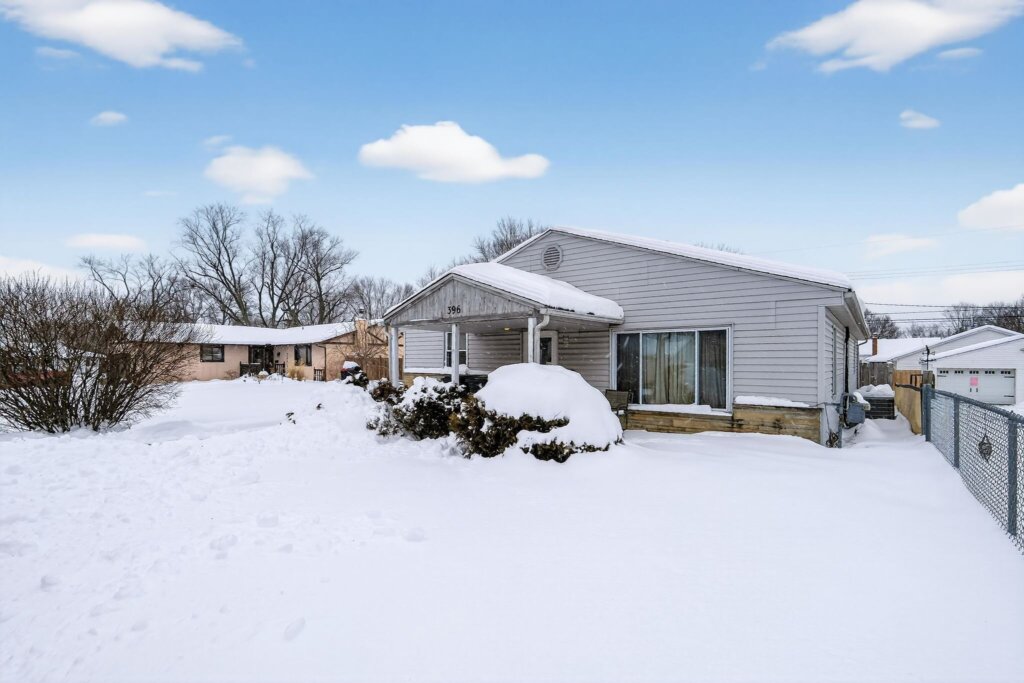
A homeowner in Muirfield Village may face a different financial situation from someone with a smaller condominium or starter home.
Larger properties can have substantial ongoing expenses.
In addition to the mortgage, there may be property taxes, insurance, utilities, landscaping, association obligations, and major maintenance needs.
Imagine a homeowner who purchased a large Dublin house years ago when both spouses were working.
Now one spouse has retired, and the household income has declined.
The mortgage payment may still be manageable in isolation.
But when combined with other housing expenses, the overall cost of ownership may no longer fit the household budget.
In this situation, a loan modification might help.
But downsizing could also be worth considering.
If the house has substantial equity, selling may allow the homeowner to move into a more affordable property while preserving some financial flexibility.
The important point is to evaluate the full cost of ownership rather than focusing only on the monthly mortgage payment.
What If You’re Behind Because Of A Divorce?
Divorce is a common reason homeowners experience financial pressure.
A household that once had two incomes may suddenly have two separate sets of living expenses.
There may also be legal fees, child-related expenses, and disagreements about who should pay the mortgage.
If both spouses are obligated on the mortgage, a divorce decree doesn’t automatically release either borrower from the loan.
And if payments are missed, the consequences can affect both parties.
If you’re going through a divorce and the mortgage is becoming difficult to manage, coordinate with your attorney and contact the servicer promptly.
You may need to evaluate whether one spouse can afford to keep the property or whether selling makes more sense.
Our guide on how to sell your house during divorce in Dublin Ohio 🔗 (Post #6 – Divorce) explains these considerations in more detail.
What If You Own An Older Dublin House That Needs Expensive Repairs?
Financial problems and property maintenance issues often happen together.
Maybe you’ve been struggling with mortgage payments for several months.
Then the furnace stops working.
Or the roof begins leaking.
Or you discover a plumbing problem that requires thousands of dollars to repair.
Suddenly, you’re trying to decide whether to spend money on the house or use those funds to catch up on the mortgage.
That can be a difficult decision.
If you want to keep the property, consider discussing the financial situation with your servicer and a qualified housing counselor.
If you’re considering selling, remember that you may not need to complete every repair first.
Our guide on selling your house as-is in Dublin Ohio 🔗 (Post #5 – As-Is Hub) explains how an as-is sale works.
We’ll also explore larger repair challenges in how to sell a house with major repairs in Dublin Ohio 🔗 (Future: Post #10 – Major Repairs).
What If You Have A Second Mortgage Or Home Equity Line Of Credit?
Some Dublin homeowners have more than one loan secured against their property.
Perhaps you refinanced years ago and later opened a home equity line of credit.
Or maybe you obtained a second mortgage to pay for improvements or other expenses.
If you decide to sell, these obligations matter.
A title company will need to identify the liens affecting the property and determine the amounts required to satisfy them.
For example:
| Item | Illustrative Amount |
|---|---|
| Sale price | $400,000 |
| First mortgage payoff | -$245,000 |
| HELOC payoff | -$45,000 |
| Estimated selling and closing expenses | -$20,000 |
| Estimated remaining proceeds | $90,000 |
These figures are illustrative and exclude any additional obligations not shown.
If the sale proceeds are insufficient to satisfy the secured debts, lender approval or another arrangement may be necessary.
Don’t assume that because you have equity above your first mortgage, you’ll receive that entire amount at closing.
Dublin Is In Three Counties. Does That Affect Mortgage Foreclosure?
Yes, it can affect where foreclosure proceedings occur.
The City of Dublin extends into Franklin, Delaware, and Union counties.
If a mortgage lender files a foreclosure lawsuit, the appropriate court generally depends on the county where the property is legally located.
This is important because homeowners sometimes assume every Dublin foreclosure is handled in Franklin County.
That isn’t the case.
If you’ve received court paperwork, check the court name, case number, and response deadline.
Useful official resources include:
Franklin County Clerk of Courts: https://clerk.franklincountyohio.gov
Delaware County Clerk of Courts: https://clerkofcourts.co.delaware.oh.us
Union County Government: https://www.co.union.oh.us
If you’re unsure about the court or legal process, consult an Ohio foreclosure attorney.
How To Find Free Mortgage Assistance
You don’t have to pay a private company simply to learn what mortgage assistance options may be available.
HUD-approved housing counseling agencies can help homeowners understand mortgage problems, communicate with servicers, and evaluate potential solutions.
These services are often available at little or no cost.
You can find a counselor through the Consumer Financial Protection Bureau’s housing counselor search.
You can also call HUD at 800-569-4287 for assistance locating a participating agency.
A housing counselor can help you organize financial information and understand the options offered by your servicer.
If you’ve already received a foreclosure complaint or have a scheduled sale date, you may also need an Ohio attorney.
A Note About State Assistance Programs
Ohio has operated mortgage assistance programs, including Save the Dream Ohio.
However, program availability, funding, and eligibility can change.
Before relying on any assistance program, confirm its current status through the Ohio Housing Finance Agency.
Don’t assume that a program described in an older article is still accepting applications.
Should You Use Your Savings To Catch Up On The Mortgage?
This depends on whether your financial hardship is temporary or ongoing.
Imagine you’re $8,000 behind on mortgage payments.
You have $10,000 in savings.
Using most of your savings to catch up may seem like the obvious solution.
But what happens next month?
If your income has recovered and you can comfortably afford the regular payment, reinstatement may be reasonable.
However, if the mortgage remains unaffordable, using nearly all your savings could leave you vulnerable to another missed payment or unexpected expense.
Before making a major financial decision, consider speaking with a qualified housing counselor or financial professional.
The goal isn’t simply to get current today.
It’s to find a sustainable solution.
When Does Selling Make More Sense Than Trying To Keep The House?
This is a personal decision, and there isn’t one answer for every homeowner.
But there are circumstances where selling may be worth serious consideration.
For example:
- Your household income has permanently declined.
- The mortgage payment is no longer affordable.
- You’re approaching retirement and want to downsize.
- The house needs major repairs you can’t afford.
- You’re going through a divorce and neither spouse can keep the property.
- You have significant equity but limited available cash.
- You’re relocating and don’t want to maintain the property.
In these situations, selling may allow you to resolve the mortgage debt and move forward.
If the house is in good condition and you have time, a traditional listing may produce a higher net return.
If repairs, timing, or convenience are major concerns, a direct cash sale may be worth comparing.
Our guide on how to sell your house fast in Dublin Ohio 🔗 (Post #1 – Sell Fast) explains the different approaches.
What If You’ve Already Received A Foreclosure Complaint?
If you’ve received a court complaint, the situation is more urgent.
Don’t assume that because you’re talking to your mortgage servicer, the court case has automatically stopped.
And don’t assume that submitting a mortgage assistance application guarantees a scheduled sale will be postponed.
Certain federal servicing protections may apply to qualifying applications submitted within specified timeframes, but the details depend on the circumstances.
If foreclosure proceedings have started, speak with an Ohio foreclosure attorney promptly.
Make sure you understand the response deadline, status of the case, and any scheduled sale.
You can also review our guide on facing foreclosure in Dublin Ohio 🔗 (Post #2 – Foreclosure).
Our upcoming article on how to avoid sheriff sale in Dublin Ohio 🔗 (Future: Post #8 – Sheriff Sale) will explain what homeowners should consider when the process has reached that stage.
Avoid Mortgage Relief Scams
Financial hardship can make homeowners vulnerable to misleading promises.
Be cautious if someone claims they can guarantee a loan modification or stop foreclosure regardless of the circumstances.
Be especially careful if a company asks you to pay large upfront fees for foreclosure rescue services, stop communicating with your mortgage servicer, or transfer ownership without fully understanding the documents.
Legitimate housing counselors can help you evaluate options without making unrealistic guarantees.
For additional consumer information, visit the Consumer Financial Protection Bureau’s mortgage help resource.
If you’re considering selling your property, make sure you understand who the buyer is, what the purchase agreement says, and how closing will be handled.
How Sell House Columbus Helps Homeowners Who Are Behind On Payments
At Sell House Columbus, we understand that falling behind on mortgage payments can happen for many reasons.
We’ve been buying houses throughout Central Ohio since 2012.
Our role is to evaluate whether purchasing the property directly might make sense.
We’re not a lender, housing counselor, or foreclosure attorney, and we don’t guarantee that a foreclosure can be stopped.
But if you’re considering selling, we’re happy to explain our process.
Step 1: Tell Us About The Property
Call or text 614-300-5151, or complete the form on our website.
Let us know the address, general condition, and what you’re hoping to accomplish.
If you’re behind on mortgage payments or have received foreclosure paperwork, that information can help us understand the timing.
Step 2: We Evaluate The House
We’ll review the property’s location, condition, and comparable sales.
Depending on the circumstances, we may arrange a convenient walkthrough.
Step 3: Receive A No-Obligation Cash Offer
If the property fits our buying criteria, we’ll explain our offer and proposed terms.
You can compare the offer with other options, including listing traditionally.
There’s no obligation to accept.
Step 4: Coordinate Closing Through A Title Company
If you decide to proceed, we’ll work with the title company to identify the mortgage payoff and other title requirements.
If foreclosure proceedings are active, additional coordination with the servicer or attorneys may be necessary.
Step 5: Close When The Requirements Are Satisfied
We can often work toward closing in approximately two weeks when title and other requirements allow.
However, active foreclosure, unresolved liens, or other legal issues may extend the timeline.
We’ll discuss what’s realistic rather than promising a date we can’t guarantee.
Frequently Asked Questions About Being Behind On Mortgage Payments In Dublin Ohio
How many mortgage payments can I miss before foreclosure starts?
Federal servicing rules generally restrict the first foreclosure filing until a mortgage is more than 120 days delinquent, subject to exceptions. The actual foreclosure timeline depends on the circumstances.
Will one missed mortgage payment cause foreclosure?
One missed payment doesn’t ordinarily result in immediate foreclosure, but late charges and credit reporting consequences may apply.
Can I get a loan modification if I’m behind?
Possibly. Eligibility depends on your mortgage program, financial circumstances, and servicer requirements.
Can I sell my Dublin house while I’m behind on payments?
Yes, potentially. The sale must address the mortgage payoff, other liens, and any applicable legal requirements.
What if my house is worth more than I owe?
You may have equity that could be preserved through a successful sale after satisfying debts and selling expenses.
What if I owe more than the house is worth?
You may need to explore a short sale or another lender-approved arrangement. A housing counselor or attorney can help explain the options.
Does applying for mortgage assistance automatically stop foreclosure?
Not always. Certain protections may apply to qualifying complete applications submitted within specific timeframes, but you should verify the status of any legal proceedings.
Can I sell my house without making repairs?
Yes. You can explore an as-is sale to a buyer willing to purchase the property in its current condition.
Does a cash offer stop foreclosure?
No. A purchase offer or signed contract doesn’t automatically stop a foreclosure lawsuit or scheduled sale.
What if I have a second mortgage?
The second mortgage and any other liens generally need to be addressed as part of the sale.
Where can I get free mortgage assistance?
A HUD-approved housing counseling agency can help you understand your options. Visit consumerfinance.gov/mortgagehelp or call HUD at 800-569-4287.
Will Sell House Columbus buy my house if I’m behind on payments?
We evaluate properties with delinquent mortgages, but whether we can purchase the house depends on its value, condition, mortgage payoff, title, and other circumstances.
How quickly can Sell House Columbus close?
We can often work toward closing in approximately two weeks when the necessary requirements allow. More complicated situations may take longer.
Behind On Mortgage Payments In Dublin Ohio? You Still Have Choices
Falling behind on your mortgage can be stressful.
You may be worried about your credit.
You may be receiving calls from your lender.
And you may be wondering whether you’ll be able to keep the house you’ve worked so hard to own.
But you don’t have to ignore the situation or make a rushed decision.
Start by contacting your mortgage servicer.
Find out what assistance options may be available.
Speak with a qualified housing counselor if you need help evaluating your finances.
And if keeping the house is no longer realistic, understand what your property may be worth before allowing the situation to progress further.
At Sell House Columbus, we’ve been buying houses throughout Central Ohio since 2012.
We have an A+ rating with the Better Business Bureau and more than 180 five-star Google reviews.
If you’re considering selling your Dublin house, we’d be happy to evaluate the property and explain whether a direct cash purchase might make sense.
There’s no pressure and no obligation to accept an offer.
Call or text 614-300-5151.
Visit https://sellhousecolumbus.com to request a no-obligation cash offer.
Or learn more about how we buy houses in Dublin Ohio
Whether you decide to keep your home or sell it, understanding your options today can help you make a more informed decision about tomorrow.
Check out what other sellers are saying about working with us:
