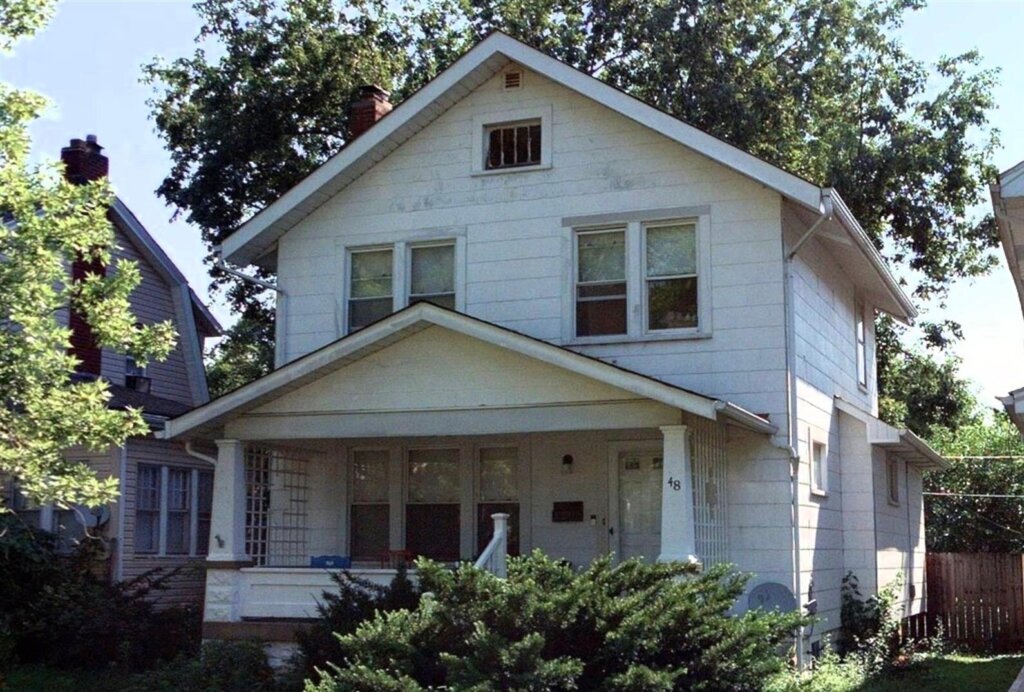
Inheriting a house can be both a blessing and a responsibility. But what happens when you live in Columbus, Ohio, and the property you’ve inherited is hundreds or even thousands of miles away?
Maybe a parent passed away in Texas. Perhaps a relative left you a rental property in Florida. Or you inherited your childhood home in another state, but you’ve built your life here in Central Ohio.
Suddenly, you’re responsible for a property you don’t live near, may not want to keep, and might not have the time or resources to maintain.
The good news is that you can often sell an inherited house in another state without traveling there for every step of the process.
At Sell House Columbus, we’ve spent more than 14 years helping homeowners navigate complicated real estate situations, including inherited properties, houses needing major repairs, and sales involving owners who live outside Ohio.
While our company purchases houses in Ohio, we understand the challenges of coordinating a property sale from a distance.
In this guide, we’ll explain how to sell an inherited property when you live in Columbus but the house is located in another state, what to watch out for, and how to find a reputable local buyer.

Can You Sell an Inherited House Without Living in the Same State?
Yes. In many situations, you can sell an inherited property without relocating or making repeated trips to the state where the house is located.
The important factors are whether you have the legal authority to sell, whether the property has a clear and transferable title, and whether the closing can be coordinated remotely.
Depending on the circumstances, you may need to work with:
- A probate attorney in the state where the property is located.
- A local title company or real estate closing attorney.
- Other heirs or beneficiaries who have an ownership interest.
- A real estate agent or cash home buyer familiar with that market.
- A mobile notary or an approved remote notarization service.
Every state has different probate, inheritance, and real estate transfer requirements.
For example, the procedures for transferring an inherited house in Ohio may differ significantly from those in Texas, Florida, or California.
That’s why the first step isn’t necessarily finding a buyer. It’s making sure you understand who has the legal authority to sell the property.
Step 1: Determine Who Legally Owns the Inherited Property
Before selling an inherited house, you need to establish who owns it and who has the authority to sign the sale documents.
This can be more complicated than simply being named in a will.
Was the house transferred directly to you?
Some properties transfer outside probate through a trust, survivorship arrangement, transfer-on-death deed, or another legally recognized mechanism.
If the property transferred directly to you, the sale process may be relatively straightforward once the required ownership documents have been recorded or accepted by the closing company.
Is the house still part of an estate?
If the property is part of a deceased person’s probate estate, the executor or administrator may need authority from the appropriate probate court before selling.
The exact requirements depend on the state, the estate documents, the type of administration, and whether court approval is required.
Are there multiple heirs?
If you inherited the property with siblings or other family members, everyone with a legal ownership interest may need to participate in the transaction.
Disagreements over the property’s value, repairs, or whether to sell can delay the process.
Our advice: Before spending money on renovations or marketing the house, have the estate attorney and closing company confirm who must authorize the sale.
For general information about Ohio probate matters, visit the Supreme Court of Ohio.
If the property is located outside Ohio, consult a qualified attorney in the state where the property is situated.
Step 2: Understand the Financial Responsibilities of an Inherited House
An inherited house can continue generating expenses even when nobody is living there.
Those expenses may include:
- Property taxes and assessments.
- Homeowners insurance.
- Mortgage payments.
- Utilities and basic maintenance.
- Lawn care and snow removal.
- HOA or condominium fees.
- Repairs required to protect the property.
- Security or property management.
Imagine inheriting a vacant house in Dallas while living in Columbus.
You might have to coordinate lawn maintenance, insurance, property access, and emergency repairs from more than a thousand miles away.
If the house sits vacant for several months, those expenses can add up quickly.
What if the inherited house has a mortgage?
An existing mortgage doesn’t necessarily prevent you from selling.
However, the loan balance, any missed payments, and other liens generally need to be addressed as part of the transaction.
A title company or closing attorney can help determine what must be paid or resolved before the buyer receives the required title.
What about inheritance taxes and capital gains?
Tax consequences depend on the estate, the property, your ownership circumstances, and the sale price.
Inherited property often receives an income-tax basis related to its fair market value at the date of death, subject to applicable rules and exceptions.
That can affect the amount of taxable gain when the property is sold.
However, there may also be estate taxes, state-specific taxes, depreciation-related issues for rental properties, or other considerations.
The IRS provides guidance on inherited property, but a qualified tax professional should review your particular situation.
Don’t assume that selling an inherited house automatically means you owe a large capital gains tax—or that no taxes will be due.
Step 3: Decide Whether to Repair the House or Sell It As-Is
One of the biggest decisions inherited-property owners face is whether to renovate before selling.
This becomes especially challenging when you live in another state.
Consider a house that needs:
- A new roof.
- Updated flooring.
- Kitchen or bathroom renovations.
- Foundation repairs.
- Plumbing or electrical work.
- Mold or water-damage remediation.
- Removal of furniture and personal belongings.
- General cleaning and landscaping.
Managing contractors remotely can be time-consuming.
You may need to arrange estimates, approve repairs, coordinate access, review progress, and deal with unexpected expenses.
And even after completing the work, there’s no guarantee the final sale price will justify the renovation costs.
Option A: Renovate and list with a real estate agent
This approach may make sense when the house is in a desirable neighborhood, the repair budget is manageable, and you have someone local who can oversee the work.
A traditional listing may attract buyers willing to pay more for a move-in-ready property.
However, you should account for repair expenses, holding costs, agent compensation, closing costs, and the time involved.
Option B: Sell the property as-is
Selling as-is means offering the property in its existing condition rather than agreeing in advance to complete renovations.
It doesn’t automatically eliminate disclosure obligations or prevent buyers from requesting inspections.
But it can reduce the amount of work required before putting the property on the market.
Option C: Sell directly to a local cash home buyer
An experienced local cash buyer may be willing to purchase a house that needs substantial repairs, contains unwanted belongings, or has other complications.
Depending on the buyer and transaction, this may eliminate the need for renovations, staging, public showings, and traditional mortgage financing.
The tradeoff is that a cash buyer’s offer will generally reflect the property’s condition, repair costs, and the buyer’s required investment margin.
The right choice depends on your priorities. If maximizing the potential sale price matters most and you have time to manage the process, listing may be appropriate. If convenience, certainty, and avoiding repairs are more important, a direct as-is sale may be worth considering.
Step 4: Find a Reputable Home Buyer in the State Where the Property Is Located
When selling an inherited property remotely, choosing the right local professional is especially important.
You want someone who understands the neighborhood, local property values, title requirements, and the realities of buying homes in that market.
Before agreeing to sell, ask prospective buyers:
- How long have you been buying properties in this market?
- Can you provide references or verifiable customer reviews?
- Are you purchasing the house directly, or do you intend to assign the contract?
- Will the transaction close through a reputable title company or closing attorney?
- Are there inspection, financing, or other contingencies?
- Will I need to make repairs or remove unwanted belongings?
- Can the closing documents be handled while I remain in Ohio?
- What fees or closing costs will I be responsible for?
A legitimate buyer should be willing to explain the process and give you time to review the agreement.
Be cautious of anyone who pressures you to sign immediately, refuses to explain their funding arrangements, or suggests transferring ownership outside an appropriate closing process.
Selling an inherited house in Dallas–Fort Worth while living in Columbus
Let’s say you live in Westerville, Dublin, Gahanna, or Columbus and inherit a house in Dallas, Fort Worth, Arlington, or another North Texas community.
You may not know local contractors, real estate agents, or investors.
One company you can research is Metroplex Homebuyers, a Dallas–Fort Worth cash home buyer that reports operating in the North Texas market since 2011.
Metroplex Homebuyers purchases houses as-is, including inherited properties, tenant-occupied houses, and homes that may be difficult to sell through traditional methods.
For an Ohio resident dealing with an inherited Texas property, a local buyer may be able to evaluate the house, discuss repair issues, and coordinate with a Texas title company.
As with any buyer, independently verify reviews, terms, funding, and closing procedures before making a decision.
Important: Sell House Columbus and Metroplex Homebuyers are separate businesses. Each operates independently in its respective market.
The larger lesson is simple: When selling a house in another state, local experience matters.
Step 5: Understand How Remote Real Estate Closings Work
Many homeowners assume they must physically travel to the property to complete a sale.
That isn’t always necessary.
Depending on the state, title company, lender requirements, and transaction documents, a closing may be coordinated through a combination of electronic signatures, mailed documents, mobile notarization, or legally permitted remote online notarization.
Here’s how a typical remote transaction may work.
1. Agree on the purchase terms
You review the offer, purchase price, contingencies, closing date, and any responsibilities for repairs or personal property.
2. Open the transaction with a title company or closing attorney
The closing professional reviews the title, identifies mortgages or liens, coordinates required documents, and prepares the settlement process.
3. Resolve estate and title requirements
If probate documents, death certificates, affidavits, court orders, or other paperwork are needed, those requirements must be satisfied before closing.
4. Arrange the appropriate signing method
Some documents may be signed electronically, while others require notarization or original signatures.
The closing company will explain what is permitted.
5. Complete the closing and receive your proceeds
Once the documents, funds, and recording requirements are satisfied, the closing company distributes the net proceeds according to the settlement instructions.
Always independently verify wiring instructions with the closing company using a trusted phone number. Real estate wire fraud is a serious risk.
You can learn more about protecting yourself from wire fraud through the Federal Trade Commission.
Step 6: Don’t Forget About Personal Belongings and Property Access
An inherited home often contains furniture, family photographs, documents, and belongings accumulated over many years.
This can be one of the most emotionally difficult parts of the process.
Before selling, consider whether you need to:
- Retrieve family photographs and keepsakes.
- Locate financial or legal records.
- Remove valuable or sentimental items.
- Coordinate with siblings or other heirs.
- Arrange a local estate-sale company.
- Hire a cleanout service.
- Determine whether the buyer will accept remaining belongings.
Some as-is buyers may agree to purchase a property with unwanted personal property remaining, subject to the terms of the agreement and the seller’s legal authority to dispose of those items.
That can be especially helpful when you’re managing the sale from Columbus and don’t want to make repeated trips.
However, never dispose of estate property without confirming that you have the necessary authority and that other heirs’ rights have been addressed.
What If You Live Outside Ohio but Inherited a House in Columbus?
Now let’s look at the opposite situation.
What happens when someone inherits a property in Columbus, Ohio, but lives in Georgia, South Carolina, Texas, Florida, or somewhere else?
This is a situation we regularly encounter at Sell House Columbus.
A homeowner may have inherited a parent’s house in Franklin County but already established a life elsewhere.
They don’t want to travel back to Ohio repeatedly, coordinate repairs, or manage a vacant house from hundreds of miles away.
That’s where our local experience becomes especially valuable.
How Sell House Columbus helps out-of-state owners
At Sell House Columbus, we buy houses directly throughout Columbus and surrounding Central Ohio communities.
We’ve worked with homeowners facing inherited-property challenges, major repairs, unwanted belongings, vacant houses, and complicated selling situations.
Our process is designed to make selling easier:
- We evaluate the property and discuss your situation.
- We can make a cash offer based on the property’s condition.
- We purchase houses as-is, without requiring you to complete renovations.
- You don’t need to hire a real estate agent to sell directly to us.
- We coordinate the transaction with a professional title company.
- We can work with the closing company to accommodate remote sellers when permitted.
- We offer flexibility around closing dates and property possession.
We don’t expect every homeowner to choose a cash sale.
But for someone who inherited a property they don’t want to maintain, a direct sale can provide a practical alternative to managing renovations and a traditional listing from another state.
Real experience helping homeowners sell remotely
Our team has worked with sellers who no longer live in Ohio but still own property here.
For example, we recently helped a homeowner who had moved to Georgia sell her Columbus property without needing to travel back to Ohio.
We handled the transaction while she remained out of state, and she was able to sell the house as-is.
We’ve also helped a homeowner living in South Carolina sell a property in Beavercreek, Ohio, that needed repairs.
He didn’t have to complete the renovation work himself, and the sale was coordinated while he remained in South Carolina.
These situations illustrate why a flexible local buyer can be valuable when the property and the owner are in different states.

Sell Your House Fast in Columbus, Ohio
What If the Inherited House Has Major Repairs, Liens, or Other Problems?
Not every inherited house is in good condition.
Sometimes the property has been vacant for years. Other times, the previous owner struggled with maintenance, property taxes, or mortgage payments.
Common challenges include:
Major repairs
A house may need a roof, foundation work, plumbing repairs, or extensive interior updates.
A cash buyer may be willing to purchase the property in its existing condition.
Unpaid property taxes
Delinquent property taxes generally must be addressed before or during the sale.
A title company can identify the amount owed and determine how it affects closing.
Existing mortgages or liens
Mortgages, judgments, and other recorded claims can complicate the transaction.
Some may be paid from the sale proceeds. Others require additional documentation, negotiation, or legal action.
Vacant or neglected property
A vacant inherited home may attract maintenance issues, vandalism, or municipal code violations.
Selling sooner may reduce future carrying costs, but the best timing depends on the estate and your financial circumstances.
Tenant-occupied property
If the inherited house has tenants, existing leases and applicable landlord-tenant laws must be respected.
Selling the property doesn’t automatically terminate a tenant’s legal right to occupy it.
The buyer, attorney, and closing company should understand the tenancy before proceeding.
For Ohio property owners, these are situations our team has experience evaluating.
If you inherited a house in Columbus or a nearby community, contact Sell House Columbus to discuss your options.
How to Compare Your Options Before Selling an Inherited Property
There’s no single best way to sell every inherited house.
The right decision depends on the property’s condition, your financial needs, your timeline, and how much responsibility you want to take on.
| Selling option | Potential advantage | Potential drawback |
|---|---|---|
| Traditional listing | May attract a broader pool of buyers | Showings, negotiations, contingencies, and possible repairs |
| Renovate before listing | May increase market appeal and sale price | Upfront expense, time, and contractor management |
| Sell as-is through an agent | Avoids some renovation work | May still involve inspections, financing, and negotiations |
| Direct cash sale | May provide a simpler, more flexible process | Offer generally reflects repairs and buyer investment costs |
Before making a decision, compare your estimated net proceeds, not just the advertised purchase price.
A higher offer doesn’t always mean you’ll receive more money after repairs, carrying costs, commissions, and other expenses.
Likewise, a lower cash offer isn’t automatically the better choice simply because the process is faster.
Request written terms and evaluate the complete transaction.
Frequently Asked Questions About Selling an Inherited House in Another State
Can I sell an inherited house without traveling to the state where it’s located?
Often, yes. Many real estate transactions can be coordinated remotely through a title company or closing attorney. However, signing, notarization, probate, and recording requirements vary by state and transaction.
Do I have to go through probate before selling an inherited house?
Not always. Some properties transfer outside probate through trusts, survivorship arrangements, or transfer-on-death instruments. If the property remains in a probate estate, the executor or administrator may need appropriate legal authority before selling.
Can I sell an inherited house that needs major repairs?
Yes. Depending on the circumstances, you may be able to sell through a traditional listing, an as-is listing, or directly to a cash buyer. The property’s condition will affect its marketability and value.
What if my siblings and I inherited the house together?
You should first establish everyone’s ownership rights and determine who must approve the sale. If disagreements arise, an estate or real estate attorney may need to help resolve them.
Can I sell an inherited house with a mortgage?
Generally, yes, provided the seller has the required authority and the mortgage can be appropriately addressed at closing. The payoff is commonly handled through the settlement process.
Do I have to clean out an inherited house before selling it?
Not necessarily. Some cash buyers will consider purchasing a house with unwanted belongings remaining. Any arrangement should be clearly documented, and you must have authority to dispose of the property involved.
How long does it take to sell an inherited house?
The timeline depends on the legal status of the estate, title issues, property condition, buyer financing, and the chosen sale method. A direct cash sale may move faster than a traditional listing once legal and title requirements are satisfied, but probate complications can create delays.
Can I sell an inherited house in Columbus if I live in another state?
Yes. Sell House Columbus regularly works with homeowners who live outside Ohio. We can evaluate your property, discuss an as-is cash offer, and coordinate with the closing company to determine appropriate remote signing arrangements.
Is it better to sell an inherited house or keep it as a rental?
That depends on the property’s condition, rental demand, operating expenses, financing, taxes, and your willingness to manage tenants. A qualified financial or tax adviser can help you compare the long-term implications.
How do I find a trustworthy cash home buyer in another state?
Research local companies, review independent customer feedback, ask about their experience, confirm who is purchasing the property, and insist on a reputable title company or closing attorney. Compare written offers and avoid pressure to sign before understanding the terms.
Final Thoughts: Selling an Inherited House From Columbus Doesn’t Have to Be Overwhelming
Inheriting property in another state can create unexpected responsibilities.
You may be dealing with the loss of a loved one while also trying to understand probate, property taxes, repairs, mortgages, and real estate decisions in a market you don’t know.
But you don’t have to manage every part of the process alone.
Start by confirming your legal authority to sell. Understand the property’s condition and financial obligations. Then compare your options and work with qualified professionals in the state where the house is located.
Whether the inherited property is in Texas, Florida, or another state, finding a knowledgeable local professional can make the process easier.
And if the house you’ve inherited is in Columbus or anywhere in Central Ohio, we’d be happy to help.
Need to Sell an Inherited House in Columbus, Ohio?
At Sell House Columbus, we’ve spent more than 14 years helping Ohio homeowners sell properties in difficult or inconvenient situations.
We buy houses as-is, work with out-of-state owners, and strive to make the selling process straightforward and transparent.
Whether the property needs major repairs, contains unwanted belongings, or has been sitting vacant, we’d welcome the opportunity to discuss your situation.
Visit Sell House Columbus and fill out our short form to request a no-obligation cash offer.
We’re local, experienced, and ready to help you explore your options.
Disclaimer: This article provides general educational information and is not legal, tax, or financial advice. Probate, property transfers, taxation, disclosures, and remote closing requirements vary by jurisdiction and individual circumstances. Consult qualified professionals about your specific situation.